

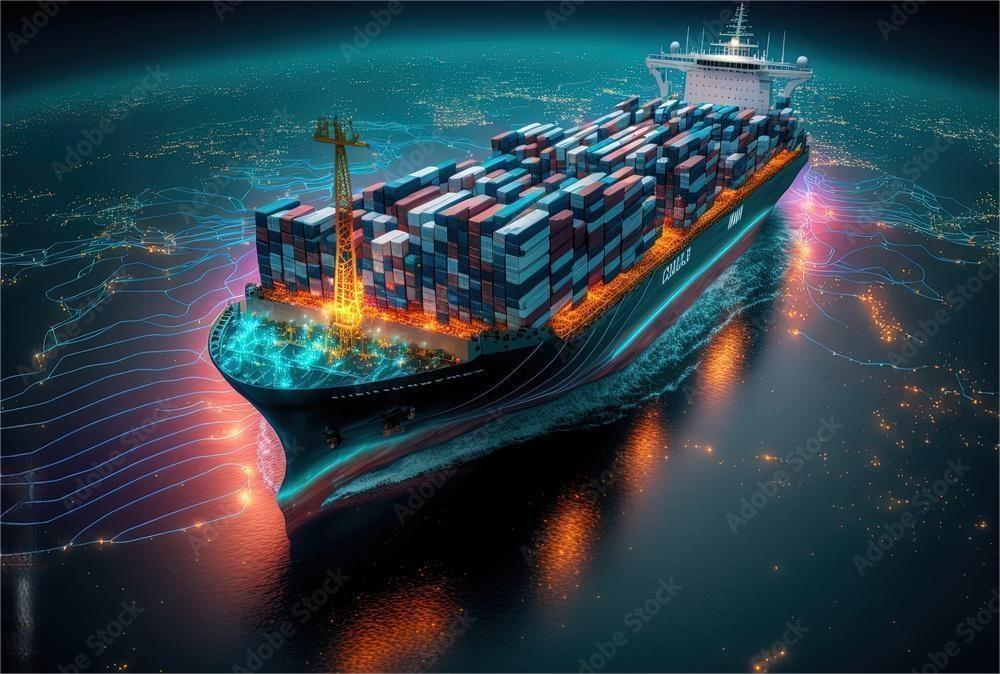
Freight Quote China to New Zealand Online: 2026 Shipping Guide
“Finding a reliable freight quote China to New Zealand online is a critical step for businesses looking to optimize their international trade routes in 2026. As global trade dynamics shift, Top China Cargo provides the digital tools and expertise needed to navigate the complexities of trans-Pacific logistics. This comprehensive guide explores how to secure competitive rates while ensuring your cargo reaches Auckland, Wellington, or Christchurch without unnecessary delays.”
How to Obtain an Accurate Freight Quote China to New Zealand Online?
❖Obtaining a precise estimate requires more than just entering a destination; it involves providing detailed cargo specifications to avoid hidden surcharges. Digital platforms now allow importers to input dimensions, weight, and HS codes to receive real-time updates on market fluctuations. Moreover, professional freight forwarders integrate these tools with local knowledge to provide a more holistic view of the total landed cost.
Accuracy in your initial inquiry prevents the common pitfall of unexpected fees during the customs clearance process or final mile delivery. Consequently, you should have your packing list and commercial invoice ready before requesting a quote to ensure the data matches your actual shipment. Therefore, using an online portal simplifies the comparison of multiple carriers, allowing you to choose the balance of speed and cost that fits your budget.
Technological advancements in 2026 have made it easier to track fuel surcharges and seasonal adjustments that impact the final price. Specifically, many platforms now include carbon offset calculations and automated port congestion alerts as part of their standard quoting service. Indeed, this level of transparency helps New Zealand businesses plan their inventory cycles with much greater precision than in previous years.
Comparing Air Freight and Sea Freight for New Zealand Routes
❖Choosing between air and sea transport depends heavily on your specific timeline and the nature of the goods being moved. For instance, sea freight remains the most economical choice for large volumes of furniture, machinery, or bulk raw materials. On the other hand, air transport is the go-to solution for high-value electronics or perishable items that require immediate delivery.
Transit times for ocean shipments have stabilized in early 2026, with direct routes from Shanghai to Auckland typically taking around 18 to 22 days. Meanwhile, air shipments can reach major New Zealand airports in as little as 3 to 5 days, including ground handling time. Accordingly, businesses must weigh the significant cost savings of sea transport against the rapid turnover offered by air logistics.
Market data suggests that while sea freight is cheaper, the inventory carrying costs for longer transit times can sometimes offset those savings. Nevertheless, for the majority of retail and industrial imports, the ocean route provides the necessary scalability to maintain healthy profit margins. The following table provides a clear comparison of the primary shipping methods available for this route.
| Shipping Method | Average Cost | Transit Time | Best For |
|---|---|---|---|
| Sea Freight (FCL) | $1,200 – $1,900 | 18-25 Days | Bulk Shipments |
| Sea Freight (LCL) | $75 – $140/CBM | 22-30 Days | Small Batches |
| Air Freight | $4.50 – $7.50/kg | 3-7 Days | Urgent Goods |
| Express Service | $8.00 – $14.00/kg | 2-5 Days | Samples/Docs |
Understanding 2026 Shipping Costs and Market Trends
❖Current market intelligence for Q1 2026 indicates that freight rates from China to Oceania have reached a period of relative stability after previous disruptions. For those seeking an air freight solution, prices are currently influenced by fluctuating jet fuel costs and the return of full belly-hold capacity on passenger flights. Furthermore, the integration of AI-driven route optimization has helped carriers maintain more predictable schedules.
Seasonal patterns still play a major role in pricing, with a notable 15-25% increase in rates during the pre-Christmas peak from August to October. Additionally, the Chinese New Year period often sees a surge in demand that can lead to space shortages if bookings are not secured well in advance. As a result, savvy importers often lock in contract rates during the quieter second quarter to hedge against these predictable spikes.
Industry benchmarks show that New Zealand’s port infrastructure improvements have successfully reduced the average dwelling time for containers in 2026. This efficiency at the destination helps keep secondary costs, such as demurrage and detention, lower than in previous years. Without a doubt, staying informed about these macro trends is essential for anyone requesting a freight quote China to New Zealand online.
How Does Sea Freight Compare to Other Shipping Options?
❖While ocean transport is the backbone of the China-NZ trade lane, it is important to analyze how it stacks up against more agile alternatives. For example, express service providers offer a seamless door-to-door experience that bypasses many of the traditional steps required in sea logistics. In contrast, sea freight requires more coordination between port authorities, drayage companies, and warehouse operators.
Comparing Full Container Load (FCL) to Less than Container Load (LCL) is another vital consideration for budget-conscious shippers. Specifically, LCL allows you to pay only for the space you use, which is ideal for shipments under 15 cubic meters. However, FCL provides a dedicated environment for your goods, reducing the risk of damage from other shippers’ cargo and often resulting in faster discharge times.
Direct shipping routes from major hubs like Ningbo or Qingdao are generally 10% more expensive than transshipment options via Singapore or Port Klang. Nevertheless, the time savings of 5 to 7 days often justify the higher price for businesses with tight production schedules. The table below outlines the trade-offs between the most common logistics strategies used today.
| Strategy | Cost Level | Speed | Reliability |
|---|---|---|---|
| Direct Sea | Moderate | Fast (Sea) | High |
| Transshipment | Low | Slow | Moderate |
| Premium Air | Very High | Very Fast | Very High |
| LCL Consolidation | Moderate | Moderate | High |
Alternative Shipping Strategies for New Zealand Importers
❖Beyond the standard choices, several alternative approaches can help optimize your supply chain and reduce overall expenditure. One such strategy is the use of ‘Sea-Air’ hybrid solutions, where goods are shipped by sea to a hub like Singapore and then flown to New Zealand. This method typically costs 40% less than pure air freight while being significantly faster than a full ocean voyage.
Another effective tactic involves consolidating multiple small orders from different Chinese suppliers into a single FCL shipment at a mainland warehouse. By doing so, you can significantly reduce the per-unit shipping cost and simplify your customs documentation. Moreover, utilizing specialized regional ports in New Zealand, such as Napier or Tauranga, can sometimes offer lower port fees compared to the main Auckland terminals.
For e-commerce sellers, leveraging local warehousing in China for dropshipping directly to NZ consumers is becoming increasingly popular in 2026. This allows for rapid fulfillment of small orders via international courier services without the need for large domestic inventory holdings in New Zealand. Consequently, this decentralized model provides a high degree of flexibility for startups and small-to-medium enterprises.
Real-World Case Studies: China to New Zealand 2026
❖Examining actual shipping scenarios provides valuable context for what you can expect when requesting a freight quote China to New Zealand online. These cases reflect typical market conditions and logistical challenges encountered in the current year. Each study highlights the importance of choosing the right method based on the specific cargo profile and business objectives.
Case Study 1: High-Value Electronics +———————————————————+ | Route: Shenzhen, China to Auckland, New Zealand | Cargo: Consumer Electronics, 2.8 CBM, 520 kg | Method: Air Freight (Standard) | | Shipping Details: | – Carrier: Major Air Carrier | – Port of Loading: Shenzhen (SZX) | – Port of Discharge: Auckland (AKL) | – Route Type: Direct | | Cost Breakdown: | – Air Freight: $3,120 | – Origin Charges: $180 | – Destination Charges: $220 | – Customs & Duties: $450 (est) | – Total Landed Cost: $3,970 | | Timeline: | – Booking to Loading: 2 days | – Air Transit: 1 day | – Customs Clearance: 2 days | – Total Door-to-Door: 5 days | | Key Insight: Speed was prioritized to meet a product launch date. | +———————————————————+
Case Study 2: Home Furniture Batch +———————————————————+ | Route: Ningbo, China to Lyttelton, New Zealand | Cargo: Flat-pack Furniture, 28 CBM | Container: 20GP Full Container | | Shipping Details: | – Carrier: COSCO Shipping | – Port of Loading: Ningbo (CNNGB) | – Port of Discharge: Lyttelton (NZLYT) | – Route Type: Direct | | Cost Breakdown: | – Ocean Freight: $1,150 | – Origin Charges: $250 | – Destination Charges: $310 | – Customs & Duties: $1,200 (GST/Duty) | – Total Landed Cost: $2,910 | | Timeline: | – Booking to Loading: 5 days | – Sea Transit: 24 days | – Customs Clearance: 3 days | – Total Door-to-Door: 32 days | | Key Insight: FCL was more cost-effective than LCL for this volume. | +———————————————————+
Note: Freight rates are subject to change based on fuel costs, carrier capacity, and seasonal demand. Contact us for a current quote tailored to your specific shipment.
Navigating Customs Documentation and Import Regulations
❖New Zealand has strict biosecurity and customs regulations that must be followed to avoid significant fines or shipment seizures. For instance, ensuring that all wooden packaging is treated and marked according to ISPM 15 standards is a non-negotiable requirement. Furthermore, hiring a professional customs brokerage service can help you navigate the complexities of the New Zealand Customs Service and Ministry for Primary Industries (MPI).
Required documents typically include the Bill of Lading, Commercial Invoice, Packing List, and any relevant Import Permits for restricted goods. Additionally, the Goods and Services Tax (GST) of 15% is applied to most imported items, and certain products may attract additional customs duties. Indeed, having a clear understanding of your product’s valuation and classification is the best way to ensure a smooth entry into the country.
Recent updates in 2026 have streamlined the digital submission process for import declarations, allowing for pre-clearance while the vessel is still at sea. This proactive approach significantly reduces the time goods spend sitting in the port after arrival. Therefore, working with a forwarder who utilizes integrated digital systems is a major advantage for modern importers.
The Benefits of Door to Door Logistics Solutions
❖Many businesses now prefer a comprehensive door to door service to minimize the number of touchpoints in their supply chain. This model handles everything from the initial pickup at the factory in China to the final delivery at your warehouse in New Zealand. Consequently, it eliminates the need for you to coordinate separate trucking companies and port agents, saving both time and administrative effort.
Visibility is another key benefit, as door-to-door providers usually offer a single tracking number for the entire journey. This end-to-end transparency allows you to provide accurate delivery updates to your customers and better manage your internal inventory levels. In addition, the consolidated billing provided by these services makes financial planning much simpler for small business owners.
Choosing a door-to-door option often includes insurance coverage and basic cargo handling, providing peace of mind during the long trans-Pacific transit. While the initial quote might seem higher than port-to-port rates, the reduction in hidden fees and logistical headaches often results in a lower total cost of ownership. For most importers in 2026, this remains the most efficient way to manage international freight.
Final Thoughts on Shipping from China to New Zealand
Securing an accurate freight quote China to New Zealand online is the foundation of a successful import business in 2026. By understanding the differences between shipping methods and staying informed about market trends, you can make decisions that enhance your bottom line. Whether you choose the speed of air freight or the cost-efficiency of sea transport, the key is to work with a reliable partner who understands the nuances of the NZ market.
Remember to factor in all costs, including customs duties, GST, and local handling fees, to get a true picture of your landed expenses. As logistics technology continues to evolve, those who leverage digital tools and expert advice will remain ahead of the competition. Start your journey today by requesting a detailed quote and taking control of your international shipping strategy.
Ready to streamline your logistics?
Ready to streamline your supply chain and secure the most competitive freight quote China to New Zealand online? Our team of logistics experts is standing by to provide you with a customized shipping solution that meets your specific needs and budget. Visit our inquiry page today to get started. Send Inquiry: https://topchinacargo.com/contact-us/
Request Quote