


China to Oceania freight services: The Complete 2026 Shipping Guide
Navigating the complexities of China to Oceania freight services requires a deep understanding of current market dynamics and regional logistics requirements. As of early 2026, businesses must balance speed and cost-effectiveness to maintain competitive supply chains across Australia, New Zealand, and the Pacific Islands. Consequently, choosing the right partner is essential for managing the intricate balance of transit times and shipping rates. You can visit Top China Cargo to discover tailored logistics solutions that streamline your international trade operations and reduce overhead costs.
What are the primary China to Oceania freight services available?
Selecting the appropriate shipping method is the first step in optimizing your supply chain for the Oceania region. Most businesses rely on sea freight and air freight, as rail options are non-existent for this island-dominated geography. Furthermore, the choice depends heavily on your budget, cargo volume, and urgency requirements.
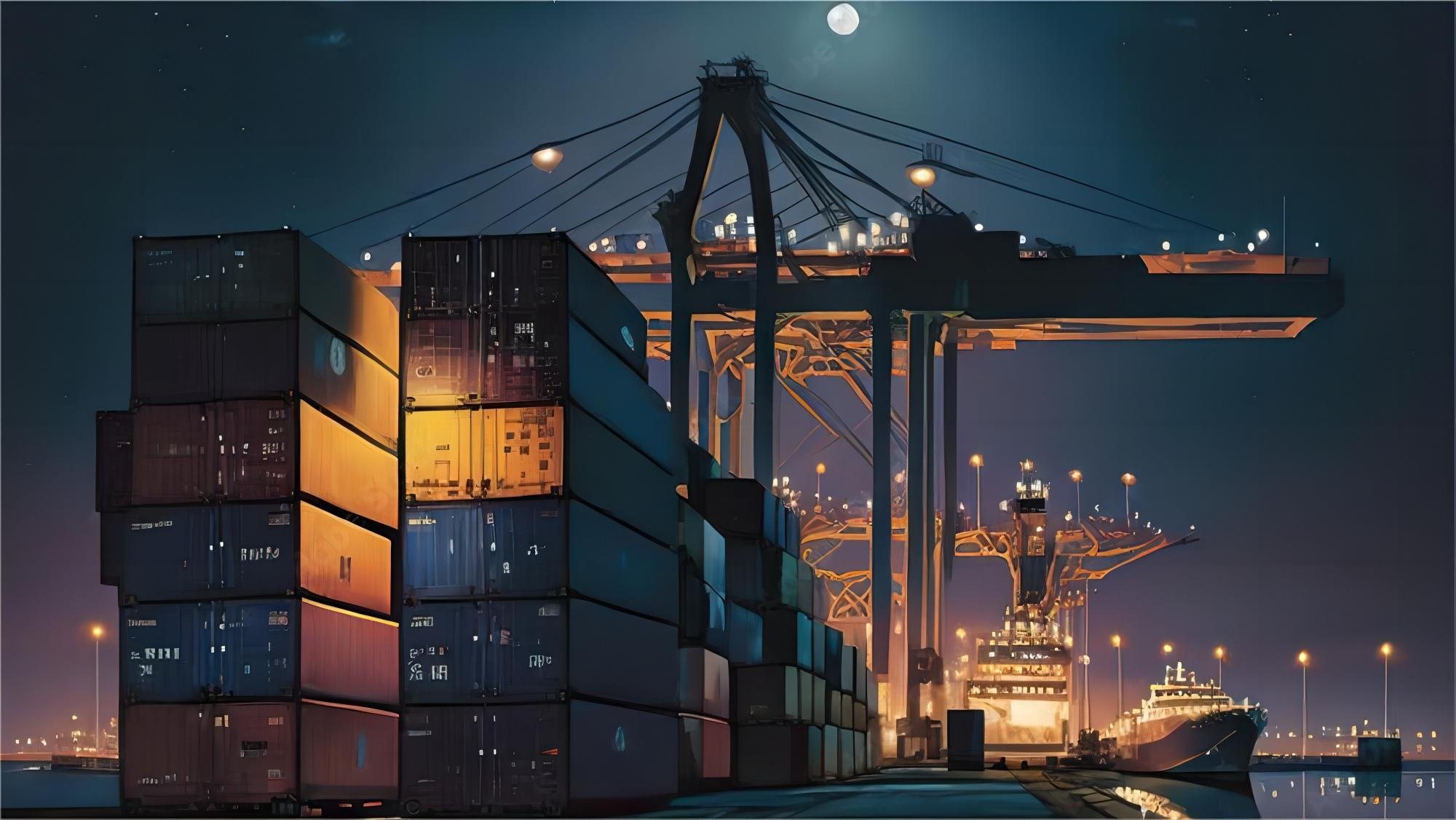
Ocean freight remains the most popular choice for bulk commodities and large retail shipments. Specifically, sea freight offers the lowest cost per unit for high-volume goods. This method is ideal for furniture, machinery, and large quantities of consumer electronics. Nevertheless, transit times are significantly longer than air-based alternatives.
Air freight serves as the premium option for time-sensitive or high-value cargo. Businesses often choose air freight when shipping perishables, medical supplies, or urgent stock replacements. While the costs are higher, the reduction in inventory holding time often justifies the investment. Additionally, air transport provides superior security for fragile items.
Express courier services offer a streamlined approach for smaller parcels and documents. Using an express service ensures rapid delivery directly to the recipient’s door. This option is perfect for e-commerce sellers who need to fulfill individual orders quickly. Moreover, it includes integrated tracking and simplified customs processing.
How Does Sea Freight Compare to Other Shipping Options?
Comparing different shipping modes allows you to identify the most efficient strategy for your specific cargo. Sea freight is generally the baseline for cost, whereas air freight is the benchmark for speed. Understanding these trade-offs is crucial for maintaining a healthy profit margin in 2026.
In contrast to air transport, sea freight allows for much larger weight and volume capacities. For instance, a single 40HQ container can hold up to 76 cubic meters of goods, which would be prohibitively expensive by air. However, the environmental impact of sea freight is lower per ton-mile compared to air cargo. Consequently, many eco-conscious brands prioritize ocean routes.
Hybrid solutions like sea-air combinations have gained popularity in early 2026. These services involve shipping goods by sea to a hub like Singapore before flying them to Oceania. Such strategies offer a middle ground in both cost and speed. Meanwhile, direct air shipping remains the fastest possible route for critical deliveries.
| Shipping Method | Cost Range | Transit Time | Best For | Limitations |
|---|---|---|---|---|
| Sea Freight (FCL) | $1,200 – $2,500 | 12-25 Days | Bulk goods/Full containers | Slower transit |
| Sea Freight (LCL) | $80 – $150/CBM | 18-30 Days | Small-medium shipments | Higher risk of damage |
| Air Freight | $4.50 – $8.00/kg | 3-7 Days | High-value/Urgent | Expensive for bulk |
| Express Courier | $8.00 – $15.00/kg | 2-5 Days | Small parcels/Samples | Very high cost |
Which Option Should You Choose for Your Oceania Shipments?
Decision-making in logistics should be based on clear criteria and business priorities. If your primary goal is cost reduction, sea freight is the undisputed winner for almost any cargo over 100kg. Conversely, if you are launching a product or meeting a strict deadline, speed should take precedence over price.
Volume thresholds often dictate the switch between different shipping methods. For example, shipments under 0.5 CBM are usually more economical via express courier. Once you exceed 1 CBM, sea freight LCL starts to provide better value. Furthermore, shipments exceeding 15 CBM often justify the cost of a full 20GP container.
Cargo type also plays a significant role in your selection process. Hazardous materials or heavy machinery are strictly regulated and often restricted to sea transport. Meanwhile, high-fashion items or seasonal electronics benefit from the rapid turnover of air freight. Ultimately, a diversified logistics strategy often yields the best results.

How Much Do China to Oceania freight services Cost in 2026?
Freight rates from China to Oceania have shown relative stability in the first half of 2026. This stability follows the market corrections seen in late 2025 after global supply chain disruptions. Nevertheless, seasonal peaks during the third quarter still cause temporary price hikes of approximately 15-20%.
Base ocean freight is only one part of the total landed cost. You must also account for port handling charges, documentation fees, and inland trucking. In 2026, fuel surcharges remain a variable factor that can influence final invoices. Therefore, getting an all-in quote is essential for accurate budgeting.
LCL shipping costs are calculated per cubic meter, making them accessible for smaller businesses. However, FCL rates offer a flat fee for the entire container, which provides a lower per-unit cost for full loads. According to industry benchmarks, shipping a 20GP container from Ningbo to Sydney currently averages between $900 and $1,300, depending on the carrier.
| Route | 20GP Container | 40HQ Container | LCL (per CBM) | Air (per kg) |
|---|---|---|---|---|
| China to Sydney | $950 – $1,300 | $1,500 – $2,100 | $85 – $110 | $4.80 – $6.50 |
| China to Auckland | $1,100 – $1,500 | $1,800 – $2,400 | $95 – $130 | $5.20 – $7.00 |
| China to Brisbane | $900 – $1,250 | $1,450 – $2,050 | $80 – $105 | $4.70 – $6.30 |
Price Disclaimer
Note: Freight rates are subject to change based on fuel costs, carrier capacity, and seasonal demand. Market data suggests that rates can fluctuate weekly based on global economic conditions. Contact us for a current quote tailored to your specific shipment.
Understanding Transit Times Across the Oceania Region
Transit times for China to Oceania freight services vary significantly depending on the destination port and the specific carrier route. Direct services from major Chinese hubs like Shanghai or Shenzhen to Sydney typically take 12 to 15 days. In contrast, routes involving transshipment in Southeast Asia can extend the journey to 25 days.
New Zealand routes generally require a few extra days compared to Australian ports. For instance, shipping to Auckland usually takes between 18 and 22 days via direct ocean service. Weather conditions and port congestion in the South Pacific can also impact these schedules. Consequently, building a buffer into your delivery timeline is highly recommended.
Air freight remains the fastest way to reach any destination in Oceania. Most major cities receive daily flights from Chinese logistics hubs, ensuring a door-to-door timeline of 5 to 8 days. Specifically, Australia destinations benefit from high-frequency flight paths that keep transit times consistent.

Customs Clearance and Essential Documentation Checklist
Navigating the customs landscape is often the most challenging aspect of international shipping. Oceania countries, particularly Australia and New Zealand, have strict biosecurity and quarantine regulations. Therefore, ensuring your documentation is perfect is the only way to avoid costly delays at the border.
A professional customs brokerage service can handle the complexities of tariff classifications and duty calculations. They ensure that all required permits are in place before the cargo arrives. Additionally, they manage the payment of Goods and Services Tax (GST) and other relevant import levies.
Documentation requirements typically include a commercial invoice, packing list, and bill of lading. For certain goods, a certificate of origin may be required to benefit from free trade agreements. Moreover, wood packaging must be treated and marked according to ISPM 15 standards to pass biosecurity inspections.
| Document Type | Purpose | Required For | Source |
|---|---|---|---|
| Commercial Invoice | Valuation and duties | All shipments | Exporter |
| Packing List | Cargo verification | All shipments | Exporter |
| Bill of Lading | Title and transport | Sea freight | Carrier |
| Packing Declaration | Biosecurity check | Australia/NZ | Exporter |
Real Case Studies: Successful Freight Operations in 2026
Examining real-world examples provides valuable insight into how professional logistics management solves common shipping challenges. These cases reflect actual market conditions in early 2026 and demonstrate the importance of selecting the right shipping mode.
Case Study 1: Electronics Distribution to Australia. Route: Shanghai to Sydney. Cargo: Consumer Electronics, 12 CBM, 4500 kg. Container: LCL. Shipping Details: Carrier: COSCO, Port of Loading: Shanghai, Port of Discharge: Sydney, Route Type: Direct. Cost Breakdown: Ocean Freight: $1,150, Origin Charges: $320, Destination Charges: $450, Customs and Duties: $1,200, Total Landed Cost: $3,120. Timeline: Booking to Loading: 3 days, Sea Transit: 14 days, Customs Clearance: 2 days, Total Door-to-Door: 22 days. Key Insight: Choosing a direct route saved 7 days compared to transshipment via Port Klang.
Case Study 2: Furniture Retail Fulfillment. Route: Shenzhen to Auckland. Cargo: Home Furniture, 68 CBM, 12000 kg. Container: 40HQ. Shipping Details: Carrier: Maersk, Port of Loading: Shenzhen, Port of Discharge: Auckland, Route Type: Direct. Cost Breakdown: Ocean Freight: $2,100, Origin Charges: $400, Destination Charges: $600, Customs and Duties: $2,500, Total Landed Cost: $5,600. Timeline: Booking to Loading: 5 days, Sea Transit: 20 days, Customs Clearance: 3 days, Total Door-to-Door: 32 days. Key Insight: Utilizing FCL instead of multiple LCL shipments reduced the per-unit cost by 25%.
How to Optimize Your Supply Chain for Oceania Logistics?
Optimization starts with accurate forecasting and early booking. By securing space 2-3 weeks in advance, you can avoid the premium rates associated with last-minute shipments. Furthermore, consolidating multiple small orders into a single LCL or FCL shipment significantly reduces overhead costs.
Packaging improvements can also lead to substantial savings. Using lightweight but durable materials reduces the chargeable weight for air freight. Meanwhile, optimizing pallet dimensions ensures you maximize the available space in a sea container. Consequently, you get more value for every dollar spent on freight.
Technology plays an increasingly important role in 2026 logistics. Real-time tracking and automated documentation systems allow for better inventory management and faster response times. Ultimately, collaborating with an experienced freight forwarder provides the expertise needed to navigate these technological and regulatory shifts.
Summary of Oceania Shipping Strategies
Successfully managing China to Oceania freight services requires a balance of strategic planning and local expertise. Whether you prioritize the speed of air freight or the economy of sea freight, understanding the 2026 market landscape is vital. By focusing on accurate documentation, choosing the right container types, and optimizing transit routes, you can ensure your goods arrive safely and cost-effectively.
Furthermore, the importance of a reliable logistics partner cannot be overstated in this competitive environment. As trade volumes between China and Oceania continue to grow, staying informed about regional trends and regulatory changes will remain a key advantage. Start optimizing your cargo handling today to build a more resilient and profitable supply chain for the future.
Get Your Shipping Quote Today
Ready to streamline your China to Oceania freight services for the 2026 market? Contact our expert team today to receive a personalized quote and optimize your international shipping strategy. Send Inquiry link: Visit https://topchinacargo.com/ to get started.
Request Quote