
Freight Forwarder Guangzhou to Australia: 2026 Shipping Guide
Selecting a reliable freight forwarder guangzhou to australia is the most critical decision for businesses looking to optimize their supply chain in 2026. Because the logistics landscape between China and Oceania continues to evolve, importers must navigate fluctuating fuel surcharges and port capacities with expert guidance. Furthermore, this comprehensive guide provides the essential data and strategic insights needed to manage your cargo efficiently while minimizing overhead expenses.
Why You Need a Freight Forwarder Guangzhou to Australia in 2026
Managing international trade requires a deep understanding of both Chinese export regulations and Australian import standards. Specifically, a professional logistics partner helps you navigate the complexities of the shipping from China to Australia route by handling everything from warehouse consolidation to final delivery. In addition, these experts provide real-time tracking and risk management services that individual businesses often lack.
Market conditions in early 2026 suggest that logistics efficiency is now a primary competitive advantage for Australian retailers. Consequently, working with an experienced agent ensures that your goods do not sit idle in Guangzhou ports during peak seasons. Meanwhile, these forwarders leverage their relationships with major carriers to secure better space allocations even when capacity is tight across the Pacific and Indian Oceans.
Transitioning to a professional service provider also reduces the likelihood of expensive compliance errors. For instance, incorrect tariff classifications can lead to significant fines from the Australian Border Force. Therefore, investing in a qualified forwarder is not just about moving boxes; it is about protecting your business from unforeseen financial liabilities and operational delays.
Understanding Sea Freight Options for Australian Imports
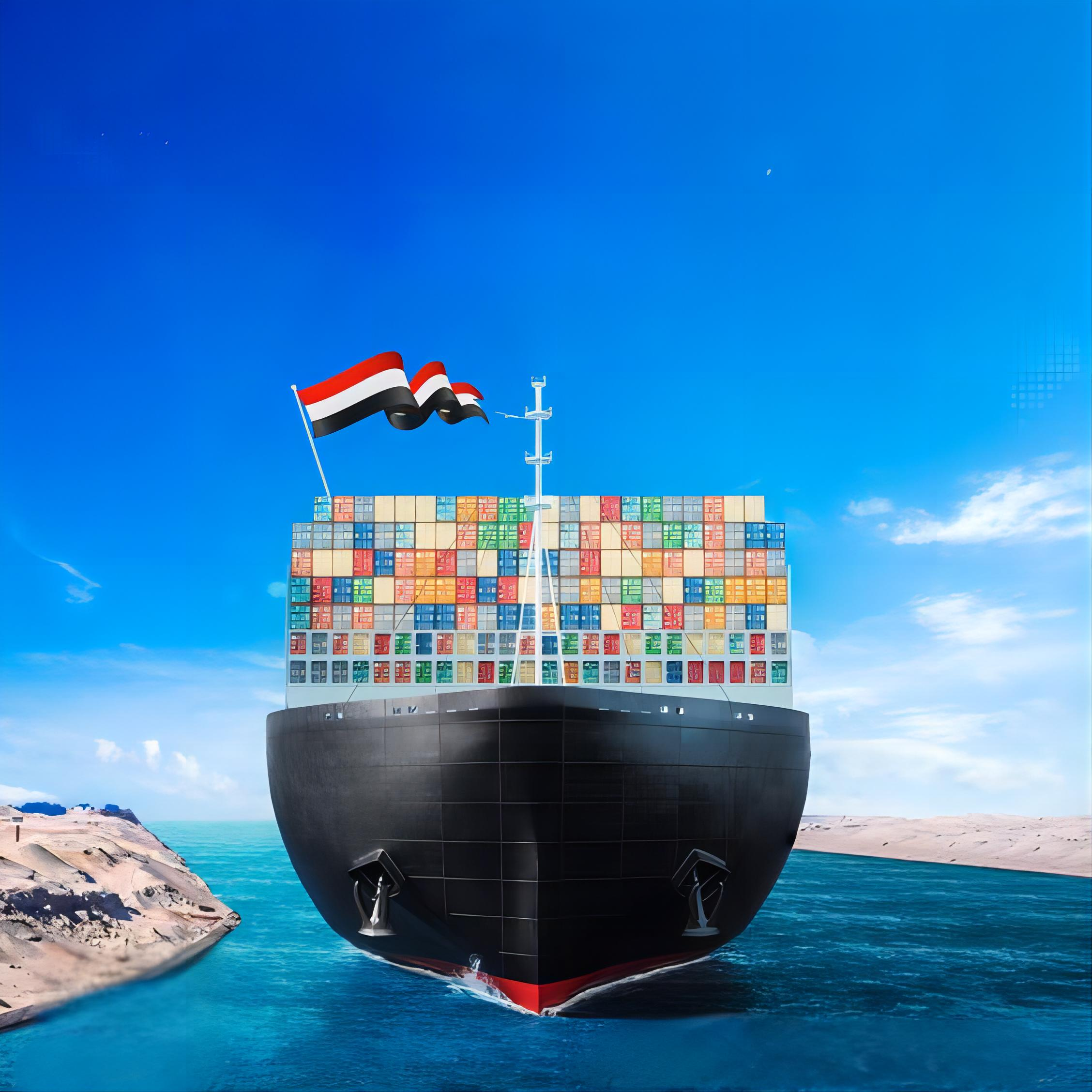
Choosing sea freight remains the most economical choice for the majority of goods moving from Guangzhou to major Australian hubs. Because this method offers the lowest cost per cubic meter, it is ideal for bulky items, machinery, and high-volume consumer products. Moreover, the 2026 maritime market has stabilized, providing more predictable schedules for businesses planning their inventory cycles.
Full Container Load (FCL) shipping provides a dedicated space for your cargo, which minimizes handling and reduces the risk of damage. On the other hand, Less than Container Load (LCL) allows smaller businesses to share container space, making international trade accessible for those with lower stock requirements. Regardless of the volume, sea freight provides a scalable solution that adapts to your specific commercial growth.
Typically, shipments from Guangzhou reach ports like Sydney or Brisbane in approximately 12 to 18 days. However, you must account for origin handling and destination processing when calculating your total lead time. Consequently, many savvy importers schedule their departures at least three weeks before they need the stock on their shelves to ensure a buffer against minor port congestion.
| Destination Port | Average Sea Transit | Total Door-to-Door | Service Frequency |
|---|---|---|---|
| Sydney | 12-15 Days | 22-28 Days | Weekly |
| Melbourne | 14-17 Days | 24-30 Days | Weekly |
| Brisbane | 11-14 Days | 21-26 Days | Bi-Weekly |
| Adelaide | 18-22 Days | 28-35 Days | Weekly |
| Fremantle | 15-19 Days | 25-32 Days | Weekly |
Air Freight: Rapid Delivery for High-Value Goods
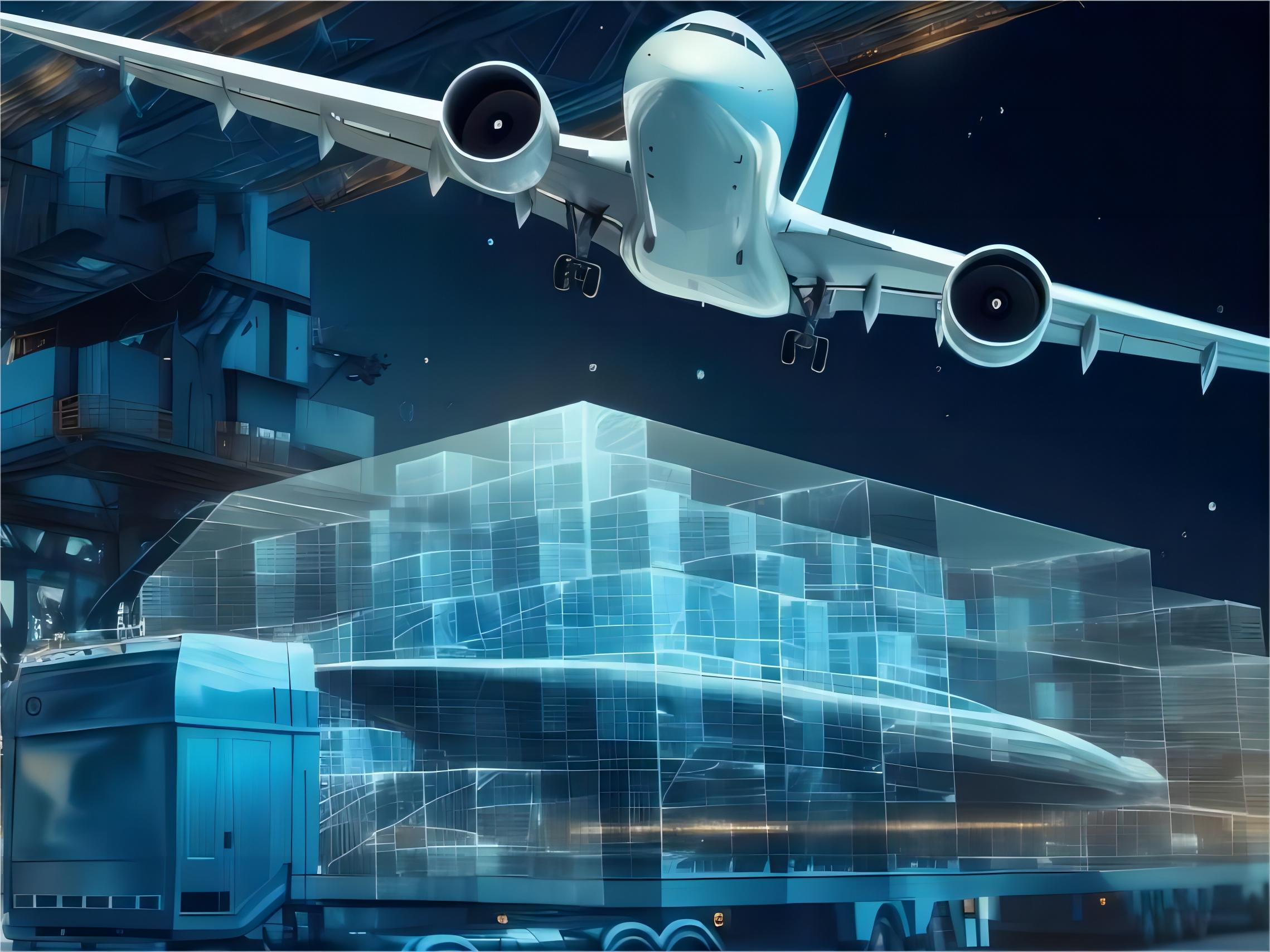
When time is of the essence, air freight offers the fastest connection between the manufacturing hubs of Guangdong and the Australian market. Indeed, this method is indispensable for electronics, fashion samples, and perishable goods that require immediate shelf placement. Furthermore, the reduced transit time significantly lowers the cost of carrying inventory for high-value items.
Standard air cargo services usually take between 3 to 7 days to complete the journey from Guangzhou Baiyun International Airport to major Australian airports. Nevertheless, express options are available for those who need 48-hour delivery for urgent components or medical supplies. While the cost is higher than ocean transport, the speed and security of air travel often justify the investment for critical shipments.
Security is another major benefit of choosing air transport, as cargo undergoes rigorous screening and spends less time in transit. As a result, the risk of theft or environmental damage is substantially lower compared to long-haul sea voyages. Additionally, the simplified handling processes at airports like SYD or MEL allow for faster customs release upon arrival.
How Does Sea Freight Compare to Other Shipping Options?
Analyzing the trade-offs between different logistics modes is essential for making an informed financial decision. While sea freight is the dominant choice for the Guangzhou to Australia route, it is important to note that rail freight is not a viable option for this specific geography. Therefore, your primary comparison will always involve balancing the speed of air against the cost-efficiency of the ocean.
According to industry benchmarks in 2026, sea freight costs approximately 80% less than air freight for equivalent volumes of cargo. However, air freight can save up to 25 days in transit, which might be vital during peak shopping events like Black Friday or Christmas. Consequently, many businesses adopt a hybrid strategy, using sea freight for bulk stock and air freight for emergency replenishments.
In contrast to direct shipping, some importers consider transshipment through hubs like Singapore to reduce costs. While this can save roughly 10% on freight rates, it often adds 5 to 7 days to the total transit time. Without a doubt, the decision depends on whether your priority lies in extreme cost-cutting or maintaining a tight delivery schedule.
| Shipping Method | Cost Range (per kg/CBM) | Transit Time | Best For |
|---|---|---|---|
| Air Freight | $4.50 – $8.50 / kg | 3-7 Days | High-value, Urgent |
| Sea Freight FCL | $800 – $1,800 / Cont. | 12-18 Days | Bulky, High-volume |
| Sea Freight LCL | $50 – $95 / CBM | 15-22 Days | Small-medium batches |
| Express Service | $7.00 – $12.00 / kg | 2-4 Days | Documents, Samples |
| Rail Freight | N/A | Not Available | Not applicable for AU |
Which Option Should You Choose?
Deciding on the best shipping method requires a clear understanding of your budget, timeline, and product characteristics. If your primary goal is budget priority, you should almost always recommend sea freight for any shipment over 100kg. On the other hand, if speed is the priority for a time-sensitive launch, air freight is the only logical choice despite the higher cost.
Cargo type considerations also play a significant role in the decision-making framework. For example, hazardous materials or heavy machinery are often restricted or prohibitively expensive on aircraft. Meanwhile, volume thresholds suggest that once a shipment exceeds 15 CBM, switching from LCL to a full 20GP container becomes more economical due to reduced handling fees and better security.
Hybrid solutions can also be effective for managing large-scale imports in 2026. For instance, you might ship 90% of your inventory via sea and the remaining 10% via air to ensure you have stock available for the initial launch. Indeed, this balanced approach allows you to manage cash flow while meeting immediate customer demand without interruption.
Door to Door Logistics: From Factory to Warehouse
Implementing a door to door service model simplifies the entire international shipping process for Australian businesses. Instead of managing multiple vendors, you work with a single freight forwarder who coordinates the pickup in Guangzhou and the final delivery in Australia. Consequently, this end-to-end visibility reduces communication gaps and ensures a smoother transition through various logistics stages.
This service typically includes inland trucking in China, export documentation, international freight, and local delivery to your Australian warehouse or office. Furthermore, many providers now offer white-glove delivery services for fragile or high-end items, ensuring they are handled with care from start to finish. Because the forwarder manages the entire chain, they can often resolve local transport delays more effectively than an independent importer.
Market data suggests that door-to-door solutions can save up to 15% in hidden administrative costs by consolidating invoices and reducing manual coordination. Additionally, having a single point of contact provides peace of mind, especially when dealing with time-zone differences between Guangdong and Australian states. Ultimately, this comprehensive approach allows you to focus on sales and marketing rather than logistics minutiae.
Customs Brokerage and Compliance Essentials
Navigating the legal requirements of the Australian Border Force is often the most challenging aspect of importing. Therefore, utilizing a professional Customs Brokerage service is essential for ensuring your goods pass through the border without unnecessary delays. In 2026, digital customs filing has become the standard, requiring precise data entry and valid documentation for every shipment.
Importers must be aware of specific Australian biosecurity requirements, which are among the strictest in the world. For example, any wooden packaging must be treated and certified to prevent the introduction of pests. Moreover, certain products may require specific permits or meet mandatory safety standards before they can be legally sold in the Australian market.
Failing to comply with these regulations can lead to your cargo being held, treated, or even destroyed at your expense. To avoid this, your freight forwarder will review your commercial invoice, packing list, and certificate of origin before the ship leaves Guangzhou. Consequently, this proactive verification ensures that all duties and taxes are calculated correctly, preventing financial surprises upon arrival.
| Document Type | Purpose | Required For | Provider |
|---|---|---|---|
| Commercial Invoice | Value & Duty Assessment | All Shipments | Seller |
| Packing List | Content Verification | All Shipments | Seller |
| Bill of Lading | Title & Transport Contract | Sea Freight | Carrier |
| COO | Preferential Tariff Claims | ChAFTA Benefits | Manufacturer |
| Packing Declaration | Biosecurity Compliance | Sea Freight | Forwarder |

Realistic Case Studies for Guangzhou-Australia Routes
Reviewing real-world examples helps importers understand the practical application of different shipping strategies. These cases reflect typical market rates and transit times as of early 2026, providing a benchmark for your own logistics planning. Without a doubt, seeing the total landed cost breakdown is the best way to prepare for the financial realities of international trade.
Case Study 1: Furniture Import to Melbourne. Origin: Guangzhou. Destination: Melbourne. Cargo: 15 CBM of home furniture. Method: Sea Freight LCL. Ocean Freight: $950. Origin Charges: $250. Destination Charges: $450. Customs & Duties: $1,200. Total Landed Cost: $2,850. Transit Time: 26 days door-to-door. Key Insight: Using LCL saved the client $600 compared to a half-empty 20GP container.
Case Study 2: Electronics to Sydney. Origin: Guangzhou. Destination: Sydney. Cargo: 500kg of consumer electronics. Method: Air Freight. Air Freight: $2,750. Origin Charges: $150. Destination Charges: $300. Customs & Duties: $3,500. Total Landed Cost: $6,700. Transit Time: 5 days door-to-door. Key Insight: Rapid transit allowed the client to meet a product launch deadline that would have been missed by sea.
Cost-Saving Strategies for Importing to Australia
Reducing your logistics spend in 2026 requires a combination of smart planning and strategic consolidation. For instance, consolidating multiple small orders from different Guangzhou suppliers into a single LCL or FCL shipment can drastically reduce your per-unit shipping cost. Furthermore, optimizing your packaging to minimize dead space ensures you are not paying to ship air across the ocean.
Another effective strategy is to leverage the China-Australia Free Trade Agreement (ChAFTA) to reduce or eliminate import duties. By ensuring your manufacturer provides a valid Certificate of Origin, you can often claim preferential tariff rates that significantly lower your total landed cost. Additionally, booking your shipments at least two weeks in advance can help you avoid last-minute premium rates during peak periods.
Note: Freight rates are subject to change based on fuel costs, carrier capacity, and seasonal demand. Contact us for a current quote tailored to your specific shipment. Industry average for this route suggests that rates typically increase by 15-25% during the August to October peak season, so plan your high-volume imports accordingly.
Mastering Your Logistics from Guangzhou to Australia
Successfully navigating the route from Guangzhou to Australia requires a balance of speed, cost, and compliance. By choosing the right freight forwarder guangzhou to australia, you gain a partner who understands the nuances of 2026 trade regulations and maritime trends. Whether you prioritize the speed of air freight or the economy of sea freight, your logistics strategy should always align with your broader business objectives.
In summary, focus on early planning, meticulous documentation, and strategic consolidation to maximize your profit margins. As trade continues to flourish, staying informed about market shifts and leveraging expert brokerage services will ensure your business remains competitive. Ultimately, a well-managed supply chain is the foundation of a successful international enterprise.
Need a tailored shipping solution?
Ready to streamline your logistics and reduce your shipping costs? Contact Top China Cargo today for a personalized quote from a leading freight forwarder guangzhou to australia. Visit our website to learn more about our comprehensive shipping solutions tailored for the Australian market.