


Amazon FBA Shipping China to Sydney: 2026 Logistics Guide
Navigating the complexities of Amazon FBA shipping China to Sydney requires a strategic approach to ensure your inventory reaches fulfillment centers efficiently. At Top China Cargo, we specialize in streamlining the logistics process for international sellers looking to scale their business in Australia. Consequently, understanding the latest market trends for 2026 is essential for maintaining a competitive edge and avoiding unnecessary delays in your supply chain. This guide provides a comprehensive overview of costs, methods, and compliance requirements for the current shipping season.
How Does Sea Freight Compare to Other Shipping Options?
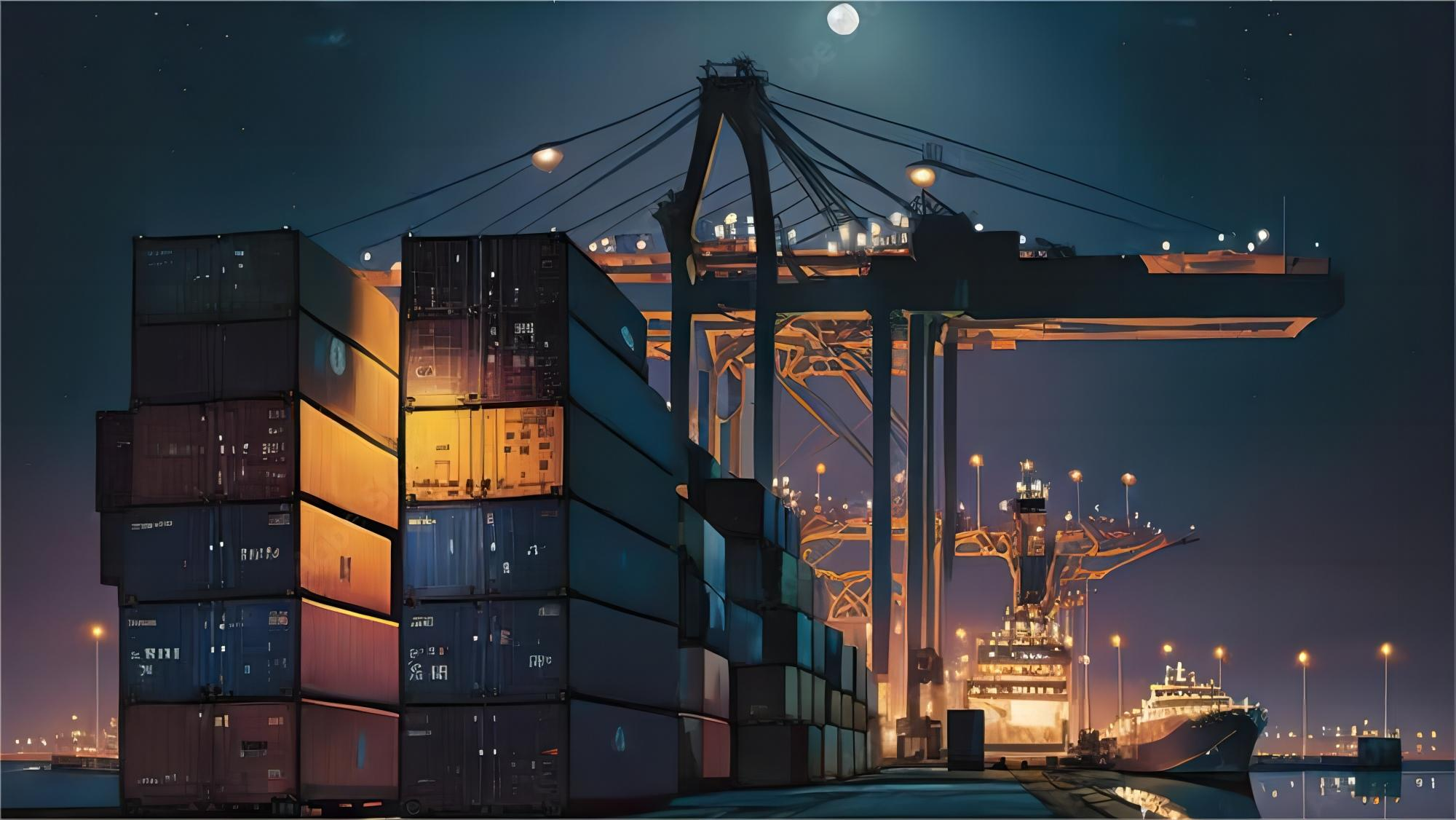
Evaluating the most cost-effective way to move goods involves comparing sea freight against air and express alternatives for the China to Sydney corridor. Indeed, sea freight remains the primary choice for bulk inventory due to its significantly lower price point compared to air transport. For instance, shipping a full container often costs a fraction of the price per kilogram when compared to smaller air shipments.
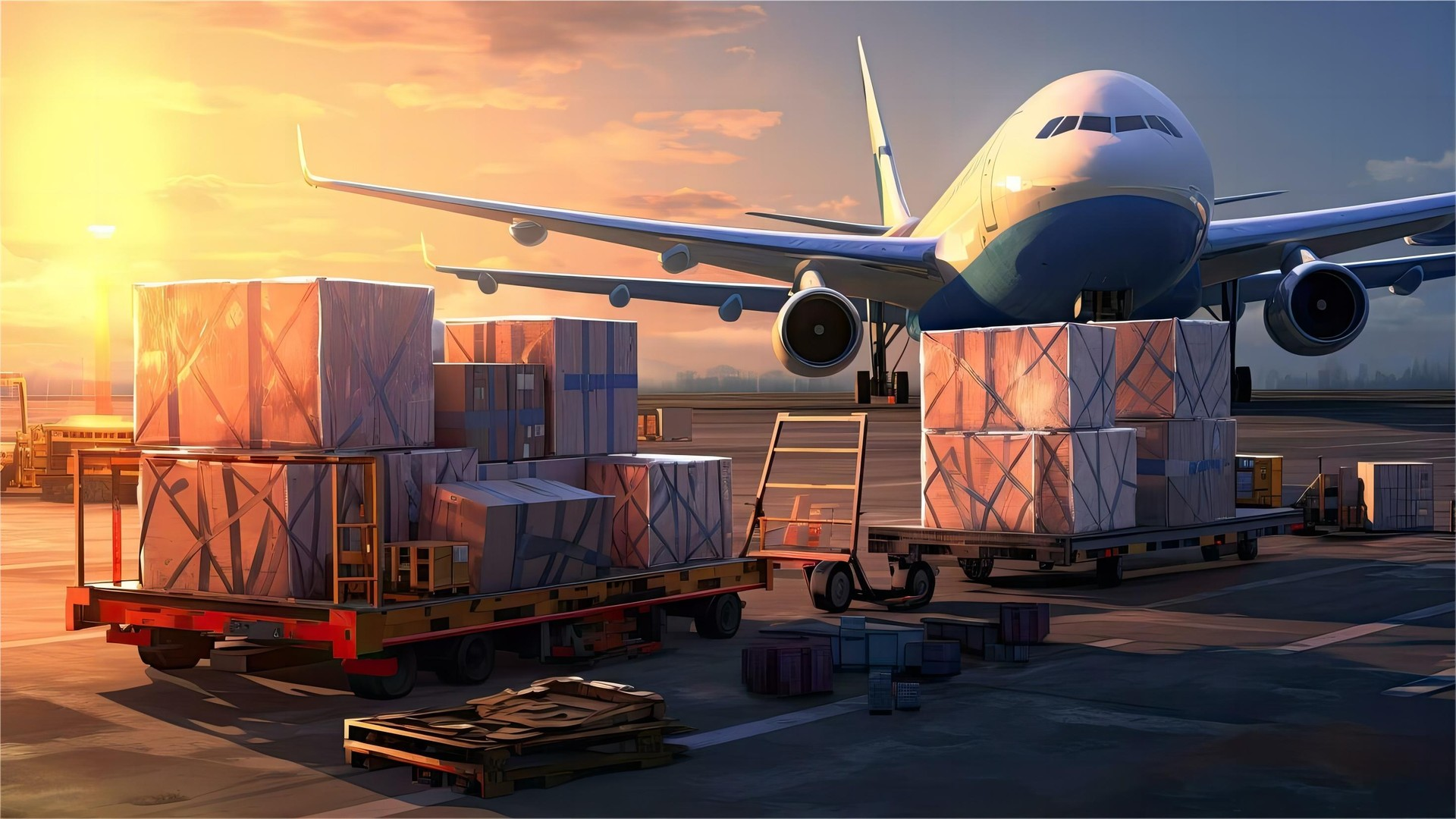
Moreover, the capacity for large volumes makes sea freight indispensable for seasonal inventory planning. However, sellers must account for longer transit times which can impact stock levels if not managed carefully. In contrast, air freight offers speed but comes with a premium price tag that can erode profit margins on low-value items.
Furthermore, as of Q1 2026, sea freight rates have stabilized following the fluctuations of previous years. Typical rates for a 20GP container currently range from 800 to 1200 dollars depending on the specific port of loading. Therefore, planning shipments at least six weeks in advance is recommended to secure space and favorable rates.
| Shipping Method | Cost Range | Transit Time | Best For |
|---|---|---|---|
| Sea Freight (FCL) | $800 – $2,000 | 12-18 Days | Bulk Inventory |
| Sea Freight (LCL) | $50 – $120/CBM | 18-25 Days | Medium Shipments |
| Air Freight | $3.50 – $6.50/kg | 3-7 Days | Urgent Restocks |
| Express Service | $6.00 – $9.00/kg | 2-4 Days | Small Samples |
Which Option Should You Choose?
Budget priority usually dictates a move toward sea freight, especially for shipments exceeding 500 kilograms. Meanwhile, speed priority necessitates air freight for urgent restocks or high-value electronics that require rapid turnover. Cargo type also plays a role, as hazardous materials or oversized items may be restricted or prohibitively expensive on aircraft.
Volume thresholds for switching methods typically occur around the 200-kilogram mark. Below this weight, express services might be more economical due to simplified handling. Above this weight, the cost savings of sea freight become too significant to ignore for most Amazon sellers.
Utilizing Air Freight for Rapid Amazon FBA Inventory Replenishment
Speed is often the most critical factor for sellers facing stockouts on popular items. Consequently, air freight provides a reliable solution to bridge the gap between production and delivery. Without a doubt, the ability to move goods from Shenzhen to Sydney in under a week allows for much tighter inventory control.
Additionally, air transport reduces the risk of damage for fragile goods due to less handling compared to sea voyages. Although the costs are higher, the reduction in lead time can prevent the loss of Amazon buy-box rankings. For example, a shipment of high-demand accessories can be processed and live on the site within 10 days of leaving the factory.
Nevertheless, sellers should be aware of dimensional weight pricing which can significantly increase costs for bulky but light items. In addition, peak seasons like the lead-up to Christmas often see air rates spike by 20 to 30 percent. Accordingly, booking your air cargo space at least two weeks in advance during Q4 is a prudent strategy.
Navigating Customs Brokerage and Compliance in Australia
Importing goods into Sydney requires strict adherence to Australian Border Force regulations and biosecurity standards. Therefore, engaging a professional customs brokerage service is vital to avoid costly delays or seizures. For instance, misclassifying goods under the Harmonized System codes can lead to heavy fines and increased inspection fees.
Moreover, all shipments valued over 1,000 Australian dollars are subject to Goods and Services Tax and potential import duties. Consequently, having your paperwork in order, including the commercial invoice and packing list, is non-negotiable. Meanwhile, specific items like wood products or organic materials may require additional quarantine permits.
Indeed, the 2026 regulatory environment has placed a greater emphasis on supply chain transparency and ethical sourcing. As a result, ensuring your suppliers provide accurate documentation is more important than ever. To summarize, proactive compliance management is the best way to ensure a smooth transition through the Port of Sydney.
| Document Name | Purpose | Required For | Issuer |
|---|---|---|---|
| Commercial Invoice | Valuation/Duty | All Shipments | Supplier |
| Packing List | Cargo Verification | All Shipments | Supplier |
| Bill of Lading | Title of Goods | Sea Freight | Carrier |
| Packing Declaration | Biosecurity | Sea Containers | Supplier |
Comprehensive Case Studies for Amazon FBA Shipping China to Sydney
Real-world examples provide clarity on the actual costs and timelines involved in the logistics process. These scenarios reflect typical market conditions observed in early 2026. Note: Freight rates are subject to change based on fuel costs, carrier capacity, and seasonal demand. Contact us for a current quote tailored to your specific shipment.
Case Study 1: Consumer Electronics from Shenzhen. Route: Shenzhen to Sydney. Cargo: 1,200kg of smart home devices. Method: Sea Freight FCL 20GP. Carrier: COSCO. Ocean Freight: $950. Origin Charges: $250. Destination Charges: $400. Customs and Duties: $1,100. Total Landed Cost: $2,700. Sea Transit: 14 days. Total Door-to-Door: 22 days. Key Insight: Choosing a direct route saved 5 days compared to transshipment.
Case Study 2: Apparel and Textiles from Ningbo. Route: Ningbo to Sydney. Cargo: 4.5 CBM of fitness wear. Method: Sea Freight LCL. Port of Loading: Ningbo. Port of Discharge: Sydney. Ocean Freight: $360. Origin Charges: $180. Destination Charges: $320. Customs and Duties: $650. Total Landed Cost: $1,510. Sea Transit: 18 days. Total Door-to-Door: 28 days. Key Insight: LCL was the most economical choice for this volume.
Moreover, our Amazon FBA specialized service ensures that these shipments are labeled and palletized according to Amazon strict requirements before they reach the Sydney fulfillment center. This prevents rejection at the warehouse dock and ensures faster inventory check-in times.
Strategic Cost-Saving Measures for Australian Sellers
Reducing your landed cost is essential for maintaining healthy margins in the competitive Amazon marketplace. For example, consolidating multiple smaller orders into a single LCL or FCL shipment can significantly reduce per-unit shipping costs. Additionally, optimizing your packaging to reduce dead space will lower both shipping fees and Amazon storage costs.
Furthermore, shipping to the port closest to your designated FBA warehouse is a smart move. Since most Australian FBA centers are near major cities, shipping from China to Australia via the Port of Sydney is usually the most efficient route for NSW-based warehouses. Consequently, inland trucking costs are minimized, and delivery speed is maximized.
On the other hand, avoiding peak shipping windows can save you hundreds of dollars per shipment. For instance, rates typically increase 15-25% during the August to October period. Therefore, if your products are not time-sensitive, shipping during the off-peak months of March through May can provide substantial savings.

Logistics Trends and Market Intelligence for 2026
As of Q1 2026, the logistics landscape between China and Australia has entered a period of relative stability. Nevertheless, industry benchmarks suggest that fuel surcharges remain a variable factor that sellers must monitor. Meanwhile, the integration of AI-driven tracking systems has improved visibility for door-to-door shipments.
Indeed, many carriers are now offering carbon-neutral shipping options as sustainability becomes a priority for Australian consumers. Consequently, adopting green logistics practices may provide a marketing advantage for your Amazon brand. In contrast, traditional methods remain available for those focused purely on the lowest possible price point.
Market data suggests that port efficiency in Sydney has improved by 10% compared to last year. As a result, the average time for customs clearance and container de-vanning has decreased. This trend is expected to continue throughout 2026, making the Sydney route one of the most reliable for Amazon sellers.
Final Thoughts on Amazon FBA Shipping China to Sydney
To summarize, successfully managing Amazon FBA shipping China to Sydney requires a balance of speed, cost, and compliance. By choosing the right shipping method and staying informed about 2026 market trends, you can ensure your products are always in stock and ready for Australian customers. Remember to account for all landed costs, including duties and taxes, to maintain accurate profit projections.
Furthermore, working with a reliable freight forwarder can alleviate the stress of customs and last-mile delivery. Whether you choose sea or air, the key is proactive planning and clear communication with your logistics partners. Start your journey today to build a resilient and profitable Amazon business in Australia.
Need a tailored shipping solution?
Optimize your Amazon FBA shipping China to Sydney by partnering with experts who understand the Australian market. Contact Top China Cargo today for a personalized quote and professional guidance on your next shipment. Visit our website to start your inquiry and secure the best rates for the 2026 season. Send Inquiry: Visit topchinacargo.com