


Sea Freight China to Sydney: 2026 Rates, Transit Times, and Logistics Guide
Managing sea freight China to Sydney requires a strategic approach to balance cost efficiency and delivery speed. Many importers face challenges with fluctuating container rates and complex biosecurity regulations, but Top China Cargo provides the expertise needed to navigate these waters smoothly. This comprehensive guide explores current market trends, pricing structures, and transit schedules to help you optimize your 2026 supply chain operations.

How Does Sea Freight China to Sydney Compare to Other Shipping Options?
Choosing the right transport mode is the most critical decision for any importer moving goods from East Asia to Australia. While air transport offers speed, sea freight remains the backbone of international trade due to its massive capacity and lower environmental impact. Consequently, businesses must weigh the trade-offs between cost and urgency when planning their inventory cycles.
Specifically, the route from China to Sydney is well-served by major ocean carriers, making it one of the most competitive lanes in the Southern Hemisphere. In contrast, air freight is typically reserved for high-value electronics or urgent medical supplies where the cost per kilogram is less of a concern than the arrival date. Furthermore, it is important to note that rail freight is not a viable option for this specific route due to the geographic separation of the continents.
To help you decide, we have analyzed the primary shipping methods available for the 2026 market. Each method serves a specific business need depending on the volume of cargo and the required delivery window.
| Shipping Method | Cost Range | Transit Time | Best For | Limitations |
|---|---|---|---|---|
| Sea Freight (FCL) | $1,200 – $2,200 | 12-20 Days | Bulk goods / Large volume | Slower than air |
| Sea Freight (LCL) | $80 – $150 / CBM | 18-25 Days | Small business inventory | Higher risk of damage |
| Air Freight | $4.50 – $8.00 / kg | 3-7 Days | Urgent / Perishables | Very expensive |
| Express Courier | $8.00 – $12.00 / kg | 2-5 Days | Samples / Documents | Strict weight limits |
What Are the Current Sea Freight China to Sydney Rates for 2026?
Understanding the pricing landscape for sea freight is essential for accurate budgeting and landed cost calculations. As of early 2026, ocean freight rates have stabilized following the global logistics adjustments of previous years. However, seasonal peaks such as the lead-up to the Chinese New Year still cause temporary price surges that savvy importers should anticipate.
Moreover, the total cost of your shipment involves more than just the ocean freight rate. You must also account for port handling charges, documentation fees, and local delivery costs at the destination. Additionally, fuel surcharges known as BAF (Bunker Adjustment Factor) can fluctuate monthly based on global energy prices.
Typical rates for a standard 20-foot container from major hubs like Shanghai or Shenzhen to Port Botany in Sydney currently range between $800 and $1,300 for the base freight. Meanwhile, 40-foot high cube containers, which offer double the volume, often cost only 40% to 60% more than the smaller units. Therefore, consolidating goods into larger containers is often a superior strategy for cost-saving.
| Origin Port | 20GP Container | 40HQ Container | Transit Time | |
|---|---|---|---|---|
| Shanghai | $950 – $1,250 | 1,600 – $1,950 | 14-16 Days | Direct |
| Shenzhen | $850 – $1,150 | 1,500 – $1,850 | 12-14 Days | Direct |
| Ningbo | $900 – $1,200 | 1,550 – $1,900 | 15-18 Days | Direct |
| Qingdao | $1,100 – $1,400 | 1,800 – $2,200 | 18-22 Days | Transshipment |
Estimated Container Pricing by Port
Different ports in China offer varying rate structures based on carrier competition and local infrastructure. For instance, shipping from Ningbo or Shanghai often provides the most frequent sailings and competitive pricing. On the other hand, shipping from inland or northern ports like Tianjin may involve higher feeder vessel costs.

How Long Does the Transit Take from China to Sydney?
The transit time for sea freight China to Sydney is among the fastest international routes for Australian importers. Specifically, direct services from Southern China ports can reach Sydney in as little as 12 days under optimal weather conditions. Nevertheless, you must factor in the time required for booking, container loading, and origin export formalities.
Consequently, the total door-to-door timeline is usually longer than the port-to-port ocean transit. For example, a shipment might spend 3 days at the origin port for loading and 4 days at the destination for customs clearance and final delivery. Indeed, choosing a reliable customs brokerage service is the best way to ensure your cargo does not sit idle at the terminal.
Weather patterns in the South China Sea and the Pacific also play a significant role in schedule reliability. During the cyclone season, vessels may take longer routes or experience delays at transshipment hubs like Singapore. Accordingly, we recommend adding a buffer of 3-5 days to your supply chain planning to account for these unpredictable variables.
Which Option Should You Choose: FCL or LCL?
Deciding between Full Container Load (FCL) and Less than Container Load (LCL) depends primarily on your cargo volume and budget. If you are shipping more than 15 cubic meters (CBM), FCL is almost always the more economical and secure choice. This is because you pay for the entire container, which reduces handling risks and simplifies the logistics process.
In contrast, LCL allows you to share container space with other shippers, which is ideal for smaller businesses or trial orders. However, LCL shipments require consolidation at the origin and deconsolidation at the destination, which adds to the transit time. Furthermore, the risk of cargo damage is slightly higher in LCL because your goods are handled more frequently alongside other shipments.
For those managing e-commerce operations, Amazon FBA shipping often utilizes a mix of both methods depending on the season. During peak shopping periods, FCL is preferred to ensure stock levels remain stable. Meanwhile, LCL is used for smaller restocks to maintain a lean inventory model.
What Documents Are Required for Australian Customs?
Australia has some of the strictest customs and biosecurity regulations in the world, making documentation accuracy paramount. Failure to provide correct paperwork can lead to expensive storage fees, quarantine inspections, or even the destruction of your goods. Therefore, you should work closely with your supplier to ensure every detail matches the physical cargo.
Additionally, the China-Australia Free Trade Agreement (ChAFTA) provides significant duty concessions for many product categories. To benefit from these lower rates, you must provide a valid Certificate of Origin (COO) that meets Australian standards. Without this document, you may be forced to pay the standard 5 percent duty rate on your imports.
The following checklist outlines the essential documents required for a smooth entry into the Sydney market. Ensure these are prepared and sent to your freight forwarder well before the vessel arrives at Port Botany.
| Document Name | Required By | Key Details Included | Criticality |
|---|---|---|---|
| Commercial Invoice | Customs / ATO | Value, Currency, Terms | Mandatory |
| Packing List | Port / Quarantine | Weight, Dimensions, Units | Mandatory |
| Bill of Lading | Carrier / Customs | Ownership, Route | Mandatory |
| Packing Declaration | Biosecurity (DAFF) | Timber/Straw packing info | Mandatory |
Why Is Door to Door Delivery Essential for Your Business?
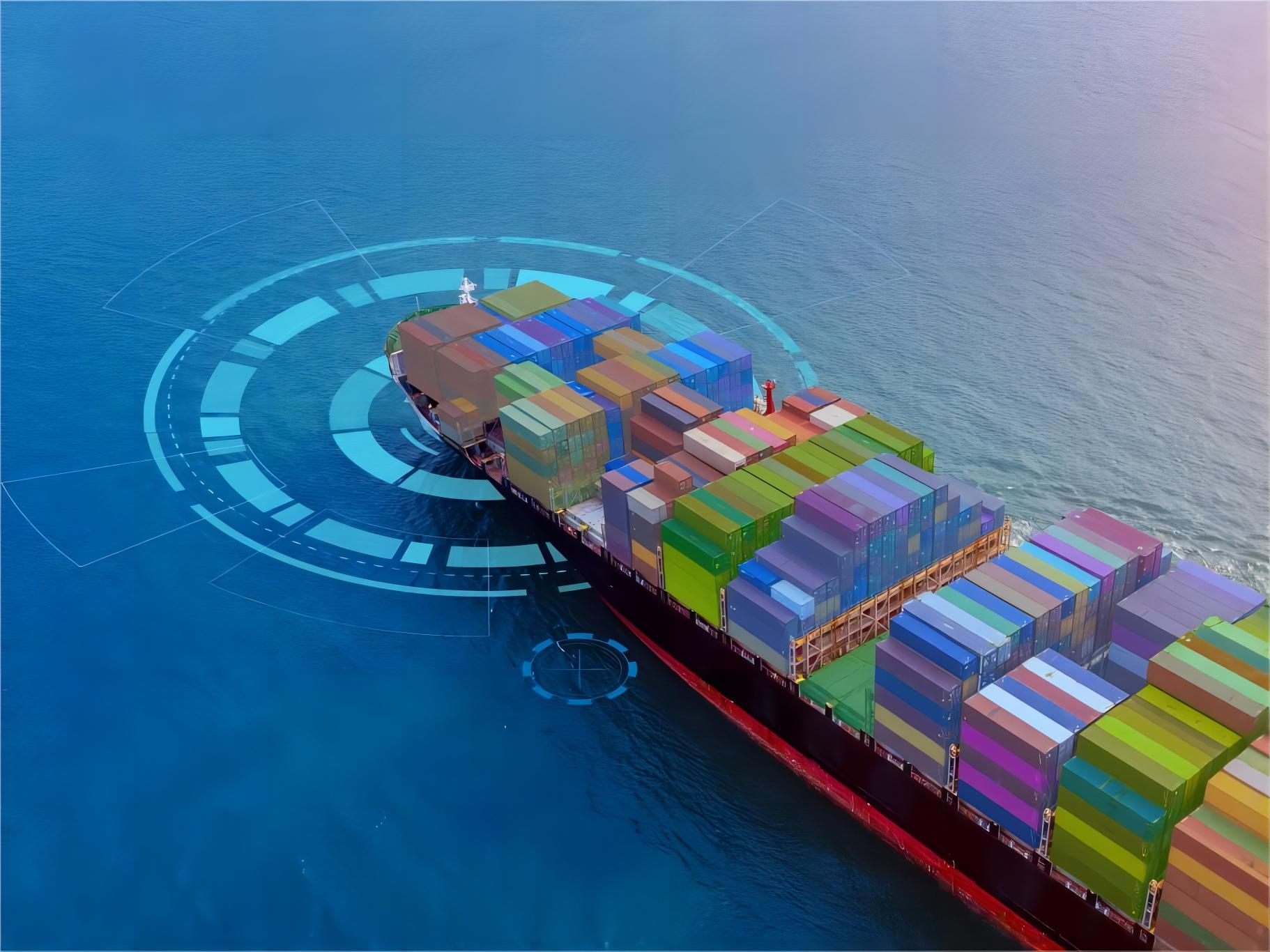
Modern logistics is moving away from port-to-port services toward integrated door to door solutions. This model simplifies the process by providing a single point of contact for the entire journey from the factory in China to your warehouse in Sydney. Consequently, business owners can focus on sales and marketing rather than managing multiple logistics providers.
Moreover, a door-to-door service includes the final mile delivery, which is often the most complex part of the shipment. Sydney traffic and specific delivery requirements, such as tail-lift trucks for residential areas, must be coordinated carefully. By using a comprehensive service, you ensure that these local details are handled by professionals who understand the Sydney metropolitan area.
Typical door-to-door services also include cargo insurance, which provides peace of mind against potential maritime disasters or theft. Although sea freight is generally safe, the investment in insurance is minimal compared to the potential loss of an entire container of inventory. Indeed, most successful importers view insurance as a non-negotiable part of their shipping strategy.
Real Case Studies: Successful Shipments to Sydney
To illustrate how these logistics principles work in practice, we have compiled two recent case studies from our 2026 operations. These examples highlight the costs and timelines associated with different cargo types and shipping methods.
Case Study 1: Solar Panel Distribution to Western Sydney Route: Shanghai, China to Sydney, Australia Cargo: Grade A Solar Panels, 65 CBM, 18,500 kg Container: 1 x 40HQ (FCL) Shipping Details: – Carrier/Service: COSCO Direct – Port of Loading: Shanghai – Port of Discharge: Sydney (Port Botany) – Route Type: Direct Cost Breakdown: – Ocean Freight: $1,850 – Origin Charges: $320 – Destination Charges: $550 – Customs and Duties: $0 (ChAFTA applied) – Total Landed Cost: $2,720 Timeline: – Booking to Loading: 4 days – Sea Transit: 15 days – Customs Clearance: 2 days – Total Door-to-Door: 21 days Key Insight: Using a 40HQ container maximized the volume efficiency, reducing the per-unit shipping cost significantly.
Case Study 2: Boutique Furniture for Retailer Route: Guangzhou, China to Sydney, Australia Cargo: Handcrafted Chairs, 6 CBM, 1,200 kg Container: LCL Service Shipping Details: – Carrier/Service: Major Consolidator – Port of Loading: Guangzhou (Nansha) – Port of Discharge: Sydney – Route Type: Transshipment via Singapore Cost Breakdown: – Ocean Freight: $540 ($90/CBM) – Origin Charges: $180 – Destination Charges: $420 – Customs and Duties: $650 (Estimated) – Total Landed Cost: $1,790 Timeline: – Booking to Loading: 6 days – Sea Transit: 22 days – Customs Clearance: 3 days – Total Door-to-Door: 31 days Key Insight: LCL allowed the boutique owner to maintain stock without the expense of a full container, despite the longer transit time.
Which Shipping Option Should You Choose?
Selecting the optimal strategy for Australia bound cargo requires a clear understanding of your business priorities. If your primary goal is cost reduction and you have a consistent volume of goods, FCL sea freight is the undisputed winner. This method provides the lowest cost per unit and the highest level of security for your inventory.
However, if you are a startup or testing new product lines, LCL offers the flexibility to ship smaller quantities without heavy financial commitments. In contrast, if you are facing a stock-out situation and need goods immediately, air freight is the only viable solution despite the high cost. Therefore, many successful businesses use a hybrid model, shipping the bulk of their goods by sea while using air freight for urgent refills.
Finally, always consider the nature of your cargo. Fragile or hazardous materials may require specialized handling or specific container types like reefers or open-tops. Consulting with a logistics expert before making your final decision will help you avoid costly mistakes and ensure your goods arrive in perfect condition.
Mastering Your Sea Freight Strategy
Navigating the complexities of sea freight China to Sydney is a vital skill for any business involved in international trade. By understanding the differences between FCL and LCL, staying updated on 2026 market rates, and ensuring all customs documentation is accurate, you can build a resilient supply chain.
Remember that the cheapest option is not always the most cost-effective in the long run if it leads to delays or damage. Focus on reliability and partner with experienced logistics providers to ensure your business remains competitive in the Australian market. With the right approach, ocean freight will continue to be your most powerful tool for global expansion.

Start Your Shipment
Streamline your logistics today with a customized quote for sea freight China to Sydney. Our team is ready to help you optimize your 2026 shipping strategy for maximum efficiency. Visit Top China Cargo and request your free freight analysis now.
Request Quote