

Cargo Shipping China to Australia Cost Estimate: 2026 Guide
“Navigating the complexities of international trade requires a precise cargo shipping china to Australia cost estimate to maintain healthy profit margins and operational efficiency. As we move through 2026, global supply chains continue to evolve, making it essential for importers to understand current pricing structures and logistics trends. Partnering with a reliable freight forwarder like Top China Cargo ensures that your goods move seamlessly across the ocean while keeping your overheads predictable. This comprehensive guide breaks down the essential costs, transit times, and strategic considerations for shipping from China to major Australian ports such as Sydney, Melbourne, and Brisbane.”
What Primary Factors Influence Your Cargo Shipping China to Australia Cost Estimate?
❖Determining a reliable cargo shipping china to Australia cost estimate involves analyzing several volatile variables that fluctuate based on market demand. Fuel prices, often referred to as the Bunker Adjustment Factor, remain one of the most significant contributors to total freight expenses in 2026. Furthermore, seasonal peaks such as the period leading up to the Lunar New Year or the Australian Christmas shopping season can cause rates to spike by 20 percent or more. Consequently, planning your shipments well in advance is a vital strategy for cost containment.
Port congestion and labor availability also play a critical role in determining the final price you pay for logistics services. Meanwhile, currency exchange rates between the US Dollar, Chinese Yuan, and Australian Dollar can impact the landed cost of your goods significantly. Therefore, it is important to monitor these economic indicators when budgeting for your annual imports. Additionally, the specific nature of your cargo, including its weight, volume, and classification, will dictate which shipping method is the most economical for your business model.
Market intelligence suggests that container availability in major Chinese hubs like Ningbo and Shenzhen has stabilized in early 2026. However, localized disruptions can still lead to temporary surcharges that importers must account for in their financial projections. Indeed, staying informed about regional logistics trends is the best way to avoid unexpected expenses during the shipping process.
How Much Does a 20ft vs 40ft Container Cost in 2026?
❖Full Container Load (FCL) shipping remains the gold standard for businesses moving large volumes of inventory from China to Australia. For those seeking a sea freight solution, the choice between a 20GP and a 40HQ container depends largely on the volume and weight of the products. According to current market rates, a 20ft container typically costs between 800 and 1,200 USD, while a 40ft high cube container ranges from 1,400 to 2,000 USD.
Moreover, these prices represent the ocean freight component and do not include local port charges or delivery fees at the destination. As a result, importers should always request a comprehensive quote that includes all line items to avoid hidden costs. For shipments that do not fill an entire container, Less than Container Load (LCL) options are available, typically priced per cubic meter.
Typical rates as of early 2026 for major routes are summarized in the following table to help you visualize the current price landscape.
| Container Type | Average Cost (USD) | Capacity (CBM) | Best For |
|---|---|---|---|
| 20GP Container | 800 – 1,200 | 33 CBM | Heavy or compact goods |
| 40GP Container | 1,200 – 1,800 | 67 CBM | Standard bulk cargo |
| 40HQ Container | 1,400 – 2,000 | 76 CBM | Lightweight, high volume |
| LCL (Per CBM) | 50 – 90 | 1 – 15 CBM | Small business orders |
Is Air Freight a Viable Alternative for Your Australian Shipments?
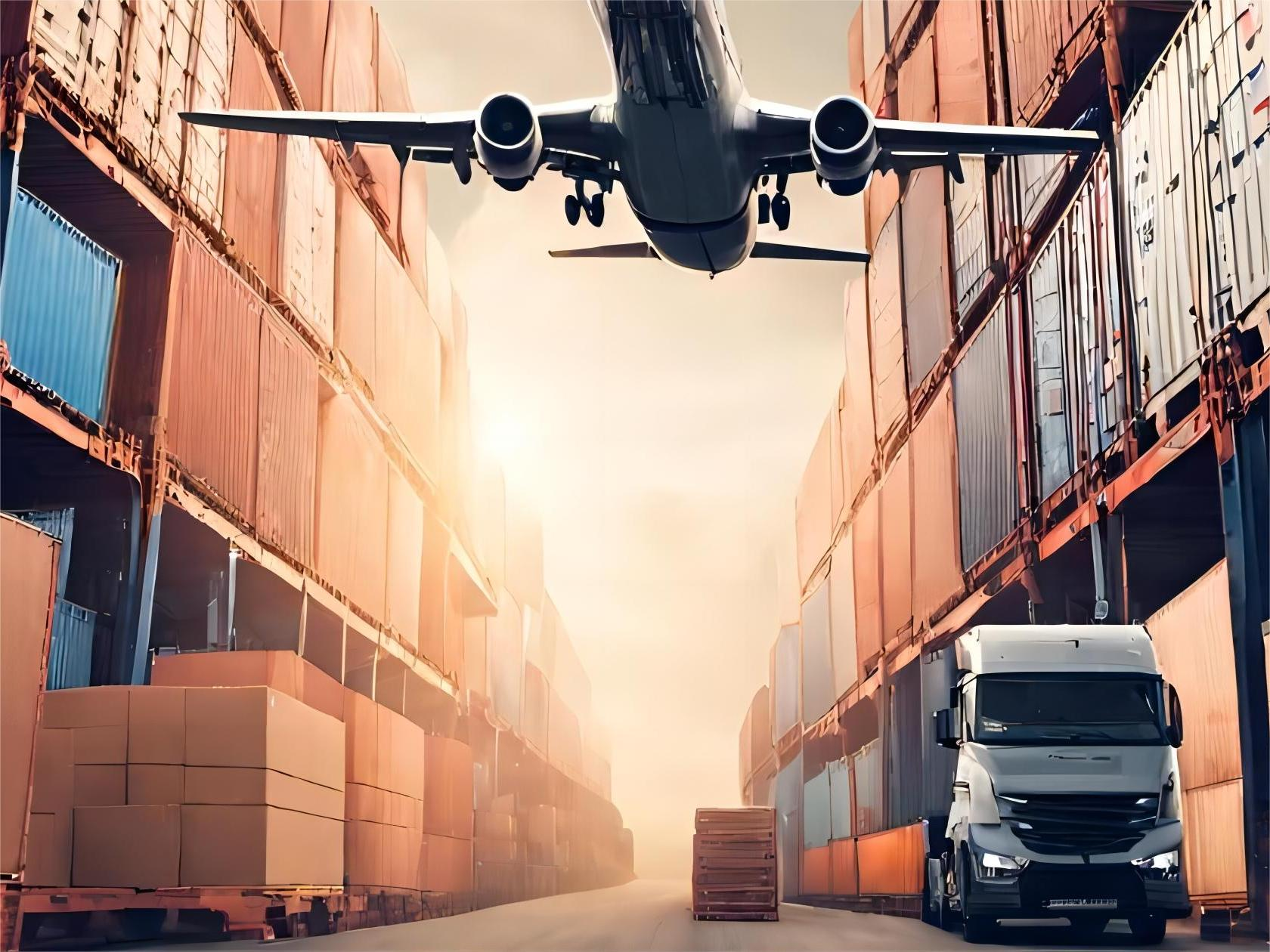
❖When speed is the highest priority, air freight offers a significantly faster transit time compared to maritime routes. While the cargo shipping china to Australia cost estimate for air transport is substantially higher, it is often justified for high-value electronics or urgent medical supplies. For instance, air shipments usually arrive within 3 to 7 days, whereas sea freight can take up to 25 days depending on the port of discharge.
Furthermore, air cargo pricing is calculated based on either actual weight or volumetric weight, whichever is greater. Consequently, bulky but light items can be surprisingly expensive to ship via plane. On the other hand, the reduced transit time can lead to lower inventory holding costs and faster capital turnover for your business.
Industry average for this route suggests that air freight costs in 2026 range from 4.50 to 8.00 USD per kilogram for standard shipments. Nevertheless, these rates are subject to change based on jet fuel surcharges and airline capacity during peak demand periods.
How Does Sea Freight Compare to Other Shipping Options?
❖Choosing the right shipping method requires a careful balance between budget constraints and delivery requirements. While sea freight is the most cost-effective for large volumes, it lacks the agility of air or express services. In contrast, express services provide the fastest possible delivery but come at a premium price point that may not be sustainable for low-margin products.
Additionally, it is important to note that rail freight is not a viable option for the China-Australia route due to geographical constraints. Therefore, the primary comparison remains between different speeds of ocean transport and air solutions. Hybrid solutions, such as sea-air combinations via transshipment hubs, can sometimes offer a middle ground in terms of both cost and speed.
To help you decide, we have compiled a comparison of the most common shipping methods used for the China to Australia trade lane in 2026.
| Shipping Method | Cost Range | Transit Time | Best For |
|---|---|---|---|
| Sea Freight (FCL) | Low (1,200-2,000 per 40HQ) | 14 – 25 Days | Bulk inventory |
| Sea Freight (LCL) | Medium (50-90 per CBM) | 18 – 30 Days | Small pallets |
| Air Freight | High (4.50-8.00 per kg) | 3 – 7 Days | Urgent/High-value |
| Express Service | Very High (8.00+ per kg) | 2 – 5 Days | Samples/Documents |
Which Shipping Option Should You Choose for Your Business?
❖Deciding on the best logistics strategy depends on your specific business needs and the nature of your products. If your priority is budget and you are moving more than 15 cubic meters of goods, FCL sea freight is almost always the best recommendation. Conversely, for smaller shipments under 1 cubic meter, express couriers might offer better value when considering the total door-to-door effort.
Volume thresholds are a critical consideration for switching between LCL and FCL. Usually, once a shipment exceeds 15 to 18 cubic meters, it becomes more economical to book a full 20ft container even if it is not completely full. This is because LCL shipments incur higher handling fees at both the origin and destination ports.
Cargo type considerations also play a role; for example, hazardous materials or oversized machinery require specialized handling that will increase your cargo shipping china to Australia cost estimate. Therefore, consulting with a professional logistics provider is essential to determine the most efficient route and method.
How Do Customs Duties and Taxes Affect Your Total Landed Cost?
❖Importing goods into Australia involves more than just paying the freight forwarder; you must also account for government taxes and duties. Utilizing a professional customs brokerage service can help you navigate the complexities of the Australian Border Force requirements. Generally, most goods imported into Australia are subject to a 10 percent Goods and Services Tax (GST) calculated on the taxable importation value.
In addition to GST, certain products may attract customs duties ranging from 0 to 5 percent depending on their classification under the Harmonized System (HS) codes. However, the China-Australia Free Trade Agreement (ChAFTA) allows for reduced or zero duty rates on many products, provided you have the correct Certificate of Origin. Consequently, ensuring your documentation is accurate is a vital step in reducing your total landed cost.
Without a doubt, failing to comply with customs regulations can lead to expensive delays and storage fees at the port. Indeed, the cost of a customs broker is often offset by the savings they generate through proper tariff classification and duty concessions.
Can Door-to-Door Services Simplify Your Logistics?
❖For many small to medium enterprises, a door to door service is the most convenient way to manage international shipping. This comprehensive solution covers everything from the factory pickup in China to the final delivery at your warehouse in Australia. By bundling all services into a single price, you gain better visibility into your total cargo shipping china to Australia cost estimate.
Moreover, door-to-door services eliminate the need for you to coordinate between multiple agents, truckers, and warehouse operators. As a result, the risk of communication errors and transit delays is significantly reduced. This is particularly beneficial for businesses that do not have a dedicated logistics department to manage complex international movements.
Typical door-to-door rates include ocean freight, local handling, customs clearance, and final mile delivery. While the upfront cost might seem higher than port-to-port rates, the efficiency and time savings often provide a better return on investment for busy entrepreneurs.

Real-World Case Studies: China to Australia Shipping 2026
❖Case Study 1: Furniture Import for a Retailer in Sydney. Route: Foshan, China to Sydney, Australia. Cargo: 150 Flat-pack sofas, 68 CBM. Container: 1 x 40HQ. Shipping Details: Major carrier (COSCO), Port of Loading: Nansha, Port of Discharge: Sydney. Route Type: Direct. Cost Breakdown: Ocean Freight: 1,650 USD, Origin Charges: 350 USD, Destination Charges: 550 USD, Customs and Duties: 4,200 USD (GST included), Total Landed Cost: 6,750 USD. Timeline: Sea Transit: 16 days, Total Door-to-Door: 24 days. Key Insight: Using a 40HQ instead of two 20GP containers saved the client over 800 USD in freight and handling fees.
Case Study 2: Electronics Components for a Tech Firm in Melbourne. Route: Shenzhen, China to Melbourne, Australia. Cargo: High-density circuit boards, 1.5 CBM, 450 kg. Shipping Method: Air Freight. Shipping Details: Major carrier (Cathay Pacific), Port of Loading: Hong Kong, Port of Discharge: Melbourne. Route Type: Direct. Cost Breakdown: Air Freight: 2,475 USD (5.50 per kg), Origin Charges: 150 USD, Destination Charges: 200 USD, Customs and Duties: 1,800 USD, Total Landed Cost: 4,625 USD. Timeline: Air Transit: 2 days, Total Door-to-Door: 5 days. Key Insight: Speed was critical to meet a production deadline, justifying the higher air freight expense compared to sea transport.
Case Study 3: Industrial Machinery for a Factory in Brisbane. Route: Shanghai, China to Brisbane, Australia. Cargo: CNC Machine, 12 CBM, 3,500 kg. Shipping Method: Sea Freight LCL. Shipping Details: Major carrier (Maersk), Port of Loading: Shanghai, Port of Discharge: Brisbane. Route Type: Transshipment via Singapore. Cost Breakdown: Ocean Freight: 960 USD (80 per CBM), Origin Charges: 280 USD, Destination Charges: 450 USD, Customs and Duties: 3,100 USD, Total Landed Cost: 4,790 USD. Timeline: Sea Transit: 22 days, Total Door-to-Door: 32 days. Key Insight: LCL was the most cost-effective choice as the cargo did not justify a full 20ft container, despite the longer transit time via Singapore.
Final Thoughts on Shipping Costs to Australia
To summarize, obtaining an accurate cargo shipping china to Australia cost estimate requires a deep understanding of current market trends, container rates, and additional fees like customs duties. Whether you choose the cost-effective nature of sea freight or the rapid delivery of air transport, planning and documentation remain the keys to success. By considering the factors outlined in this guide, you can make informed decisions that protect your bottom line and ensure your goods arrive safely at their destination.
Furthermore, partnering with an experienced freight forwarder can help you navigate the seasonal fluctuations and regulatory hurdles of the 2026 shipping market. As global trade continues to grow, staying agile and informed will give your business a significant competitive advantage in the Australian market.
Ready to streamline your logistics?
Ready to streamline your imports and get a competitive cargo shipping china to Australia cost estimate? Contact our expert team today to receive a personalized quote tailored to your specific logistics needs. Send Inquiry Visit https://topchinacargo.com/ to start your shipping journey with a trusted partner.
Request Quote