

China to Germany Amazon FBA Fulfillment Prep Center: 2026 Logistics Guide
Navigating the complexities of a china to germany amazon fba fulfillment prep center requires precision and local expertise to avoid costly warehouse rejections. Many sellers struggle with labeling errors or unexpected customs delays that disrupt their inventory flow across European markets. Top China Cargo provides streamlined solutions to ensure your inventory reaches German warehouses efficiently and remains compliant with strict Amazon standards.
Why is a China to Germany Amazon FBA fulfillment prep center essential?
Operating an e-commerce business requires a reliable partner to handle the physical preparation of goods before they enter the Amazon ecosystem. Consequently, a prep center acts as a quality gatekeeper, ensuring every unit meets specific packaging requirements.
Amazon Germany maintains rigorous standards for inbound shipments, and even minor deviations can lead to significant fines or shipment returns. Therefore, utilizing a specialized facility in China allows sellers to rectify issues before the goods travel halfway across the world.
Moreover, the cost of labor for labeling and kitting is significantly lower in China than in Europe. As a result, sellers can maintain higher profit margins while ensuring their products are retail-ready upon arrival at the fulfillment center.
Additionally, these centers provide critical inspection services that identify manufacturing defects early. Indeed, catching a faulty batch at the source prevents negative customer reviews and high return rates on the German marketplace.
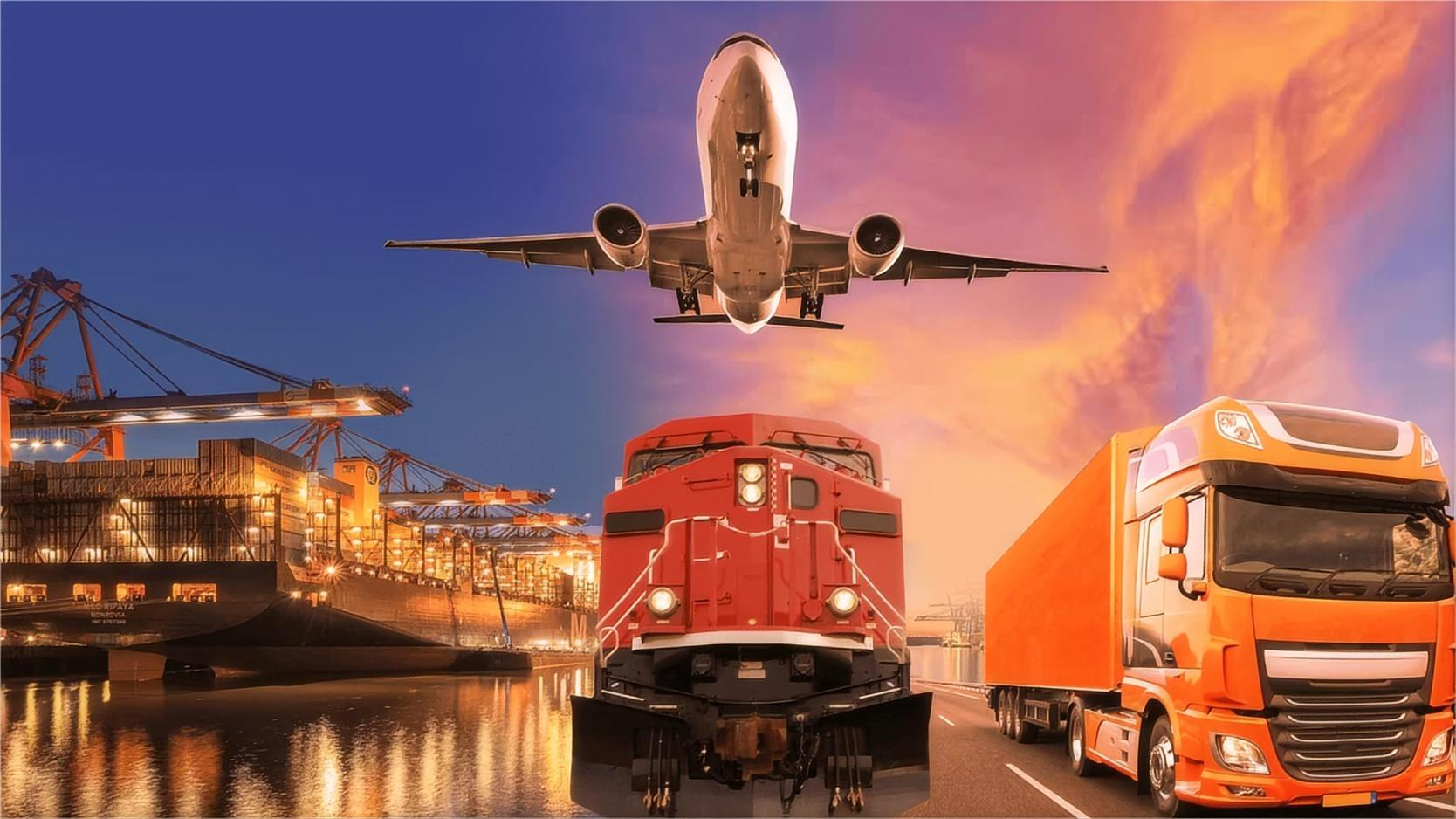
How Does Rail Freight Compare to Other Shipping Options?
Choosing the right transport mode is a balancing act between transit speed and the total landed cost. In 2026, many sellers are turning to rail freight as a middle-ground solution that offers reliability and moderate pricing.
While sea freight remains the most economical choice for massive volumes, it often suffers from longer transit times and port congestion. On the other hand, air freight provides unmatched speed but at a premium price point that may not suit low-margin items.
Furthermore, rail transport has become increasingly stable due to improved infrastructure across the New Silk Road. Nevertheless, sellers must weigh the environmental benefits and consistent schedules against the higher costs compared to ocean transport.
| Shipping Method | Cost Range (2026) | Transit Time | Best For |
|---|---|---|---|
| Sea Freight (FCL) | $3,200 – $4,500 per 40HQ | 32-40 Days | Bulk inventory and heavy goods |
| Rail Freight | $2.50 – $4.00 per kg | 18-24 Days | Mid-range urgency and electronics |
| Air Freight | $5.50 – $8.50 per kg | 5-9 Days | High-value or urgent restocks |
| Express Service | $9.00 – $12.00 per kg | 3-5 Days | Small parcels and samples |
What are the benefits of using a China to Germany Amazon FBA fulfillment prep center?
Consolidating your preparation tasks at the origin simplifies the entire supply chain and reduces the number of touchpoints. For instance, sea freight shipments can be palletized and labeled at the prep center to meet German warehouse specifications perfectly.
Moreover, these centers offer flexible storage solutions that allow sellers to drip-feed inventory into Amazon’s network. Consequently, this strategy helps avoid high long-term storage fees at Amazon’s German facilities during slow sales periods.
Additionally, a professional prep center understands the nuances of German VAT and EORI requirements. As a result, they can assist in ensuring that the documentation accompanying the cargo is accurate and ready for customs inspection.
Furthermore, specialized kitting and bundling services enable sellers to create unique product offerings that stand out. Indeed, the ability to combine multiple items into a single SKU at the source is a major competitive advantage.
Which shipping method suits your German FBA strategy?
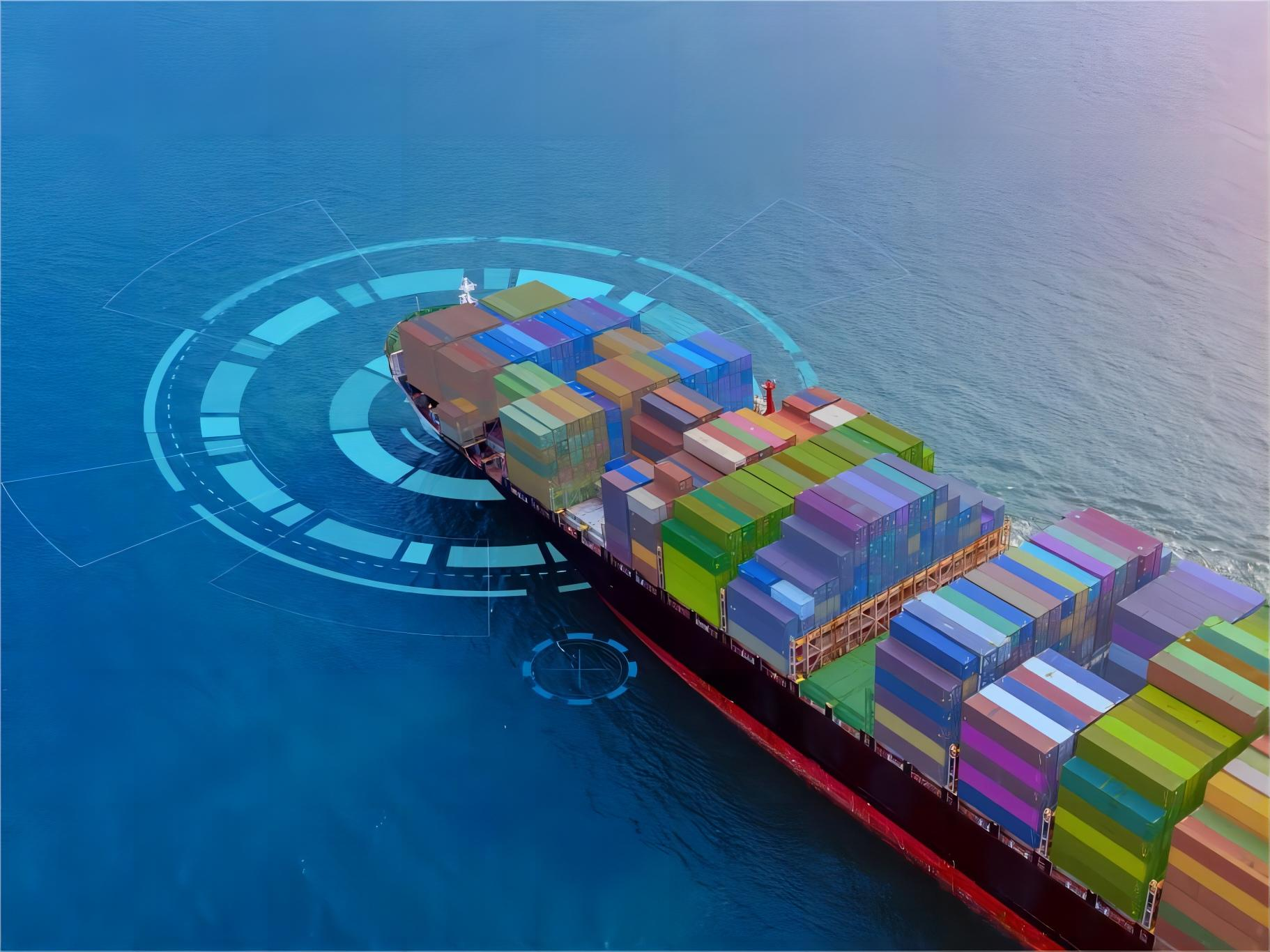
Sellers focused on budget priority should almost always recommend ocean transport for their primary inventory replenishment. However, those prioritizing speed for seasonal launches or stock-outs should consider Amazon FBA express air solutions.
Cargo type considerations also play a vital role in the decision-making process. For example, hazardous materials or large furniture items are often restricted to specific sea routes due to safety regulations and physical dimensions.
Meanwhile, volume thresholds determine whether LCL or FCL is more economical. Generally, for shipments over 15 CBM, booking a full container is more cost-effective than paying for individual cubic meters in a shared space.
To summarize, a hybrid approach often works best for growing brands. Many successful sellers send a small portion of their stock via air to stay in stock while the bulk of their inventory travels via sea or rail.
How to handle customs clearance for German Amazon imports?
Navigating German customs is notoriously strict, requiring precise documentation and adherence to European Union regulations. Therefore, working with an experienced customs brokerage is essential to prevent long delays at the Port of Hamburg or Wilhelmshaven.
Furthermore, sellers must ensure they have a valid German VAT number and an EORI number registered in the EU. Without these, the goods will likely be held indefinitely, leading to mounting demurrage and detention charges.
Additionally, the prep center must accurately declare the value and HS codes for all items. Consequently, any discrepancy between the physical goods and the commercial invoice can trigger a full customs audit, which is both time-consuming and expensive.
| Document Type | Requirement | Purpose | Responsible Party |
|---|---|---|---|
| Commercial Invoice | Mandatory | Value declaration and tax calculation | Seller/Supplier |
| Packing List | Mandatory | Detailing contents and weight | Prep Center |
| Bill of Lading | Mandatory | Title of goods and transport contract | Freight Forwarder |
| Certificate of Origin | Optional/Specific | Proving manufacturing location | Supplier |
What prep services are included in a China to Germany Amazon FBA fulfillment prep center?
Standard services typically include FNSKU labeling, which is the primary identifier Amazon uses to track inventory. Additionally, prep centers provide suffocation warning labels for poly bags and heavy package warnings where necessary.
Inspection services are another cornerstone of origin prep. For instance, workers will check for damaged packaging, missing components, or functional defects before the goods are sealed for international transit.
Moreover, many centers offer air freight compatible packaging to minimize dimensional weight. As a result, sellers can save significant amounts on shipping costs by optimizing the size of their outer cartons.
Finally, palletization services ensure that shipments are easily handled by Amazon’s robotic systems. Indeed, following the exact pallet height and weight limits for Germany is crucial for a smooth check-in process.
Real-World Logistics Case Studies
Understanding how other sellers navigate these routes provides valuable insights into potential costs and timelines. Below are two realistic scenarios based on early 2026 market data for shipments from China to Germany.
These cases illustrate the differences between various transport modes and the impact of professional prep services on the overall landed cost.
Note: Freight rates are subject to change based on fuel costs, carrier capacity, and seasonal demand. Contact us for a current quote tailored to your specific shipment.
Case Study 1: Large Volume Sea Freight
Route: Ningbo, China to Hamburg, Germany
Cargo: Home Furniture, 65 CBM, 12,000 kg
Container: 40HQ Full Container Load (FCL)
Shipping Details: Major carrier (COSCO), Direct route
Cost Breakdown:
– Ocean Freight: $3,850
– Origin Prep & Loading: $450
– Destination Handling: $600
– Customs & Duties: $1,200
– Total Landed Cost: $6,100
Timeline:
– Sea Transit: 35 days
– Customs Clearance: 3 days
– Total Door-to-Door: 45 days
Key Insight: Using a prep center for palletization at the source saved the seller $800 in German warehouse labor fees.
Case Study 2: Urgent Rail Freight Restock
Route: Chengdu, China to Duisburg, Germany
Cargo: Consumer Electronics, 8 CBM, 1,500 kg
Container: LCL (Less than Container Load)
Shipping Details: Rail Freight via New Silk Road
Cost Breakdown:
– Rail Freight: $2,800
– Origin Prep & Labeling: $300
– Destination Delivery: $450
– Customs & Duties: $900
– Total Landed Cost: $4,450
Timeline:
– Rail Transit: 20 days
– Customs Clearance: 2 days
– Total Door-to-Door: 28 days
Key Insight: Rail freight provided a 15-day faster arrival than sea, preventing a major stock-out during the Q1 sales peak.
Mastering Your FBA Logistics from China to Germany
To summarize, establishing a partnership with a china to germany amazon fba fulfillment prep center is a strategic move for any serious e-commerce seller. By handling inspections, labeling, and compliance at the source, you significantly reduce the risk of costly errors and delays at the German border.
Furthermore, the flexibility offered by various shipping methods like rail, sea, and air allows you to adapt to changing market demands. Consequently, maintaining a diverse logistics strategy ensures your products remain available to German customers year-round.
Ultimately, success in the Amazon Germany marketplace depends on the reliability of your supply chain. Therefore, investing in professional preparation and freight forwarding services is the most effective way to protect your brand’s reputation and bottom line in 2026.

Need a tailored shipping solution?
Ready to streamline your supply chain with a reliable china to germany amazon fba fulfillment prep center? Our team is standing by to provide a customized quote and expert guidance for your next shipment. Send Inquiry