

5 Best Express Shipping China Factory Shipping Solutions for 2025
Navigating the complexities of global logistics requires a reliable partner for express shipping China factory shipping to ensure your goods arrive on time. Many businesses struggle with rising costs and unpredictable transit times when sourcing products from overseas manufacturers. By partnering with Top China Cargo, you can streamline your supply chain and gain a competitive edge in the international market. Consequently, understanding the nuances of factory-to-door delivery is essential for maintaining profitability in today’s fast-paced economy.
What is Express Shipping China Factory Shipping?
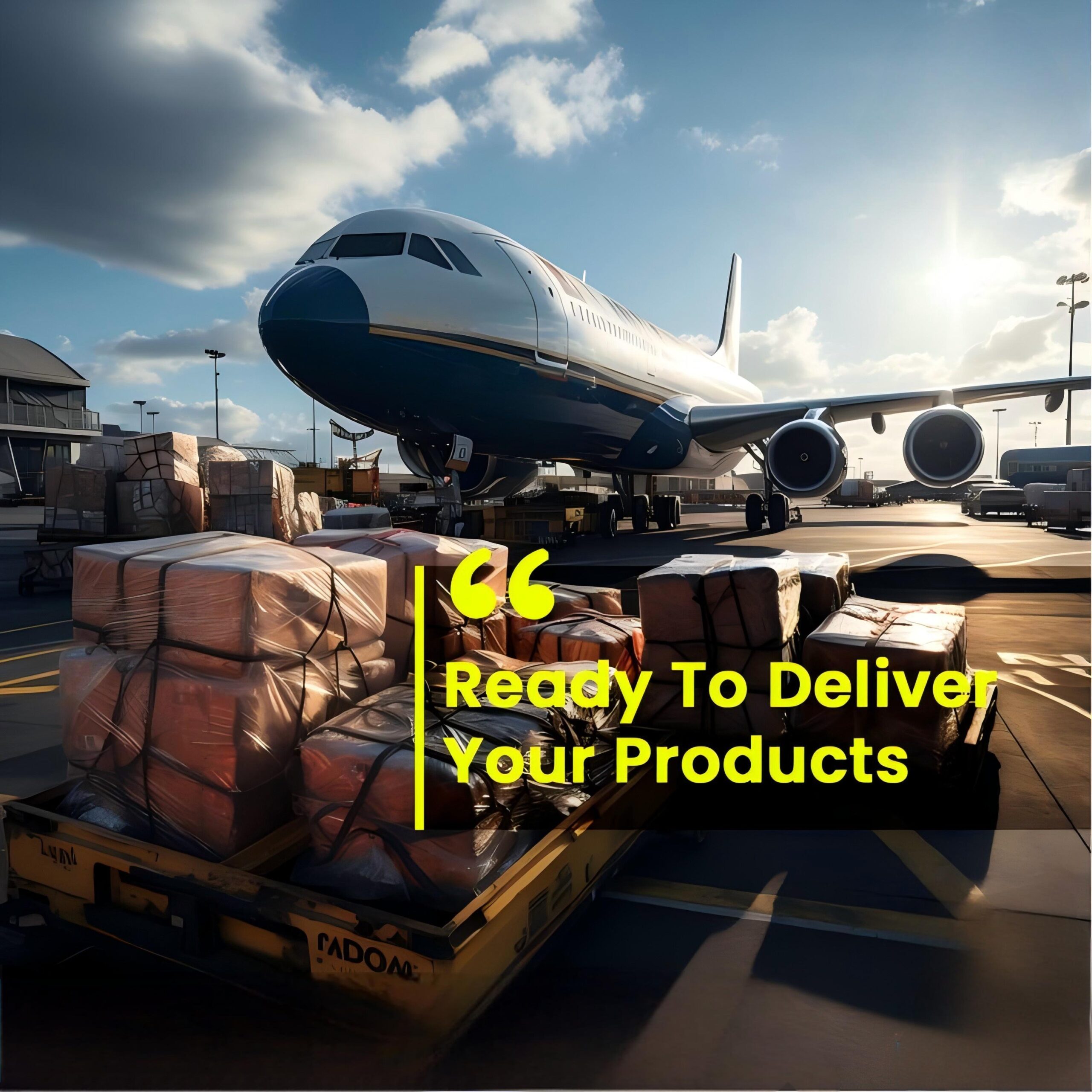
Express shipping from a factory in China involves the rapid transport of goods directly from the production line to the final destination. This method focuses on minimizing transit times through prioritized handling and efficient routing. Furthermore, it often bypasses traditional warehousing stages to save time. Specifically, it is the preferred choice for high-value items or urgent inventory replenishment.
Moreover, the process integrates multiple logistics layers into a single streamlined service. Most providers offer end-to-end tracking to give importers peace of mind during the journey. However, the speed of this service comes with higher costs compared to standard freight options. Therefore, businesses must weigh the benefits of fast delivery against their overall shipping budget.
Logistics trends in 2025 suggest that digital integration is becoming a standard feature for these services. Companies now expect real-time data on cargo handling and delivery schedules. Additionally, the rise of e-commerce has increased the demand for smaller, more frequent shipments. Consequently, freight forwarders are adapting their infrastructure to handle these specific requirements.
How Does Express Shipping China Factory Shipping Compare to Other Shipping Options?
Evaluating different logistics methods is crucial for balancing speed and expenditure. While express service provides the fastest door-to-door delivery, it typically carries the highest price tag per kilogram. In contrast, sea freight offers a more economical solution for high-volume orders that are not time-sensitive. Furthermore, businesses must consider the trade-offs between immediate availability and shipping overheads.
Selecting the right method depends on your specific inventory turnover and budget constraints. For example, a business launching a new product might use express shipping for samples before switching to bulk ocean freight. Meanwhile, rail freight offers a middle ground for shipments destined for Europe, though it is not available for Australia or North America. Accordingly, a hybrid approach often yields the best results for complex supply chains.
| Shipping Method | Cost Range | Transit Time | Best For / Limitations |
|---|---|---|---|
| Express Shipping | $6.50 – $11.00 per kg | 3 – 7 Days | Samples and urgent stock. High cost. |
| Air Freight | $3.50 – $6.00 per kg | 8 – 12 Days | High-value goods. Weight limits apply. |
| Sea Freight LCL | $180 – $350 per CBM | 30 – 45 Days | Bulk inventory. Very slow transit. |
| Rail Freight | $150 – $250 per CBM | 18 – 25 Days | Europe routes. Not for USA/AU. |
Key Factors Influencing Express Shipping China Factory Shipping Costs
Several variables determine the final price of moving goods from a Chinese factory. Fuel surcharges are a significant component, as they fluctuate based on global oil prices. Additionally, the weight and volume of the shipment play a critical role in pricing. Specifically, air freight and express services use a dimensional weight calculation that can increase costs for bulky items.
Distance and destination also impact the total freight rates you will pay. Shipping to the East Coast of the United States generally costs more than shipping to the West Coast due to the extra travel time. Moreover, seasonal demand peaks during the fourth quarter often lead to price spikes. Consequently, booking shipments well in advance can help mitigate some of these cost increases.
Customs duties and taxes are often overlooked but represent a large portion of the landed cost. Depending on the product category, these fees can range from 0 percent to over 25 percent. Furthermore, administrative fees for documentation and handling add to the total. Therefore, calculating the complete landed cost is essential for accurate product pricing.
Understanding Transit Times and Delivery Schedules
Reliable delivery schedules are the backbone of any successful retail or manufacturing business. Express shipping typically offers the most predictable timelines, often ranging from three to seven business days. However, external factors like weather conditions or port congestion can occasionally cause delays. In addition, holiday periods in China, such as the Lunar New Year, can halt production and shipping for several weeks.
Effective planning requires a deep understanding of each stage in the transit process. The journey begins with factory pickup and moves through regional sorting centers before international departure. Following this, the cargo must undergo export clearance in China and import clearance at the destination. Consequently, working with a professional customs brokerage service can prevent unnecessary holdups at the border.
Transit times vary significantly between different regions of the world. For instance, shipments to Australia are generally faster than those to the United Kingdom due to geographic proximity. Meanwhile, North American routes are well-served but subject to high traffic volumes. Accordingly, businesses should choose their entry ports carefully to optimize the final delivery leg.
Essential Customs Documentation for Factory Shipments
Proper documentation is vital for ensuring that express shipping China factory shipping proceeds without legal interruptions. The commercial invoice serves as the primary document, detailing the transaction value and product descriptions. Furthermore, a detailed packing list must accompany the shipment to verify the contents of each box. Without these documents, customs officials may seize or delay the cargo for inspection.
Indeed, accuracy in paperwork is non-negotiable for international trade. Errors in the Harmonized System (HS) codes can lead to incorrect duty assessments or heavy fines. Moreover, certain products require specific certificates, such as CE for electronics or FDA for medical devices. Therefore, importers must coordinate closely with their factory to ensure all required paperwork is ready before the pickup date.
Digital documentation is increasingly accepted by customs authorities worldwide. This shift helps speed up the clearance process and reduces the risk of physical document loss. However, some countries still require original hard copies with official stamps. Consequently, you should always verify the specific requirements of your destination country to avoid compliance issues.
Real-World Case Studies in Express Logistics
Examining actual shipping scenarios provides valuable insights into the practicalities of international trade. These examples highlight the costs, timelines, and challenges faced by real businesses. Specifically, they demonstrate how choosing the right method impacts the bottom line. Furthermore, they serve as a benchmark for your own logistics planning.
Case Study 1: Electronics from Shenzhen to Los Angeles
Route: Shenzhen, China to Los Angeles, USA. Cargo: Smartwatches, 2.5 CBM, 500 kg. Container: LCL (Less than Container Load). Shipping Details: Carrier: Major carrier. Port of Loading: Shenzhen. Port of Discharge: Los Angeles. Route Type: Direct.
Cost Breakdown: Ocean Freight: $450. Origin Charges: $150. Destination Charges: $200. Customs: $300. Total Landed Cost: $1,100. Timeline: Booking to Loading: 2 days. Sea Transit: 16 days. Customs Clearance: 2 days. Total Door-to-Door: 20 days.
Key Insight: Using a direct route to the West Coast saved five days compared to transshipment through secondary ports. Based on Q3 2024 market rates.
Case Study 2: Apparel from Ningbo to Hamburg
Route: Ningbo, China to Hamburg, Germany. Cargo: Cotton T-shirts, 15 CBM, 3000 kg. Container: 20GP. Shipping Details: Carrier: COSCO. Port of Loading: Ningbo. Port of Discharge: Hamburg. Route Type: Direct via Suez Canal.
Cost Breakdown: Ocean Freight: $2,100. Origin Charges: $300. Destination Charges: $400. Customs: $500. Total Landed Cost: $3,300. Timeline: Booking to Loading: 3 days. Sea Transit: 32 days. Customs Clearance: 3 days. Total Door-to-Door: 38 days.
Key Insight: Booking three weeks in advance secured a 15 percent lower rate during the peak season. Typical rates as of early 2025.
Which Option Should You Choose?
Determining the best shipping strategy requires a clear understanding of your business priorities. If your primary goal is speed to market, then express shipping is the clear winner. However, if you are moving large volumes of low-margin goods, sea freight is almost always more appropriate. Furthermore, door to door services provide the most convenience by handling every step of the journey.
Consider the following criteria when making your decision. For shipments under 100 kilograms, express carriers often offer competitive rates that include customs clearance. Conversely, for shipments exceeding 500 kilograms, traditional air or sea freight becomes significantly more cost-effective. Specifically, the weight-to-volume ratio of your product will dictate which pricing model is most favorable for your budget.
Hybrid solutions are also worth exploring for complex logistics needs. For example, you might ship 10 percent of an order via express to meet immediate demand and the remaining 90 percent via sea to save costs. Moreover, sea-air combinations can offer a balance of speed and economy for long-haul routes. Accordingly, a flexible approach allows you to adapt to changing market conditions and customer expectations.
Common Challenges in Express Shipping China Factory Shipping
Despite its efficiency, express shipping is not without its hurdles. Port congestion and labor strikes can disrupt even the most well-planned delivery schedules. Additionally, unexpected changes in trade regulations can lead to sudden increases in import duties. However, staying informed about global logistics trends can help you anticipate and mitigate these risks.
Communication gaps between the buyer and the factory often lead to shipping delays. For instance, if the factory fails to provide the correct dimensions, the freight quote may change unexpectedly. Furthermore, language barriers can complicate the coordination of pickup and delivery. Therefore, working with a freight forwarder that has local offices in China is a significant advantage.
Packaging standards are another critical factor that influences the safety of your goods. Factories may use insufficient materials to save costs, leading to damage during the high-speed handling of express transit. Consequently, you should provide clear packaging instructions to your suppliers. Indeed, investing in high-quality crates or reinforced boxes can save thousands of dollars in lost inventory.
The Role of Technology in Modern Factory Shipping
Technology has transformed how we manage express shipping China factory shipping in recent years. Artificial intelligence is now used to optimize shipping routes and predict potential delays. Moreover, blockchain technology is being explored to create more secure and transparent documentation processes. These innovations allow businesses to manage their supply chains with unprecedented precision.
Real-time tracking is perhaps the most beneficial technological advancement for importers. You can now monitor the exact location of your cargo from the moment it leaves the factory floor. Additionally, automated alerts notify you of any changes in the delivery schedule. As a result, you can keep your customers informed and manage their expectations more effectively.
Cloud-based logistics platforms also simplify the management of multiple shipments. These systems store all your customs documents, invoices, and tracking numbers in one accessible location. Furthermore, they allow for easy communication between all parties involved in the shipping process. Consequently, digital adoption is no longer optional for businesses that want to remain competitive.
Final Thoughts on Express Shipping China Factory Shipping
Successfully managing express shipping China factory shipping requires a combination of strategic planning and reliable partnerships. By understanding the different shipping methods and their respective costs, you can make informed decisions that support your business goals. Moreover, staying current with logistics trends ensures that your supply chain remains resilient in the face of global challenges.
Remember that the cheapest option is not always the best one for your specific needs. Prioritizing reliability and speed can often lead to higher customer satisfaction and long-term growth. Furthermore, meticulous attention to documentation and customs requirements will prevent costly delays. Ultimately, a well-executed shipping strategy is a powerful tool for any business importing from China.

Ready to streamline your logistics?
Streamline your logistics today with the experts at Top China Cargo. Request a custom quote for express shipping China factory shipping and let our team handle your international freight needs efficiently. Visit our website to start your inquiry and secure the best rates for your next shipment.
Request Quote