


2026 Guide to China to Canada Consolidated Sea Freight LCL Shipping Cost
Navigating the complexities of international trade requires a deep understanding of logistics expenses to maintain healthy profit margins. For businesses importing from Asia, calculating the china to Canada consolidated sea freight LCL shipping cost is essential for sustainable growth. This comprehensive guide explores the variables affecting rates in 2026 and provides actionable strategies for your supply chain.
What is Consolidated Sea Freight LCL?
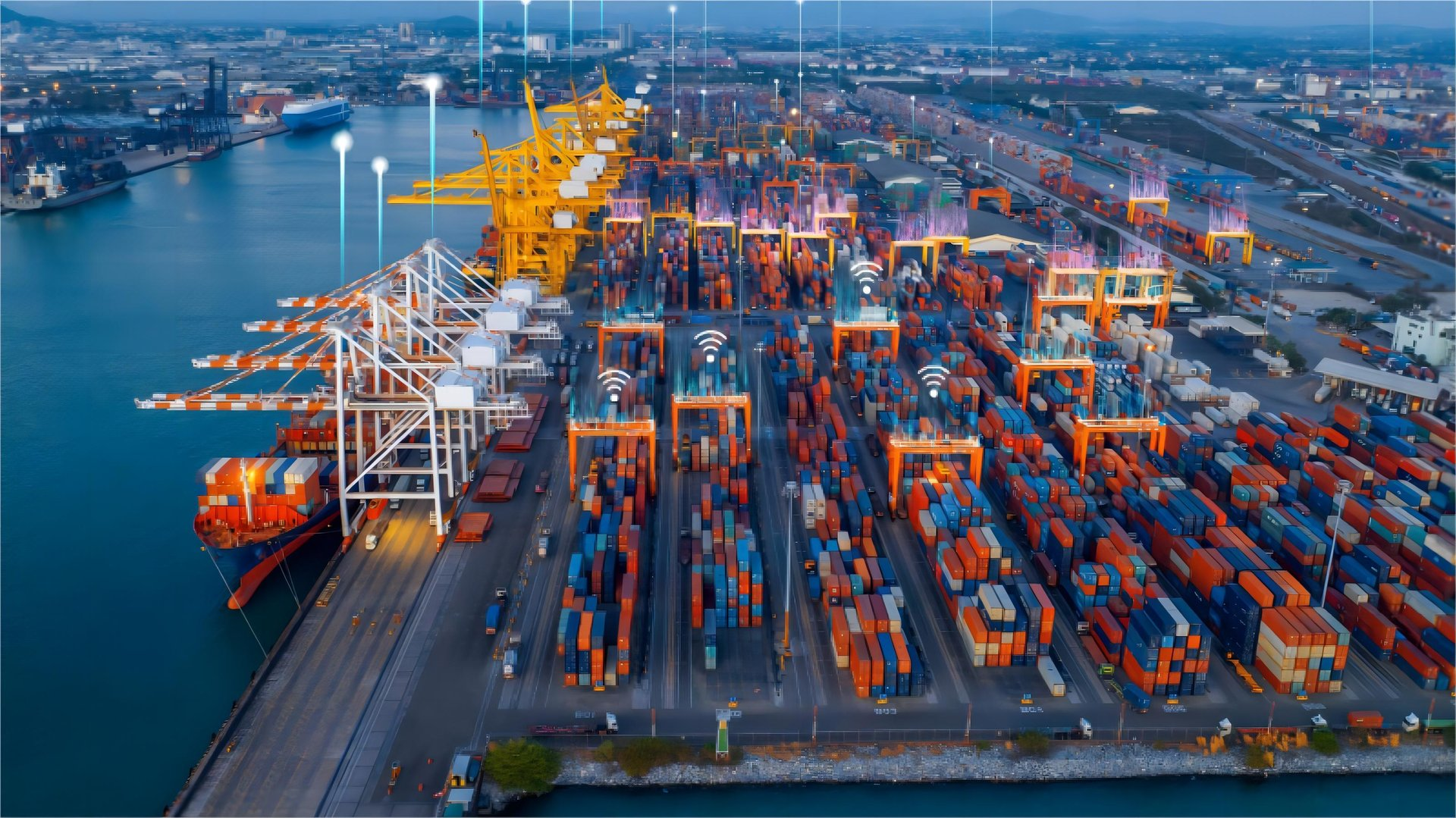
Less than Container Load or LCL refers to a shipping method where multiple shippers share space within a single ocean container. Consequently, this method allows small and medium-sized enterprises to move smaller volumes without paying for a full 20ft or 40ft container.
Consolidation happens at a warehouse where various shipments are packed together based on their destination. Therefore, sea freight becomes accessible for businesses that do not have enough cargo to fill an entire unit.
Moreover, this approach offers significant flexibility for inventory management and cash flow optimization. Shippers only pay for the volume they occupy, which is typically measured in cubic meters.
However, LCL requires more handling and documentation compared to Full Container Load shipments. This extra processing time is necessary to ensure each individual cargo reaches its specific recipient in Canada.
Key Factors Affecting China to Canada Consolidated Sea Freight LCL Shipping Cost
Understanding the primary drivers of your shipping expenses is the first step toward effective budgeting. For instance, the distance between the port of loading in China and the port of discharge in Canada significantly influences the base freight rate.
Fuel surcharges, often referred to as Bunker Adjustment Factors, fluctuate based on global oil prices and environmental regulations. Additionally, customs brokerage fees must be considered to avoid unexpected delays at the Canadian border.
Peak season demand usually leads to higher rates during the months of August through October. Furthermore, terminal handling charges at both origin and destination ports represent a fixed cost that applies regardless of the distance traveled.
Indeed, market intelligence for 2026 suggests that while rates have stabilized, labor costs and port infrastructure upgrades continue to exert upward pressure on pricing. Shippers should monitor these trends closely to time their bookings effectively.
Detailed Breakdown of LCL Shipping Fees in 2026
Calculating the total landed cost involves more than just the ocean freight rate per cubic meter. Specifically, you must account for documentation fees, security surcharges, and warehouse handling expenses.
In addition, destination charges in Canada can sometimes exceed the initial ocean freight cost if not properly managed. These fees cover the de-consolidation process where your goods are removed from the shared container.
As a result, many importers prefer a comprehensive quote that includes all local charges. This transparency helps in avoiding the hidden costs that often plague international logistics operations.
To summarize, always ask your freight forwarder for a line-item breakdown of every surcharge. This practice ensures you are not paying for unnecessary services or inflated local handling fees.
| Fee Category | Typical Range (USD) | Frequency | Description |
|---|---|---|---|
| Ocean Freight | $40 – $95 per CBM | Per Shipment | Base cost for sea transit |
| Terminal Handling | $150 – $300 | Per Shipment | Port loading and unloading |
| Documentation | $50 – $100 | Per Bill of Lading | Paperwork and filing |
| De-consolidation | $100 – $250 | Per Shipment | Unpacking in Canada |
Transit Times and Delivery Schedules for Canadian Ports
Shipping duration varies greatly depending on whether your cargo is heading to the West Coast or the East Coast of Canada. For example, shipments to Vancouver usually take between 15 and 22 days from major Chinese ports like Shanghai or Ningbo.
In contrast, reaching Toronto or Montreal requires additional time for rail transfer or transit through the Panama Canal. Consequently, you should expect a total transit time of 30 to 40 days for these inland destinations.
Utilizing door to door services can simplify this process by managing the entire journey from the factory to your warehouse. This integrated approach often reduces the risk of communication gaps between different carriers.
Meanwhile, seasonal weather conditions in the Pacific can occasionally cause delays during the winter months. Therefore, maintaining a buffer in your delivery schedule is a wise strategy for critical inventory.
How Does Consolidated Sea Freight Compare to Other Shipping Options?
Choosing the right shipping method depends on your specific balance of speed, cost, and volume. While LCL is cost-effective for small volumes, air freight remains the superior choice for urgent deliveries.
Shipping to North America offers several pathways, each with distinct advantages. For instance, rail-sea combinations are becoming more popular for shipments destined for the Canadian prairies.
On the other hand, Full Container Load shipping becomes more economical once your volume exceeds 15 cubic meters. At this threshold, the flat rate for a 20ft container often beats the per-CBM price of LCL.
Nevertheless, LCL remains the backbone for many e-commerce businesses that require frequent, smaller replenishments. It provides a middle ground that keeps costs manageable while maintaining a steady flow of goods.
| Method | Cost Range | Transit Time | Best For |
|---|---|---|---|
| LCL Sea Freight | Low ($) | 20-40 Days | Small business shipments |
| FCL Sea Freight | Medium ($$) | 15-35 Days | Large bulk orders |
| Air Freight | High ($$$$) | 3-7 Days | Urgent or high-value |
| Sea-Air Hybrid | Medium-High ($$$) | 12-18 Days | Balanced speed and cost |

Alternative Strategies for Cost-Effective Shipping
Implementing a hybrid logistics strategy can often lead to significant savings on your overall transportation budget. For example, some shippers use sea freight for their core stock and air freight for emergency restocks.
Consolidating orders from multiple suppliers into a single LCL shipment is another effective way to reduce the china to Canada consolidated sea freight LCL shipping cost. This reduces the number of documentation and handling fees you incur.
Moreover, businesses selling on digital platforms should consider Amazon FBA specialized logistics. These services are optimized for the specific labeling and palletization requirements of Canadian fulfillment centers.
Without a doubt, working with a freight forwarder who has strong relationships with multiple carriers allows you to access better rates. They can often negotiate volume discounts that are not available to individual shippers.
Real-World Case Studies: China to Canada LCL
Case Study 1: Electronics from Ningbo to Vancouver. A small retailer imported 3 CBM of consumer electronics using LCL. The ocean freight was $180, but total landed costs reached $850 after including all port fees and local delivery. The transit time was 19 days from port to port, demonstrating the efficiency of West Coast routes in early 2026.
Case Study 2: Home Decor from Shenzhen to Toronto. A boutique owner shipped 5 CBM of decorative items via a consolidated container. Because the destination was inland, the cargo was moved by rail from Vancouver. The total cost was $1,450 with a door-to-door timeline of 38 days. This example highlights the impact of inland transportation on the final china to Canada consolidated sea freight LCL shipping cost.
Case Study 3: Industrial Parts from Shanghai to Montreal. An engineering firm required 2 CBM of specialized components. By choosing LCL over air freight, they saved over $2,500 in shipping costs. Although the transit took 35 days, their advanced planning allowed them to maintain production without the high expense of air cargo.
Note: Freight rates are subject to change based on fuel costs, carrier capacity, and seasonal demand. Contact us for a current quote tailored to your specific shipment.
Which Option Should You Choose? Decision Framework
Deciding on the best shipping method requires an objective analysis of your business priorities. If your primary goal is budget preservation and your lead times are flexible, LCL sea freight is the clear winner.
Conversely, if you are launching a new product and need to hit a strict market deadline, the speed of air freight might justify the higher expense. Volume thresholds also play a critical role in this decision.
Generally, if your shipment is between 1 and 15 CBM, LCL offers the most competitive pricing structure. Once you surpass 15 CBM, you should request a comparison quote for a 20ft FCL container to ensure you are getting the best deal.
Accordingly, your choice should reflect the specific needs of your cargo, including its value, fragility, and the urgency of the delivery. Professional logistics consultants can help you weigh these factors to find the optimal path.
Mastering Your Canadian Logistics
Successfully managing the china to Canada consolidated sea freight LCL shipping cost requires a proactive approach to planning and a deep understanding of market trends. By leveraging consolidation services, you can enjoy the benefits of sea freight even with smaller cargo volumes.
Furthermore, staying informed about 2026 market conditions and potential surcharges will help you avoid common pitfalls in international trade. Remember that the cheapest rate is not always the best value if it comes with hidden delays or poor service.
Ultimately, choosing a reliable partner and utilizing the right shipping strategies will ensure your goods arrive safely and cost-effectively. Start planning your next shipment today to take advantage of the current market opportunities.
Ready to streamline your logistics?
Ready to optimize your supply chain and reduce your china to Canada consolidated sea freight LCL shipping cost? Contact the experts at Top China Cargo today for a personalized quote and professional logistics guidance. Send Inquiry: https://topchinacargo.com/contact-us/
Frequently Asked Questions
How is LCL shipping cost calculated for Canada?
Rates are primarily based on volume measured in cubic meters (CBM). Forwarders also consider weight-to-volume ratios, origin handling, and Canadian destination fees.
What is the average transit time to Toronto?
Shipments typically take 30 to 40 days. This includes sea transit to a West Coast port and subsequent rail transport to Ontario.
Are there hidden fees in LCL shipping?
Common overlooked costs include de-consolidation fees, warehouse storage, and Canadian customs entry fees. Always request an all-in quote to be safe.
Can I ship hazardous materials via LCL?
Yes, but it requires special documentation and packaging. Some consolidators may decline certain hazardous classes to protect other cargo in the container.
Is insurance necessary for LCL shipments?
Insurance is highly recommended because LCL involves more handling. It protects your investment against damage or loss during the consolidation and transit process.
When should I switch from LCL to FCL?
Consider switching to a Full Container Load when your volume reaches 14-15 CBM. At this point, the flat rate for a 20ft container is often cheaper.
What documents are needed for Canadian customs?
You will need a Commercial Invoice, Packing List, Bill of Lading, and potentially a Canada Customs Invoice (CCI) for smooth clearance.
Does LCL shipping include door delivery?
Standard LCL is port-to-port, but you can request door-to-door service. This includes trucking from the Canadian warehouse to your final destination.