

Shipping Electronics China to Australia: 2026 Logistics Guide
Navigating the complexities of shipping electronics China to Australia requires a deep understanding of modern logistics, especially as market demands evolve in 2026. Businesses must balance speed and cost while ensuring that fragile components and sensitive batteries arrive safely at their destination. Visit Top China Cargo to discover how professional freight forwarding can streamline your entire supply chain from Shenzhen to Sydney. This guide provides comprehensive insights into the current shipping landscape, regulatory requirements, and cost-saving strategies for importing technology products into the Australian market.
How Does the 2026 Market Affect Shipping Electronics China to Australia?
Global trade dynamics in 2026 have introduced new variables for Australian importers sourcing high-tech goods from Chinese manufacturing hubs. Specifically, the integration of automated port systems in Shanghai and Ningbo has improved loading efficiency, yet fuel surcharges remain a significant factor in overall freight rates. Consequently, staying informed about these shifts is crucial for maintaining a competitive edge in the Australian retail and commercial sectors.

Moreover, the demand for green logistics has prompted many carriers to adopt sustainable fuels, which occasionally impacts the base shipping costs for electronic components. Nevertheless, the volume of trade between these two nations continues to grow, driven by Australia’s appetite for consumer tech and renewable energy hardware. Therefore, understanding the nuances of the current market allows businesses to better predict their landing costs and inventory arrival dates.
Additionally, the rise of regional logistics hubs has diversified the available routes, offering more flexibility for those who need to bypass traditional congestion points. Indeed, the ability to pivot between different ports of loading can save several days in transit time during peak seasons. As a result, importers are increasingly looking for tailored solutions that go beyond standard freight services.
What are the Best Methods for Shipping Electronics to Australia?
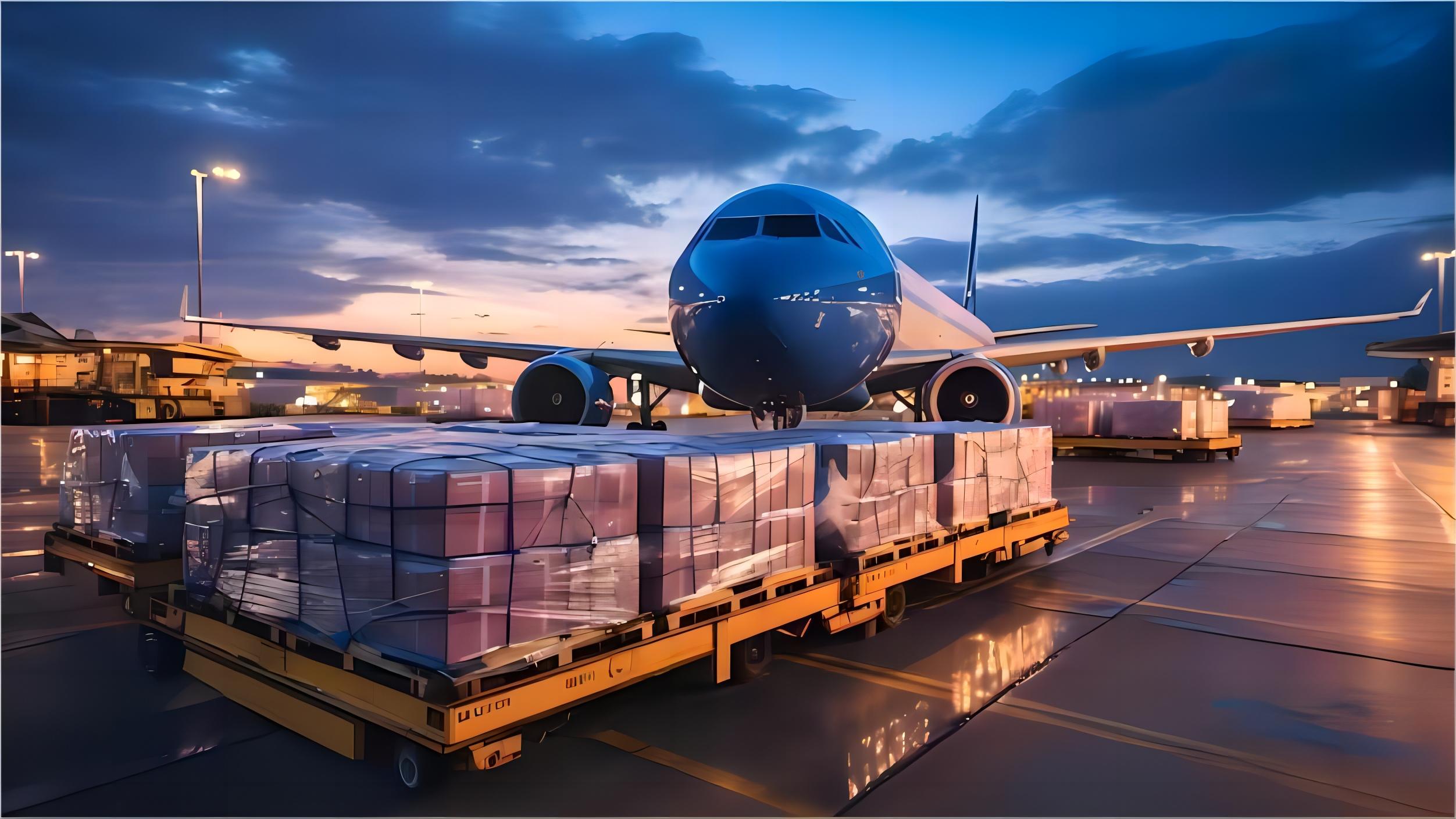
Choosing the right transport mode is the most critical decision when planning the movement of electronic cargo across the Pacific. Generally, the choice depends on the total volume, the urgency of the delivery, and the specific nature of the electronics being shipped. For instance, high-value items like smartphones or specialized medical sensors are typically moved via air to minimize time at sea and reduce the risk of theft or damage.
On the other hand, bulkier items such as television sets, home appliances, and solar inverters are much more cost-effective when transported via ocean freight. While the transit time is significantly longer, the cost per unit is reduced dramatically, making it the preferred choice for large-scale inventory replenishment. To clarify, the trade-off between speed and budget must be evaluated for every individual shipment to ensure maximum profitability.
Furthermore, many businesses are now exploring hybrid solutions that combine different modes of transport to optimize their logistics spend. For example, using express services for initial product launches followed by sea freight for subsequent restocks is a common strategy in the fast-paced tech industry. Consequently, a multi-modal approach can provide the agility needed to respond to sudden changes in Australian consumer demand.
| Shipping Method | Cost Range | Transit Time | Best For |
|---|---|---|---|
| Air Freight | 5.50 – 9.00 USD/kg | 3 – 7 Days | High-value, urgent tech |
| Sea Freight (LCL) | 80 – 150 USD/CBM | 15 – 25 Days | Mid-sized stock orders |
| Sea Freight (FCL) | 900 – 1800 USD/20GP | 12 – 20 Days | Bulk appliances/solar |
| Express Service | 10.00 – 15.00 USD/kg | 2 – 4 Days | Samples and prototypes |
Understanding Air Freight and Express Services for Tech
When time is of the essence, air freight stands out as the most reliable way to move goods quickly from China to major Australian airports. This method is particularly advantageous for electronics because it offers a higher level of security and reduced handling compared to sea routes. Additionally, the shorter transit time means that your capital is tied up in transit for a much shorter period, improving your overall cash flow.
Similarly, for smaller parcels or urgent replacements, an express service provides a door-to-door solution that simplifies the entire process. These services often include integrated customs clearance, which removes much of the administrative burden from the importer. In contrast to standard air cargo, express shipping usually guarantees specific delivery windows, which is essential for meeting strict project deadlines in Australia.
However, it is important to note that air transport is subject to strict weight and volume restrictions, which can lead to high costs for bulky electronic items. Furthermore, the 2026 regulations regarding the transport of lithium-ion batteries by air have become even more stringent, requiring specialized packaging and certification. Therefore, working with an experienced freight forwarder is essential to ensure compliance with all aviation safety standards.
Why Sea Freight is Ideal for Bulk Electronics Shipments
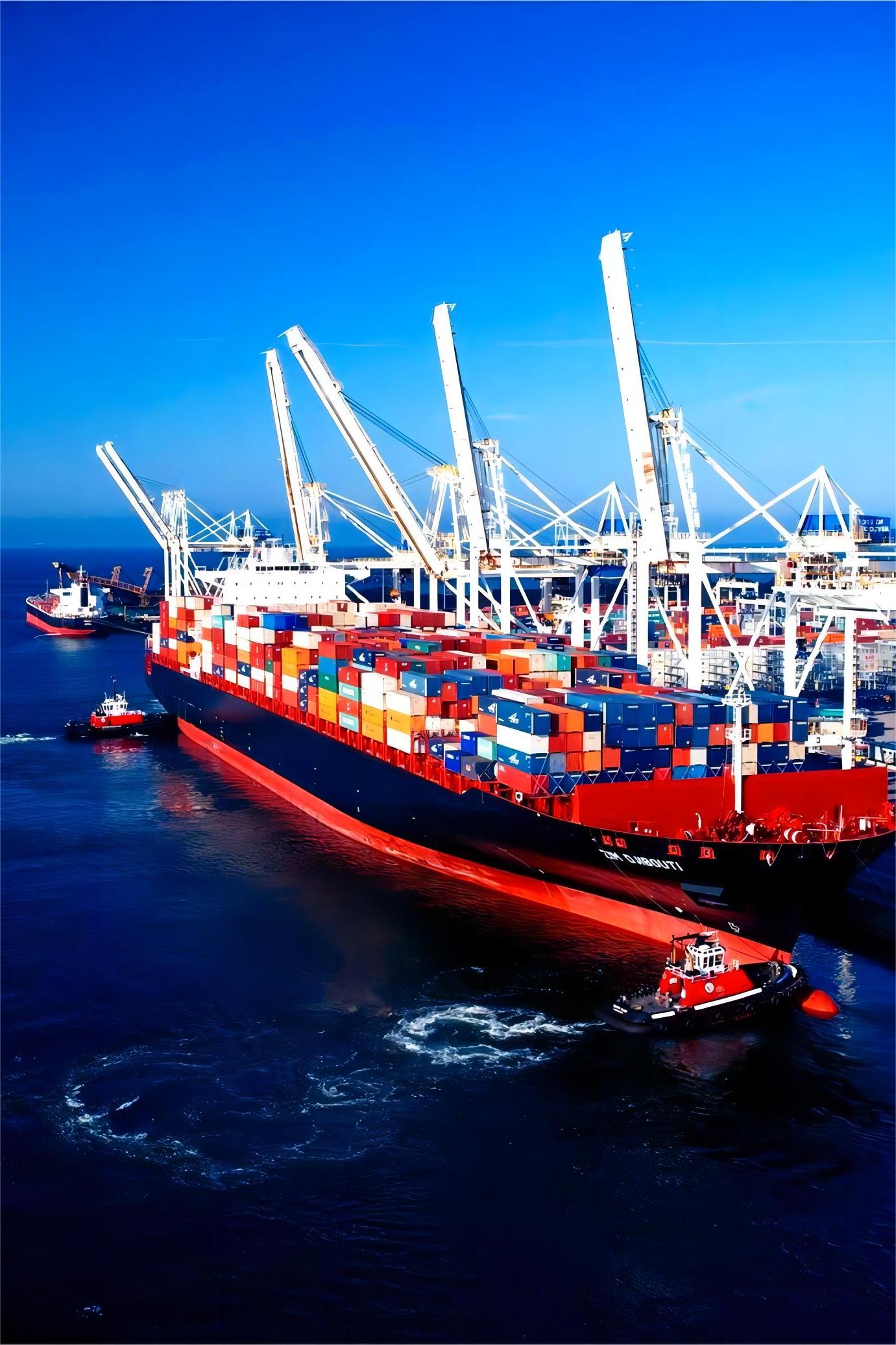
For companies importing large quantities of goods, sea freight remains the backbone of the tech supply chain between China and Australia. This method allows for the transport of massive volumes of cargo at a fraction of the cost of air travel, which is vital for maintaining low retail prices. Specifically, the route from major Chinese ports like Shenzhen or Ningbo to Australian hubs like Sydney or Melbourne is well-serviced by global carriers.
When booking sea transport, you can choose between Full Container Load (FCL) and Less than Container Load (LCL) depending on your shipment size. FCL is generally faster and more secure as the container is dedicated solely to your goods, reducing the risk of contamination or damage from other cargo. Meanwhile, LCL is an excellent option for smaller businesses that do not have enough inventory to fill an entire 20-foot or 40-foot container.
To ensure a smooth experience when shipping from China to Australia, it is advisable to book your space at least two to three weeks in advance. This is especially true during the pre-Christmas peak season when vessel space becomes limited and rates tend to spike. Consequently, proactive planning and early booking are the most effective ways to avoid delays and secure the best possible freight rates in the current market.
Navigating Customs Brokerage and Import Duties in Australia
The Australian Border Force (ABF) maintains strict oversight of all imported electronics to ensure they meet local safety and quality standards. Engaging a professional customs brokerage service can prevent costly delays and ensure that all necessary permits are in place before the cargo arrives. In addition to standard documentation, certain electronics may require specific certifications such as the RCM (Regulatory Compliance Mark).
Importantly, most electronics imported into Australia are subject to a 10% Goods and Services Tax (GST), which is calculated based on the Value of the Taxable Importation (VoTI). Furthermore, while many electronics from China benefit from the China-Australia Free Trade Agreement (ChAFTA), specific customs duties may still apply to certain categories of goods. Therefore, accurate classification of your products using the correct Harmonized System (HS) codes is essential for determining the precise amount of tax and duty owed.
Moreover, the Australian government has increased its focus on the sustainability of electronic imports, requiring more detailed reporting on the materials used in production. Consequently, importers should maintain clear communication with their Chinese suppliers to obtain all necessary technical specifications and environmental disclosures. As a result, a well-prepared documentation package is the best defense against port-of-entry audits and extended inspections.
The Benefits of Door to Door Shipping Solutions
Many modern businesses prefer a door to door service because it offers a seamless logistics experience from the factory floor to the final warehouse. This comprehensive approach covers everything from local pickup in China and export clearance to international transport, customs handling in Australia, and final mile delivery. Consequently, it eliminates the need for the importer to manage multiple service providers and reduces the likelihood of communication errors.
Furthermore, this model provides much better visibility into the status of the shipment, as a single tracking number often covers the entire journey. This is particularly beneficial for electronics, where real-time monitoring of environmental conditions like humidity and temperature can be crucial for sensitive components. Indeed, the peace of mind offered by a single point of accountability is often worth the slightly higher service fee associated with end-to-end logistics.
In addition, door-to-door services are highly scalable, making them suitable for both small startups and large established enterprises. Whether you are shipping a single pallet of tablets or a full container of server racks, the process remains standardized and efficient. Therefore, choosing a provider that can handle the entire lifecycle of the shipment is a strategic move for any business looking to simplify its international operations.

Case Study 1: Shipping 500kg of Consumer Electronics to Melbourne
Case Study 1: Rapid Air Freight for Smart Home Devices
Route: Shenzhen, China to Melbourne, Australia
Cargo: Smart home hubs and sensors, 2.5 CBM, 500 kg
Method: Air Freight (Standard)
Shipping Details:
– Carrier: Major airline via Hong Kong
– Port of Loading: Shenzhen (SZX)
– Port of Discharge: Melbourne (MEL)
– Route Type: Direct flight
Cost Breakdown:
– Air Freight: 3,250 USD
– Origin Charges: 250 USD
– Destination Charges: 380 USD
– Customs & Duties: 1,200 USD (Estimated GST)
– Total Landed Cost: 5,080 USD
Timeline:
– Booking to Loading: 2 days
– Air Transit: 1 day
– Customs Clearance: 2 days
– Total Door-to-Door: 5 days
Key Insight: Using air freight allowed the client to meet a product launch deadline that would have been missed by sea, despite the higher transport costs.
Case Study 2: Bulk Shipment of LED Displays to Sydney
Case Study 2: FCL Sea Freight for Commercial Signage
Route: Ningbo, China to Sydney, Australia
Cargo: LED Display Panels, 28 CBM, 4,500 kg
Container: 20GP Full Container Load
Shipping Details:
– Carrier: COSCO Shipping
– Port of Loading: Ningbo (NGB)
– Port of Discharge: Sydney (SYD)
– Route Type: Direct
Cost Breakdown:
– Ocean Freight: 1,150 USD
– Origin Charges: 350 USD
– Destination Charges: 620 USD
– Customs & Duties: 4,500 USD (GST and processing)
– Total Landed Cost: 6,620 USD
Timeline:
– Booking to Loading: 6 days
– Sea Transit: 16 days
– Customs Clearance: 3 days
– Total Door-to-Door: 25 days
Key Insight: FCL provided the most secure environment for the fragile LED panels, with zero damage reported upon arrival in Sydney.
How Does Sea Freight Compare to Other Shipping Options?
When analyzing the 2026 logistics landscape, sea freight remains the most economical choice for shipments exceeding 2 CBM or 500kg. While air freight costs roughly 5 to 10 dollars per kilogram, ocean freight costs can be as low as 50 cents per kilogram when shipping at scale. However, the obvious trade-off is the transit time, which can range from 12 to 25 days depending on the port of origin and the specific shipping line used.
In contrast, express services are unmatched for speed but become prohibitively expensive for anything larger than a few boxes of components. For businesses operating on thin margins, the cost savings offered by sea freight often outweigh the benefits of rapid delivery. To summarize, the decision should be based on a careful calculation of the inventory holding costs versus the premium paid for faster transport.
Additionally, the environmental impact of different methods is becoming a larger part of the decision-making process for Australian companies. Sea freight has a significantly lower carbon footprint per ton-kilometer than air freight, which can help businesses meet their corporate social responsibility goals. Consequently, choosing ocean transport is not only a financial decision but also a strategic one for brand positioning in a sustainability-conscious market.
| Shipping Method | Cost Range | Transit Time | Best For | Limitations |
|---|---|---|---|---|
| Direct Sea FCL | Low | 12-18 Days | Bulk Inventory | High Minimum Volume |
| Consolidated LCL | Medium | 18-25 Days | Mid-sized batches | Risk of co-loader delays |
| Standard Air | High | 5-8 Days | Valuable electronics | Strict battery rules |
| Priority Express | Very High | 2-4 Days | Critical spares | Weight/Size limits |
Strategies for Reducing Costs When Shipping Electronics
Lowering your shipping expenses starts with optimizing your packaging to reduce the volumetric weight of your cargo. Since many freight charges are based on the larger of actual weight or dimensional weight, minimizing wasted space inside your boxes can lead to immediate savings. Furthermore, consolidating multiple small orders into a single larger shipment can help you qualify for better rates and reduce the per-unit cost of customs clearance.
Another effective strategy is to negotiate Incoterms that give you more control over the shipping process, such as FOB (Free on Board) instead of CIF (Cost, Insurance, and Freight). By choosing FOB, you can select your own freight forwarder and avoid the hidden markups often added by suppliers in China. Consequently, you gain better transparency into the actual costs of transport and can shop around for the most competitive rates available in the 2026 market.
Finally, utilizing a bonded warehouse can help you manage your cash flow by deferring the payment of GST and duties until the goods are ready for sale in Australia. This is particularly useful for high-value electronics that may sit in inventory for several weeks before being distributed to customers. As a result, you can keep more liquid capital available for other business operations while still maintaining a steady supply of technology products.
Final Thoughts on Importing Tech from China
Successfully shipping electronics China to Australia in 2026 requires a proactive approach to logistics management and a deep understanding of both cost and regulatory factors. By choosing the right shipping method, ensuring compliance with battery regulations, and utilizing professional customs brokerage, you can ensure your goods arrive safely and efficiently.
Whether you prioritize the speed of air freight or the cost-effectiveness of sea freight, partnering with a reliable logistics provider like Top China Cargo is the key to navigating this complex trade route. Stay ahead of the competition by planning your shipments early and staying informed about the latest trends in the global electronics supply chain.
Need a tailored shipping solution?
Ready to optimize your supply chain and reduce costs for shipping electronics China to Australia? Contact our expert team today for a tailored quote and professional guidance on your next technology shipment. Send Inquiry link