

Freight Quote for New Zealand Import Business: 2026 Shipping Guide
Securing an accurate freight quote for New Zealand import business operations is the cornerstone of a successful supply chain in the current market. Many entrepreneurs struggle with hidden costs and fluctuating international shipping rates that impact their bottom line. By partnering with Top China Cargo, you can streamline your logistics and ensure your goods arrive on time and within budget. This guide explores the essential components of shipping to Oceania in 2026.
How to Evaluate a Freight Quote for New Zealand Import Business
Understanding the breakdown of your shipping expenses is vital for maintaining healthy profit margins. Consequently, you must look beyond the base ocean freight rate when reviewing your initial estimates. Most quotes include local charges, fuel surcharges, and documentation fees that vary significantly between carriers.

Importers often overlook the importance of Incoterms which define the responsibilities of buyers and sellers. For example, an EXW quote will be much higher than a FOB quote because it includes inland transport in the origin country. You should always clarify these terms before finalizing any logistics agreement.
Moreover, the volatility of global energy prices continues to influence the bunker adjustment factor in 2026. Therefore, a quote received in January might not remain valid for a shipment scheduled in March. We recommend requesting updated pricing at least two weeks before your cargo is ready for pickup.
Additionally, digital tracking capabilities have become a standard expectation for modern businesses. Ensure your provider offers real-time visibility so you can manage your inventory levels effectively. Without a doubt, transparency in the shipping process reduces the stress associated with international trade.

How Does Sea Freight Compare to Other Shipping Options?
Sea freight remains the most popular choice for New Zealand businesses due to its cost-effectiveness for bulk commodities. In contrast, air freight is reserved for high-value or time-sensitive items that cannot wait for the long transit across the Pacific. Choosing between these methods requires a careful analysis of your specific cargo needs.
Standard container shipping offers two main options: Full Container Load and Less than Container Load. If you have enough volume to fill a 20ft or 40ft container, sea freight FCL is typically the most economical route. However, smaller businesses often utilize LCL to share space with other importers and reduce overhead.
Furthermore, the environmental impact of shipping is a growing concern for many Kiwi consumers. Sea transport generally has a lower carbon footprint per ton-kilometer compared to air transport. Consequently, choosing ocean routes can align your business with sustainable practices while saving money.
Nevertheless, the transit time for sea routes can be unpredictable due to port congestion or weather conditions. Importers must build a buffer into their delivery schedules to account for potential delays at the Port of Auckland or Lyttelton. Planning ahead is the most effective way to mitigate these logistical risks.
| Shipping Method | Cost Range (2026) | Transit Time | Best For |
|---|---|---|---|
| Sea Freight FCL | $1,200 – $2,100 | 16 – 22 Days | Bulk Goods / Full Containers |
| Sea Freight LCL | $75 – $130 per CBM | 20 – 26 Days | Small Shipments / Pallets |
| Air Freight | $4.50 – $7.50 per KG | 3 – 6 Days | Electronics / Urgent Stock |
| Express Service | $8.00 – $12.00 per KG | 2 – 4 Days | Samples / Documents |
Navigating Customs Brokerage and New Zealand Regulations
New Zealand has strict biosecurity and customs regulations that can delay your shipment if not handled correctly. Indeed, working with an experienced customs brokerage professional is essential for a smooth entry process. They ensure all documentation, such as the commercial invoice and packing list, meets local standards.
Furthermore, you must be aware of the Goods and Services Tax and potential tariffs applicable to your specific product category. Most imported goods are subject to a 15 percent GST based on the landed value. Calculating these costs in advance prevents unexpected financial strain upon the arrival of your cargo.
In addition, the Ministry for Primary Industries requires specific declarations for wooden packaging and organic materials. Failure to comply with these biosecurity standards can lead to expensive fumigation fees or even the destruction of your goods. Therefore, your freight quote should account for any necessary inspections or treatments.
Meanwhile, the New Zealand Customs Service has implemented more automated systems in 2026 to speed up clearance. However, manual audits still occur frequently for first-time importers. Maintaining accurate records and transparent communication with your forwarder will help you navigate these hurdles efficiently.
The Benefits of Door to Door Logistics Solutions
Many modern businesses prefer a comprehensive door to door service to simplify their operations. This model covers everything from the factory pickup in China to the final delivery at your warehouse in Wellington or Christchurch. As a result, you only have to deal with a single point of contact for the entire journey.
Specifically, this approach eliminates the need for you to coordinate with multiple local trucking companies and port authorities. Your freight forwarder manages the transitions between different modes of transport seamlessly. This integration often leads to faster transit times and reduced risk of cargo damage during handling.
Moreover, door-to-door quotes are generally more transparent as they include the final mile delivery costs. In contrast, port-to-port quotes can leave you with significant inland freight bills that you did not anticipate. For small and medium enterprises, this predictability is invaluable for financial planning.
Consequently, while the upfront cost might appear higher, the time saved usually outweighs the price difference. You can focus on marketing and sales while the logistics experts handle the complexities of international movement. Indeed, this is the most efficient way to scale a New Zealand import business in 2026.
Utilizing Air Freight for Urgent Inventory Needs
When your stock levels are low or you are launching a new product, air freight becomes a critical tool. Although the cost per kilogram is higher than sea freight, the speed of delivery allows for much faster inventory turnover. This responsiveness can give your business a competitive edge in the fast-paced New Zealand retail market.
Additionally, air transport offers higher security and less handling, which reduces the likelihood of theft or breakage. For high-value items like specialized machinery or luxury goods, the increased cost is a worthwhile investment. Most air shipments reach major New Zealand airports within a business week.
Furthermore, the 2026 market has seen an increase in dedicated cargo flights between Asian hubs and Auckland. This capacity growth has helped stabilize rates compared to the fluctuations seen in previous years. Nevertheless, you should still compare quotes from different airlines to find the best balance of speed and price.
In contrast, if your shipment is exceptionally small, such as a package under 45 kilograms, an express service might be more appropriate. These courier options provide the fastest possible transit with simplified customs processes. They are ideal for sending samples to potential New Zealand distributors.
Alternative Strategies and Hybrid Shipping Solutions
For businesses looking to balance cost and speed, hybrid solutions like sea-air combinations are gaining traction. For instance, goods can be shipped by sea to a regional hub and then flown to New Zealand for the final leg. This strategy can save up to 40 percent compared to pure air freight while being much faster than sea freight.
Another alternative involves optimizing your packaging to reduce the volumetric weight of your shipments. Since air freight is charged based on the higher of actual weight or volume, compact packing can lead to significant savings. Regularly reviewing your packaging design is a simple way to lower your overall logistics expenses.
Moreover, consider consolidating multiple small orders into a single larger shipment to take advantage of better rates. Many forwarders offer consolidation services in major Chinese ports like Ningbo or Shenzhen. This approach allows you to benefit from FCL pricing even if your individual orders are relatively small.
Finally, check if your routes can benefit from regional logistics hubs in Australia before reaching New Zealand. Sometimes, transshipment through Sydney or Melbourne can offer more frequent sailing schedules. However, you must weigh the potential for extra handling against the benefits of a more flexible timeline.
Which Option Should You Choose? Decision Framework
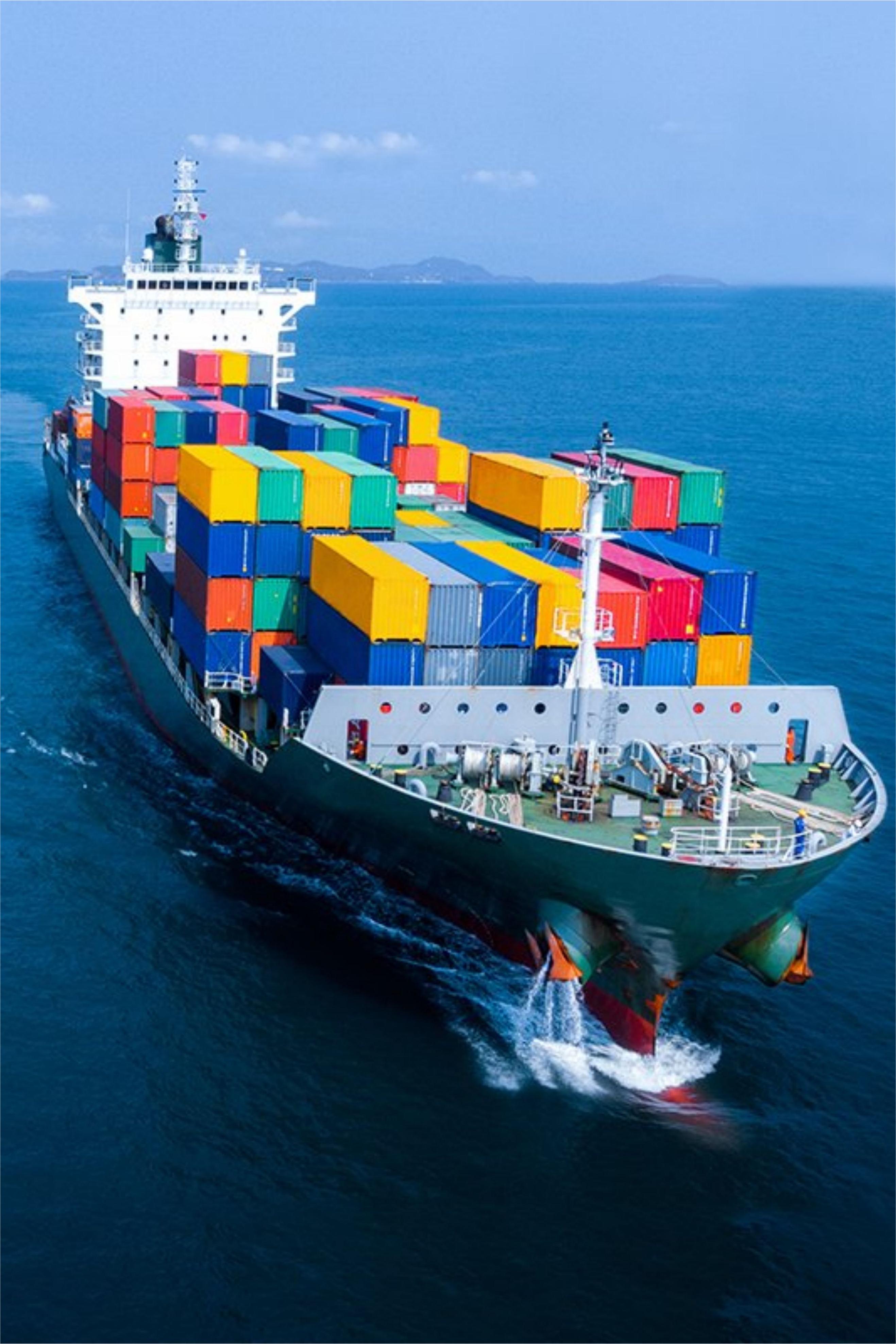
Selecting the right shipping method depends on your budget, timeline, and the nature of your cargo. If your primary goal is cost reduction and you have a lead time of at least six weeks, sea freight is the logical choice. It allows you to move large volumes of stock while keeping the per-unit landed cost to a minimum.
On the other hand, if you are dealing with perishable goods or urgent backorders, air freight is the only viable solution. The higher price is justified by the prevention of lost sales and the maintenance of customer satisfaction. We recommend keeping a portion of your budget flexible to accommodate these urgent shipments when necessary.
Furthermore, consider the total landed cost rather than just the shipping quote. This includes the product price, insurance, duties, taxes, and local delivery fees. A cheaper freight quote might end up being more expensive if it leads to longer delays or higher destination charges.
Without a doubt, the best strategy often involves a mix of different shipping methods. You can use sea freight for your core inventory and air freight for seasonal peaks or unexpected demand. This diversified approach makes your supply chain more resilient to global disruptions and market changes.
Real Case Studies for New Zealand Importers
Analyzing real-world examples helps clarify the actual costs and timelines involved in international shipping. These cases reflect typical scenarios for New Zealand businesses importing from China in early 2026. Please note that rates are subject to change based on seasonal demand and fuel prices.
Case Study 1: Electronics from Shenzhen to Auckland. This shipment involved high-value consumer electronics requiring fast turnaround. The importer chose air freight to meet a product launch deadline. Total transit time was 5 days, ensuring the stock was on shelves for the weekend sales period.
Case Study 2: Home Furniture from Ningbo to Christchurch. For this heavy and bulky cargo, the business utilized a 20GP container. Sea freight was the only economical option to keep the retail price competitive. The shipment arrived at the Port of Lyttelton after 21 days at sea.
Case Study 3: Boutique Clothing Samples from Guangzhou to Wellington. The designer used an express courier service for a 15kg box of samples. This allowed for immediate quality checks before placing a larger production order. The door-to-door delivery took only 3 days including customs clearance.
Case Study 1: High-Volume Electronics
Route: Shenzhen, China to Auckland, New Zealand
Cargo: 250kg of smartphones and accessories
Shipping Method: Air Freight
Ocean/Air Freight: $1,625
Origin/Destination Charges: $350
Total Landed Cost: $1,975 (Excluding Duties)
Total Door-to-Door: 6 Days
Key Insight: Using air freight allowed the business to capture early market demand despite higher shipping costs.
Case Study 2: Bulk Furniture Import
Route: Ningbo, China to Lyttelton, New Zealand
Cargo: 28 CBM of wooden furniture
Container: 20GP Full Container Load
Ocean Freight: $1,450
Customs and Port Charges: $680
Total Landed Cost: $2,130 (Excluding Duties)
Total Door-to-Door: 28 Days
Key Insight: FCL was significantly cheaper than LCL for this volume, saving the importer over $400 in total fees.
Final Thoughts on New Zealand Freight Quotes
Navigating the complexities of international logistics requires a strategic approach and a reliable partner. By understanding the components of a freight quote for New Zealand import business, you can make informed decisions that protect your margins. Whether you choose sea or air freight, planning for customs and local delivery is essential for success.
As we move through 2026, staying updated on market trends and shipping rates will remain a priority for competitive businesses. Remember to always calculate your total landed cost and build flexibility into your delivery schedules. With the right preparation, your New Zealand import business can thrive in the global marketplace.
Need a tailored shipping solution?
Ready to optimize your supply chain with a precise freight quote for New Zealand import business needs? Contact our expert team today to receive a tailored logistics plan that fits your budget and timeline. Send Inquiry