


Why DDP Cargo Gets Stuck After Arriving Europe: A Strategy for 2026 Compliance
Importers often face significant delays when their shipments encounter regulatory or documentation friction at the border, leading many to ask why DDP cargo gets stuck after arriving Europe. These bottlenecks usually stem from misaligned Importer of Record (IOR) responsibilities, valuation discrepancies, or incomplete customs data filings that trigger mandatory inspections. Top China Cargo provides the end-to-end milestone tracking and customs expertise necessary to ensure your duty-paid shipments clear European gateways without unexpected dwell. This guide examines the critical compliance gates and operational checkpoints required to maintain a seamless door-to-door delivery flow throughout the EU.
Key Takeaways
A standard 40HQ container holds 65–70 CBM of cargo, and discrepancies between packing lists and physical manifests are a primary cause of customs holds.
EU customs authorities require an EORI number and valid ENS/ICS2 filings to be completed at least 24 hours before vessel arrival at the first port of entry.
Duty-paid delivery (DDP) requires the seller or forwarder to act as the IOR, which necessitates a clear power of attorney and accurate commercial invoice valuation.
Hidden destination surcharges often arise from terminal handling fees and storage dwell, which can add 15–20% to total landed costs if not prepaid.
What Should Buyers Know First About DDP Shipping on This Lane?
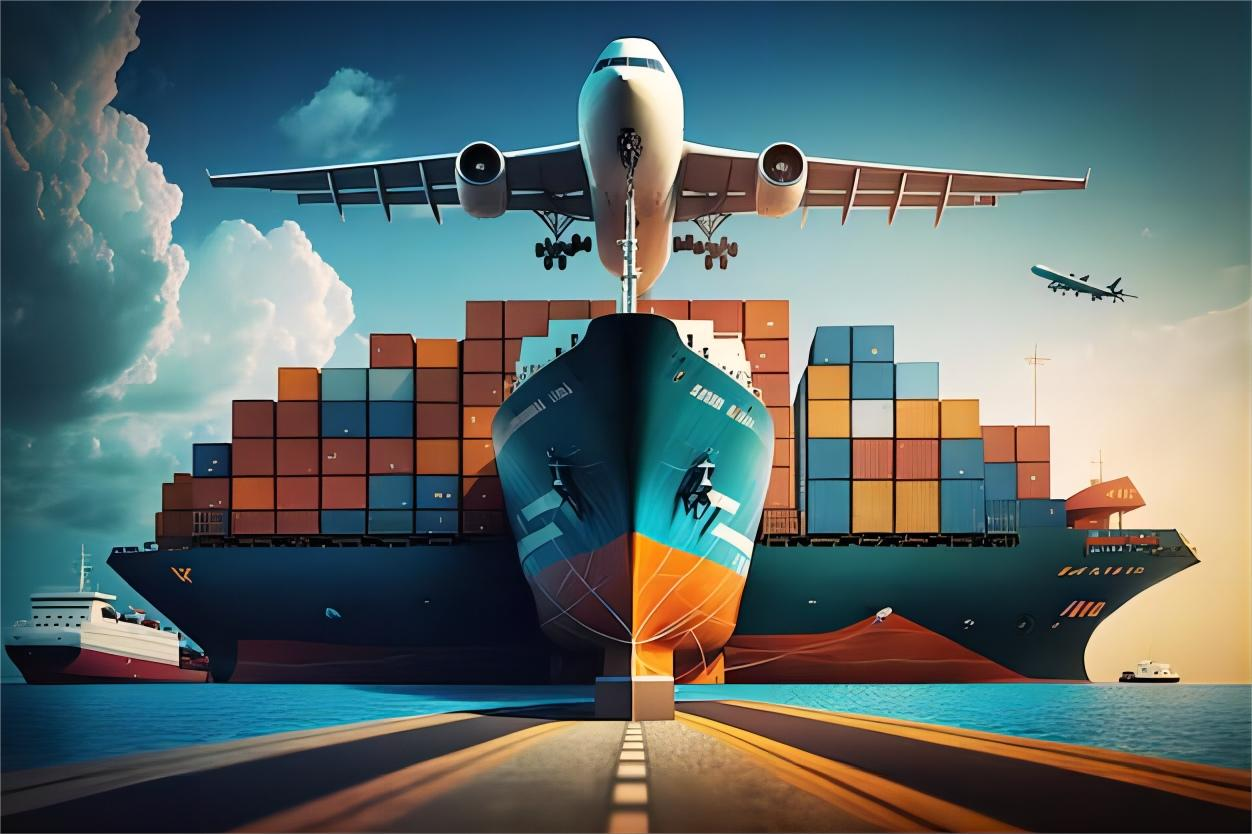
Delivered Duty Paid (DDP) represents the most comprehensive trade term, requiring the seller to bear all costs and risks, including customs clearance and door delivery. When importers wonder why DDP cargo gets stuck after arriving Europe, the answer often lies in the complexity of the European Union’s harmonized customs code and the strict enforcement of import regulations. Buyers must recognize that DDP does not absolve the consignee of all responsibility; if the seller lacks a valid EORI number or the appropriate fiscal representation in the destination country, the cargo remains stalled at the port of entry.
The primary operational challenge in this corridor is the integration of freight movement with tax compliance. Many exporters mistakenly assume that paying the freight forwarder for shipping covers all potential destination hurdles, but DDP requires precise alignment between the commercial invoice, the packing list, and the electronic declaration filed with the local customs authority. Failure to provide consistent data across these documents is the most common cause of dwell, as customs officers will hold shipments to verify the actual value and origin of the goods against the declared figures.
To mitigate these risks, importers and exporters must establish a clear communication loop before the cargo leaves the Shanghai/Ningbo. This includes verifying the tax identification of the receiver, ensuring that the HS codes are accurate for the EU market, and confirming that the carrier has the authority to handle duty settlement on the seller’s behalf. By prioritizing document accuracy and regulatory transparency, businesses can significantly reduce the likelihood of their cargo being flagged for inspection at major gateways like Rotterdam or Hamburg.
Field note: Ensure your EORI is valid for the specific EU member state of entry.
Common mistake: Using a generic HS code that does not match the actual product specifications.
Risk alert: Customs holds for valuation verification can lead to indefinite port dwell.
Who Bears Duty, Tax, and IOR Liabilities Under DDP Terms?
Under DDP, the seller retains the burden of the Importer of Record (IOR) role, which is a significant responsibility that involves paying all import duties and Value Added Tax (VAT) upon arrival. This structure is intended to simplify the process for the buyer, yet it introduces significant liability for the seller or their chosen logistics partner. When the seller is not established within the EU, they must appoint a fiscal representative or an indirect customs representative to handle these tax obligations, as customs authorities will not accept payments from an entity without a local legal presence.
The liability for duty calculation is often a friction point when cargo is processed. If the customs authorities in the destination country deem the declared value on the commercial invoice to be too low, they will reassess the shipment, leading to additional duty charges and potential fines. These reassessments are a major reason why DDP cargo gets stuck after arriving Europe, as the shipment cannot be released until the corrected tax and duty amounts are paid in full. Consequently, the seller must ensure their valuation practices are defensible and aligned with local market standards.
Managing these liabilities requires a professional approach to tax settlement. The seller should work with a provider like Top China Cargo to ensure that all tax filings are compliant with the destination country’s requirements. This involves coordinating with local customs brokers to submit the necessary paperwork and managing the transfer of funds for duties and VAT. By centralizing the management of these liabilities, exporters can avoid the operational gaps that frequently result in long-term storage of goods at the terminal.
| Cost Component | Typical Assessment Base | Who Usually Pays | Planning Note |
|---|---|---|---|
| CIF / customs value | Goods value + freight + insurance (as declared) | Importer of record | Wrong valuation drives duty and VAT/GST miscalc |
| Import duty / tariff | % of customs value by HS chapter | Importer / DDP seller (by Incoterms) | Confirm HS binding before award |
| VAT / GST / sales tax | Duty-paid value (or local statutory base) | Importer / fiscal representative | Registration and reclaim rules vary by market |
| Customs broker / clearance fee | Per entry or per shipment band | Importer / nominating party | Separates from freight; exams add extras |
| Exam / storage / disbursement | Event-driven (exam, demurrage, advance) | Importer / broker client account | Often outside base ocean/truck quote |
Field note: Verify if your shipment qualifies for any preferential duty rates under current trade agreements.
Common mistake: Failing to account for local EU VAT, which is often higher than the customs duty itself.
Risk alert: Incorrect VAT calculation can lead to significant fiscal penalties.
DDP vs DAP vs FOB: Which Trade Term Cuts Your True Landed Cost?
Selecting the right Incoterm is a strategic decision that affects both the control and the ultimate price of the shipment. While DDP provides the highest level of convenience for the buyer, it is often the most expensive option because the seller includes a risk premium in the shipping rate to cover potential customs complications and unexpected surcharges. In contrast, DAP (Delivered at Place) allows the buyer to handle customs clearance, which can sometimes lead to lower landed costs if the buyer has an efficient, in-house customs brokerage team.
When evaluating these terms, importers must consider their internal capacity for managing logistics and regulatory filings. If an importer lacks the experience to navigate the EU customs landscape, paying the premium for a DDP service is a prudent risk-management strategy. However, for large-scale importers, FOB (Free on Board) might be the most cost-effective, provided they have the logistics infrastructure to manage the freight from the origin port to the final destination. The trade-off between control and convenience is the defining factor in these decisions.
Ultimately, the goal is to optimize the landed cost without compromising on delivery reliability. Shippers often find that using DDP logistics services is the best way to ensure that the entire journey is managed by a single entity, which simplifies communication and accountability. By comparing the cost of internal brokerage against the risk premium charged for DDP, companies can make informed decisions that align with their operational goals and budget constraints for the fiscal year.
Field note: Always clarify who pays for terminal handling charges under DAP.
Common mistake: Choosing DDP without ensuring the seller has a reliable EU-based customs partner.
Risk alert: Undisclosed surcharges in DDP quotes can erode profit margins completely.
What Transit Timelines and Dwell Windows Apply to DDP Cargo?
Transit timelines are heavily influenced by the efficiency of the chosen mode and the speed of the customs clearance process. When cargo arrives at an EU port, it must pass through the Import Control System 2 (ICS2) and receive clearance before it can be dispatched for local delivery. Any delay in this process, such as a hold for physical inspection or missing documentation, will lead to dwell time at the terminal. These windows are critical, as they determine whether the cargo arrives at the consignee’s door on schedule or sits waiting for clearance.
Gateways like Rotterdam, Antwerp, and Hamburg have sophisticated terminal management systems, but they are also subject to congestion during peak seasons. Shippers need to account for a buffer in their transit plans to accommodate potential delays at the terminal gate. If the documentation is not submitted in the correct format or if the duty payment is delayed, the cargo will accrue significant storage fees. Proactive tracking and early submission of all required filings are the most effective ways to minimize dwell time and ensure a smooth flow through the port.
Managing these timelines requires a focus on the entire supply chain, from the initial booking to the final delivery. By working with a provider that offers comprehensive freight services, shippers gain better visibility into the status of their cargo at every milestone. This visibility allows for early identification of potential bottlenecks, enabling the forwarder to take corrective action before a minor issue develops into a major, costly delay that impacts the overall delivery schedule.
| Milestone | Typical Window | Owner | Delay Risk if Missed |
|---|---|---|---|
| Origin pickup / CY gate-in | T-5 to T-2 days before ETD | Shipper / drayage | Rolled booking & demurrage at origin |
| Border / port arrival | Mode-specific ETA band | Carrier / broker | Detention & storage accrual |
| Customs release | 24–72h after arrival (mode-dependent) | Licensed broker | Terminal hold & delivery slip |
| Final delivery appointment | Within free-time window | Consignee / carrier | Driver detention & re-delivery fees |
Field note: Air cargo generally clears faster but incurs higher terminal handling fees.
Common mistake: Assuming transit time includes customs clearance duration.
Risk alert: Storage fees at major EU ports can exceed the cost of the freight itself.
How Are All-Inclusive DDP Rates and Duty Surcharges Built?
All-inclusive DDP rates are constructed by aggregating the cost of the mainhaul freight, origin charges, destination customs entry fees, and the estimated duty and VAT. Because these rates are intended to cover every potential cost, they often include a risk buffer to account for the volatility in the freight market and the possibility of unplanned administrative expenses. When importers analyze why DDP cargo gets stuck after arriving Europe, they should look at whether the quoted rate included these destination-specific variables or if there were hidden gaps.
Duty surcharges are built into the rate based on the declared HS codes and the commercial value of the cargo. If the classification of the goods is inaccurate, the actual duty paid will deviate from the estimate, leading to a request for additional funds from the forwarder. This is a common source of friction, as shippers often expect the DDP quote to be fixed, regardless of the classification outcome. Clarity on these costs is essential for maintaining a profitable logistics strategy and avoiding disputes regarding the final invoice amount.
To build a reliable cost model, shippers should request itemized DDP quotes that clearly separate the freight cost from the estimated duties and taxes. This transparency allows for better financial planning and helps to highlight where potential cost overruns might occur. By partnering with Top China Cargo, businesses can secure transparent pricing and benefit from a detailed analysis of their landed costs, ensuring that every expense is accounted for before the shipment is even booked.
Field note: Ensure your quote includes a breakdown of administrative fees for customs processing.
Common mistake: Failing to verify if the DDP rate includes terminal handling and document fees.
Risk alert: Vague ‘all-in’ quotes often lead to surprise invoices upon delivery.
What Documents and Filings Are Mandatory Under DDP?
The documentation required for DDP shipping is extensive and must be perfectly accurate to prevent delays. At the core of every file is the commercial invoice, which must list the goods, their value, the country of origin, and the HS codes. This document serves as the foundation for the customs declaration. Alongside this, the packing list provides the necessary details on weight and volume, while the transport document (B/L or AWB) acts as the evidence of the contract of carriage. Any discrepancy between these documents is an immediate red flag for customs officials.
Beyond the standard documents, EU-specific filings like the Entry Summary Declaration (ENS) are mandatory for all shipments entering the EU. These must be filed through the ICS2 system to ensure security compliance. Furthermore, if the goods are subject to any specific regulatory requirements, such as CE marking or safety certificates, these must also be included in the submission. The complexity of these filings makes it imperative to work with a customs broker who is familiar with the specific requirements of the destination country, as minor errors can lead to the seizure of goods or heavy fines.
Maintaining a rigorous document management process is vital for any company shipping to the EU. This involves auditing every document for consistency before the cargo is loaded and ensuring that all electronic filings are completed well ahead of the vessel’s arrival. By utilizing expert logistics resources, companies can stay updated on the latest compliance requirements and adjust their documentation procedures accordingly, thereby reducing the chances of their cargo being held at the border.
| Document / Filing | Lead Time | Responsible Party | Hold if Missing |
|---|---|---|---|
| ICS2 Entry Summary (ENS) | Pre-arrival cut-off by mode | Carrier / Declarant | Do-not-load / diversion |
| EORI number | Before first EU import | Importer | Unable to lodge entry |
| Import declaration (national) | At clearance | Importer / Broker | Bonded hold |
| Commercial invoice + packing list | With entry packet | Exporter | Valuation delay |
Field note: Keep digital copies of all signed documents for at least five years for audit purposes.
Common mistake: Submitting a packing list that does not match the commercial invoice counts.
Risk alert: Inconsistent documentation is the fastest way to trigger a mandatory physical inspection.
What Is the Step-by-Step DDP Workflow from Supplier to Door?
The DDP workflow begins with origin consolidation, where the supplier or logistics provider collects the goods and ensures they are properly packed for international transit. This stage includes the preparation of all export documentation, such as the export declaration in the country of origin. Once the goods are loaded and the transport document is issued, the mainhaul phase begins. During this time, the forwarder should be actively monitoring the status of the shipment and preparing the destination customs entry, including the payment of duties and taxes.
Upon arrival at the destination port, the cargo enters the customs clearance phase. The forwarder or the fiscal representative submits the declaration, pays the necessary duties, and secures the release of the goods. If the shipment is selected for a routine check, the forwarder manages the communication with customs and ensures that any questions are answered promptly. After the shipment is released, it is transferred to the final-mile carrier for delivery to the consignee’s address. This part of the process is critical, as it requires coordination between the warehouse and the transport team.
The final step is the reconciliation of the shipment file. This involves closing out all duty receipts, confirming that the delivery was completed successfully, and archiving all documentation for future reference. By following a structured process, Top China Cargo ensures that every shipment is handled with the same level of care and precision. This systematic approach is designed to eliminate the common pitfalls that cause delays, providing importers with peace of mind and a reliable delivery schedule.
Field note: Confirm the final delivery window with the consignee at least 48 hours before arrival.
Common mistake: Ignoring the handoff communication between the port and the final-mile trucker.
Risk alert: Lack of coordination at the port-to-door handoff results in unnecessary terminal dwell.
Decision Framework
By volume: Low CBM favors LCL or groupage into an EU hub; full wagon / 40HQ lots justify direct China–EU rail or ocean with scheduled last-mile trucking.
By speed: Urgent windows use air or expedited truck from the first EU hub; standard replenishment rides ocean/rail once ENS and EORI are locked.
By cargo profile: Confirm EORI, ENS/ICS2, and any product conformity marks before hub discharge.
Real-World Corridor Case Studies
An industrial machinery importer booked a 40HQ from Shenzhen to Rotterdam on a direct Far East–North Europe string. The forwarder aligned commercial invoice, packing list, and B/L data before CY gate-in so EU customs release and inland drayage stayed inside free time.
A home goods brand moved mixed-SKU cartons from Ningbo to Hamburg. Origin CFS consolidation and destination free-time tracking kept demurrage exposure inside the quoted all-in ocean band.
DDP Execution Plan: Duty-Paid Door Delivery in 2026
Reliable delivery hinges on IOR clarity, declared-value accuracy, and prepaid duty settlement on every shipment. When you understand the regulatory environment of the EU, you can move from a reactive stance to a proactive strategy that prevents bottlenecks before they occur.
Treat customs liability and last-mile delivery as one locked workflow—not separate afterthoughts. By partnering with a dedicated logistics provider, you ensure that your cargo remains the priority at every gateway and that your landed costs remain predictable throughout the year.
Process and Checkpoints
Origin Consolidation & Cargo Intake
Collect multi-supplier lots, verify packing lists, and stage cargo for export under DDP scope.
Export Customs Declaration
File China export declaration with commercial invoice, packing list, and HS codes aligned to declared value.
Mainhaul Transit
Move freight on booked air or ocean service with DDP liabilities retained by seller/forwarder.
Destination Duty-Paid Clearance
Act as or appoint IOR, pay duties/taxes, and secure customs release before last-mile dispatch.
Bonded Hand-off & Tax Settlement
Reconcile duty receipts, release holds, and confirm tax settlement against the commercial invoice.
Final-Mile Door Delivery
Deliver duty-paid cargo to the consignee door and close the DDP shipment file.
Confirm the right route for your shipment
Need an all-inclusive DDP quote? Share commercial invoice value, HS codes, gross weight, CBM, and destination zip/Tax ID for a duty-paid door proposal.
Request a route reviewFrequently Asked Questions
What is the Importer of Record (IOR) role under DDP door delivery?
The IOR is legally responsible for entry filings, duties, and compliance; without one, cargo can be seized.
Which fees are often excluded from headline DDP quotes?
Customs exams, liftgate/residential delivery, and storage during tax review frequently sit outside base DDP.
How does HS code misclassification change the all-in DDP duty line?
Wrong HS chapters can raise duty rates materially and trigger amendments, exams, or bond issues.
When should buyers request a continuous bond instead of single-entry bonds?
High-frequency or high-value importers usually need a continuous bond to avoid per-shipment shortfalls.
What happens if destination customs holds a DDP shipment for exam?
Exam fees plus yard or rail-terminal storage accrue until release—even when freight and duties were prepaid under DDP.
How can shippers control demurrage, detention, or terminal storage after a customs hold?
Pre-lodge entry data, keep HS/value packs audit-ready, and escalate broker responses inside free time before last-mile trucks are dispatched.
Rates and surcharges fluctuate; request an itemized quote.
Informational only; not binding legal/tax/customs advice.
Benchmarks reflect standard 2026 practice for this corridor.