
Expert China New Zealand Import Duty Assistance: 2026 Guide
“Navigating the complexities of international trade requires expert China New Zealand import duty assistance to ensure your business remains compliant and profitable. Many importers face significant challenges when calculating taxes or managing customs documentation for their shipments from Asian manufacturing hubs. Fortunately, Top China Cargo provides comprehensive logistics solutions and brokerage support to streamline your entire supply chain process from factory to door. This guide explores the essential aspects of duty management, tax exemptions, and efficient shipping methods to help you succeed in the 2026 market.”
✦
What Should Buyers Know First About China New Zealand?
Professional assistance for importing goods into New Zealand is more critical than ever as trade volumes continue to rise. Importers must navigate a landscape of tariffs, Goods and Services Tax (GST), and biosecurity levies that can impact the final landed cost of their products. Consequently, seeking specialized support can prevent unexpected financial burdens and administrative delays.
Moreover, the New Zealand Customs Service maintains strict enforcement of valuation rules and classification codes. Therefore, accurate tariff classification using the Harmonized System (HS) is the first step in determining your actual duty liability. Expert consultants help you identify the correct codes to ensure you are not overpaying on your imports.
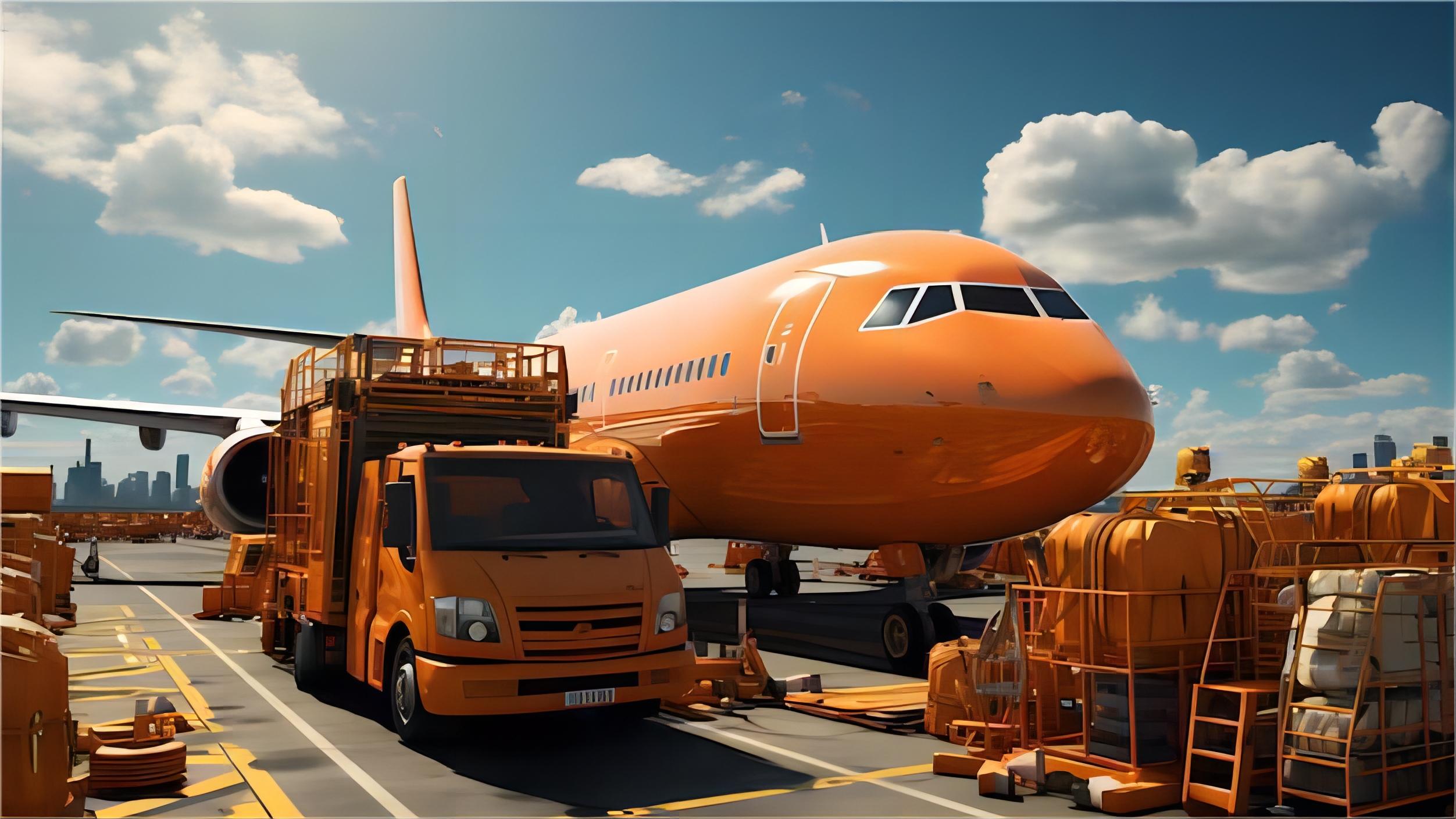
Additionally, the 2026 trade environment has introduced updated digital filing requirements that demand precision in every submission. As a result, many businesses now rely on integrated logistics partners to manage these technical hurdles. This proactive approach ensures that your cargo moves through the border without being flagged for audits or inspections. See air freight for options that match this corridor.
How the China New Zealand FTA Reduces Your Tax Burden
The China-New Zealand Free Trade Agreement (FTA) remains one of the most beneficial trade deals for local businesses sourcing from the mainland. Under this agreement, the vast majority of goods manufactured in China qualify for duty-free entry into New Zealand. However, the mere fact that a product is shipped from China does not automatically guarantee a zero-duty rate.
Specifically, importers must provide a valid Certificate of Origin that proves the goods meet the specific rules of origin criteria. Without this document, customs officials will apply the standard Most Favored Nation (MFN) duty rates, which can range from 5 percent to 10 percent for certain categories. Consequently, obtaining the correct paperwork from your supplier is a non-negotiable step in the procurement process.
Furthermore, recent updates to the FTA in 2025 and 2026 have simplified the verification process for many electronic and textile goods. Nevertheless, the complexity of ‘wholly obtained’ versus ‘substantial transformation’ rules still requires careful analysis. Professional duty assistance ensures that your specific product qualifies under the latest legal interpretations.
How Does Sea Freight Compare to Other Shipping Options?
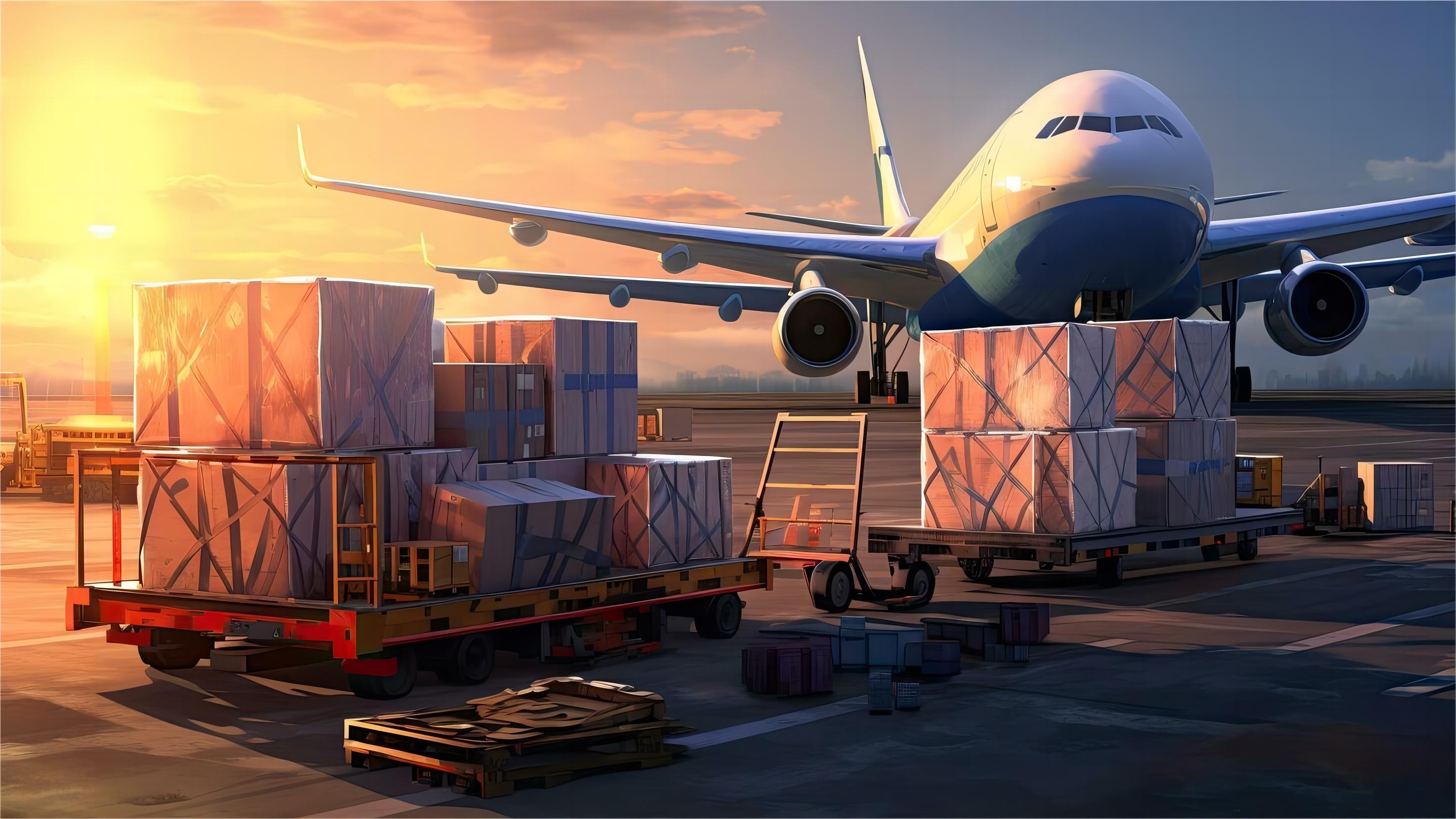
Choosing the right transportation method is a balance between speed, cost, and the nature of your cargo. While sea freight is the most common choice for bulk commodities and large retail orders, it may not suit every business model. In contrast, air freight offers unparalleled speed for high-value electronics or seasonal fashion items.
Market data from early 2026 suggests that ocean freight rates have stabilized, making it the most economical choice for shipments exceeding 2 cubic meters. On the other hand, air transport remains the preferred route for urgent inventory replenishment despite the higher carbon footprint and cost. Each method carries different implications for your duty and GST calculations based on the total Cost, Insurance, and Freight (CIF) value.
Ultimately, your choice should align with your inventory turnover goals and budget constraints. For many, a hybrid approach using different methods for different product lines provides the best risk management strategy. Consider the following comparison to determine which service fits your current needs.
| Shipping Method | Cost Range | Transit Time | Best For |
|---|---|---|---|
| Sea Freight (FCL) | $1,200 – $2,000 | 14 – 22 Days | Large inventory and heavy machinery |
| Sea Freight (LCL) | $80 – $150 per CBM | 18 – 25 Days | Small to medium business shipments |
| Air Freight | $4.50 – $9.00 per kg | 3 – 7 Days | High-value or time-sensitive goods |
| Express Service | $7.00 – $12.00 per kg | 2 – 5 Days | Samples and small retail parcels |
Essential Documentation for Smooth Customs Entry
Success in New Zealand customs clearance depends heavily on the quality and accuracy of your documentation. A single error in a commercial invoice or a missing packing list can lead to weeks of delays at the Port of Auckland or Tauranga. Therefore, meticulous preparation of all trade documents is a core component of effective import duty assistance.
In addition to the standard invoice, you must ensure that your Bill of Lading correctly reflects the terms of sale. If you are claiming FTA preferences, the Certificate of Origin must be issued by an authorized body in China, such as CCPIT. Failure to match the descriptions on the invoice with the actual cargo can trigger manual inspections and additional storage fees.
Meanwhile, New Zealand’s Ministry for Primary Industries (MPI) requires specific declarations for any goods containing wood, plant matter, or animal products. Consequently, ensuring your packaging meets ISPM 15 standards is just as important as the duty paperwork. Use the checklist below to verify your readiness for your next shipment.
| Document Name | Required By | Purpose | Criticality |
|---|---|---|---|
| Commercial Invoice | Customs | Valuation and GST calculation | High |
| Packing List | Customs/MPI | Verification of contents | High |
| Certificate of Origin | Customs | FTA duty-free claim | Essential for savings |
| Bill of Lading | Carrier | Title to goods and transit proof | High |
Calculating Your Import Duties and GST in 2026
Understanding the financial obligations at the border is vital for maintaining healthy cash flow. In New Zealand, GST is calculated at a rate of 15 percent on the total landed value of the goods. This value includes the cost of the items, the shipping charges, any insurance paid, and the applicable import duty.
For example, if you import electronics worth $10,000 with shipping costs of $1,000, your GST will be calculated on $11,000, assuming a zero percent duty rate under the FTA. However, if the goods do not qualify for the FTA and carry a 5 percent duty, the duty is added first, and then GST is calculated on that new total. This ‘tax on tax’ effect means that even small duty percentages can significantly increase the final cost.
Moreover, the New Zealand government has implemented stricter rules for low-value goods in recent years. Businesses must ensure they are registered for GST if their annual imports exceed certain thresholds. Utilizing a professional customs brokerage service allows you to automate these calculations and ensure that payments are made on time to avoid penalties.
Case Study 1: Furniture Import from Foshan to Christchurch
Case Study: Residential Furniture Shipment
Route: Foshan, China to Lyttelton (Christchurch), New Zealand
Cargo: High-end sofas and dining sets, 18 CBM, 3200 kg
Container: 20GP Full Container Load (FCL)
Shipping Details:
– Carrier: Major Ocean Carrier
– Port of Loading: Nansha, Guangzhou
– Port of Discharge: Lyttelton
– Route Type: Direct via Brisbane
Cost Breakdown:
– Ocean Freight: $1,450
– Origin Charges: $420
– Destination Charges: $580
– Customs & Duties: $0 (FTA Applied)
– GST (15%): $2,450
– Total Landed Cost: $4,900 (excluding cargo value)
Timeline:
– Booking to Loading: 4 days
– Sea Transit: 19 days
– Customs Clearance: 2 days
– Total Door-to-Door: 25 days
Key Insight: By utilizing a 20GP container instead of LCL for 18 CBM, the importer saved roughly $300 in handling fees and reduced the risk of damage during transit. The application of the China-NZ FTA saved approximately $800 in import duties.
Case Study 2: Electronics Distribution from Shenzhen to Auckland
Case Study: Consumer Electronics Launch
Route: Shenzhen, China to Auckland, New Zealand
Cargo: Smart home devices, 2 CBM, 450 kg
Container: LCL (Less than Container Load)
Shipping Details:
– Carrier: Premium LCL Consolidation
– Port of Loading: Shenzhen
– Port of Discharge: Auckland
– Route Type: Direct
Cost Breakdown:
– Ocean Freight: $280
– Origin Charges: $150
– Destination Charges: $320
– Customs & Duties: $0 (FTA Applied)
– GST (15%): $4,200
– Total Landed Cost: $4,950 (excluding cargo value)
Timeline:
– Booking to Loading: 3 days
– Sea Transit: 14 days
– Customs Clearance: 1 day
– Total Door-to-Door: 18 days
Key Insight: For this high-value, low-volume shipment, the importer prioritized speed and security. Using an express service for the final mile delivery ensured the product launch remained on schedule despite minor port congestion in Auckland.
Common Challenges in New Zealand Customs Clearance
Biosecurity remains one of the most significant hurdles for New Zealand importers. Because of the country’s unique ecosystem, the Ministry for Primary Industries (MPI) inspects a high percentage of incoming containers. Any sign of pests or untreated wood can lead to expensive fumigation requirements or even the destruction of the cargo.
Another frequent issue involves the undervaluation of goods on commercial invoices. Customs authorities in 2026 use advanced AI algorithms to compare declared values against market benchmarks. If your declared price is significantly lower than average, you may face a ‘Request for Information’ (RFI), which halts the clearance process until proof of payment is provided.
Furthermore, many new importers forget to account for the Import Entry Transaction Fee (IETF) and the Biosecurity System Entry Levy. While these fees are relatively small individually, they add to the administrative complexity of managing multiple shipments. Working with an experienced partner helps you consolidate these costs into a single, transparent invoice.
Which Option Should You Choose for Your Business?
Determining the best shipping and duty strategy depends on your specific business priorities. If your primary goal is cost reduction and you are moving large volumes, sea freight combined with FTA duty assistance is the most logical choice. This method allows you to maximize your margins by keeping logistics costs to a minimum percentage of the product value.
Conversely, if you are testing a new market or shipping perishable items, air freight is the superior option. The higher freight cost is often offset by the ability to respond quickly to customer demand and reduce the capital tied up in slow-moving inventory. For small businesses, a door to door service simplifies the entire process by handling all customs and duty steps on your behalf.
Note: Freight rates are subject to change based on fuel costs, carrier capacity, and seasonal demand. Contact us for a current quote tailored to your specific shipment. Market data suggests that rates typically increase by 15-20 percent during the peak season from September to December, so early booking is always recommended.
Mastering Your Import Strategy
Successfully navigating the trade route from China to New Zealand requires a combination of regulatory knowledge, accurate documentation, and strategic shipping choices. By leveraging the China New Zealand import duty assistance available through the FTA and professional brokerage services, you can significantly reduce your overhead costs.
Remember that compliance is just as important as cost-saving. Ensuring that your HS codes are accurate and your biosecurity requirements are met will save you from the hidden costs of delays and penalties. As the 2026 trade landscape continues to evolve, staying informed and partnering with the right logistics experts will remain your greatest competitive advantage.