

Professional Freight Services China Australia: 2026 Shipping Guide
Navigating the complexities of international trade requires a partner who understands the nuances of the trans-Pacific corridor. At Top China Cargo, we provide comprehensive logistics solutions designed to streamline your supply chain. Utilizing professional freight services China Australia ensures your goods arrive safely, on time, and within budget, regardless of the shipment size or complexity. Consequently, businesses can focus on growth while we manage the intricate details of global transportation and regulatory compliance.
What Should Buyers Know First About Freight China Australia?
Modern businesses rely heavily on the efficiency of their supply chains to maintain a competitive edge. Indeed, professional freight services China Australia offer more than just transportation; they provide a strategic advantage through optimized routing and cost management. Furthermore, the integration of advanced tracking technology allows importers to monitor their cargo in real-time. This transparency reduces uncertainty and allows for better inventory planning across the Australian market.
Moreover, choosing a specialized provider helps mitigate the risks associated with international shipping. These risks include port congestion, changing fuel surcharges, and shifting regulatory requirements. Therefore, partnering with experts ensures that your cargo is handled with the highest level of care. Additionally, professional services offer tailored solutions that cater to specific industry needs, from perishables to heavy industrial machinery.
Reliability remains the cornerstone of successful trade relations between these two economic powerhouses. As a result, many Australian companies are shifting toward long-term partnerships with freight forwarders who demonstrate consistent performance. Consequently, this stability fosters growth and allows for more aggressive market expansion strategies. In contrast, relying on unverified carriers often leads to delays and unexpected costs that can erode profit margins.
How Does Sea Freight Compare to Other Shipping Options?
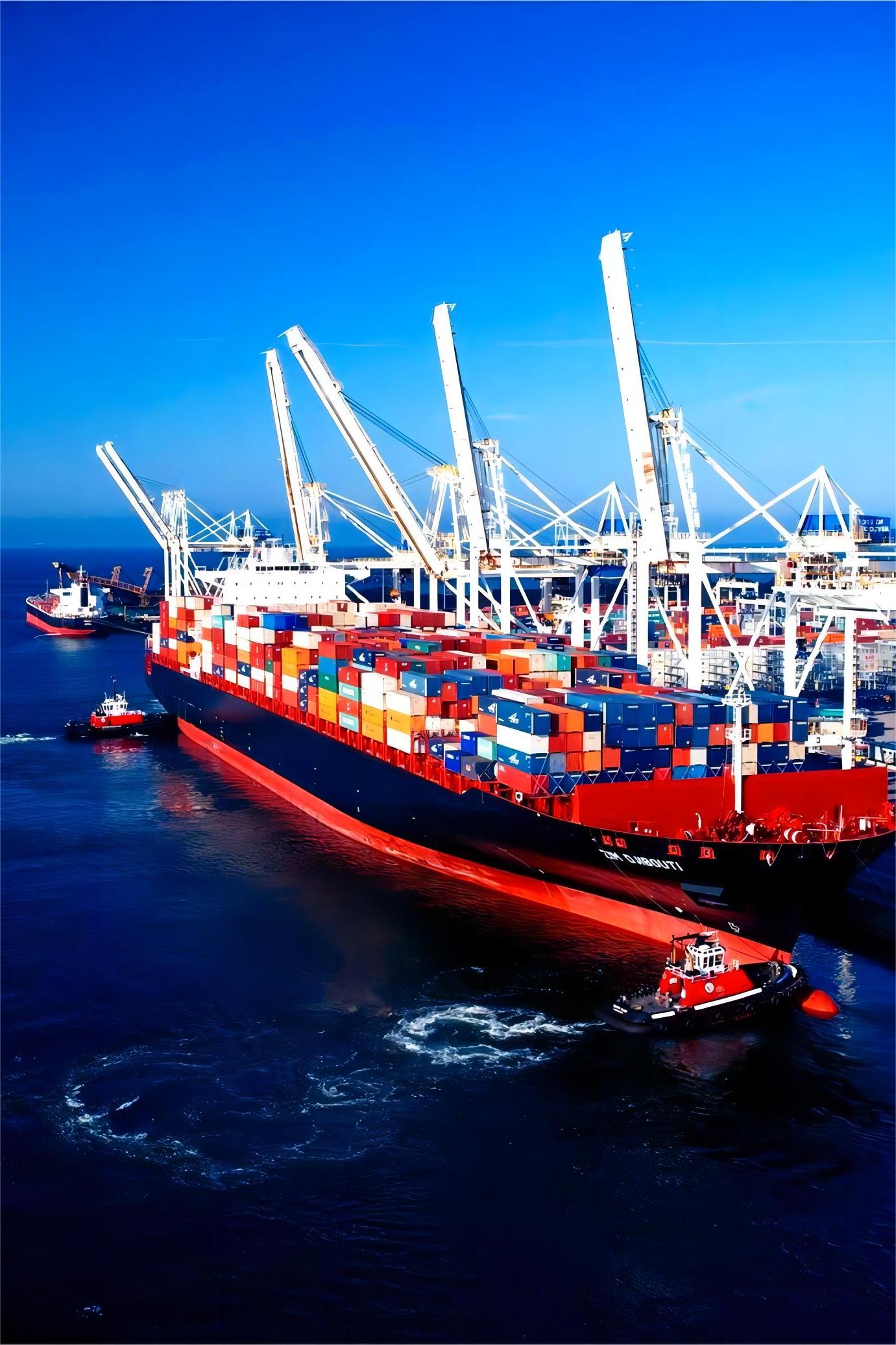
When evaluating the best way to move goods, it is essential to analyze all available transport modes. Although sea freight remains the most popular choice for bulk shipments, other methods offer distinct advantages depending on the urgency and value of the cargo. Consequently, understanding the trade-offs between cost and speed is vital for making an informed decision. For example, while air freight is significantly faster, the cost per kilogram is much higher than ocean transport.
On the other hand, express services provide a middle ground for smaller parcels that require door-to-door delivery. Meanwhile, sea freight offers the best value for large volumes, particularly when using Full Container Loads (FCL). However, the transit time for sea routes is considerably longer, requiring businesses to plan their orders well in advance. Additionally, hybrid solutions like sea-air combinations can sometimes offer a balance of cost and efficiency for specific routes.
The following table provides an objective analysis of the primary shipping methods used for the China-Australia route in 2026. This comparison helps clarify which method aligns best with your specific business objectives and budget constraints.
| Shipping Method | Cost Range | Transit Time | Best For | Limitations |
|---|---|---|---|---|
| Sea Freight (FCL) | $800 – $2,000 per container | 12 – 18 Days | Bulk goods and heavy machinery | Longer transit times |
| Air Freight | $3.50 – $6.50 per kg | 3 – 7 Days | High-value or urgent items | Highest cost per unit |
| Express Service | $6.00 – $9.00 per kg | 2 – 5 Days | Samples and small parcels | Size and weight restrictions |
| Sea Freight (LCL) | $50 – $120 per CBM | 15 – 22 Days | Small shipments over 1 CBM | Higher risk of handling damage |
Understanding Shipping Costs: FCL vs LCL for Australian Imports
Choosing between Full Container Load (FCL) and Less than Container Load (LCL) is a critical decision for every importer. Typically, sea freight is priced based on the volume and weight of the goods. FCL is generally more cost-effective if you have enough cargo to fill at least 60 percent of a 20ft container. Furthermore, FCL shipments are usually faster because they do not require the consolidation and deconsolidation processes associated with LCL.
In contrast, LCL allows smaller businesses to share container space with other shippers. This method is ideal for those who do not have enough volume for a full container but still want to benefit from sea freight rates. However, it is important to note that LCL rates are often higher per cubic meter than FCL rates. Moreover, the risk of damage or loss is slightly higher in LCL due to the increased handling of individual items at the warehouse.
Consequently, businesses should calculate their total landed cost before deciding on a method. For shipments under 15 CBM, LCL is often the more economical choice. Nevertheless, once you exceed the 15 CBM threshold, the cost of a 20GP container often becomes comparable or even cheaper. Therefore, always request quotes for both options to ensure you are receiving the best possible deal.
| Container Type | Capacity (CBM) | Estimated Price (2026) | Typical Cargo |
|---|---|---|---|
| 20GP Container | 28 – 33 CBM | $800 – $1,200 | Heavy goods like tiles or steel |
| 40GP Container | 58 – 67 CBM | $1,200 – $1,800 | General retail merchandise |
| 40HQ Container | 68 – 76 CBM | $1,400 – $2,000 | Lightweight, bulky items |
| LCL (Per CBM) | 1 – 15 CBM | $50 – $90 | Palletized goods and boxes |

Navigating Customs Brokerage and Australian Regulatory Compliance
Australia has strict biosecurity and customs regulations that every importer must follow. Indeed, utilizing a professional customs brokerage service is essential to avoid costly delays and fines. These experts ensure that all documentation, such as the Bill of Lading and Commercial Invoice, is accurately prepared. Furthermore, they can help identify applicable tariffs and free trade agreement benefits that could reduce your overall costs.
Moreover, the Australian Border Force (ABF) and the Department of Agriculture, Fisheries and Forestry (DAFF) monitor all incoming shipments. Consequently, any errors in paperwork can lead to cargo being held for inspection or even destroyed. For instance, wooden packaging must meet ISPM 15 standards to prevent the introduction of pests. Therefore, working with a knowledgeable freight forwarder ensures that your shipment meets all biosecurity requirements before it even leaves China.
Additionally, understanding the Goods and Services Tax (GST) and customs duties is vital for accurate pricing of your products. Most goods imported into Australia are subject to a 10 percent GST. However, certain exemptions may apply depending on the nature of the goods and the specific trade agreements in place. In summary, proactive compliance management is the most effective way to ensure a smooth transition through the Australian border.
Case Study 1: High-Volume Electronics from Shanghai to Sydney
A Sydney-based retailer needed to import a large volume of consumer electronics for the 2026 peak season. The cargo consisted of 22 CBM of various devices, weighing approximately 4,500 kg. After analyzing the options, they chose a 20GP FCL shipment to ensure maximum security and speed. The shipment was loaded in Shanghai and transported directly to Sydney Port.
Shipping Details: Route: Shanghai to Sydney. Cargo: Consumer Electronics, 22 CBM. Container: 20GP. Carrier: Major carrier. Port of Loading: Shanghai. Port of Discharge: Sydney. Route Type: Direct. Cost Breakdown: Ocean Freight: $1,150. Origin Charges: $250. Destination Charges: $320. Customs and Duties: $4,200 (Estimated). Total Landed Cost: $5,920. Timeline: Booking to Loading: 3 days. Sea Transit: 14 days. Customs Clearance: 2 days. Total Door-to-Door: 19 days. Key Insight: Choosing FCL provided better protection for sensitive electronics and reduced the overall transit time compared to LCL.
Case Study 2: Fast-Fashion Samples from Shenzhen to Melbourne
A fashion brand in Melbourne required urgent delivery of seasonal samples from their manufacturer in Shenzhen. Because the volume was small (0.8 CBM) and time was of the essence, they opted for air freight services. This allowed them to receive the samples and begin their marketing campaign within a week of production completion.
Shipping Details: Route: Shenzhen to Melbourne. Cargo: Garment Samples, 0.8 CBM, 120 kg. Shipping Method: Air Freight. Carrier: Premium Air Service. Port of Loading: Shenzhen (SZX). Port of Discharge: Melbourne (MEL). Route Type: Direct. Cost Breakdown: Air Freight: $620. Origin Charges: $85. Destination Charges: $110. Customs and Duties: $150. Total Landed Cost: $965. Timeline: Booking to Loading: 1 day. Air Transit: 2 days. Customs Clearance: 1 day. Total Door-to-Door: 4 days. Key Insight: While more expensive per unit, air freight was the only viable option to meet the brand’s strict marketing deadline.
The Decision Framework: Which Shipping Option Should You Choose?
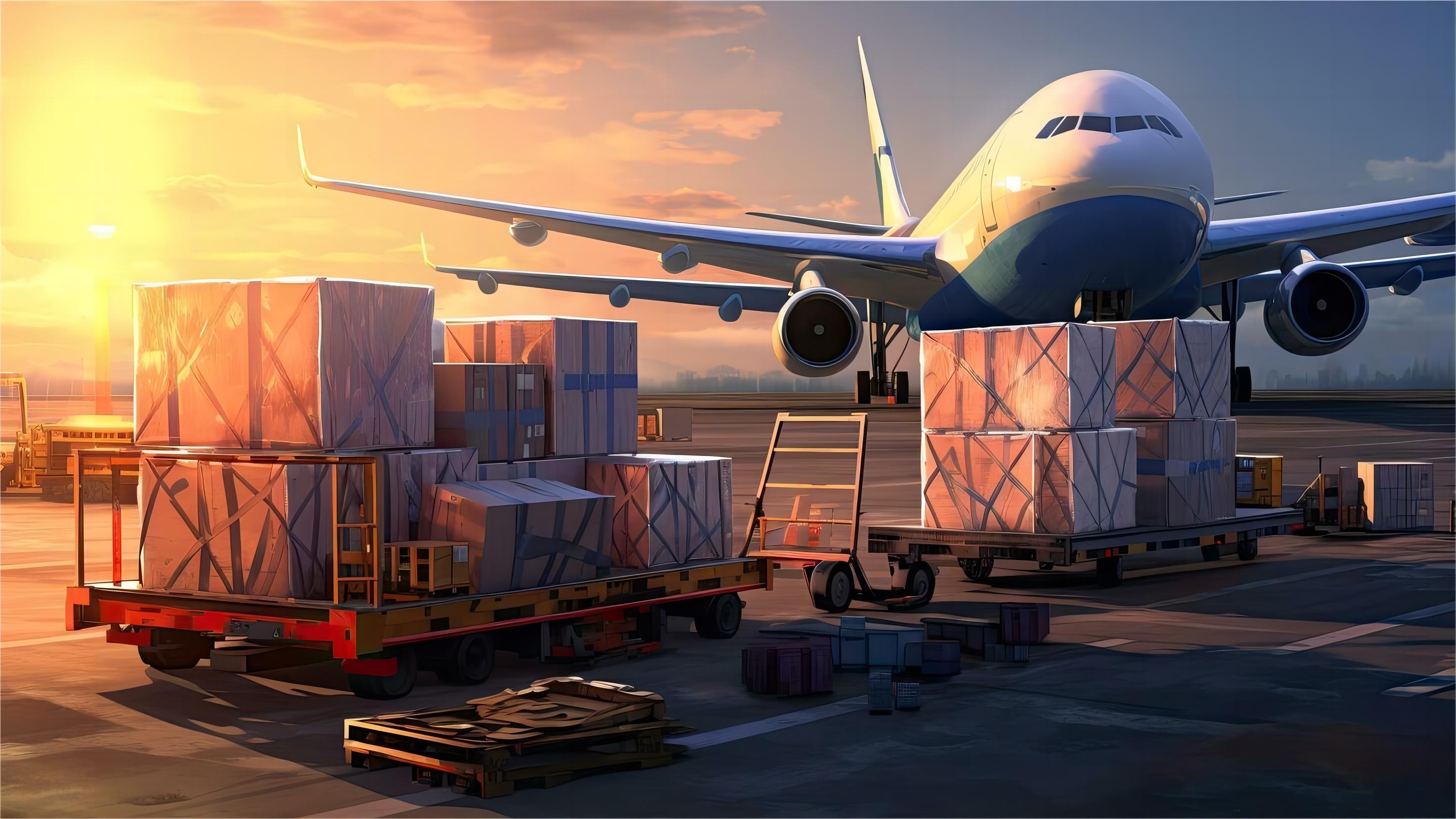
Selecting the right shipping strategy depends on your specific priorities, whether they are budget, speed, or cargo safety. For instance, if your primary goal is to minimize costs, sea freight is almost always the preferred choice. However, if you are shipping high-value items that are prone to theft or damage, the speed and security of air freight might justify the higher price tag. Consequently, you must weigh these factors against your business needs.
Additionally, consider the volume thresholds that make certain methods more attractive. Small shipments under 100kg are usually best handled via express couriers. Meanwhile, shipments between 100kg and 1000kg often fall into a grey area where either air freight or LCL could be appropriate. Furthermore, for anything over 15 CBM, a full container is typically the most efficient solution. Use the following criteria to guide your final decision.
Budget priority: Recommend Sea Freight (FCL or LCL). Speed priority: Recommend Air Freight or Express. Cargo type considerations: Recommend FCL for fragile or high-value bulk goods. Volume thresholds: Use 15 CBM as the tipping point for switching from LCL to FCL.
| Priority | Recommended Method | Key Benefit | Potential Drawback |
|---|---|---|---|
| Lowest Cost | Sea Freight (LCL) | Pay only for space used | Longer transit, more handling |
| Fastest Delivery | Express Service | Door-to-door in days | Expensive for heavy items |
| Maximum Security | Sea Freight (FCL) | Exclusive use of container | Requires larger cargo volume |
| Urgent High Value | Air Freight | Rapid transit, low risk | High environmental impact |
Cost-Saving Strategies for 2026 Shipping Routes
In the current economic climate, finding ways to reduce logistics expenses is more important than ever. One effective strategy is to consolidate multiple small orders into a single LCL or FCL shipment. Furthermore, optimizing your packaging can significantly reduce the volume of your cargo, leading to lower freight costs. Additionally, booking your shipments at least 2-3 weeks in advance can help you secure better rates and avoid peak season surcharges.
Moreover, businesses should explore the benefits of door to door services. While the upfront cost may seem higher, these comprehensive packages often eliminate hidden fees and reduce the administrative burden on your team. Consequently, you save money by avoiding the need for multiple third-party contractors. Another tip is to monitor currency fluctuations and negotiate rates in the most favorable currency when possible.
Finally, always stay informed about the latest market trends. For example, as of early 2026, freight rates have stabilized, but fuel costs remain volatile. Therefore, maintaining a flexible shipping schedule can allow you to take advantage of temporary price drops. In summary, a combination of proactive planning and strategic partnerships is the key to minimizing your shipping expenses from China to Australia.
Mastering Your Logistics from China to Australia
Successfully managing international trade requires a deep understanding of the logistics landscape. By choosing professional freight services China Australia, you ensure that your business remains resilient in the face of global supply chain challenges. Whether you prioritize the cost-effectiveness of sea freight or the speed of air cargo, the right partner will guide you through every step of the journey.
Furthermore, staying compliant with Australian customs and biosecurity regulations is non-negotiable for long-term success. As we move through 2026, the importance of transparency, reliability, and strategic planning will only continue to grow. Consequently, investing in high-quality logistics today will pay dividends in the form of customer satisfaction and business growth tomorrow. Trust the experts to handle your cargo while you focus on building your brand in the Australian market.

Ready to streamline your logistics?
Are you ready to optimize your supply chain with professional freight services China Australia? Contact our expert team today to receive a customized quote and experience seamless logistics tailored to your business needs.
Request Quote