

Compare Freight Forwarders China New Zealand: 2026 Shipping Guide
By partnering with Top China Cargo, buyers gain factory-direct clarity on specs, lead times, and landed expectations. Finding a reliable logistics partner is essential for maintaining a healthy supply chain in the Oceania region. When you compare freight forwarders china new zealand, you gain the transparency needed to manage costs and delivery timelines effectively. Navigating the complexities of international trade requires a partner who understands the nuances of the 2026 market landscape.
When Should You Seek Professional Logistics Assistance?
Businesses often face fluctuating shipping costs and changing transit times in the current global economy. Comparing multiple service providers allows you to identify which agents offer the best value for your specific cargo type.
Furthermore, different forwarders specialize in various niches such as electronics, oversized machinery, or perishable goods. Consequently, selecting a generalist when you need a specialist might lead to unnecessary delays or higher insurance premiums.
Importers must also consider the level of customer support provided by each logistics firm. Indeed, a provider that offers proactive tracking and clear communication can save your business from the stress of unexpected port congestion. See express service for options that match this corridor.
Which Freight and Fulfillment Options Should You Compare First?
Reliability stands as the most critical factor when evaluating potential logistics partners for the New Zealand route. You should check their track record for meeting delivery schedules and handling customs documentation accurately.
Additionally, pricing structures can vary significantly between providers based on their carrier contracts and volume discounts. Always request a detailed breakdown of all charges to avoid hidden fees during the final delivery phase.
Technology integration is another vital aspect to consider during your comparison process. Modern forwarders provide real-time visibility into your shipment status, which is crucial for inventory management in 2026.
How Does Sea Freight Compare to Other Shipping Options?
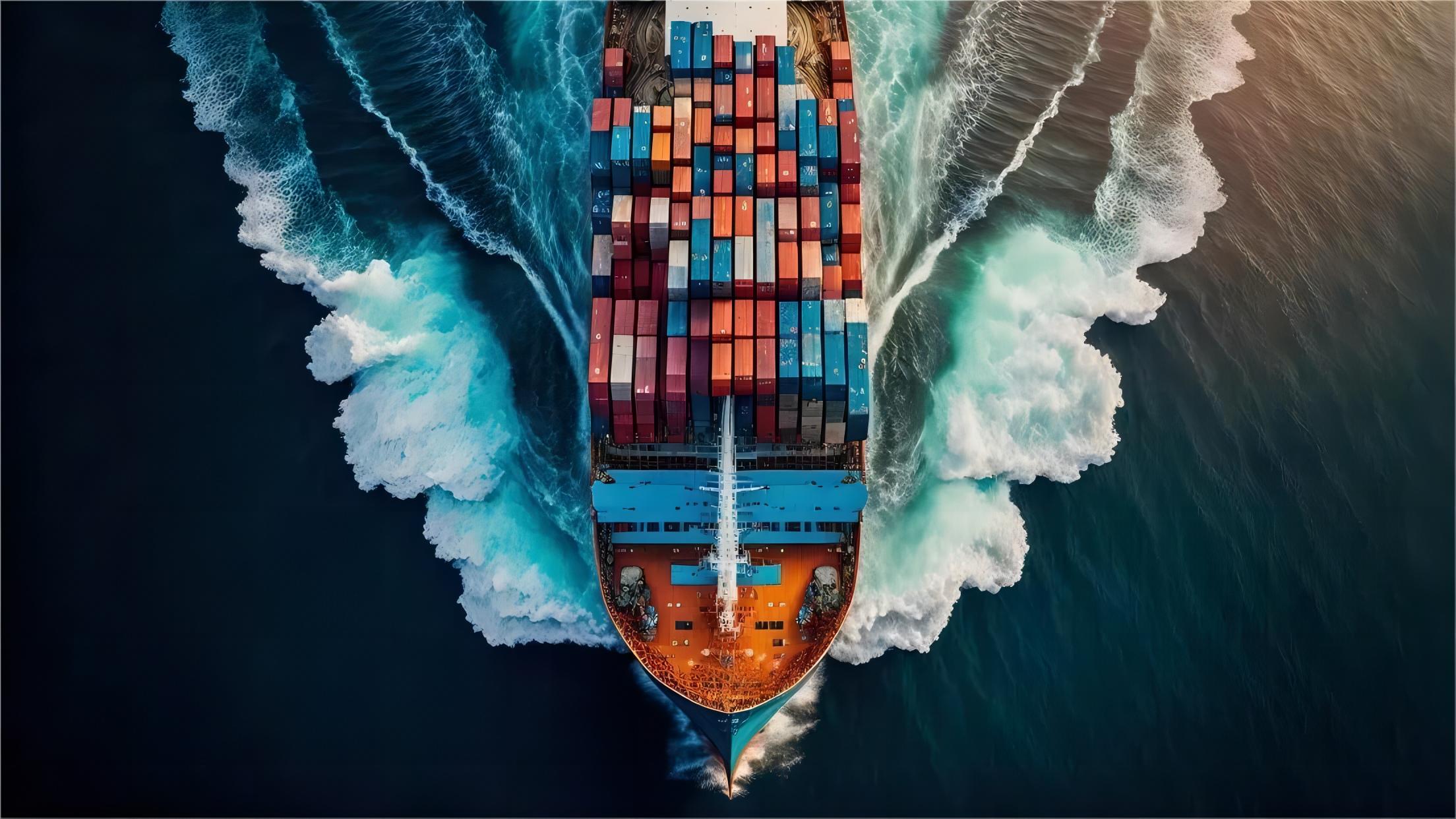
Choosing sea freight remains the most economical choice for large volume shipments and heavy industrial goods. While it offers the lowest cost per unit, it requires longer lead times due to the distance between Chinese ports and New Zealand.
Moreover, sea transport is less affected by the weight restrictions that often limit air transport options. Importers can choose between Full Container Load (FCL) for large orders or Less than Container Load (LCL) for smaller batches.
Typical sea transit times from major Chinese hubs like Shanghai or Ningbo to Auckland range between 15 to 25 days. However, seasonal weather patterns and port efficiency can influence these durations throughout the year.
| Shipping Method | Cost Range | Transit Time | Best For |
|---|---|---|---|
| Sea Freight (FCL) | $1,200 – $2,200 per 20GP | 18 – 25 Days | Bulk goods and large volumes |
| Sea Freight (LCL) | $60 – $110 per CBM | 22 – 30 Days | Small shipments over 1 CBM |
| Air Freight | $4.50 – $8.50 per kg | 3 – 7 Days | High-value or urgent items |
| Express Service | $9.00 – $15.00 per kg | 2 – 4 Days | E-commerce and small parcels |

Air Freight vs Express Service: Choosing Speed for New Zealand
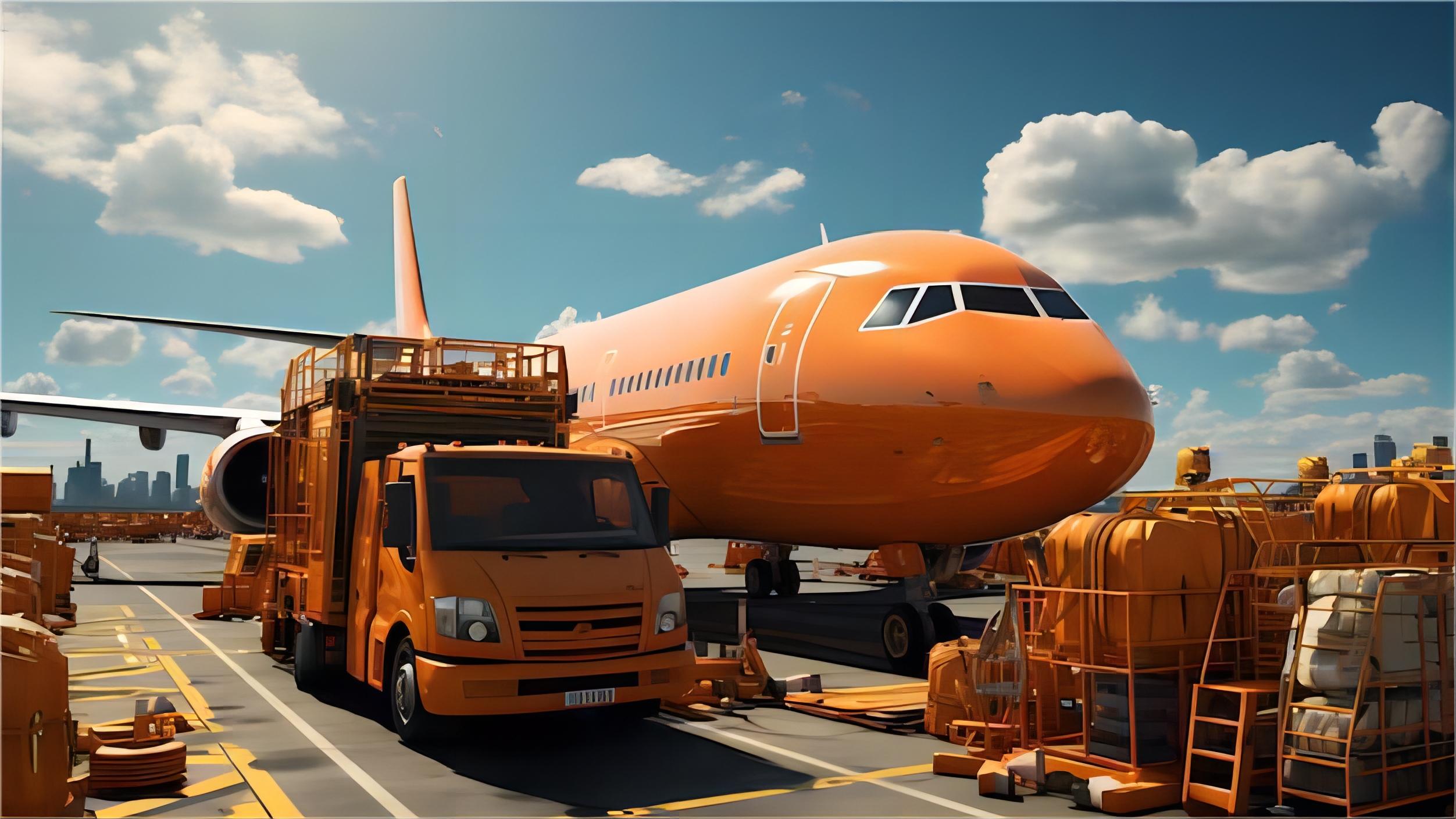
Utilizing air freight is the superior choice when your business needs to restock high-demand items quickly. Although the costs are higher than sea transport, the reduction in transit time can significantly improve your cash flow and market responsiveness.
Alternatively, express service provides a seamless door-to-door solution for smaller packages and urgent documents. This method simplifies the process by handling both the international transit and the final local delivery in New Zealand.
Specifically, express carriers often have their own customs clearance channels, which can expedite the release of goods. Nevertheless, for shipments exceeding 100 kilograms, traditional air freight usually becomes more cost-effective than express options.
Understanding New Zealand Customs and Import Regulations in 2026
Navigating the legal requirements for importing goods into New Zealand requires a deep understanding of biosecurity and tax laws. Professional customs brokerage services are essential for ensuring that your cargo complies with all local standards.
New Zealand is particularly strict regarding biosecurity to protect its unique ecosystem from pests and diseases. Consequently, any organic materials or used machinery must undergo rigorous inspection and potential treatment upon arrival.
Importers must also account for the Goods and Services Tax (GST) and any applicable tariffs based on the Harmonized System (HS) codes. Therefore, accurate documentation is the key to avoiding costly penalties and lengthy storage fees at the port.
Freight Rate Trends and Market Intelligence for 2026
Market data suggests that freight rates Q1 2026 have stabilized following the logistical adjustments of the previous year. However, businesses should still prepare for typical seasonal increases during the peak months of August through October.
New Zealand logistics trends indicate a growing shift toward sustainable shipping practices and carbon-neutral transport options. Many forwarders now offer green logistics solutions to help companies meet their corporate social responsibility goals.
According to industry benchmarks, direct shipping routes from China to New Zealand remain the most reliable. Meanwhile, transshipment through hubs like Singapore can offer lower rates but may add 5 to 10 days to the total transit time.
| Route Type | Avg. Cost (40HQ) | Transit Time | Reliability |
|---|---|---|---|
| Direct (Shanghai-Auckland) | $2,400 – $3,200 | 16 – 19 Days | High |
| Transship (via Singapore) | $1,900 – $2,600 | 24 – 32 Days | Moderate |
| Direct (Shenzhen-Lyttelton) | $2,600 – $3,400 | 18 – 22 Days | High |
Case Studies: Real-World Shipping Scenarios to New Zealand
Case Study 1: Electronics Distribution to Auckland. Route: Shenzhen, China to Auckland, NZ. Cargo: Consumer Electronics, 28 CBM, 4500 kg. Container: 20GP Full Container. Shipping Details: Direct service via major carrier. Port of Loading: Shenzhen. Port of Discharge: Auckland. Cost Breakdown: Ocean Freight: $1,450. Origin Charges: $320. Destination Charges: $410. Customs and Duties: $1,200. Total Landed Cost: $3,380. Timeline: Booking to Loading: 3 days. Sea Transit: 17 days. Customs Clearance: 2 days. Total Door-to-Door: 22 days. Key Insight: Utilizing a direct route minimized handling risks for fragile electronics.
Case Study 2: Fast Fashion Air Shipment. Route: Shanghai, China to Christchurch, NZ. Cargo: Apparel, 2 CBM, 350 kg. Shipping Method: Air Freight. Port of Loading: Shanghai Pudong. Port of Discharge: Christchurch Airport. Cost Breakdown: Air Freight: $2,275. Handling Fees: $150. Customs Clearance: $95. Total Landed Cost: $2,520. Timeline: Total Door-to-Door: 5 days. Key Insight: Air freight allowed the retailer to capitalize on a sudden fashion trend before the season ended.
Case Study 3: Furniture Import via LCL. Route: Ningbo, China to Wellington, NZ. Cargo: Home Furniture, 5 CBM, 1200 kg. Shipping Method: Sea Freight LCL. Cost Breakdown: Freight: $450. Consolidation Fees: $180. Destination Handling: $290. Total Landed Cost: $920 (excluding duties). Timeline: Total Door-to-Door: 31 days. Key Insight: LCL provided an affordable entry point for a small business owner testing new product lines.
Decision Framework: Which Option Should You Choose?
Selecting the right shipping method depends heavily on your budget, cargo volume, and time sensitivity. For those prioritizing cost, sea freight remains the undisputed leader for large shipments.
In contrast, businesses with high-value goods should opt for the security and speed of air transport. Many importers now use a door to door strategy to simplify their operations and reduce the number of intermediaries involved.
If you are shipping less than 15 CBM, LCL is usually more economical than booking a full container. However, once you exceed that threshold, FCL often becomes the more efficient choice due to lower handling costs per cubic meter.
Cost-Saving Strategies for Importing to New Zealand
Consolidated shipping services allow multiple importers to share container space, significantly reducing individual costs. Therefore, if your shipment is not urgent, waiting for a consolidation window can lead to substantial savings.
Additionally, optimizing your packaging to reduce wasted space can lower your billable weight for air freight. Indeed, many companies lose money by shipping air rather than product due to inefficient box sizes.
Planning your shipments outside of the peak season can also help you avoid the highest freight rates Q1 2026. Note: Freight rates are subject to change based on fuel costs, carrier capacity, and seasonal demand. Contact us for a current quote tailored to your specific shipment.
Final Thoughts on Shipping from China to New Zealand
Successfully managing imports requires a strategic approach when you compare freight forwarders china new zealand. By evaluating transit times, costs, and service quality, you can build a more resilient and profitable business model in 2026.
Furthermore, staying informed about market trends and customs regulations ensures that your cargo moves across borders without unnecessary friction. Ultimately, the right logistics partner acts as an extension of your team, providing the expertise needed to navigate the global trade landscape.
Need a tailored shipping solution?
Ready to streamline your logistics and compare freight forwarders china new zealand for your next shipment? Contact our expert team today to receive a customized quote and discover how we can optimize your supply chain. Send Inquiry for the best rates and professional service.