

China to Australia Container Shipping Cost Calculator Tool 2026
Finding an accurate China to Australia container shipping cost calculator tool is essential for businesses looking to manage their 2026 logistics budgets effectively. Navigating the complexities of international trade requires precise data to avoid unexpected overheads during the transit process. At Top China Cargo, we provide the expertise needed to streamline your supply chain from major Chinese ports to every corner of Australia. This guide explores how to calculate your expenses while highlighting the current market trends affecting the Oceania trade lane.
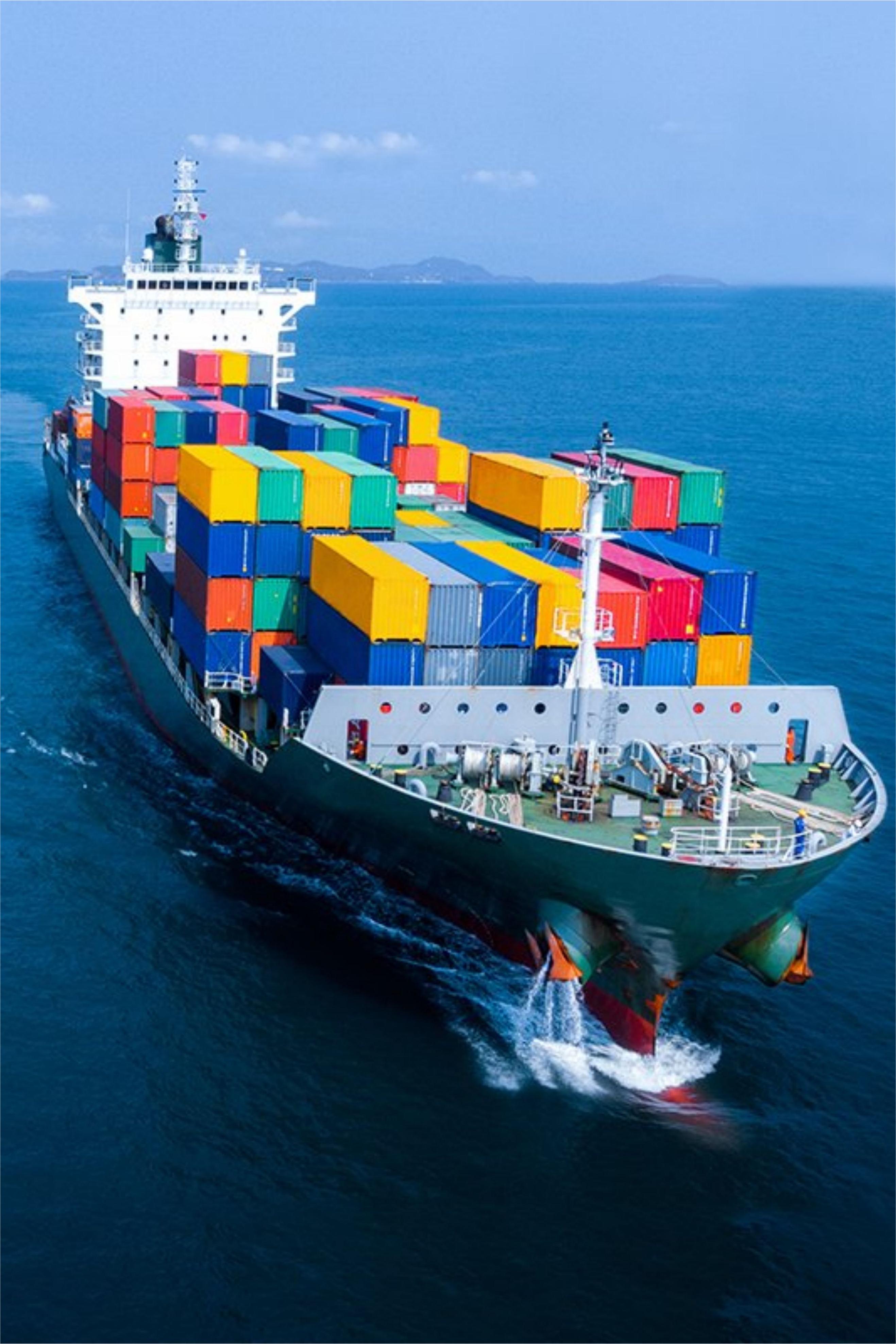
What Is the China to Australia Container Ocean Freight Schedule?
A digital calculator processes several variables to provide an estimated freight rate based on real-time market data. Specifically, it considers the origin port, destination port, and the physical dimensions of your cargo.
Moreover, the tool accounts for current fuel surcharges and seasonal demand spikes that characterize the 2026 shipping landscape. Users simply input their shipment details to receive a breakdown of ocean freight and local charges.
Consequently, these tools help importers compare different service levels without waiting for manual quotes from multiple agents. Understanding these automated estimates allows for better financial planning and inventory management.
However, it is vital to remember that a China to Australia container shipping cost calculator tool provides estimates that may fluctuate based on carrier capacity. For the most accurate results, checking the latest data for shipping to Australia is highly recommended.
Input Variables for Accurate Results
Accurate inputs are the foundation of any reliable freight calculation. You must specify whether you are shipping a Full Container Load (FCL) or Less than Container Load (LCL).
Additionally, the weight and volume of the goods significantly impact the final price. Providing the correct Harmonized System (HS) code ensures that the calculator also estimates potential duties and taxes.
Key Factors Influencing Your Shipping Rates in 2026
Several external factors determine the final price you see on a China to Australia container shipping cost calculator tool. Fuel prices, officially known as the Bunker Adjustment Factor (BAF), remain a primary driver of volatility.
Furthermore, port congestion in major hubs like Shanghai or Sydney can lead to surcharges. These delays often force carriers to adjust their schedules, resulting in increased operational costs for the shipping lines.
Market demand also plays a significant role, especially during the peak season leading up to the end-of-year holidays. Indeed, rates can rise by 20 percent or more during these high-volume periods.
| Factor | Impact Level | Description | Trend for 2026 |
|---|---|---|---|
| Fuel Prices | High | Directly affects BAF surcharges | Volatile |
| Port Fees | Medium | Local handling and THC charges | Slight Increase |
| Seasonality | High | Peak season demand spikes | Predictable |
| Capacity | Medium | Vessel space availability | Stable |
Understanding FCL vs. LCL: Which One Saves You Money?
Choosing between FCL and LCL is one of the most important decisions for any importer. For large shipments, sea freight via FCL offers the lowest cost per unit and better security.
In contrast, LCL is ideal for smaller volumes where you only pay for the space your cargo occupies. This method involves consolidating your goods with other shippers, which might add a few days to the transit time.
Nevertheless, LCL can be more expensive per cubic meter due to the additional handling and documentation involved. Therefore, analyzing your total volume is crucial before finalizing your shipping method.
| Container Type | Capacity (CBM) | Best For | 2026 Rate Range |
|---|---|---|---|
| 20GP FCL | 33 CBM | Heavy or medium cargo | $850 – $1,300 |
| 40GP FCL | 67 CBM | Large volume goods | $1,300 – $1,900 |
| 40HQ FCL | 76 CBM | Bulky or tall items | $1,500 – $2,100 |
| LCL | Per CBM | Small shipments | $40 – $90 |

How Does Sea Freight Compare to Other Shipping Options?
While sea freight is the most common method for the China-Australia route, other options exist for specific needs. For example, urgent shipments often require faster transit times than ocean vessels can provide.
It is important to note that rail freight is not a viable option for this specific route due to the geographical separation by the ocean. Consequently, businesses must choose between sea, air, and express services.
As a result, sea freight remains the most economical choice for bulk commodities and heavy machinery. In contrast, air freight is reserved for high-value or time-sensitive electronics and perishables.
| Shipping Method | Cost Range | Transit Time | Best For |
|---|---|---|---|
| Sea Freight | Low ($) | 12 – 22 Days | Bulk & Large Volume |
| Air Freight | High ($$$) | 3 – 7 Days | High-Value Goods |
| Express | Highest ($$$$) | 2 – 5 Days | Documents & Samples |
Hidden Costs to Watch Out For When Calculating Freight
A basic China to Australia container shipping cost calculator tool might only show the ocean freight rate. However, several additional fees can significantly increase the total landed cost of your goods.
Specifically, terminal handling charges (THC) and documentation fees are standard at both the origin and destination ports. Furthermore, engaging a professional customs brokerage is necessary to navigate Australian Border Force requirements.
Additionally, you should account for quarantine inspection fees, especially for wooden packaging or organic materials. These charges are mandatory and can cause delays if the cargo is not properly treated or documented.
Meanwhile, marine insurance is a small but critical expense that protects your investment against unforeseen accidents. Without a doubt, skipping insurance is a risk that most professional importers avoid.
Door to Door vs. Port to Port: Selecting the Right Service
Choosing a door to door service simplifies the entire logistics chain by putting one provider in charge. This option covers everything from factory pickup in China to final delivery at your Australian warehouse.
On the other hand, port-to-port shipping requires you to manage the inland transportation at both ends. This might save some money if you have your own trucking contracts, but it increases the complexity of the operation.
Consequently, many small to medium enterprises prefer the convenience of an all-inclusive quote. This approach reduces the risk of communication errors between different logistics providers.
Expedited Solutions for Small Shipments
When your shipment is too small for a full container and too urgent for standard sea freight, express service is the answer. This method utilizes courier networks like DHL, FedEx, or UPS for rapid delivery.
Moreover, express shipping includes customs clearance in the service price, making it very user-friendly for new importers. It is particularly effective for sending product samples or urgent replacement parts.
However, the cost per kilogram is much higher than ocean freight. Therefore, it is best to use this method sparingly to maintain your profit margins.
Real Case Studies: China to Australia Logistics in 2026
Examining real-world examples helps clarify how a China to Australia container shipping cost calculator tool translates into actual expenses. These cases reflect typical shipments handled during the first half of 2026.
Case Study 1: Shanghai to Sydney. A furniture retailer imported a 20GP container of home decor. The ocean freight was $950, with total landed costs reaching $1,850 after all port fees and customs duties were applied. Transit time was 14 days.
Case Study 2: Shenzhen to Melbourne. An electronics distributor used LCL for 5 CBM of components. The freight cost was $350, but destination charges and local delivery added $600 to the total. The shipment arrived in 18 days.
Case Study 3: Ningbo to Brisbane. A construction firm shipped a 40HQ container of steel fixtures. Ocean freight was $1,650, with a total door-to-door cost of $3,100. The process took 21 days from factory pickup to site delivery.

Which Option Should You Choose? Decision Framework
Deciding on the best shipping method requires a balance between budget, speed, and cargo volume. If your priority is the lowest possible cost and your timeline is flexible, sea freight FCL is the winner.
In contrast, if you are shipping inventory for Amazon FBA and need it in stock within a week, air freight is necessary. For volumes between 1 and 15 CBM, LCL usually provides the best value.
Furthermore, always consider the nature of your cargo. Fragile or high-value items might benefit from the reduced handling involved in FCL or air freight options.
To summarize, use a China to Australia container shipping cost calculator tool to run different scenarios. This data-driven approach ensures you select the most efficient path for your specific business needs.
Mastering Your 2026 Shipping Strategy
Successfully managing imports requires a deep understanding of the China to Australia container shipping cost calculator tool and the variables it measures. By staying informed about market trends and hidden fees, you can protect your margins and ensure timely deliveries.
Whether you choose FCL, LCL, or express services, the key is to work with a reliable partner who understands the Oceania route. Start planning your next shipment today to secure the best possible rates in the current market.
Ready to streamline your logistics?
Ready to streamline your logistics? Use our China to Australia container shipping cost calculator tool today to get the most competitive rates for your 2026 shipments. Contact Top China Cargo for a personalized quote and expert guidance. Send Inquiry
Request Quote