

China to Australia Ecommerce Fulfillment Warehouse Service: 2026 Guide
“By partnering with Top China Cargo, buyers gain factory-direct clarity on specs, lead times, and landed expectations. Managing a global supply chain requires precision and reliability in the modern market. Businesses looking to scale in 2026 often seek a robust china to Australia ecommerce fulfillment warehouse service to streamline their operations and reduce overhead costs. This comprehensive guide explores how localized warehousing and efficient logistics can transform your delivery speed and customer satisfaction across the Australian continent.”
✦
What is a China to Australia Ecommerce Fulfillment Warehouse Service?
Specifically, this service encompasses the entire journey of a product from the Chinese manufacturing floor to the Australian consumer’s doorstep. It integrates storage, picking, packing, and international shipping into a single, cohesive workflow. Consequently, merchants can focus on marketing and growth while logistics experts handle the complexities of cross-border movement.
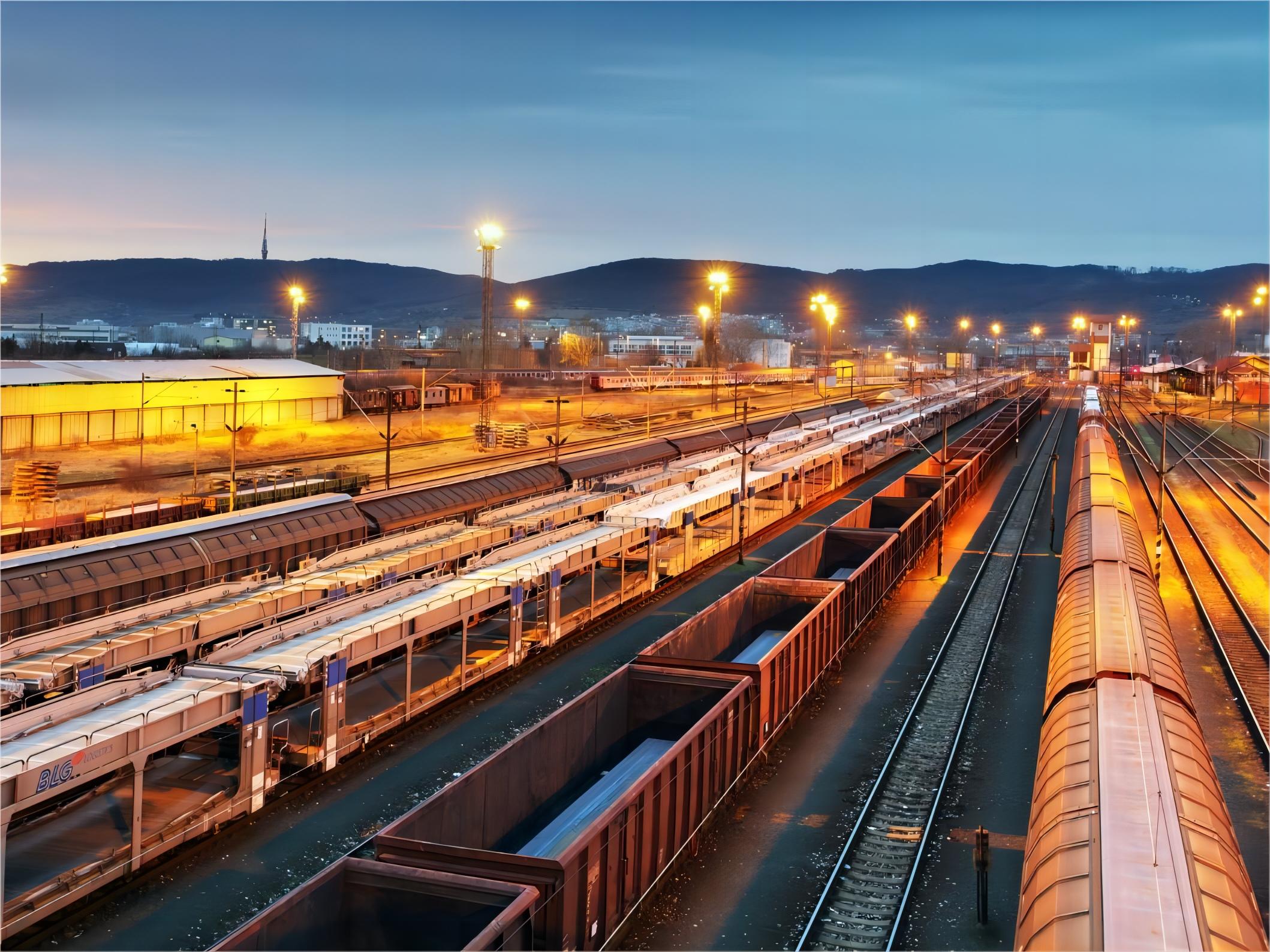
Furthermore, utilizing a specialized warehouse in China allows for consolidation of goods from multiple suppliers. This strategy significantly reduces shipping costs by maximizing container space and minimizing individual package fees. Therefore, businesses can maintain a leaner inventory model while ensuring that products are always ready for rapid dispatch.
How Does Sea Freight Compare to Other Shipping Options?
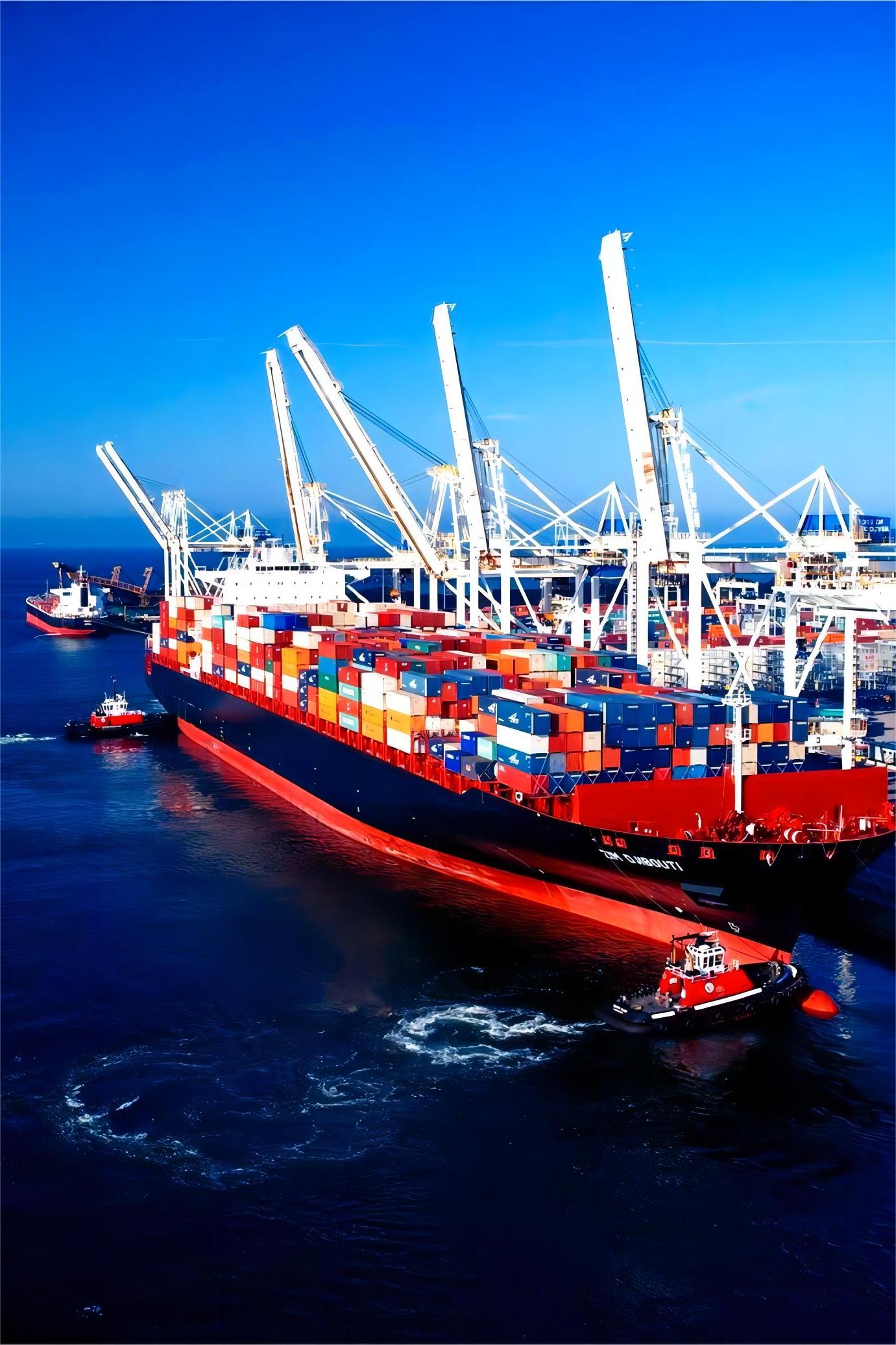
Comparing different logistics modes is essential for maintaining a healthy profit margin in the competitive Australian e-commerce landscape. While sea freight remains the most cost-effective solution for bulk shipments, it requires longer lead times. On the other hand, air freight offers unparalleled speed for high-value or time-sensitive inventory.
Moreover, the choice between these methods depends heavily on your cargo volume and budget constraints. For instance, a 20GP container provides a fixed cost that is often lower per unit than LCL shipments for larger inventories. Indeed, many successful sellers use a hybrid approach, utilizing sea freight for base stock and air freight for seasonal spikes or stockouts.
| Shipping Method | Cost Range (USD) | Transit Time | Best For |
|---|---|---|---|
| Sea Freight (FCL) | $800 – $2,000 | 12-18 Days | Bulk inventory and heavy goods |
| Sea Freight (LCL) | $50 – $120/CBM | 15-22 Days | Small to medium shipments |
| Air Freight | $4.50 – $9.00/kg | 3-7 Days | High-value or urgent stock |
| Express Service | $7.00 – $14.00/kg | 2-5 Days | Samples and small parcels |
Which Option Should You Choose for Your Australia Fulfillment?
Deciding on the right fulfillment strategy involves analyzing your specific business needs and customer expectations. If your primary goal is budget optimization, sea freight combined with a local distribution center in Sydney or Melbourne is usually the best path. However, if you prioritize speed and have high-margin products, express service might be more suitable.
Additionally, you must consider the volume thresholds that make certain methods more economical. For shipments under 15 CBM, LCL is often the smarter choice, whereas FCL becomes more cost-effective once you exceed that volume. To summarize, your decision framework should balance transit speed, landed cost, and the reliability of the last-mile delivery network.
Navigating Australian Customs and Compliance in 2026
Importing goods into Australia requires strict adherence to the Department of Home Affairs and Australian Border Force regulations. Every door to door shipment must include accurate commercial invoices, packing lists, and packing declarations. Consequently, any errors in documentation can lead to significant delays and expensive storage fees at the port of discharge.
Indeed, understanding the Goods and Services Tax (GST) requirements is vital for e-commerce sellers. Since most low-value imports are now subject to GST, having a clear tax strategy is essential for maintaining compliance. Furthermore, certain products may require specific permits or treatments, such as fumigation for timber-based items, to pass biosecurity checks.
| Document Type | Required For | Purpose | Responsibility |
|---|---|---|---|
| Commercial Invoice | All Shipments | Valuation and duty calculation | Seller/Supplier |
| Packing List | All Shipments | Inventory verification | Warehouse/Supplier |
| Packing Declaration | Sea Freight | Biosecurity compliance | Freight Forwarder |
| Certificate of Origin | Preferential Tariffs | Duty reduction (ChAFTA) | Exporter |
Optimizing the Supply Chain with a China to Australia Ecommerce Fulfillment Warehouse Service
Efficiency in the supply chain is achieved through seamless integration between the warehouse management system and your sales platform. When you utilize a specialized amazon fba prep or fulfillment service in China, you reduce the time your stock spends in transit. Meanwhile, real-time tracking provides transparency for both the merchant and the end consumer.
Consequently, the ability to process orders within hours of receipt in the Chinese warehouse gives you a competitive edge. This rapid turnaround time ensures that even cross-border shipments feel like local deliveries to the Australian buyer. Therefore, investing in high-quality fulfillment services is not just a cost, but a strategic move to increase customer lifetime value.
Real-World Case Studies for China to Australia Shipments
Case Study 1: Electronics Distribution Success. Route: Shenzhen, China to Sydney, Australia. Cargo: Consumer electronics, 12 CBM, 2,400 kg. Container: LCL. Shipping Details: Major carrier via direct route. Port of Loading: Shenzhen. Port of Discharge: Sydney. Cost Breakdown: Ocean Freight: $1,100; Origin Charges: $250; Destination Charges: $400; Customs and Duties: $850; Total Landed Cost: $2,600. Timeline: Booking to Loading: 3 days; Sea Transit: 14 days; Customs Clearance: 2 days; Total Door-to-Door: 19 days. Key Insight: Consolidating multiple SKUs into one LCL shipment reduced the per-unit shipping cost by 15 percent compared to individual air parcels.
Case Study 2: Home Decor Bulk Import. Route: Ningbo, China to Melbourne, Australia. Cargo: Furniture and decor, 68 CBM, 12,000 kg. Container: 40HQ. Shipping Details: Direct service via COSCO. Port of Loading: Ningbo. Port of Discharge: Melbourne. Cost Breakdown: Ocean Freight: $1,900; Origin Charges: $350; Destination Charges: $500; Customs and Duties: $2,200; Total Landed Cost: $4,950. Timeline: Booking to Loading: 5 days; Sea Transit: 18 days; Customs Clearance: 3 days; Total Door-to-Door: 26 days. Key Insight: Using a 40HQ container maximized the volume-to-cost ratio, making it the most economical choice for bulky items in early 2026. Note: Freight rates are subject to change based on fuel costs, carrier capacity, and seasonal demand. Contact us for a current quote tailored to your specific shipment.
Strategic Warehouse Locations: Why Proximity Matters
Choosing a warehouse location in China that is close to major ports like Shenzhen, Ningbo, or Shanghai is critical for reducing inland transit times. These hubs offer the highest frequency of sailings to Australia, providing more flexibility in your shipping schedule. Additionally, proximity to manufacturers allows for faster restock cycles and better quality control inspections.
On the Australian side, having a distribution partner in Sydney or Melbourne ensures that the majority of the population can receive their orders within 1-3 days of arrival. This dual-sided approach to warehousing minimizes the total transit time from factory to door. As a result, your business can compete with local Australian retailers on delivery speed while maintaining Chinese manufacturing prices.

Mastering Your Australia Fulfillment Strategy
To summarize, implementing a china to Australia ecommerce fulfillment warehouse service is a transformative step for any growing e-commerce brand. By balancing sea and air freight, maintaining strict customs compliance, and utilizing strategic warehouse locations, you can significantly enhance your operational efficiency. Indeed, the logistics landscape of 2026 demands a proactive approach to supply chain management.
Ultimately, the goal is to provide a seamless experience for your Australian customers while keeping your costs manageable. Partnering with a reliable 3PL provider ensures that you have the expertise and infrastructure needed to navigate the complexities of international trade. Start optimizing your route today to secure your position in the thriving Australian market.