

China to France Warehouse Fulfillment Logistics Service: 2026 Guide
Developing a robust China to France warehouse fulfillment logistics service is essential for any business looking to dominate the European e-commerce market in 2026. Top China Cargo offers specialized solutions that integrate manufacturing hubs in China with localized distribution centers across France. Consequently, this strategic approach reduces transit times and enhances customer satisfaction by ensuring products are available exactly when needed.
What is China to France Warehouse Fulfillment Logistics Service?
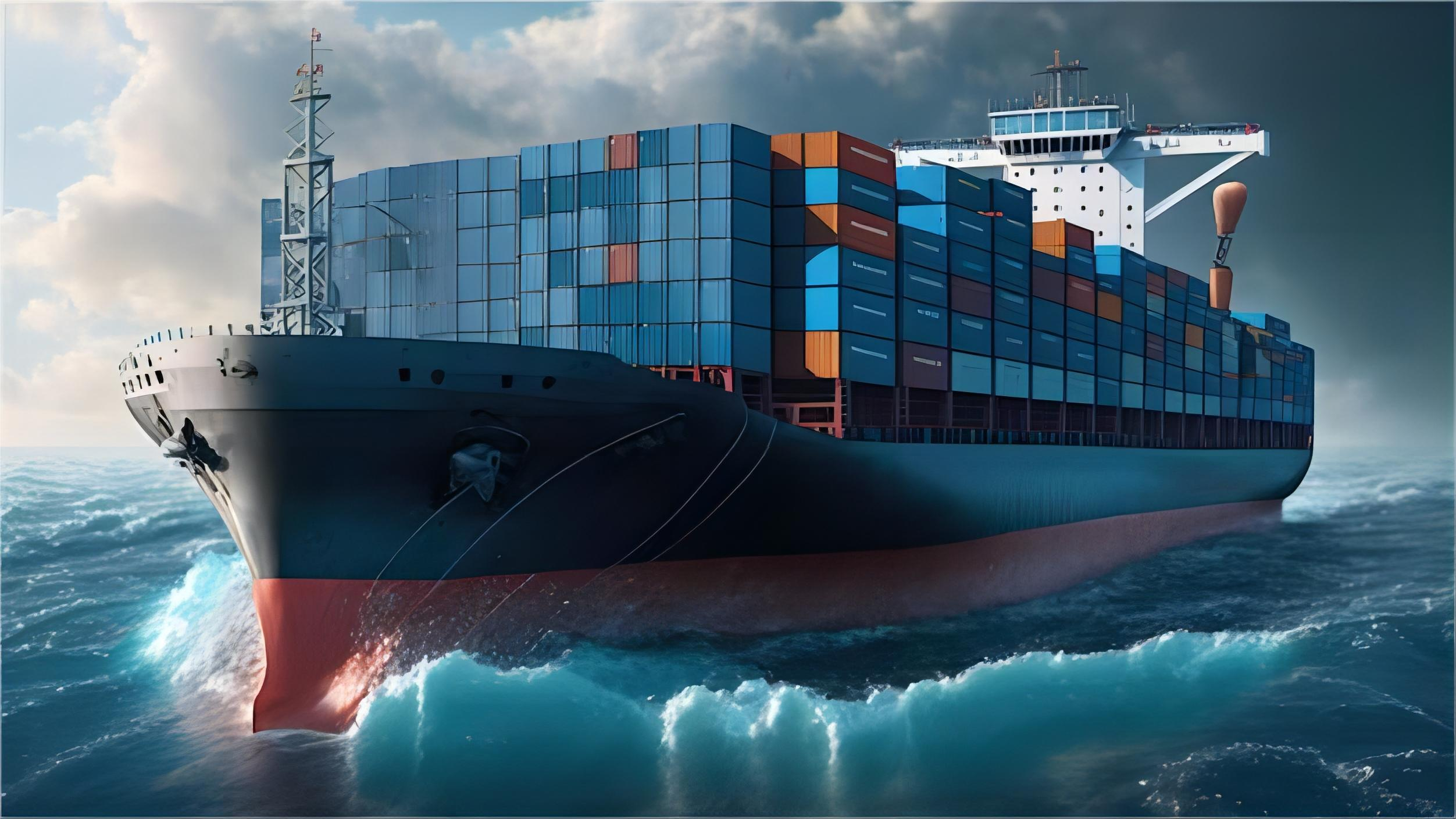
Fulfillment logistics involves the entire process of receiving, processing, and delivering orders to end consumers in France. Specifically, this service encompasses warehousing in China, international transit, French customs clearance, and last-mile delivery. Many businesses now utilize bonded warehouses in China to consolidate goods before shipping them to French distribution hubs.
Moreover, the integration of technology allows real-time tracking of inventory levels across both continents. This visibility is crucial for maintaining a lean supply chain and avoiding stockouts during peak seasons. Therefore, a comprehensive logistics strategy must account for every touchpoint from the factory floor to the customer doorstep.
Additionally, the 2026 market landscape demands higher speed and lower costs than ever before. Companies that master their China to France warehouse fulfillment logistics service can often undercut competitors by optimizing their landed costs. Ultimately, the goal is to create a seamless flow of goods that feels local to the French consumer.
How Does Sea Freight Compare to Other Shipping Options?
Evaluating the best transport mode is a critical step in setting up your fulfillment chain. While sea freight remains the most popular choice for high-volume shipments, it is not always the best fit for every business model. For instance, high-value electronics may require the speed of air transport to maintain cash flow.
Furthermore, rail freight has emerged as a powerful middle-ground solution for the China-Europe corridor. It offers faster transit than the ocean while being significantly cheaper than air transport. However, sea freight continues to offer the lowest cost per unit for large, bulky items such as furniture or industrial machinery.
In contrast, air freight is the gold standard for time-sensitive inventory. If you are launching a new product or replenishing stock for a flash sale, the higher cost of air transport is often justified by the avoided lost revenue of being out of stock.
| Shipping Method | Cost Range | Transit Time | Best For |
|---|---|---|---|
| Sea Freight (FCL) | $3,200 – $4,800 | 30-40 Days | Bulk Inventory |
| Air Freight | $5.50 – $8.50/kg | 5-8 Days | High-Value Goods |
| Rail Freight | $120 – $180/CBM | 18-22 Days | Mid-range Budget |
| Express Service | $9.00 – $14.00/kg | 3-5 Days | Urgent Samples |
Transit Times and Delivery Schedules for 2026
Navigating the 2026 shipping calendar requires an understanding of seasonal fluctuations and port capacities. Typically, transit times from major Chinese ports like Shanghai or Shenzhen to Marseille or Le Havre range between 30 and 45 days for ocean shipments. Meanwhile, air freight can reach Paris Charles de Gaulle airport in less than a week.
Consequently, businesses must plan their inventory cycles at least three months in advance to account for potential delays. During the Q4 peak season, congestion at major French ports can add 5 to 10 days to the standard schedule. Therefore, booking your space early is a prerequisite for maintaining consistent fulfillment levels.
Notably, the expansion of the ‘Iron Silk Road’ has stabilized rail schedules between Xi’an and Lyon. This route provides a reliable alternative when sea lanes are congested or air rates spike. Indeed, many e-commerce sellers now use a hybrid model, spliting their inventory between sea and rail to balance cost and speed.
Which Option Should You Choose?
Budget priority: If your primary goal is to minimize costs, sea freight is the clear winner. This method allows you to ship large volumes at the lowest possible price point, though it requires the longest lead times.
Speed priority: For businesses that need to react quickly to market trends, air freight or express services are the only viable options. These methods ensure that products reach the French market while demand is still high.
Cargo type considerations: Perishable goods or high-fashion items often dictate the shipping method regardless of cost. In these cases, the speed of air transport preserves the value of the cargo.
Volume thresholds: For shipments under 2 CBM, LCL (Less than Container Load) or express shipping is usually more economical. Once you exceed 15 CBM, a 20GP container becomes the more cost-effective choice.
Optimizing E-commerce with Amazon FBA France
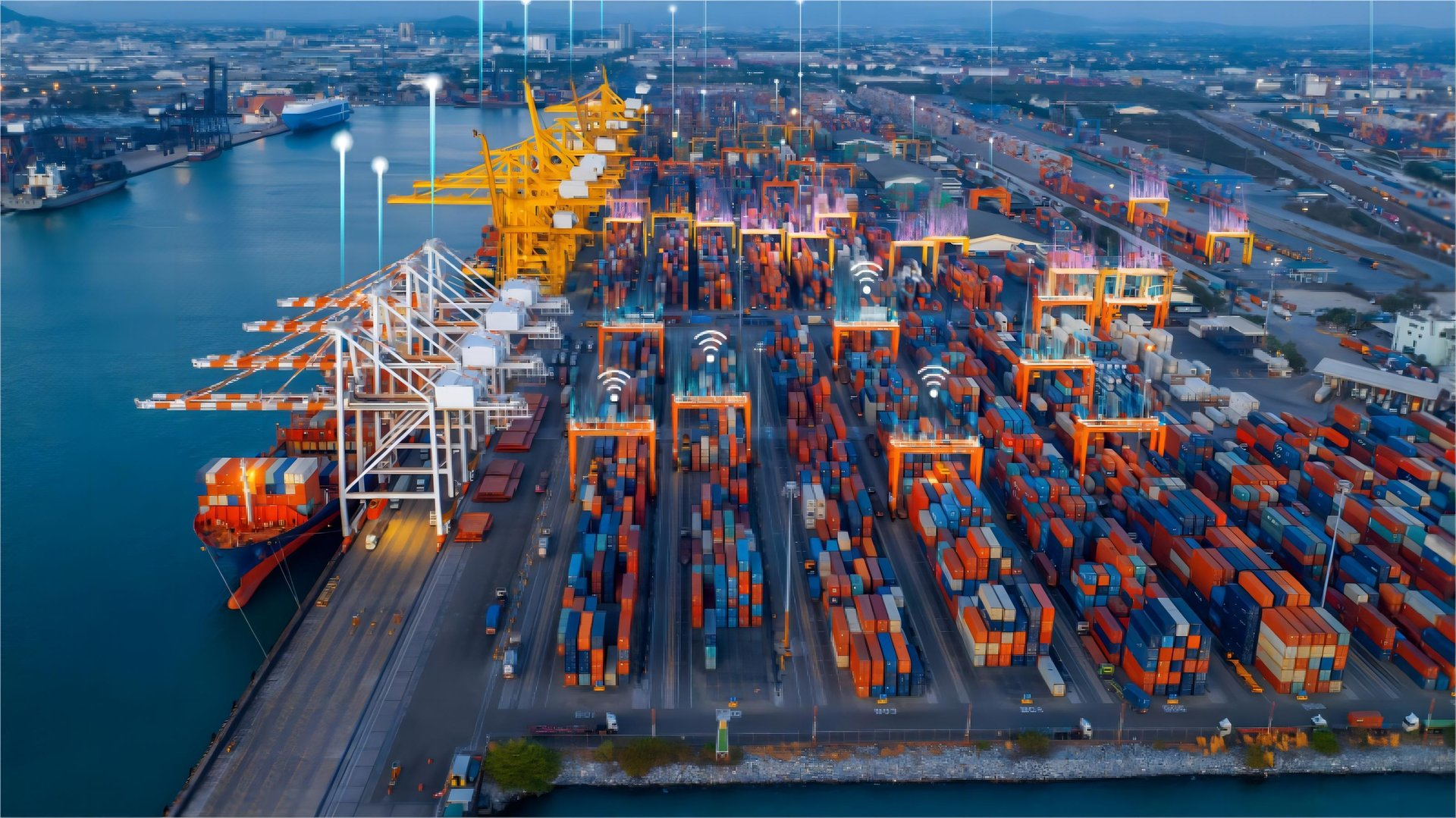
Selling on European marketplaces often requires a specialized Amazon FBA strategy. Because Amazon has strict requirements for palletization and labeling, your logistics partner must be well-versed in these standards. Failure to comply can result in rejected shipments and costly storage fees at the fulfillment center.
Additionally, many sellers choose to store their bulk inventory in a third-party warehouse in France and drip-feed stock into Amazon’s network. This hybrid approach helps avoid high long-term storage fees charged by Amazon. Furthermore, it provides more flexibility for multi-channel fulfillment if you sell on other platforms like Cdiscount or Fnac.
Accordingly, choosing a logistics provider that offers prep services in China can save significant labor costs. By labeling and packaging goods at the source, you ensure that products are ready for immediate distribution upon arrival in Europe. This efficiency is a hallmark of a high-quality China to France warehouse fulfillment logistics service.
Essential Customs Documentation for France Imports
Clearing customs in France involves navigating complex EU regulations and VAT requirements. Without a professional customs brokerage service, your shipment could be delayed for weeks or even seized. Specifically, you must ensure that all products comply with CE marking and other safety standards required in the European Union.
Moreover, the EORI (Economic Operators Registration and Identification) number is mandatory for all businesses importing into France. Consequently, you should verify your registration status well before the cargo leaves China. In addition, accurate HS code classification is vital to ensure you are paying the correct duty rates and avoiding penalties.
Indeed, many importers now utilize the Import One-Stop Shop (IOSS) for smaller e-commerce shipments. This system simplifies the collection and payment of VAT for goods valued under 150 EUR. For larger shipments, working with a fiscal representative in France can help manage VAT deferment and improve your company’s cash flow.
| Document Name | Required For | Key Information |
|---|---|---|
| Commercial Invoice | All Shipments | Value, HS Codes |
| Packing List | All Shipments | Weight, Dimensions |
| Bill of Lading | Sea/Rail Freight | Title to the Goods |
| Certificate of Origin | Duty Reductions | Proof of Manufacture |
Alternative Shipping Strategies and Hybrid Solutions
Standard shipping methods are not always the most efficient way to manage a China to France warehouse fulfillment logistics service. For example, sea-air solutions involve shipping goods by sea to a hub like Dubai and then flying them to France. This strategy can reduce transit time by 50% compared to pure sea freight while saving 40% on costs compared to pure air freight.
Similarly, utilizing rail freight as a backup during maritime disruptions has become a standard practice in 2026. If port congestion in Ningbo becomes unmanageable, shifting cargo to the rail terminals in Chengdu can keep your supply chain moving. Therefore, having a multi-modal logistics contract provides a necessary safety net.
Another alternative is the use of ‘Direct Injection’ models for e-commerce. In this scenario, individual orders are packed in China and shipped via consolidated air freight directly to the French postal system. While this bypasses the need for a French warehouse, it requires a very high volume of daily orders to be cost-effective.
Real-World Case Studies: China to France Logistics
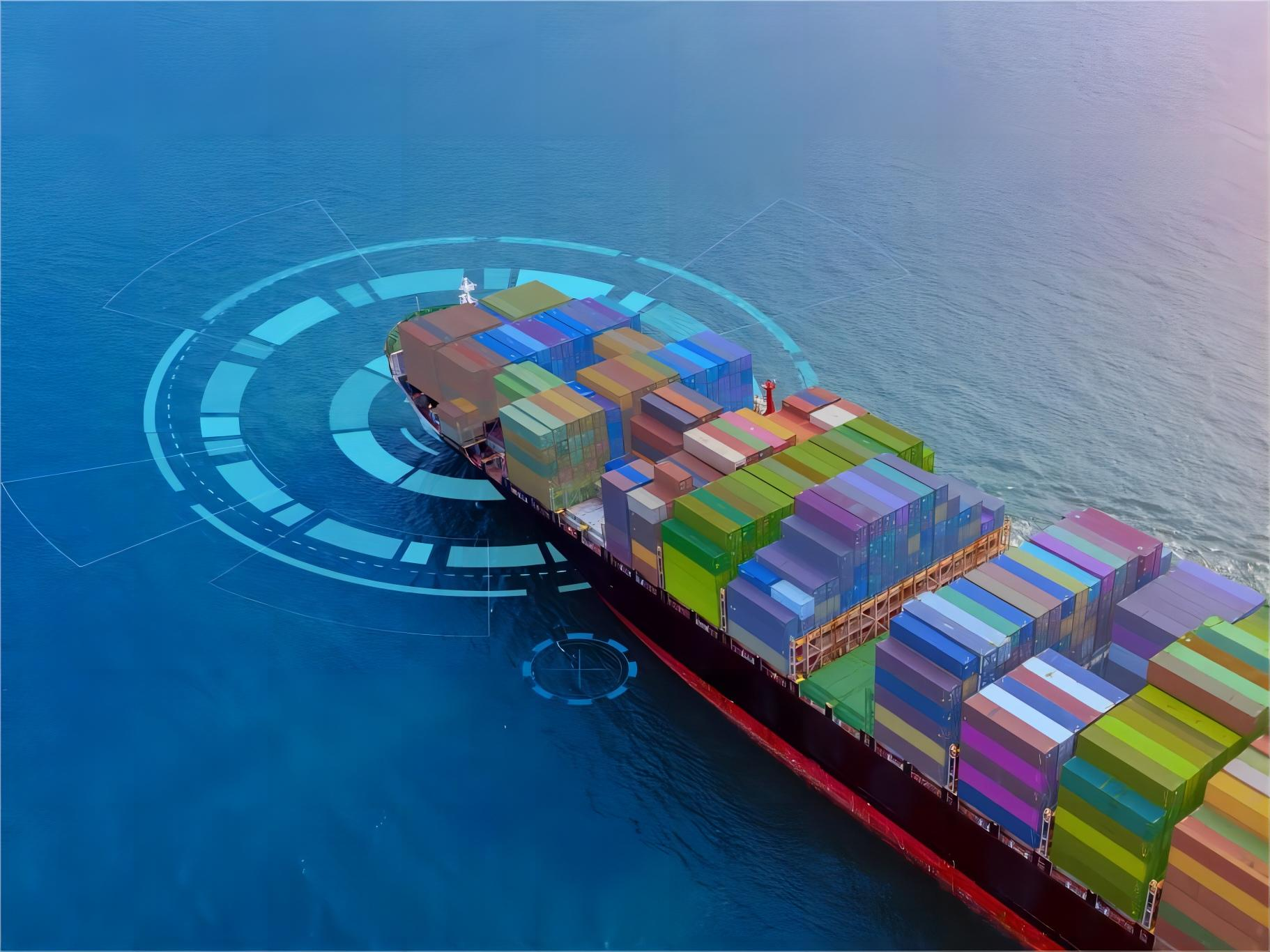
Examining real-world examples helps illustrate the practical application of these logistics strategies. Below are two scenarios based on typical 2026 market conditions and rates. These cases highlight the importance of choosing the right method for the specific cargo type and business goals.
Note: Freight rates are subject to change based on fuel costs, carrier capacity, and seasonal demand. Contact us for a current quote tailored to your specific shipment.
Case Study 1: High-Tech Electronics Launch
Box Case Study 1: Rapid Market Entry Route: Shenzhen, China to Paris, France Cargo: Smart Home Devices, 5 CBM, 1,200 kg Container: LCL (Air Freight) Shipping Details: – Carrier: Major Air Carrier – Port of Loading: Shenzhen (SZX) – Port of Discharge: Paris (CDG) – Route Type: Direct Cost Breakdown: – Air Freight: $7,800 – Origin Charges: $450 – Destination Charges: $600 – Customs & Duties: $2,200 – Total Landed Cost: $11,050 Timeline: – Booking to Loading: 2 days – Air Transit: 2 days – Customs Clearance: 1 day – Total Door-to-Door: 5 days Key Insight: Using air freight allowed the client to meet a strict product launch deadline, generating immediate revenue that offset the higher shipping costs.
Case Study 2: Bulk Furniture Distribution
Box Case Study 2: Cost Optimization Route: Ningbo, China to Marseille, France Cargo: Flat-pack Furniture, 68 CBM, 18,000 kg Container: 40HQ Shipping Details: – Carrier: COSCO – Port of Loading: Ningbo – Port of Discharge: Marseille – Route Type: Direct Cost Breakdown: – Ocean Freight: $4,200 – Origin Charges: $350 – Destination Charges: $750 – Customs & Duties: $1,800 – Total Landed Cost: $7,100 Timeline: – Booking to Loading: 5 days – Sea Transit: 34 days – Customs Clearance: 3 days – Total Door-to-Door: 42 days Key Insight: Planning 45 days in advance allowed the business to use sea freight, resulting in a significantly lower per-unit cost compared to rail or air.
Cost-Saving Strategies for 2026 Logistics
Reducing your total landed cost is essential for maintaining healthy margins in the competitive French market. One effective strategy is consolidation, where multiple smaller shipments from different suppliers are combined into a single container. Consequently, you avoid the higher per-unit rates associated with LCL shipping and minimize documentation fees.
Furthermore, optimizing your packaging can lead to substantial savings, especially for air and express shipments. By reducing the volumetric weight of your boxes, you can fit more product into the same space. Additionally, consider using a warehouse in a ‘Free Trade Zone’ in China to delay tax payments until the goods are actually exported.
Lastly, always negotiate your rates during the off-peak season. Market data suggests that rates are typically 15-25% lower in the months following the Chinese New Year. Therefore, if your product shelf-life allows, stocking up during these periods can provide a significant competitive advantage throughout the rest of the year.
Mastering Your France Fulfillment Strategy
Successfully managing a China to France warehouse fulfillment logistics service requires a blend of strategic planning and expert execution. By understanding the nuances of different shipping methods, from sea to air, you can build a resilient supply chain that meets both your budget and timeline needs.
As we navigate the logistics landscape of 2026, the importance of a reliable partner cannot be overstated. Whether you are utilizing Amazon FBA or direct-to-consumer fulfillment, the right logistics framework will empower your business to grow across France and the broader European market.

Need a tailored shipping solution?
Ready to streamline your supply chain with a professional China to France warehouse fulfillment logistics service? Contact Top China Cargo today for a customized quote and expert guidance on your next shipment. Send Inquiry