

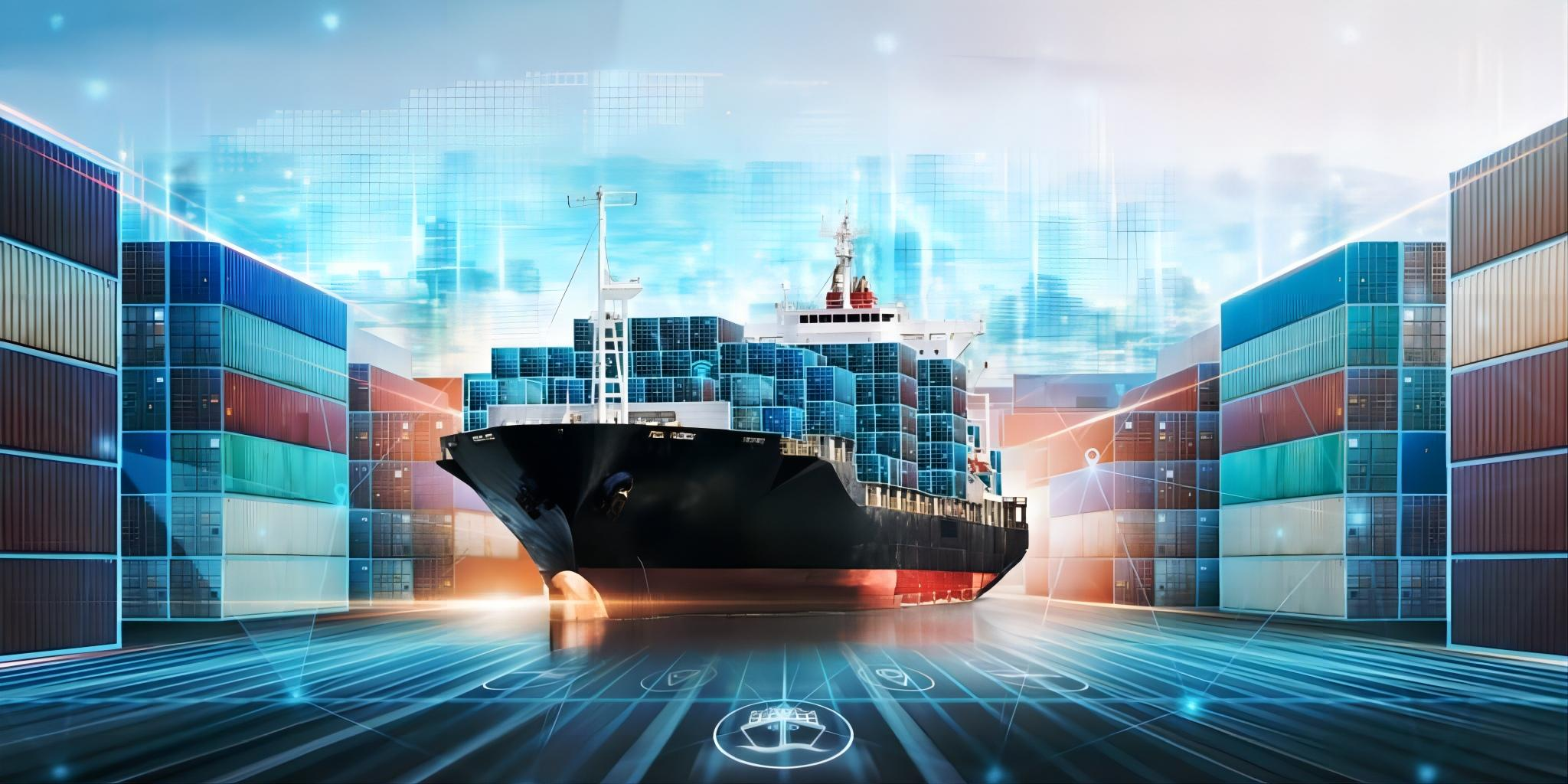
DDP Freight Forwarder China Oceania: 2026 Shipping Guide
“Navigating the complexities of international trade requires a specialized ddp freight forwarder china oceania to streamline your supply chain operations. Most businesses today prefer Delivered Duty Paid (DDP) terms because they eliminate the stress of handling foreign customs and unexpected local fees. Top China Cargo provides end-to-to logistics management that ensures your goods move from Chinese factories to Oceania destinations without any administrative burden on your part. This comprehensive guide explores the current 2026 market landscape for shipping to Australia, New Zealand, and the Pacific Islands.”
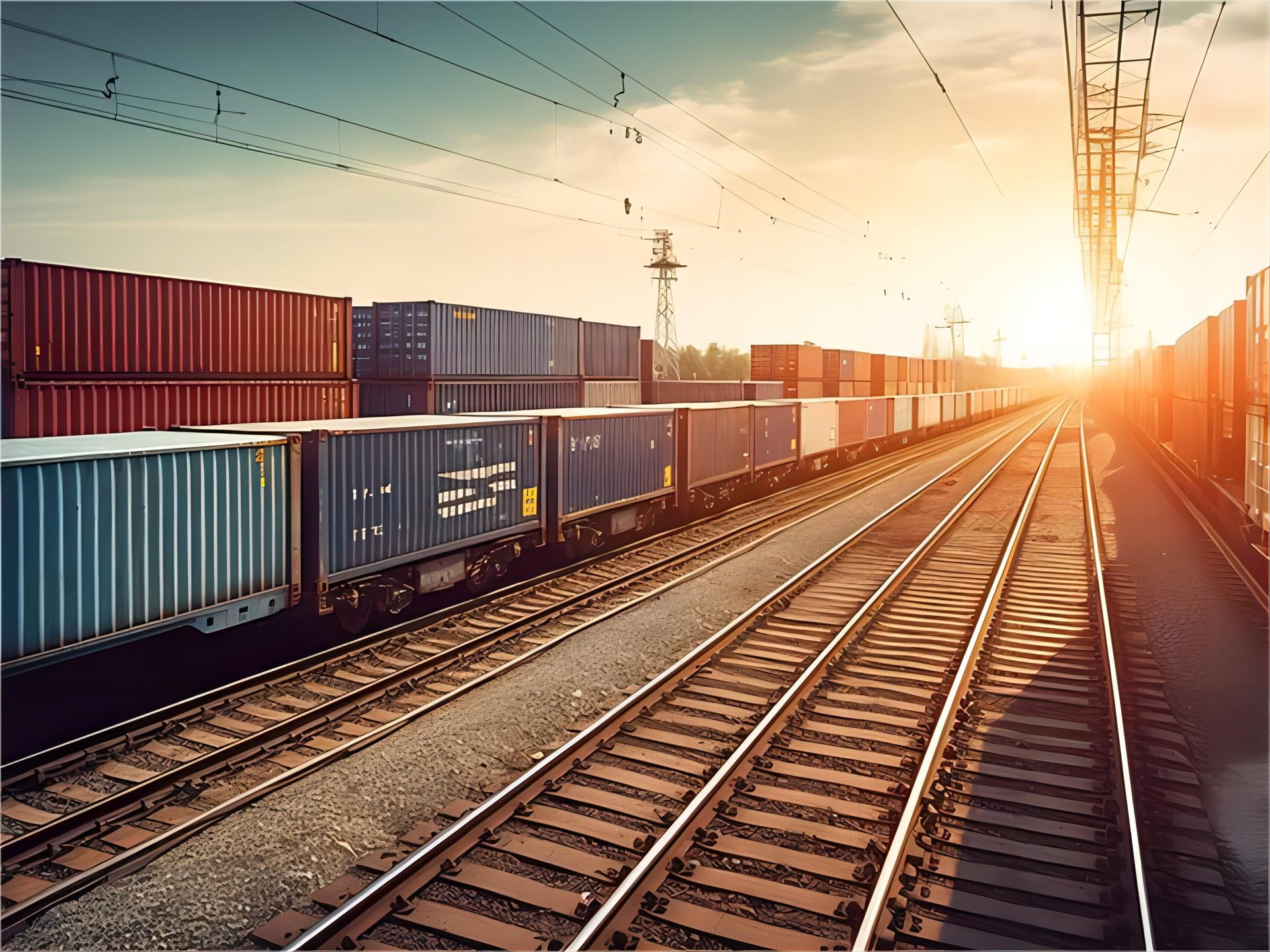
What is a DDP Freight Forwarder China Oceania?
❖Specifically, a DDP freight forwarder takes full responsibility for the transportation of goods from the supplier in China to the buyer in Oceania. This arrangement means the forwarder handles all export formalities, international transit, and import clearance in the destination country. Consequently, the buyer does not need to worry about paying GST, import duties, or terminal handling charges upon arrival.
Importers frequently choose this method to simplify their accounting and ensure a fixed landed cost for their inventory. Additionally, the forwarder manages the complex documentation required by Australian and New Zealand customs authorities. Therefore, you can focus on sales and marketing while the logistics experts handle the physical movement of your cargo.
Choosing a door to door service provider ensures that every link in the chain is professionally managed. Moreover, the risk of delays is significantly reduced when a single entity coordinates the entire process from origin to destination. Ultimately, this model provides the highest level of convenience for modern e-commerce and retail businesses.
Why Choose DDP Services for the Oceania Market?
❖Oceania presents unique geographical challenges that require expert navigation and local knowledge of various port infrastructures. Furthermore, the regulatory environment in Australia and New Zealand is famously strict regarding biosecurity and packaging materials. A professional forwarder ensures that all wooden packaging meets ISPM15 standards to avoid costly quarantine delays.
Cost predictability remains one of the most significant advantages of using DDP terms in the current 2026 shipping market. Since all taxes and duties are included in the initial quote, businesses can accurately calculate their profit margins before the goods even leave China. In addition, this eliminates the risk of fluctuating exchange rates affecting your duty payments at the time of arrival.
Efficiency is greatly improved when the forwarder acts as the single point of contact for the entire journey. Instead of communicating with multiple agents, you receive updates from one source regarding the status of your shipment. Consequently, this transparency allows for better inventory planning and more reliable delivery schedules for your customers.
How Does Sea Freight Compare to Other Shipping Options?
❖While sea freight remains the most popular choice for bulk shipments, it is important to weigh it against faster alternatives. In 2026, ocean carriers have optimized routes between major Chinese ports like Shanghai and Shenzhen to Australian hubs like Sydney and Melbourne. However, the choice between sea and air depends heavily on your budget and urgency.
Sea freight offers the lowest cost per unit for large volumes of goods, making it ideal for furniture, machinery, and construction materials. On the other hand, it requires much longer lead times compared to express services. Businesses must plan their inventory cycles at least six to eight weeks in advance to account for sea transit and inland haulage.
Alternative strategies such as sea-air hybrid solutions have gained traction for shipments that are too heavy for pure air freight but too urgent for standard ocean transit. For example, cargo might be shipped by sea to a regional hub like Singapore before being flown to its final destination in Oceania. This approach balances cost and speed effectively for mid-range cargo weights.
| Shipping Method | Cost Range | Transit Time | Best For |
|---|---|---|---|
| Sea Freight (FCL) | $800 – $2,000 | 12 – 22 Days | Bulk goods and large inventory |
| Air Freight | $4.50 – $9.00/kg | 3 – 7 Days | High-value electronics and samples |
| Express Service | $8.00 – $15.00/kg | 2 – 4 Days | Urgent documents and small parcels |
| LCL Sea Freight | $80 – $150/CBM | 15 – 25 Days | Shipments under 15 CBM |
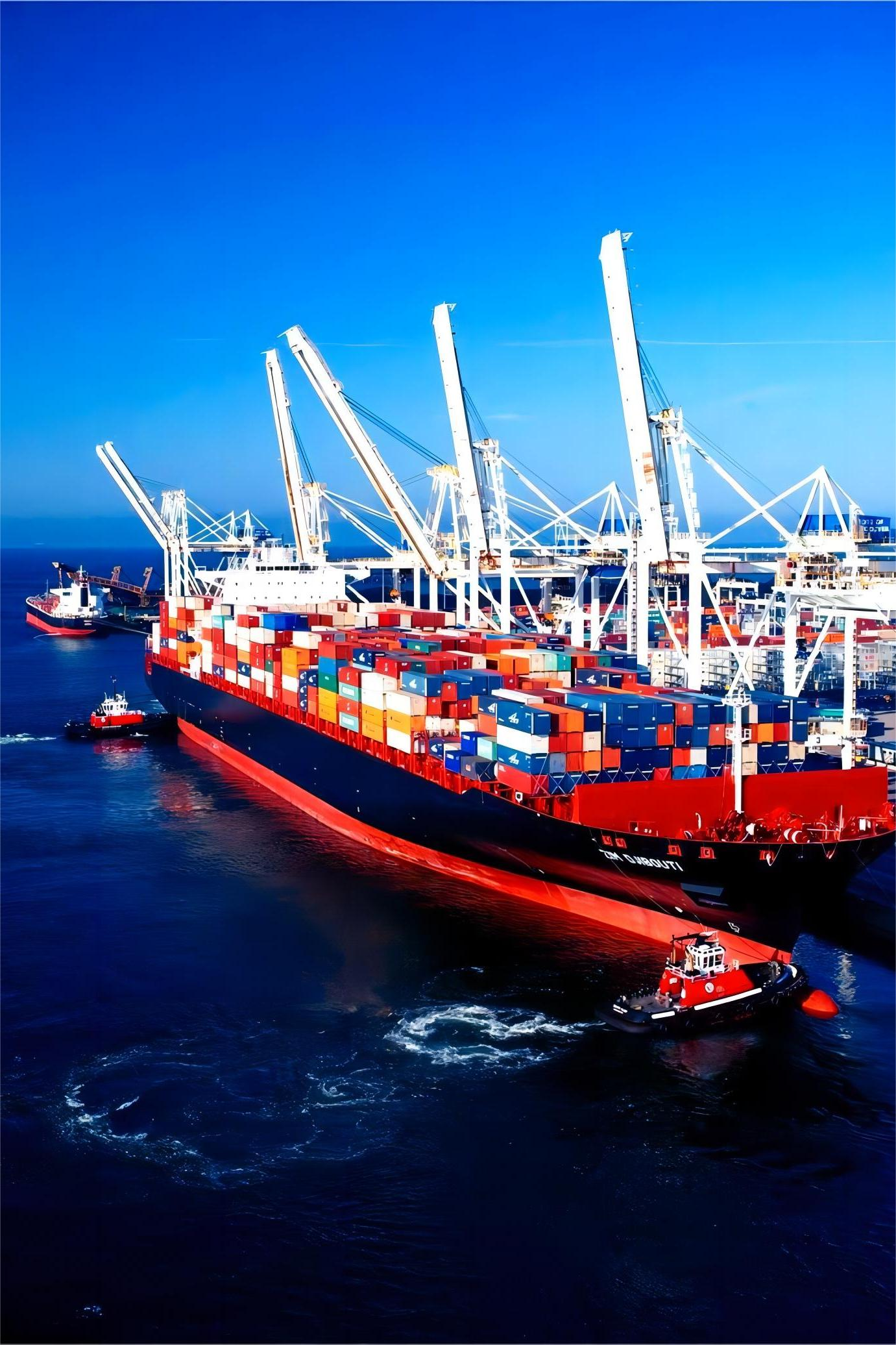
Which Shipping Option Should You Choose?
❖Determining the right shipping method involves analyzing your specific cargo volume and the urgency of the delivery. If your shipment exceeds 15 cubic meters, booking a Full Container Load (FCL) is usually the most cost-effective strategy. Conversely, smaller shipments are better suited for Less than Container Load (LCL) services where you share space with other importers.
Budget priority usually dictates a preference for sea freight, especially for non-perishable goods with stable demand. Nevertheless, if you are launching a new product or replenishing out-of-stock items, air freight might be the more profitable choice despite the higher upfront cost. Speed to market often offsets the increased logistics expenditure by capturing immediate sales opportunities.
Cargo type considerations also play a vital role in your decision-making process for the Oceania route. Heavy industrial equipment is almost exclusively shipped via ocean freight due to weight restrictions on aircraft. Meanwhile, fragile electronics or temperature-sensitive pharmaceuticals require the speed and controlled environment of air transport to maintain product integrity.
Understanding Customs and Duties in Oceania
❖Navigating the customs landscape in Australia and New Zealand requires a deep understanding of local tariff classifications and trade agreements. Using a professional customs brokerage service ensures that your goods are classified correctly under the Harmonized System (HS) codes. Incorrect classification can lead to significant fines or the seizure of your cargo by border authorities.
Australian customs laws in 2026 continue to emphasize strict biosecurity measures for all incoming international freight. For instance, any organic material or untreated wood can trigger immediate inspections and expensive fumigation requirements. Therefore, your freight forwarder must verify that all suppliers comply with these standards before the goods are loaded in China.
Importers should also be aware of the Goods and Services Tax (GST) which is generally 10% in Australia and 15% in New Zealand. Under DDP terms, your forwarder pays these taxes on your behalf, which simplifies your internal bookkeeping significantly. Indeed, this all-inclusive approach prevents the common headache of receiving unexpected tax invoices weeks after the delivery is completed.
Key Destinations: Shipping to Australia and Beyond
❖Shipping to Australia involves targeting major ports such as Sydney, Melbourne, Brisbane, and Fremantle. Each port has its own specific handling procedures and inland transport networks that your forwarder must manage effectively. For example, Sydney often experiences higher congestion, which may require alternative routing through smaller regional ports during peak seasons.
New Zealand routes primarily focus on Auckland and Lyttelton, serving both the North and South Islands respectively. While the transit times from China are slightly longer than those to Australia, the logistics infrastructure is highly efficient. Furthermore, the Pacific Islands represent a growing market that requires specialized feeder services from larger regional hubs.
Logistics trends in 2026 show an increased focus on sustainable shipping practices across all Oceania routes. Many carriers now offer carbon-offsetting programs and use cleaner fuels to meet new environmental regulations in the Pacific. Consequently, choosing a forwarder who prioritizes green logistics can help your business meet its corporate social responsibility goals.

Realistic Case Studies for China to Oceania Routes
❖Case Study 1: Furniture Import to Melbourne. An e-commerce retailer needed to move 12 CBM of flat-pack furniture from Ningbo to a warehouse in Melbourne. They chose DDP Sea Freight LCL to maintain a fixed budget. The total landed cost was $2,450, including all duties and local delivery. The shipment arrived in 24 days, allowing the client to stock their warehouse just in time for the spring sale.
Case Study 2: Electronics to Sydney. A tech startup required 350kg of high-end tablets from Shenzhen for a product launch. Given the urgency, they opted for DDP Air Freight. The total cost was $3,100, and the goods were delivered to their office door in just 5 days. This rapid turnaround enabled them to beat their competitors to market and secure early customer reviews.
Case Study 3: Industrial Parts to Auckland. A manufacturing firm imported a 20GP container of steel components from Shanghai. By using DDP FCL services, they avoided the complexity of managing New Zealand customs independently. The transit time was 18 days, and the total cost of $1,900 provided them with excellent value compared to fragmented logistics arrangements.
| Origin Port | Destination Port | Cargo Type | Est. Total Cost |
|---|---|---|---|
| Shenzhen | Sydney | 20GP Container | $1,100 – $1,500 |
| Shanghai | Melbourne | 40HQ Container | $1,800 – $2,400 |
| Ningbo | Auckland | LCL (per CBM) | $95 – $130 |
| Guangzhou | Brisbane | Air (per kg) | $5.50 – $8.50 |
Logistics Trends and Market Intelligence for 2026
❖Market data suggests that freight rates from China to Oceania have stabilized in early 2026 after previous global supply chain disruptions. However, rates typically increase by 15-25% during the peak season between August and October. Therefore, savvy importers often book their space at least three weeks in advance to secure the best possible pricing and equipment availability.
Digitalization has transformed how a ddp freight forwarder china oceania operates, providing real-time tracking and automated documentation. Most modern forwarders now offer online portals where you can monitor your shipment’s progress across the ocean. Additionally, AI-driven predictive analytics help in identifying potential port delays before they occur, allowing for proactive adjustments to delivery schedules.
Note: Freight rates are subject to change based on fuel costs, carrier capacity, and seasonal demand. Contact us for a current quote tailored to your specific shipment. Industry benchmarks indicate that while direct routes cost 10-15% more, they save significant time compared to transshipment via Southeast Asian hubs.
Final Thoughts on Choosing a DDP Freight Forwarder
Successfully importing goods from China to the Oceania region depends on selecting a ddp freight forwarder china oceania that understands both markets intimately. By opting for DDP terms, you mitigate the risks associated with customs clearance, tax payments, and local logistics hurdles. This strategic choice allows your business to operate with greater financial certainty and operational efficiency in 2026.
Whether you are shipping full containers by sea or urgent parcels by air, the right partner will provide the transparency and reliability you need. Remember to consider factors such as transit time, cargo volume, and the specific regulatory requirements of your destination country. Ultimately, a professional logistics partner like Top China Cargo ensures that your business remains competitive in the fast-paced Oceania market.
Ready to streamline your logistics?
Streamline your supply chain today with a reliable ddp freight forwarder china oceania. Contact Top China Cargo to receive a personalized quote and experience hassle-free door to door delivery for your next shipment. Visit our website to learn more about our comprehensive logistics solutions: Send Inquiry
Request Quote