

China to Canada Logistics Warehouse Fulfillment Service: 2026 Guide
Expanding your business into the North American market requires a robust China to Canada logistics warehouse fulfillment service that bridges the gap between Asian manufacturing hubs and Canadian consumers. Navigating the complexities of international trade often presents significant challenges for modern e-commerce sellers and traditional importers alike. By partnering with Top China Cargo, you can streamline your operations and ensure your products reach destinations like Toronto or Vancouver with maximum efficiency. This comprehensive guide explores how integrated logistics solutions empower businesses to scale rapidly in the 2026 market environment.
How Does Sea Freight Compare to Other Shipping Options?
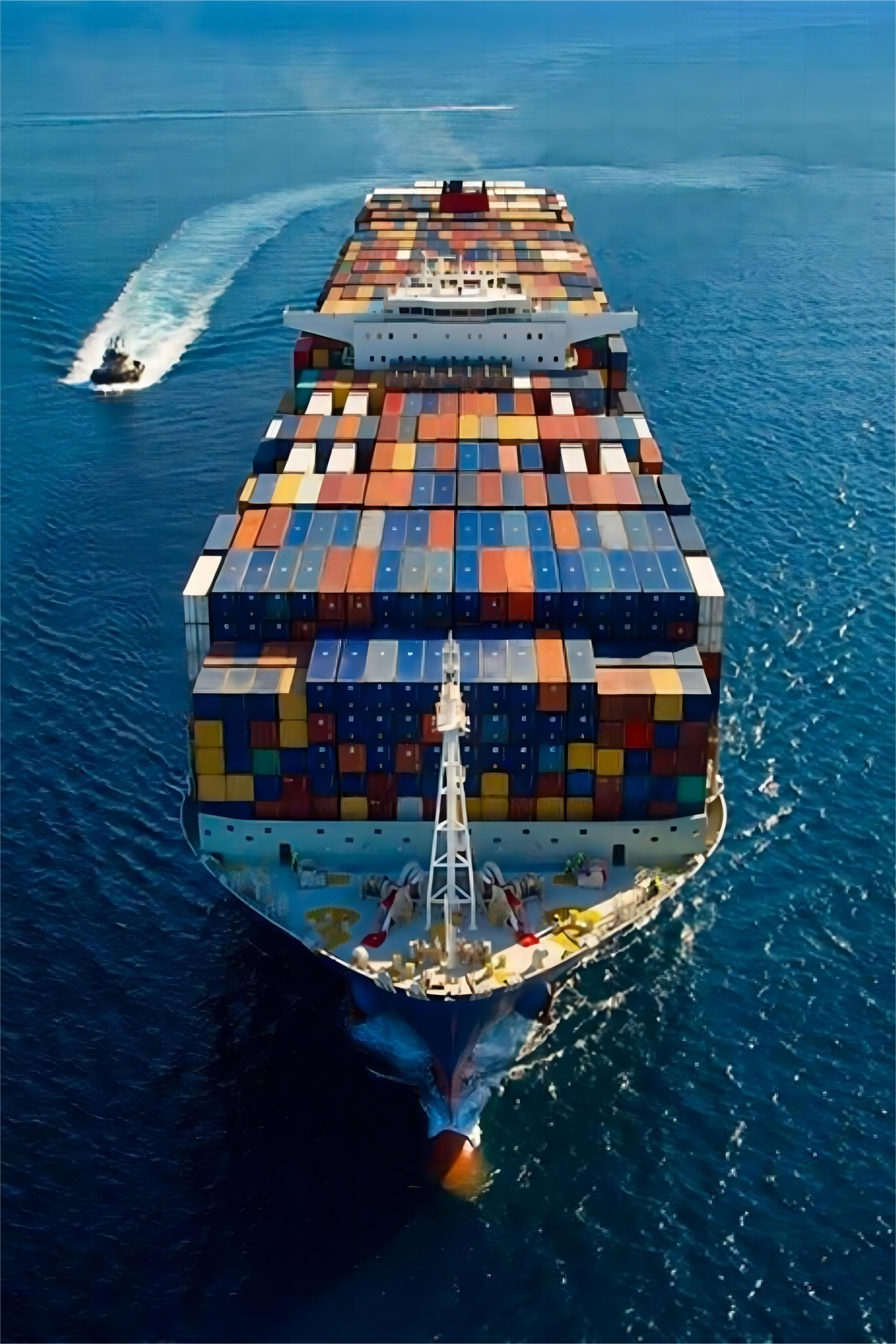
Choosing the right transportation mode is the most critical decision in your China to Canada logistics warehouse fulfillment service strategy. Ocean transport remains the primary choice for businesses handling large volumes due to its cost-effectiveness and massive capacity. However, the decision between sea, air, and express services depends entirely on your specific inventory turnover requirements and budget constraints.
Sea freight offers the lowest per-unit cost, which is essential for maintaining healthy profit margins on bulky or heavy items. In contrast, air transport provides the speed necessary for high-value electronics or seasonal fashion trends that cannot wait for a month-long voyage. Moreover, hybrid solutions are gaining popularity in 2026 as a way to balance cost and speed for mid-range shipments.
Effective logistics management involves analyzing the trade-offs between different transit times and their associated freight rates. While ocean transport takes longer, the savings often justify the extended lead times for predictable inventory replenishment. Meanwhile, businesses with urgent needs should consider premium air services to avoid stockouts during peak shopping seasons.
| Shipping Method | Cost Range (2026) | Transit Time | Best For |
|---|---|---|---|
| Sea Freight (FCL) | $2,800 – $4,500 | 25-35 Days | Bulk Inventory |
| Air Freight | $8.50 – $14.00/kg | 5-9 Days | High Value Goods |
| Express Service | $12.00 – $19.00/kg | 3-5 Days | Small Parcels |
| Sea-Air Hybrid | $4.50 – $7.00/kg | 15-18 Days | Balanced Priority |
What is China to Canada Logistics Warehouse Fulfillment Service?
A comprehensive China to Canada logistics warehouse fulfillment service integrates transportation, storage, and final distribution into a single seamless workflow. This end-to-end solution allows sellers to store goods in strategically located warehouses near major Canadian ports. Consequently, order processing happens much faster once a customer makes a purchase on your website or marketplace.
Inventory management becomes significantly easier when you utilize a professional 3PL provider in both the origin and destination countries. These services typically include pick-and-pack, labeling, and local delivery to the final consumer’s doorstep. Additionally, modern fulfillment centers use advanced software to sync inventory levels in real-time across multiple sales channels.
Utilizing sea freight as your primary inbound method ensures that your Canadian warehouse stays stocked without excessive shipping expenses. This approach allows you to focus on marketing and sales while the logistics experts handle the physical movement of goods. Furthermore, having local stock in Canada reduces the risk of long-distance delivery delays for your customers.
Why Choose Professional Warehouse Fulfillment in Canada?
Local warehousing in Canada provides a competitive advantage by enabling faster shipping times to major metropolitan areas like Montreal and Calgary. Customers in 2026 expect delivery within two to three days, which is impossible to achieve when shipping directly from China for every order. Therefore, positioning your stock closer to the end-user is no longer optional for serious e-commerce players.
Lowering the cost of last-mile delivery is another major benefit of using a localized fulfillment service. By shipping in bulk via ocean containers and then distributing locally, you avoid the high costs associated with international individual parcel shipping. Indeed, many businesses report a 30 percent reduction in total logistics costs after switching to a warehouse-based model.
Furthermore, professional fulfillment centers handle returns and exchanges much more efficiently than international carriers. This local presence improves customer satisfaction and builds trust in your brand within the Canadian market. Consequently, your business can maintain a higher level of service while keeping operational overhead manageable.
The Role of Amazon FBA in Canadian E-commerce
Many sellers rely on Amazon FBA to reach millions of Canadian shoppers with Prime shipping benefits. Integrating your China to Canada logistics warehouse fulfillment service with Amazon’s network requires strict adherence to their preparation and labeling standards. Failing to meet these requirements can lead to costly delays or rejected shipments at the fulfillment center.
Third-party logistics providers often act as a middleman, receiving bulk shipments and prepping them for Amazon’s strict intake process. This strategy allows you to store excess inventory in a cheaper 3PL warehouse and drip-feed stock into Amazon as needed. Meanwhile, you avoid the high long-term storage fees that Amazon charges for slow-moving inventory.
Strategic inventory placement across multiple Canadian provinces can further optimize your FBA performance. By spreading your stock, you ensure that products are always near the customer, reducing Amazon’s internal transfer times. Additionally, this approach helps you maintain a high IPI score and avoids stockouts during high-demand periods like Black Friday.
Navigating Customs Brokerage and Import Regulations
Importing goods into Canada involves complex documentation and strict compliance with the Canada Border Services Agency (CBSA) regulations. A dedicated customs brokerage service is essential for ensuring that your shipments pass through the border without unnecessary penalties. Specifically, you must accurately classify your products using the Harmonized System (HS) codes to determine the correct duty rates.
Documentation requirements for Canadian imports include the commercial invoice, packing list, and the Canada Customs Invoice (CCI). Properly preparing these documents prevents shipments from being held at the port of entry for extended periods. Moreover, staying informed about the latest trade agreements between China and Canada can help you take advantage of reduced duty rates where applicable.
Compliance also extends to product safety standards and labeling requirements specific to the Canadian market. For instance, certain items may require bilingual labeling in both English and French to be legally sold in provinces like Quebec. Consequently, working with a logistics partner who understands these nuances is vital for long-term success.
| Document Type | Required For | Primary Purpose | Originating Party |
|---|---|---|---|
| Commercial Invoice | All Shipments | Valuation of Goods | Seller/Supplier |
| Bill of Lading | Sea/Air Freight | Title to Cargo | Carrier |
| Packing List | All Shipments | Inventory Verification | Supplier |
| Customs Invoice | Canada Imports | Duty Assessment | Importer/Broker |

Case Study 1: Efficiency in Electronics Distribution
A Shenzhen-based electronics brand needed a scalable solution to distribute smart home devices across Canada. They initially struggled with high individual shipping costs and frequent customs delays that frustrated their Canadian customers. By implementing a comprehensive logistics strategy, they transformed their operations in early 2026.
Case Study Summary: Route: Shenzhen to Toronto. Cargo: Smart Home Devices, 18 CBM LCL. Shipping Method: Sea Freight to Vancouver, then Rail to Toronto. Ocean Freight Cost: $1,450. Origin/Destination Charges: $900. Customs and Duties: $1,200. Total Landed Cost: $3,550. Transit Time: 32 Days. Key Insight: Using LCL shipping allowed the brand to maintain frequent stock updates without the cost of a full container.
Case Study 2: Scaling Seasonal Toy Shipments
A large toy manufacturer required a fast and reliable way to stock their Canadian warehouses before the Q4 holiday season. They opted for a full container load (FCL) to maximize their shipping budget and ensure all products arrived simultaneously. This approach allowed them to launch their marketing campaigns with full confidence in their stock levels.
Case Study Summary: Route: Ningbo to Vancouver. Cargo: Plastic Toys, 40HQ Container. Shipping Method: Direct Sea Freight. Ocean Freight Cost: $3,800. Origin/Destination Charges: $1,100. Customs and Duties: $2,400. Total Landed Cost: $7,300. Transit Time: 18 Days. Key Insight: Choosing a direct route to Vancouver saved 10 days of transit compared to transshipment through other ports.
Which Shipping Option Should You Choose?
Determining the best logistics path requires a clear understanding of your business priorities and product characteristics. If your primary goal is to minimize expenses and you have long lead times, sea freight is the undisputed winner. On the other hand, if you are launching a new product and need to test the market quickly, air freight provides the agility you need.
Volume thresholds also play a significant role in deciding between LCL (Less than Container Load) and FCL (Full Container Load). Generally, shipments exceeding 15 cubic meters are more cost-effective when sent in a 20-foot container. Meanwhile, smaller shipments benefit from the shared space of an LCL arrangement, though they may face slightly longer handling times at the port.
Comprehensive door to door services simplify the entire process by handling every step from the factory floor to the final warehouse. This all-in-one approach is highly recommended for businesses that do not have dedicated logistics departments. Ultimately, the right choice balances speed, cost, and the level of personal involvement you wish to maintain.
Cost-Saving Strategies for 2026 Logistics
Reducing your shipping expenses in 2026 requires a proactive approach to supply chain optimization and carrier negotiation. One effective method is to consolidate multiple small orders from different suppliers into a single larger shipment. This reduction in the number of individual entries can significantly lower your customs clearance fees and documentation costs.
Optimizing your product packaging is another simple yet powerful way to save money on freight. By reducing the physical dimensions of your boxes, you can fit more units into a single container or reduce the volumetric weight for air shipments. Additionally, using lightweight but durable materials can lower your overall shipping weight without compromising product safety.
Note: Freight rates are subject to change based on fuel costs, carrier capacity, and seasonal demand. Contact us for a current quote tailored to your specific shipment. Staying flexible with your shipping dates can also lead to savings, as rates often fluctuate based on weekly carrier schedules. Furthermore, booking your shipments at least 3-4 weeks in advance usually secures better rates than last-minute arrangements.
Mastering Your Canadian Supply Chain
Establishing a reliable China to Canada logistics warehouse fulfillment service is a cornerstone of success for international businesses. By understanding the nuances of different shipping methods and the importance of local warehousing, you can build a resilient supply chain. Whether you are utilizing sea freight for bulk orders or air freight for urgent restocks, the key lies in strategic planning and compliance.
Partnering with experienced logistics providers ensures that your goods move efficiently across the Pacific and through Canadian customs. As the market continues to evolve in 2026, those with integrated fulfillment solutions will be best positioned to meet consumer demands. Start optimizing your logistics today to secure your brand’s future in the competitive Canadian marketplace.

Need a tailored shipping solution?
Streamline your international trade today with our professional China to Canada logistics warehouse fulfillment service. Our team of experts is ready to help you navigate the complexities of cross-border shipping and Canadian customs. Visit our website to request a personalized quote and discover how we can optimize your supply chain for 2026. Send Inquiry link