

China New Zealand Import Logistics Solutions: 2026 Shipping Guide
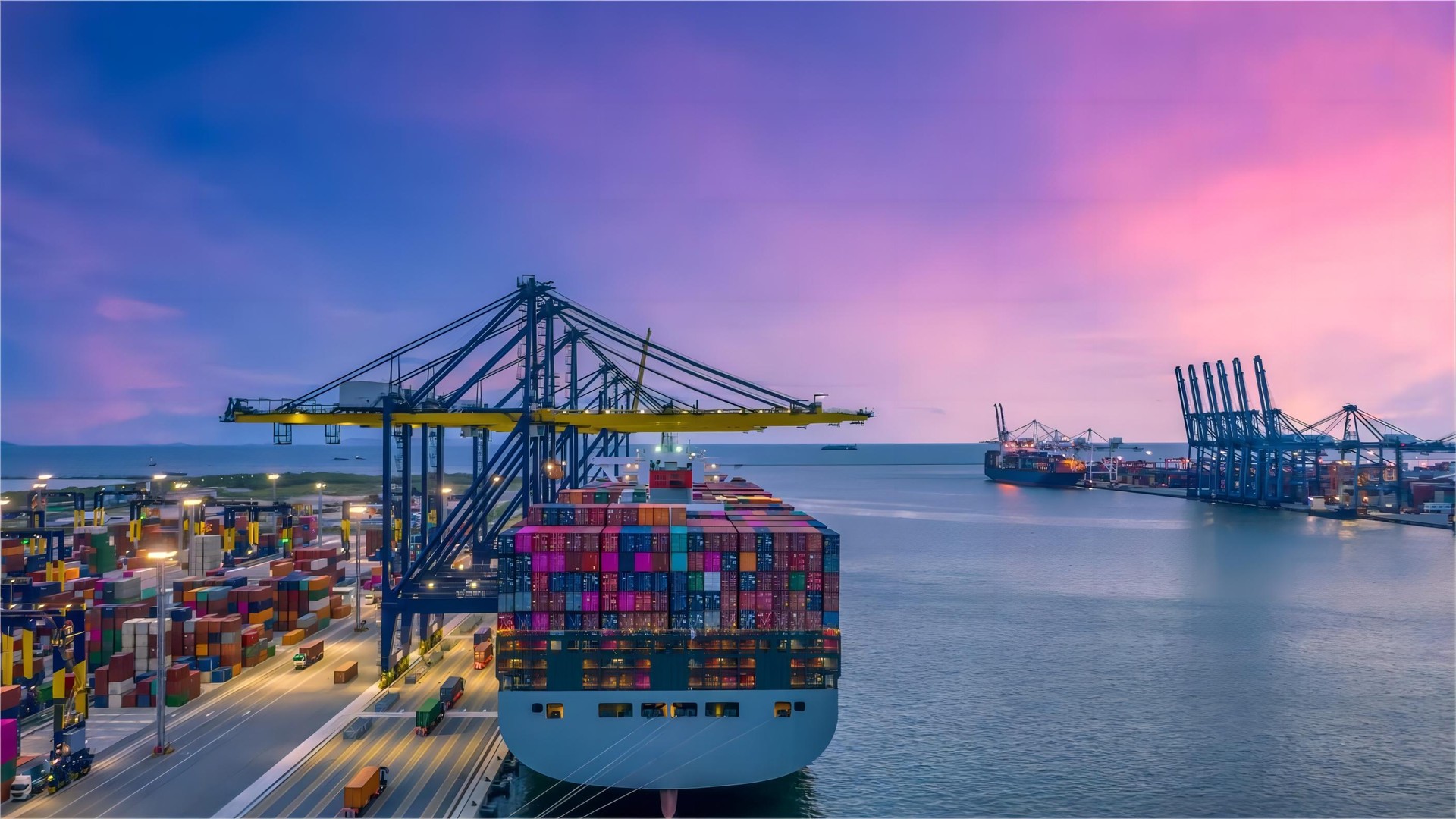
Developing a resilient supply chain requires access to reliable China New Zealand import logistics solutions that balance speed and cost-effectiveness. Many businesses struggle with fluctuating freight rates and complex customs regulations when moving goods across the Pacific. Consequently, partnering with a seasoned freight forwarder like Top China Cargo provides the expertise needed to navigate these international waters successfully. In early 2026, the logistics landscape continues to evolve, demanding more agile strategies from importers and exporters alike. This guide explores the most efficient methods for transporting cargo while ensuring compliance and minimizing overhead expenses. By understanding the available options, you can make informed decisions that enhance your competitive advantage in the New Zealand market.
What Are the Primary China New Zealand Import Logistics Solutions?
Choosing the most appropriate transportation mode is the foundation of any successful international trade operation. Most importers rely on three main pillars: sea freight, air freight, and express courier services to move their inventory. Specifically, the choice depends heavily on the volume of goods, the required delivery speed, and the overall budget constraints of the project. Furthermore, seasonal demand shifts often dictate which method becomes the most viable during peak periods like the lead-up to the holidays.
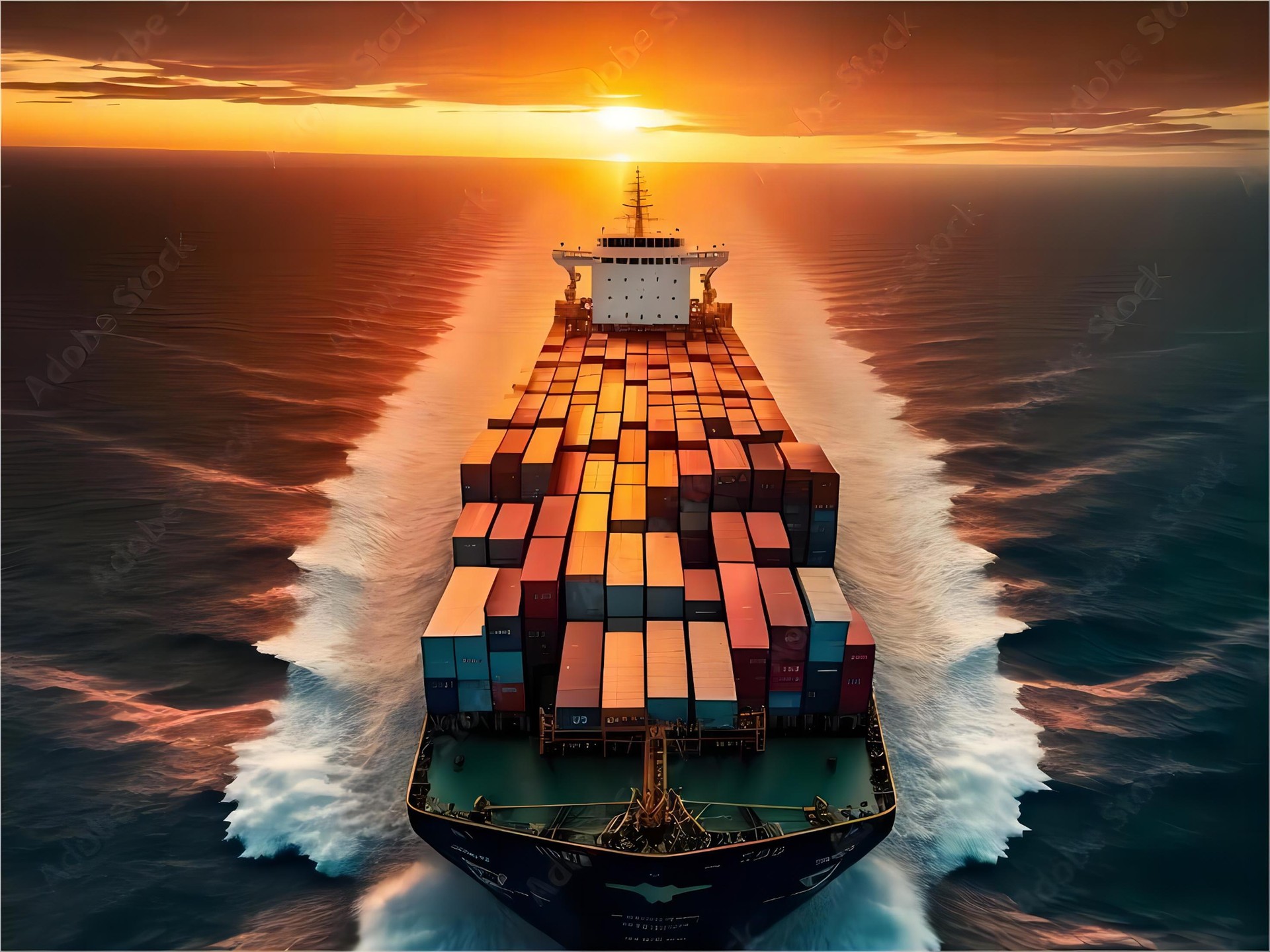
Maritime transport serves as the primary engine for high-volume trade between these two nations due to its massive capacity. Conversely, air transport offers the rapid turnaround times necessary for high-value or perishable items that cannot withstand long periods at sea. Additionally, hybrid solutions are gaining popularity as businesses seek to mitigate risks associated with port congestion or sudden shifts in fuel surcharges. Therefore, a comprehensive understanding of each logistics channel is essential for maintaining a steady flow of goods.
How Does Sea Freight Compare to Other Shipping Options?
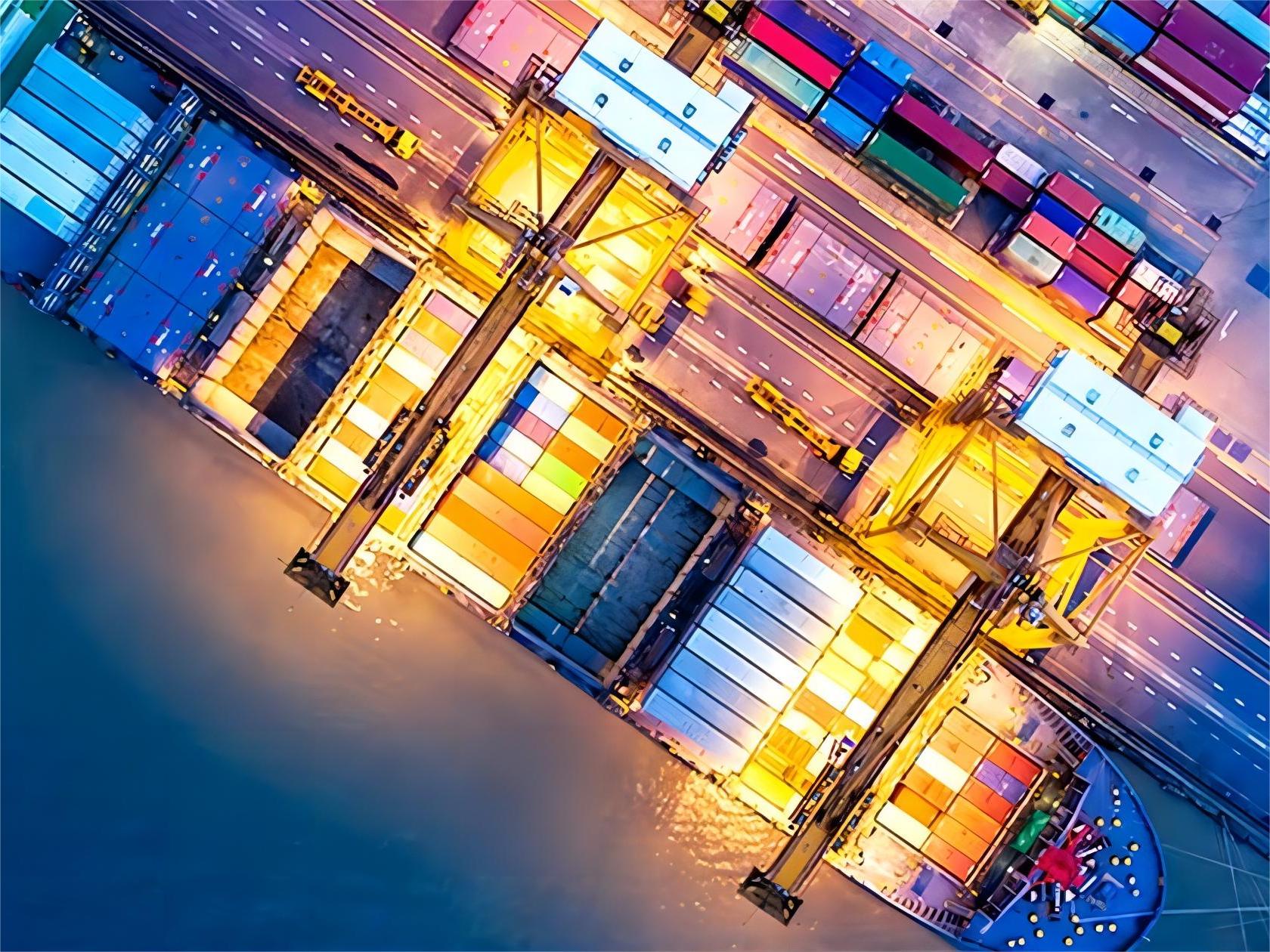
Ocean transport remains the most economical choice for the majority of businesses utilizing China New Zealand import logistics solutions. When you opt for sea freight, you can choose between Full Container Load (FCL) and Less than Container Load (LCL) configurations. FCL is ideal for large shipments that can fill a 20ft or 40ft container, offering both security and a lower cost per cubic meter. On the other hand, LCL allows smaller businesses to share container space, making it a flexible option for growing enterprises.
Transit times for sea routes typically range from 15 to 25 days depending on the specific ports of loading and discharge. Meanwhile, freight rates have stabilized in early 2026, though they remain sensitive to global economic shifts and carrier capacity adjustments. For instance, direct sailings from Shanghai to Auckland are generally faster but may carry a slight premium compared to transshipment routes. Consequently, planning your shipments well in advance is the most effective way to secure competitive pricing and guaranteed space on vessels.
| Shipping Method | Cost Range | Transit Time | Best For |
|---|---|---|---|
| Sea Freight (FCL) | $1,200 – $2,200 | 15-22 Days | Bulk / Large Volume |
| Sea Freight (LCL) | $60 – $110 / CBM | 18-25 Days | Small Pallets |
| Air Freight | $4.50 – $8.00 / kg | 3-7 Days | High Value / Urgent |
| Express Service | $8.00 – $15.00 / kg | 2-4 Days | Samples / Documents |
Why Choose Air Freight for Urgent Shipments?
Speed is often the most critical factor for businesses handling time-sensitive cargo or high-demand product launches. Utilizing air freight ensures that your products reach New Zealand markets within a matter of days rather than weeks. Moreover, the reduced transit time significantly lowers the risk of inventory damage and minimizes the capital tied up in transit. Indeed, for industries like fashion or electronics, the ability to restock quickly can be the difference between profit and loss.
Costs for air transport are calculated based on either actual weight or volumetric weight, whichever is higher. Therefore, optimizing your packaging is vital to avoid unnecessary expenses when shipping light but bulky items. Additionally, major airports in China like Guangzhou and Beijing offer frequent flights to Auckland and Christchurch, providing excellent connectivity. However, businesses should be aware that air freight rates can fluctuate significantly during peak seasons or due to changes in jet fuel prices.
Navigating Customs Brokerage and Compliance
Clearing customs is a mandatory and often complex step in the international logistics process. Professional customs brokerage services are essential to ensure all documentation adheres to New Zealand Customs Service requirements. Specifically, accurate classification of goods using the Harmonized System (HS) codes prevents costly delays and potential fines. Furthermore, understanding the China-New Zealand Free Trade Agreement can lead to significant duty savings for eligible products.
Importers must provide a complete set of documents, including a commercial invoice, packing list, and bill of lading or airway bill. In addition, certain items may require specific permits or certificates of origin to clear biosecurity checks. Consequently, working with an experienced partner helps streamline this process and ensures your cargo moves through the port without unnecessary interruptions. Without a doubt, proactive compliance is the most effective strategy for maintaining a predictable delivery schedule.
| Document Name | Purpose | Responsible Party | Requirement |
|---|---|---|---|
| Commercial Invoice | Value Declaration | Supplier | Mandatory |
| Packing List | Cargo Detail | Supplier | Mandatory |
| Bill of Lading | Title of Goods | Carrier | Mandatory |
| Cert. of Origin | FTA Benefits | Supplier | Optional/Recommended |
The Benefits of Door to Door Logistics Solutions
Managing multiple vendors for trucking, shipping, and final delivery can be an administrative burden for many companies. Choosing door to door services simplifies the entire chain by providing a single point of contact from the factory floor to the warehouse. Additionally, this integrated approach often results in better coordination and fewer communication errors between different logistics providers. Consequently, you can focus on your core business operations while the logistics experts handle the heavy lifting.
Last-mile delivery in New Zealand is a crucial component of this service, ensuring that goods reach their final destination efficiently. Whether your warehouse is in Auckland, Wellington, or Dunedin, a comprehensive logistics plan covers every kilometer of the journey. Moreover, real-time tracking technology allows you to monitor your shipment’s progress at every stage of the transit. Indeed, the peace of mind provided by an end-to-end solution is invaluable for maintaining customer satisfaction.
When to Use Express Service for Small Shipments?
Small shipments and urgent samples often require a level of speed and convenience that standard freight cannot provide. An express service offers a premium solution that includes pickup, international transport, and customs clearance in one package. For example, if you need to send a prototype for approval before a mass production run, express couriers are the most reliable option. Furthermore, the simplified pricing structure makes it easy to calculate landed costs for small parcels.
While the cost per kilogram is higher than other methods, the time savings and ease of use frequently justify the expense for low-volume shipments. However, for shipments exceeding 100 kilograms, it is often more cost-effective to switch to traditional air freight. Therefore, analyzing the weight and urgency of each shipment is necessary to determine if express delivery is the right financial choice. Meanwhile, the robust infrastructure of global couriers ensures that even the most remote locations in New Zealand remain accessible.
Which Option Should You Choose? A Decision Framework
Deciding between various China New Zealand import logistics solutions requires a clear understanding of your business priorities. If your primary goal is to minimize costs and your lead times are flexible, sea freight is the logical choice. Conversely, if you are dealing with perishable goods or urgent stock shortages, air freight becomes the necessary alternative. Additionally, hybrid strategies can be employed to balance these competing needs effectively.
Budget priority: Recommend Sea Freight (FCL/LCL) for shipments where the cost-to-value ratio is the main concern. Speed priority: Recommend Air Freight or Express Service for high-demand items or tight deadlines. Cargo type: Heavy machinery or furniture should almost always travel via sea, whereas high-end electronics are better suited for air. Volume thresholds: Once a shipment exceeds 15 CBM, FCL usually becomes more economical than LCL.
Realistic Case Studies for 2026
Case Study 1: High-Volume Electronics Distribution. Route: Shenzhen, China to Auckland, New Zealand. Cargo: Consumer Electronics, 28 CBM, 4500 kg. Container: 40GP. Shipping Details: Direct carrier service via major line. Port of Loading: Shenzhen. Port of Discharge: Auckland. Cost Breakdown: Ocean Freight: $1,950; Origin Charges: $350; Destination Charges: $450; Total Landed Cost (excluding tax): $2,750. Timeline: Booking to Loading: 3 days; Sea Transit: 16 days; Customs: 2 days; Total Door-to-Door: 21 days. Key Insight: Utilizing FCL for high-value electronics provided maximum security and the lowest per-unit shipping cost in Q1 2026.
Case Study 2: Boutique Furniture Import. Route: Ningbo, China to Christchurch, New Zealand. Cargo: Designer Furniture, 8 CBM, 1200 kg. Container: LCL. Shipping Details: Transshipment via Singapore. Port of Loading: Ningbo. Port of Discharge: Lyttelton. Cost Breakdown: Ocean Freight: $720; Origin Charges: $200; Destination Charges: $380; Total Landed Cost: $1,300. Timeline: Booking to Loading: 5 days; Sea Transit: 22 days; Customs: 3 days; Total Door-to-Door: 30 days. Key Insight: LCL was the most cost-effective method for this volume, despite the slightly longer transit time compared to direct FCL routes.
Summary of Logistics Excellence
Navigating the path between China and New Zealand requires a strategic approach to logistics that prioritizes both efficiency and reliability. By leveraging the right China New Zealand import logistics solutions, businesses can significantly reduce their operational costs and improve delivery timelines. Whether you choose the massive capacity of sea freight or the rapid response of air transport, professional guidance is the key to success. In 2026, staying informed about market trends and customs regulations remains essential for any serious importer. Ultimately, the goal is to create a seamless supply chain that supports long-term growth and customer loyalty in a competitive global market.
Get Your Shipping Quote Today
Ensure your business stays ahead with the most reliable China New Zealand import logistics solutions available in 2026. Contact our expert team today to receive a customized quote and streamline your international shipping process. Visit Top China Cargo to get started. Send Inquiry: https://topchinacargo.com/contact-us/
Frequently Asked Questions
What is the cheapest way to ship from China to New Zealand?
Sea freight, specifically LCL for small volumes or FCL for large shipments, is generally the most economical method for importing goods.
How long does shipping take from China to New Zealand in 2026?
Sea transit usually takes 15 to 25 days, while air freight is much faster, typically arriving within 3 to 7 business days.
Do I need a customs broker for New Zealand imports?
While not legally required for individuals, hiring a professional customs broker is highly recommended for businesses to ensure compliance and avoid delays.
What are the main ports in New Zealand for Chinese imports?
Auckland, Tauranga, Lyttelton (Christchurch), and Wellington are the primary ports of discharge for most international cargo arriving from China.
Are there duty-free benefits for China to NZ imports?
Yes, the China-New Zealand Free Trade Agreement allows for reduced or zero tariffs on many goods, provided you have a valid Certificate of Origin.
How is air freight cost calculated for logistics?
Air freight is charged based on the higher of the actual weight or the volumetric weight of the shipment to account for space usage.
Can I track my shipment from China to New Zealand?
Most modern logistics solutions provide digital tracking numbers that allow you to monitor your cargo’s status from the origin port to final delivery.
What items are prohibited for import into New Zealand?
New Zealand has strict biosecurity laws; prohibited items often include certain food products, untreated wood, and specific chemicals or hazardous materials.