


Reliable China Australia Logistics Company: 2026 Shipping Guide
Selecting a reliable china australia logistics company is the most critical decision for businesses aiming to optimize their southern hemisphere supply chains in 2026. Consequently, the complexity of international trade requires a partner who understands the nuances of both Chinese manufacturing hubs and Australian biosecurity regulations. This comprehensive guide explores how to navigate freight rates, minimize transit times, and ensure your cargo reaches its destination without unnecessary delays or hidden expenses.
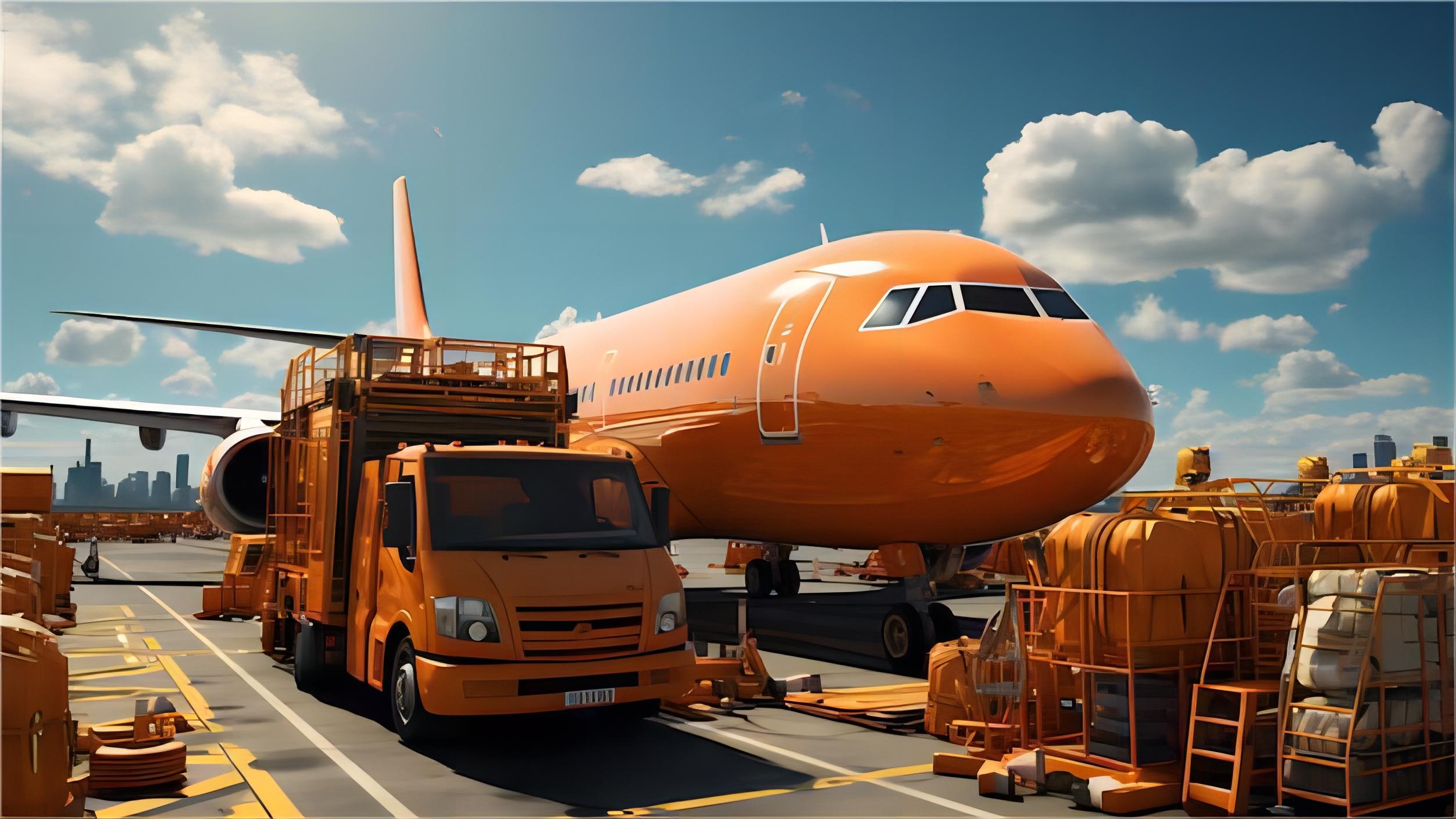
Why Choose a Reliable China Australia Logistics Company in 2026?
Modern trade between these two nations has evolved significantly, demanding higher levels of transparency and digital integration than ever before. Moreover, the current market landscape in early 2026 shows that businesses prioritizing logistics reliability often see a 15 percent reduction in overall landed costs. Reliable partners provide real-time tracking and proactive communication, which are essential for managing inventory levels in a fast-paced retail environment.
Additionally, a professional logistics provider acts as a buffer against global shipping disruptions that can occur unexpectedly. Indeed, having a partner with established relationships at major ports like Shanghai, Ningbo, and Sydney ensures your shipments receive priority handling during peak seasons. Furthermore, these companies offer specialized knowledge in Australian Border Force requirements, preventing costly fines and storage fees at the wharf.
Consequently, the peace of mind provided by a vetted logistics expert allows you to focus on core business growth rather than worrying about container availability. Meanwhile, the integration of AI-driven logistics platforms has made it easier for small and medium enterprises to access the same efficiency as large corporations. Therefore, your choice of a logistics provider directly impacts your brand reputation and customer satisfaction levels in the Australian market.
How Does Sea Freight Compare to Other Shipping Options?
Ocean freight remains the backbone of trade between China and Australia due to its cost-effectiveness for high-volume shipments. However, it is vital to understand the trade-offs between speed and expense when planning your inventory cycles. For instance, while sea freight is significantly cheaper than air transport, the transit time requires much earlier booking and planning.
Specifically, for shipments exceeding 15 cubic meters, sea freight is almost always the most economical choice. In contrast, smaller parcels might benefit from express services that bypass the lengthy port handling processes. We have analyzed the primary methods available in 2026 to help you make an informed decision based on current market data.
| Shipping Method | Cost Range (USD) | Transit Time | Best For |
|---|---|---|---|
| Sea Freight (FCL) | $1,200 – $2,100 | 12-18 Days | Large Bulk Orders |
| Sea Freight (LCL) | $60 – $110 / CBM | 18-25 Days | Medium Shipments |
| Air Freight | $4.50 – $7.50 / kg | 3-7 Days | High-Value Goods |
| Express Service | $8.00 – $12.00 / kg | 2-4 Days | Urgent Samples |
Exploring Air Freight and Express Services for Speed
When time is the primary constraint, air freight provides the fastest route to market for your Chinese manufactured products. Furthermore, this method is ideal for electronics, fashion items, and perishable goods that cannot endure the longer sea voyage. Although the costs are higher, the reduced lead time can significantly improve cash flow by allowing for faster inventory turnover.
Similarly, utilizing an express service is the preferred strategy for e-commerce sellers who need door-to-door delivery. These services often include customs clearance in their pricing, which simplifies the process for new importers. Nevertheless, businesses must weigh the premium cost against the urgency of the shipment to maintain healthy profit margins.
Typical air cargo rates as of early 2026 have stabilized, yet they remain sensitive to fuel surcharges and seasonal demand spikes. Consequently, booking at least 7 to 10 days in advance is recommended to secure space on major airlines. For those managing online stores, integrating amazon fba logistics can further streamline the distribution process within Australia.
Understanding Customs Brokerage and Australian Regulations
Navigating the legal requirements of the Australian Border Force is often the most challenging aspect of importing. Therefore, engaging a professional customs brokerage service is highly recommended to avoid compliance issues. These experts ensure that all documentation, including the packing list, commercial invoice, and certificate of origin, are perfectly aligned with current laws.
Moreover, Australia has strict biosecurity laws that require specific treatments for wood packaging and certain organic materials. Failure to comply with these standards can result in the immediate destruction of goods or expensive quarantine treatments. Accordingly, a reliable logistics provider will verify that your suppliers in China are using compliant packaging before the cargo leaves the factory floor.
Importantly, the China-Australia Free Trade Agreement (ChAFTA) continues to provide duty-free or reduced-duty access for many product categories in 2026. Nevertheless, you must provide the correct documentation to claim these benefits. Without a doubt, the cost of a customs broker is easily offset by the potential savings in duties and the avoidance of port storage penalties.
Which Shipping Option Should You Choose?
Deciding on the right method depends on your specific business priorities, cargo volume, and budget constraints. If your primary goal is cost reduction and you have a flexible schedule, sea freight is the clear winner. On the other hand, if you are launching a new product or replenishing low stock, air freight might be the necessary investment.
For those shipping to Australia, consider the following decision framework based on 2026 market intelligence. We recommend evaluating your shipment against these criteria to determine the most efficient logistics strategy for your current needs.
Budget Priority
Choose Sea Freight (LCL or FCL) when margins are tight and the product value-to-weight ratio is low. This method allows for the lowest per-unit shipping cost, provided you can manage the 3-week lead time.
Speed Priority
Opt for Air Freight or Express if you need to capitalize on a market trend or meet an urgent deadline. This is especially relevant for high-tech components or seasonal fashion items.
Volume Thresholds
Shipments under 100kg are best suited for Express. Between 100kg and 500kg, Air Freight is often competitive. For anything over 15 CBM, a 20GP container (FCL) becomes more economical than LCL.
Real Case Studies: China to Australia Logistics in 2026
Case Study 1: Electronics Distribution. Route: Shenzhen to Melbourne. Cargo: Consumer electronics, 2.5 CBM, 450 kg. Method: LCL Sea Freight. Ocean Freight: $280. Origin/Dest Charges: $420. Total Landed Cost: $700. Transit Time: 19 days. Key Insight: Consolidating multiple small orders into one LCL shipment saved the client 30 percent compared to air freight.
Case Study 2: Furniture Import. Route: Ningbo to Sydney. Cargo: Flat-pack furniture, 28 CBM. Container: 20GP FCL. Ocean Freight: $1,150. Customs & Duties: $550. Total Landed Cost: $2,100. Transit Time: 15 days. Key Insight: Direct sailing from Ningbo avoided transshipment delays in Singapore, ensuring the goods arrived for the Q1 sales peak.
Case Study 3: Urgent Fashion Samples. Route: Guangzhou to Brisbane. Cargo: Clothing samples, 15 kg. Method: Express Service. Total Cost: $165. Transit Time: 3 days. Key Insight: Using express delivery allowed the designer to approve samples and start mass production two weeks earlier than sea-based alternatives.
Cost-Saving Strategies for 2026
Reducing your logistics spend requires a combination of smart planning and negotiation with your logistics provider. For instance, shipping during the off-peak months of March through June can result in rates that are 20 percent lower than the August-October peak. Additionally, optimizing your packaging to reduce unused space in a container can significantly lower your LCL costs.
Furthermore, consider consolidating shipments from multiple Chinese suppliers into a single container at a warehouse in Shenzhen or Shanghai. This strategy, known as buyer’s consolidation, reduces the number of customs entries and port handling fees you must pay in Australia. Consequently, you gain better control over your supply chain while lowering the cost per cubic meter.
Note: Freight rates are subject to change based on fuel costs, carrier capacity, and seasonal demand. Contact us for a current quote tailored to your specific shipment.
Final Thoughts on Australian Logistics
Successfully importing goods requires more than just finding the lowest price; it demands a reliable china australia logistics company that provides consistency and expertise. By understanding the differences between sea and air freight, and staying informed about customs regulations, you can build a resilient supply chain.
As we move through 2026, the integration of technology and professional service will continue to be the hallmark of successful international trade. Therefore, invest the time to choose a partner that offers transparency, reliability, and a proven track record in the China-Australia corridor.

Need a tailored shipping solution?
Streamline your international trade today by partnering with a reliable china australia logistics company that understands your business needs. Our team of experts is ready to provide you with a competitive quote and a customized shipping strategy for 2026. Visit our website to learn more and Send Inquiry to start your journey toward a more efficient supply chain.
Frequently Asked Questions
What is the fastest way to ship from China to Australia?
Express service is the fastest method, typically taking 2-4 days for door-to-door delivery. Air freight is the next fastest, usually arriving in 3-7 days depending on the flight schedule.
How much does a 20ft container cost from China to Australia in 2026?
Current market rates for a 20GP container range from $1,200 to $2,100. These prices fluctuate based on the port of loading and seasonal demand.
Do I need a customs broker for Australian imports?
While not legally required for individuals, it is highly recommended for businesses to ensure compliance with ABF and biosecurity regulations, preventing delays and fines.
How long does sea freight take from Shanghai to Sydney?
Direct sea freight transit typically takes between 12 and 18 days. If the vessel stops at transshipment hubs like Singapore, the time can increase to 25 days.
Are there any products I cannot ship to Australia?
Australia has strict biosecurity laws. Prohibited or restricted items include certain organic materials, untreated wood, and specific chemicals or hazardous goods.
Is rail freight an option for China to Australia shipping?
No, rail freight is not a viable option for this route due to the geographic separation by the ocean. Shipping is limited to sea and air transport.
What documents are required for China-Australia shipping?
Essential documents include the Commercial Invoice, Packing List, Bill of Lading, and a Certificate of Origin to claim ChAFTA duty preferences.
How is LCL shipping cost calculated?
LCL costs are calculated based on volume (per cubic meter) or weight, whichever is greater. Most providers use a 1:1000 ratio for weight-to-volume conversion.