

China to USA Consolidated LCL Sea Freight Forwarding Service 2026
Navigating international logistics requires a strategic approach to balance costs and speed. For many businesses, a professional Top China Cargo China to USA consolidated LCL sea freight forwarding service provides the perfect middle ground for smaller shipments. Consequently, importers can enjoy the benefits of ocean transport without the need to fill an entire 40-foot container. This comprehensive guide explores how consolidation works and why it remains a top choice for US-bound cargo in 2026.
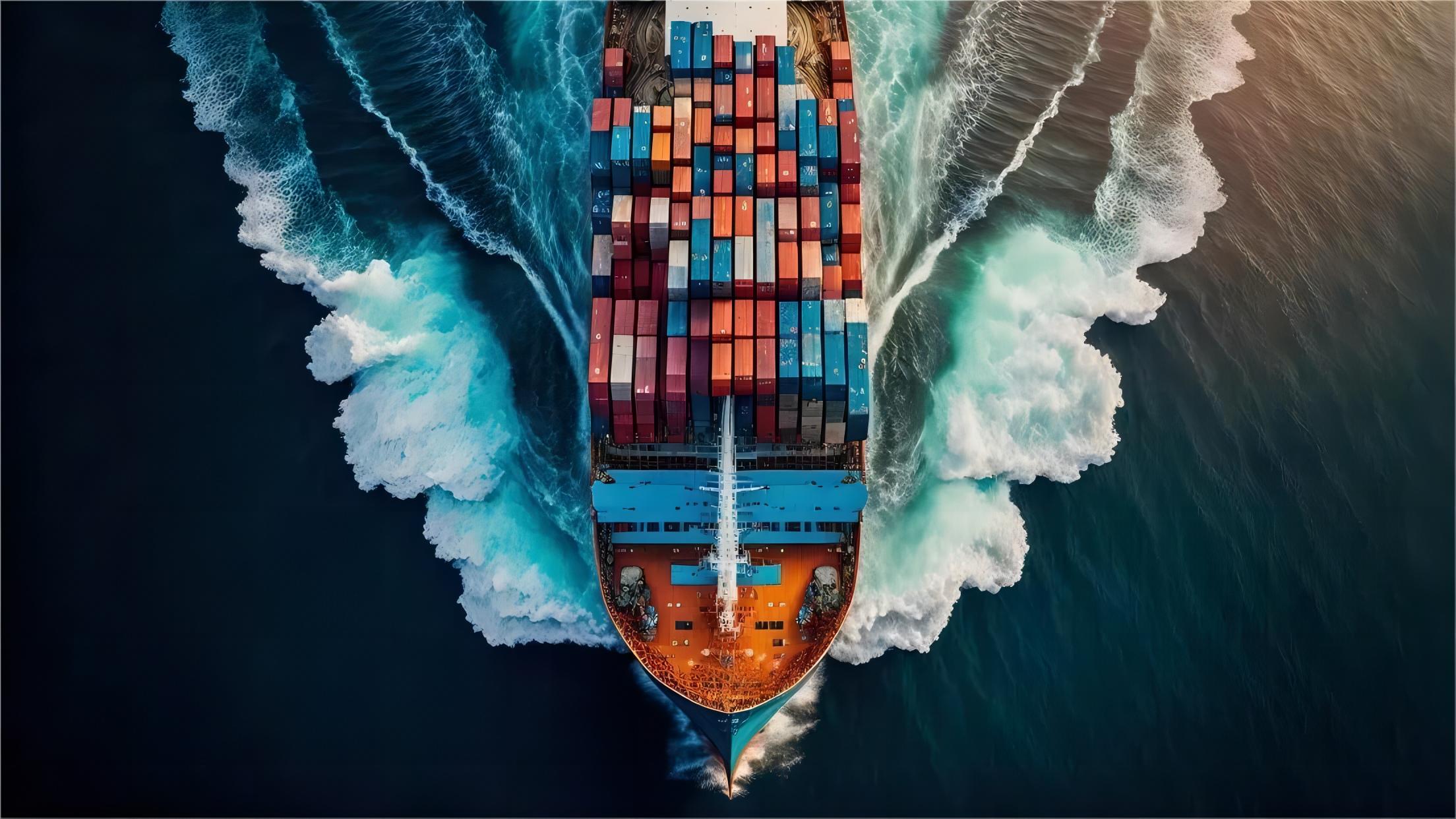
What Is a China to USA Consolidated LCL Sea Freight Forwarding Service?
Consolidated LCL shipping involves grouping multiple smaller shipments from different suppliers into a single shipping container. Specifically, this method allows businesses to pay only for the space they use, measured in cubic meters (CBM). Furthermore, the process is managed by a freight forwarder who handles the loading at the origin and the deconsolidation at the destination port.
Choosing a sea freight solution like consolidation is ideal for startups and mid-sized enterprises. Meanwhile, the logistics provider ensures that all cargo is properly palletized and secured to prevent damage during the long Pacific crossing. Indeed, this service has become the backbone of modern e-commerce supply chains connecting Asian manufacturing hubs to American consumers.
Logistics trends in 2026 indicate a shift toward more frequent, smaller shipments to maintain lean inventory levels. Therefore, a reliable China to USA consolidated LCL sea freight forwarding service is more relevant than ever. This approach minimizes capital tied up in stock while ensuring a steady flow of goods to the US market.
How Does LCL Consolidation Save Money for Your Business?
Cost efficiency is the primary driver for selecting consolidated services over full container loads (FCL). Because you share the container space with other shippers, the fixed costs of the ocean voyage are distributed across multiple parties. Consequently, your landed cost per unit remains competitive even for low-volume orders.
Moreover, using a door to door service simplifies the entire budgeting process. This comprehensive option often includes pickup, ocean freight, and final delivery in one single quote. As a result, businesses can avoid the hidden fees often associated with fragmented logistics chains.
Market data suggests that LCL rates in early 2026 have remained stable compared to the volatile air cargo market. Additionally, by optimizing the pallet dimensions and stacking, shippers can further reduce their billable volume. Nevertheless, it is essential to work with an experienced forwarder to ensure accurate volume measurements at the warehouse.
How Does Consolidated LCL Compare to Other Shipping Options?
Evaluating different transport modes is crucial for making an informed supply chain decision. While air freight offers unmatched speed, the cost is often five to ten times higher than sea transport. On the other hand, LCL provides a cost-effective alternative for goods that are not time-sensitive.
Without a doubt, FCL is faster for large volumes because it avoids the consolidation and deconsolidation stages. However, for shipments under 15 CBM, the China to USA consolidated LCL sea freight forwarding service is usually the more economical choice. To summarize, the best method depends entirely on your specific volume, budget, and deadline requirements.
| Consolidated LCL | $50 – $150 per CBM | 18 – 35 Days | Small/Mid Shipments |
| Full Container (FCL) | $2,500 – $5,500 | 14 – 30 Days | Bulk/Large Orders |
| Air Freight | $4.50 – $9.00 per kg | 3 – 7 Days | High Value/Urgent |
| Express Service | $7.00 – $12.00 per kg | 2 – 5 Days | Samples/Documents |

Which Option Should You Choose? Decision Framework
Selecting the right shipping strategy requires a clear understanding of your priorities. If your primary goal is budget optimization, LCL consolidation is the clear winner for small loads. Conversely, if you are launching a product and need it in stock within a week, air freight is the only viable path.
Cargo type also plays a significant role in this decision. For instance, heavy or bulky items like furniture or machinery are prohibitively expensive to ship by air. In contrast, the China to USA consolidated LCL sea freight forwarding service handles these items with ease and affordability.
Consider the following criteria for your 2026 shipments: For volumes between 1 and 15 CBM, choose LCL. For volumes exceeding 15 CBM, compare the cost of a 20GP container. Finally, for urgent e-commerce restocks, consider a hybrid sea-air solution to balance cost and speed.
What Are the Typical Transit Times for 2026?
Transit times from China to the USA vary significantly based on the destination port and the specific carrier used. Generally, shipments to the US West Coast are much faster than those heading to the East Coast or the Midwest. Furthermore, the consolidation process adds approximately 5 to 7 days to the total door-to-door timeline.
According to industry benchmarks, direct routes from Shanghai to Los Angeles are the most efficient. Meanwhile, shipments to New York or Savannah often require transit through the Panama Canal or intermodal rail from the West Coast. Consequently, planning your inventory cycles around these schedules is vital for success in North America.
| South China | Los Angeles / LB | 14 – 18 Days | 22 – 28 Days |
| East China | Seattle / Tacoma | 16 – 20 Days | 24 – 30 Days |
| Central China | New York / NJ | 28 – 35 Days | 38 – 45 Days |
| South China | Savannah / Miami | 30 – 38 Days | 40 – 50 Days |
What Documents Are Required for US Customs Clearance?
Navigating the legal requirements of US Customs and Border Protection (CBP) is a critical step in the shipping process. Indeed, missing or incorrect documentation can lead to significant delays and expensive storage fees at the port. Therefore, utilizing a professional customs brokerage service is highly recommended for all importers.
Standard documentation includes the Commercial Invoice, Packing List, and Bill of Lading. Additionally, for US-bound sea freight, the Importer Security Filing (ISF) must be submitted at least 24 hours before the ship leaves the Chinese port. Failure to comply with ISF regulations can result in a $5,000 fine per violation.
Moreover, certain products may require specialized certificates, such as FDA approval for food-contact items or EPA certificates for engines. Consequently, you should verify all requirements before the cargo departs. A well-prepared document package ensures a smooth transition through the port of entry.
| Commercial Invoice | Supplier | Valuation and Duties | Before Departure |
| Packing List | Supplier | Cargo Verification | Before Departure |
| ISF (10+2) Filing | Importer / Broker | Security Screening | 24h Pre-Loading |
| Bill of Lading | Freight Forwarder | Title to Goods | After Departure |
Real-World Case Studies for 2026 Shipments
Case Study 1: Efficient Electronics Shipping. Route: Shenzhen to Los Angeles. Cargo: Consumer electronics, 5 CBM, 1,200 kg. Shipping Details: Major carrier, direct route. Cost Breakdown: Ocean Freight $650, Origin Charges $220, Destination Charges $310, Total Landed Cost $1,180. Timeline: 24 days door-to-door. Key Insight: Early ISF filing prevented any port delays.
Case Study 2: Home Decor Distribution. Route: Ningbo to Savannah via Panama Canal. Cargo: Wooden furniture, 12 CBM, 3,500 kg. Shipping Details: Transshipment service. Cost Breakdown: Ocean Freight $1,560, Origin Charges $450, Destination Charges $620, Total Landed Cost $2,630. Timeline: 42 days door-to-door. Key Insight: Using LCL saved $1,800 compared to a 20GP container.
Case Study 3: Amazon Seller Restock. Route: Shanghai to Dallas (FBA). Cargo: Apparel, 3 CBM, 600 kg. Shipping Method: Amazon FBA sea freight. Cost Breakdown: Total Door-to-Door $850. Timeline: 32 days. Key Insight: Palletization at the origin warehouse met all Amazon requirements perfectly.
How to Calculate Your LCL Shipping Costs?
LCL pricing is primarily based on volume rather than weight, unless the cargo is exceptionally heavy. The standard unit of measurement is the cubic meter (CBM). To calculate this, simply multiply the length, width, and height of your pallets in meters. Furthermore, forwarders often apply a ‘minimum billable’ of 1 CBM.
In addition to the base ocean freight rate, you must account for local charges at both ends. These include terminal handling charges (THC), documentation fees, and trucking costs for the final mile. Consequently, always request an ‘all-in’ quote to avoid surprises when the invoice arrives.
Typical rates as of early 2026 show ocean freight between $50 and $150 per CBM depending on the port pair. However, during the peak season from August to October, rates typically increase by 15-25%. Note: Freight rates are subject to change based on fuel costs, carrier capacity, and seasonal demand. Contact us for a current quote tailored to your specific shipment.
Summary of Consolidated Shipping Benefits
To summarize, utilizing a China to USA consolidated LCL sea freight forwarding service is an excellent strategy for managing smaller import volumes. It offers the perfect balance of cost efficiency, reliability, and professional cargo handling. Furthermore, by understanding the documentation and transit time requirements, you can ensure a seamless flow of goods.
As market conditions evolve in 2026, staying informed about logistics trends and choosing the right partners will be key to your business success. Whether you are shipping electronics, furniture, or apparel, LCL consolidation provides the flexibility needed to scale your operations. Indeed, the right forwarding service acts as an extension of your own team, navigating the complexities of international trade on your behalf.

Get Your Shipping Quote Today
Ready to streamline your supply chain with a reliable China to USA consolidated LCL sea freight forwarding service? Our team provides transparent pricing and expert handling for every shipment. Contact us today to receive a customized quote and optimize your logistics strategy for 2026. Visit: https://topchinacargo.com/contact-us/
Request Quote