

Shipping Solar Products China to Australia: The Complete 2026 Logistics Guide
As Australia accelerates its transition to renewable energy, the demand for high-quality components continues to surge. Navigating the complexities of shipping solar products china to australia requires a strategic approach to ensure cost-efficiency and safety. Consequently, importers must understand the nuances of logistics to maintain a competitive edge in the 2026 market. This guide provides comprehensive insights into optimizing your supply chain for solar panels, inverters, and lithium battery storage systems.
What are the Main Methods for Shipping Solar Products China to Australia?
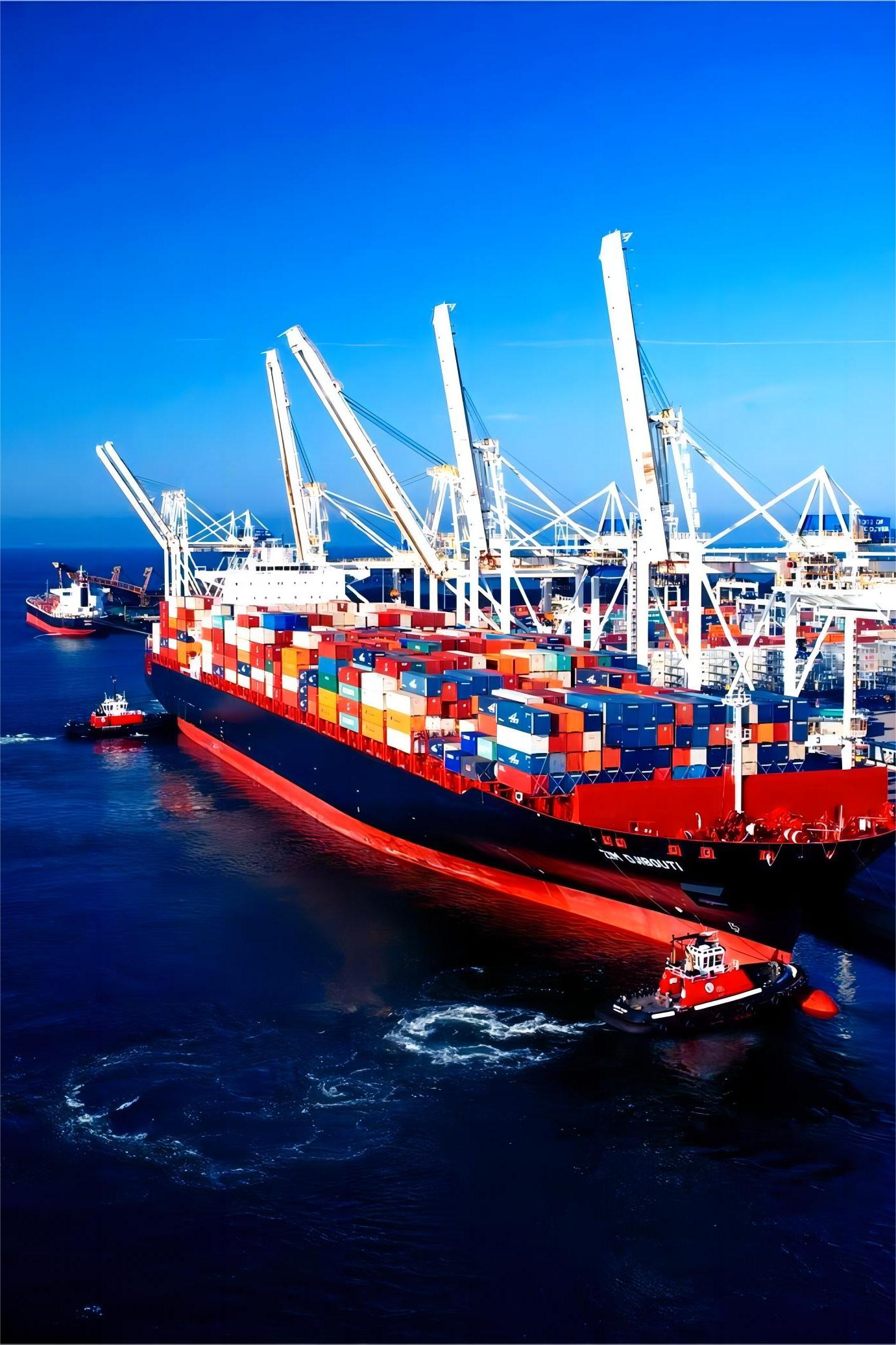
Selecting the right transportation mode is the first critical step in your logistics strategy. For the majority of importers, sea freight remains the most viable option due to the bulky nature of solar panels. Indeed, ocean transport provides the necessary capacity for large-scale solar farm projects and residential retail stock alike.
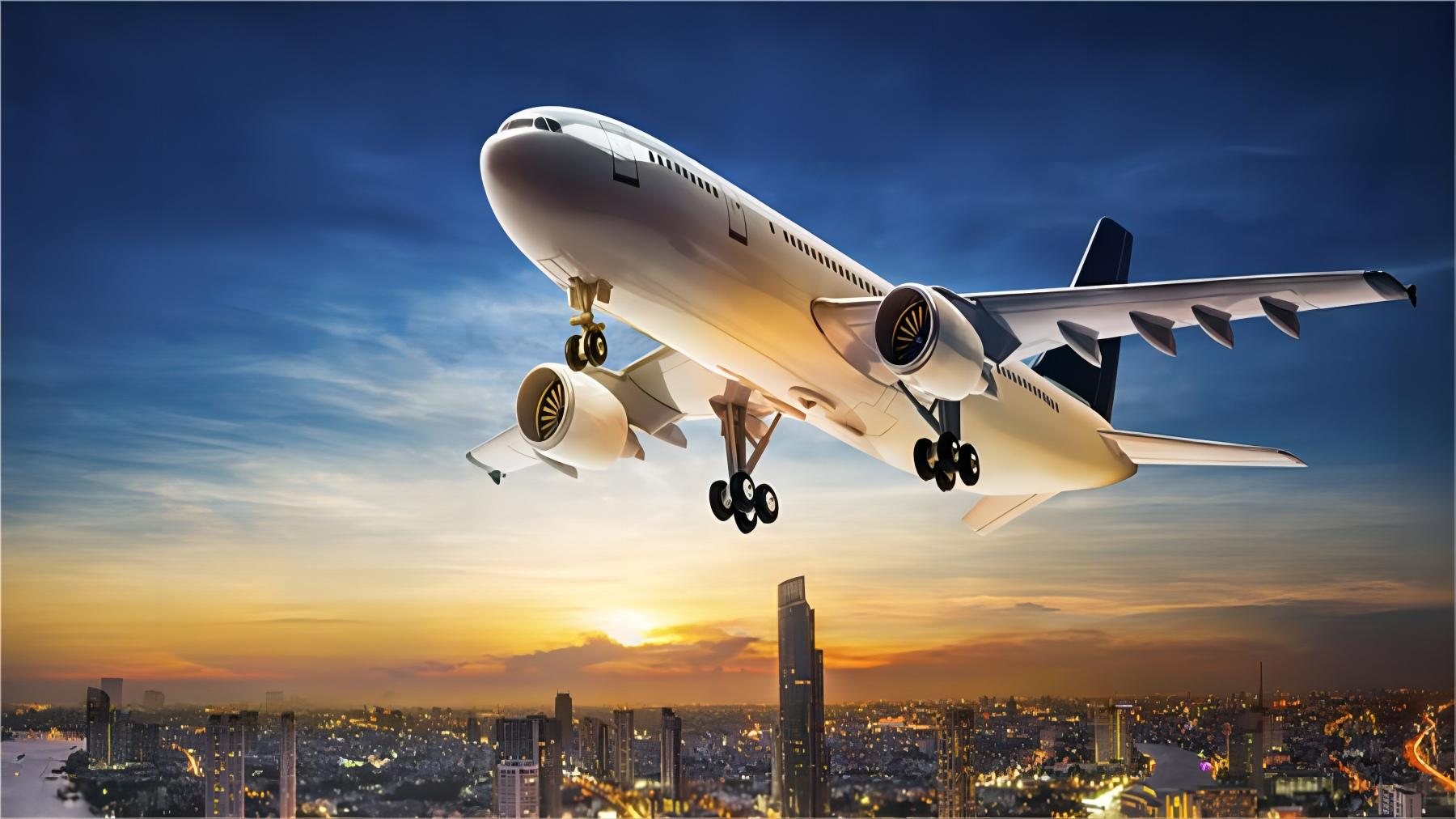
Moreover, air freight serves as a secondary option for urgent components such as micro-inverters or specialized monitoring hardware. While significantly more expensive, air freight ensures that project deadlines are met when supply chain disruptions occur. Nevertheless, the high volume-to-weight ratio of solar panels usually makes air transport cost-prohibitive for standard shipments.
Additionally, businesses must choose between Full Container Load (FCL) and Less than Container Load (LCL). FCL is typically preferred for solar panels because it minimizes handling and reduces the risk of glass breakage. On the other hand, LCL can be a cost-effective alternative for smaller quantities of inverters or mounting brackets.
How Does Sea Freight Compare to Other Shipping Options?
Evaluating different logistics paths is essential for balancing speed and expenditure. In the context of 2026 market conditions, sea freight continues to dominate the route between Chinese manufacturing hubs and Australian ports. For instance, shipping from Ningbo to Sydney via ocean is significantly cheaper than any multi-modal or air alternative.
Furthermore, sea-air hybrid solutions have emerged as a niche strategy for balancing costs. However, for most solar equipment, the direct sea route is the most efficient path. Consequently, understanding the trade-offs between these methods allows businesses to allocate their budgets more effectively.
The following table provides an objective analysis of the viable alternatives for shipping solar products china to australia in the current year.
| Shipping Method | Cost Range | Transit Time | Best For |
|---|---|---|---|
| Sea Freight (FCL) | $1,200 – $2,000 | 12-18 Days | Bulk Solar Panels |
| Sea Freight (LCL) | $50 – $90/CBM | 18-25 Days | Small Inverter Shipments |
| Air Freight | $4.50 – $7.00/kg | 3-7 Days | Urgent Spare Parts |
| Express Service | $8.00 – $12.00/kg | 2-4 Days | Critical Electronics |
Navigating Customs Clearance and Compliance for Solar Imports
Compliance with Australian standards is non-negotiable when importing renewable energy technology. Specifically, solar panels must meet AS/NZS 5033 standards to be legally installed and eligible for government rebates. Therefore, working with an experienced customs brokerage is vital to avoid costly delays at the border.
In addition to technical standards, importers must accurately classify their goods under the Harmonized System (HS) codes. For example, solar cells assembled into modules typically fall under HS code 8541.43.00. Consequently, misclassification can lead to incorrect duty payments or even legal penalties from the Australian Border Force.
Moreover, lithium batteries, often shipped alongside solar systems, are classified as dangerous goods (Class 9). Indeed, these require specialized documentation and packaging to satisfy both international maritime regulations and Australian safety laws. Without a doubt, professional oversight ensures that all paperwork, including the Bill of Lading and Commercial Invoice, is perfectly aligned.
Which Option Should You Choose?
Deciding on a shipping strategy requires a clear understanding of your project priorities and cargo volume. If your primary concern is the lowest possible landed cost, sea freight FCL is the undisputed winner for shipments exceeding 15 CBM. Conversely, if you are managing a small residential project, LCL might offer better flexibility despite the slightly higher cost per unit.
For those prioritizing speed due to an installation deadline, air freight is the only option that can deliver goods within a week. However, you must be prepared for costs that are often five to ten times higher than sea freight. Furthermore, hybrid solutions like sea-to-door services can provide a middle ground by streamlining the final mile delivery.
Consider the following criteria for your decision framework: Budget priority suggests sea freight; Speed priority suggests air or express; Large volume shipments always favor FCL. By aligning your choice with these factors, you can optimize your shipping from china to australia experience.
Cost Breakdown: Shipping Solar Products China to Australia in 2026
Understanding the total landed cost is crucial for maintaining profitability in the renewable energy sector. As of Q1 2026, freight rates have stabilized, but seasonal fluctuations still occur during peak periods like the lead-up to the Australian summer. For instance, rates typically increase by 15-20% between September and November.
In addition to the base freight rate, importers must account for local charges at both the origin and destination. These include Terminal Handling Charges (THC), documentation fees, and port service charges. Consequently, a comprehensive quote should always include these ‘hidden’ costs to avoid surprises.
The table below outlines the typical costs for standard container sizes on the China-Australia route based on current 2026 market data.
| Container Type | Ocean Freight | Port Charges | Total Estimated |
|---|---|---|---|
| 20GP Container | $850 – $1,150 | $400 – $600 | $1,250 – $1,750 |
| 40GP Container | $1,300 – $1,700 | $600 – $850 | $1,900 – $2,550 |
| 40HQ Container | $1,450 – $1,950 | $650 – $900 | $2,100 – $2,850 |
Real-World Case Studies for Solar Logistics
Analyzing real-world scenarios provides valuable context for your own shipping operations. These examples reflect actual shipments handled during the 2025-2026 period, highlighting the costs and timelines involved in different logistics configurations.
Case Study 1: Large Scale Solar Farm Components. Route: Shanghai to Melbourne. Cargo: 450 Solar Panels, 68 CBM, 18,000 kg. Container: 2 x 40HQ FCL. Shipping Method: Sea Freight via major carrier. Ocean Freight: $3,600. Total Landed Cost: $5,200. Sea Transit: 16 days. Total Door-to-Door: 24 days. Key Insight: Utilizing FCL for multiple containers reduced the per-panel shipping cost to under $12.
Case Study 2: Residential Inverter Distribution. Route: Shenzhen to Brisbane. Cargo: 20 Hybrid Inverters, 4 CBM, 600 kg. Shipping Method: LCL Sea Freight. Ocean Freight: $280. Total Landed Cost: $850. Sea Transit: 14 days. Total Door-to-Door: 22 days. Key Insight: LCL allowed the distributor to maintain stock levels without the capital expense of a full container.
Packaging and Safety Requirements for Solar Cargo
Protecting your investment during transit is paramount, as solar panels are highly susceptible to micro-cracks if handled poorly. Therefore, using reinforced pallets and corner protectors is a standard industry requirement. Furthermore, many importers now opt for door to door services to minimize the number of times the cargo is handled.
Moreover, moisture protection is essential for electronic components like inverters and battery management systems. Indeed, using industrial-grade desiccants and vacuum-sealed packaging can prevent corrosion during the humid sea voyage. Consequently, investing in high-quality packaging at the origin saves significant costs related to damaged goods and insurance claims.
Without a doubt, proper labeling is also required for Australian customs. For example, lithium-ion batteries must display the correct UN numbers and warning labels. As a result, ensuring your supplier in China follows these strict protocols is a key part of successful shipping solar products china to australia.

Final Thoughts on Solar Logistics
Successfully shipping solar products china to australia in 2026 requires a blend of strategic planning, regulatory knowledge, and reliable partnerships. By choosing the appropriate shipping method and ensuring strict compliance with Australian standards, importers can significantly reduce risks and costs.
Whether you are importing a single pallet of inverters or multiple containers of high-efficiency panels, the principles of safety and efficiency remain the same. Therefore, stay informed about market trends and leverage professional logistics services to power Australia’s green future.
Need a tailored shipping solution?
Ready to streamline your renewable energy supply chain? Contact Top China Cargo today for a customized quote on shipping solar products china to australia and ensure your project stays on schedule. Send Inquiry