

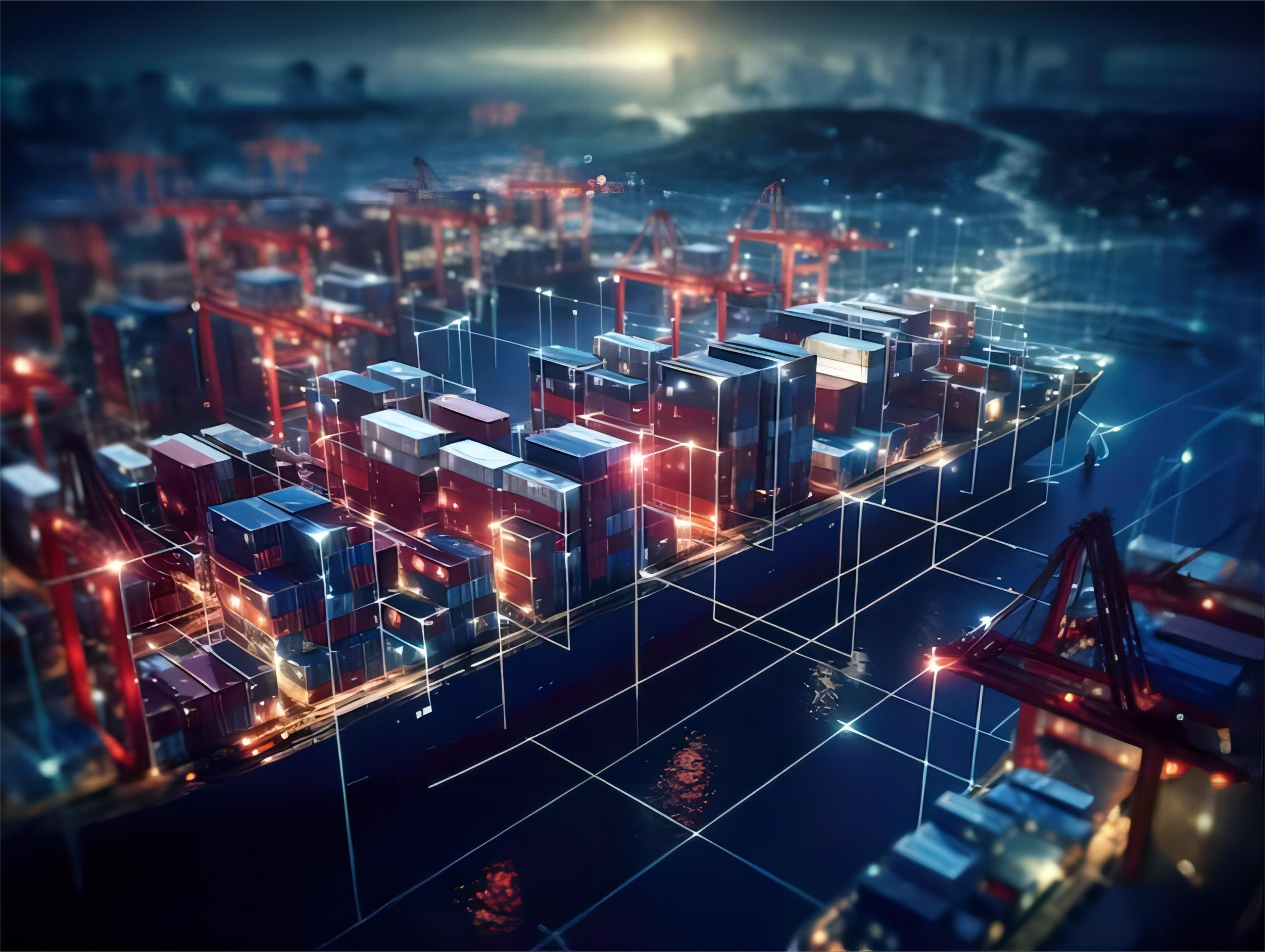
New Zealand Fulfillment Center Services: 2026 Logistics Guide
“Selecting the right New Zealand fulfillment center services is essential for businesses looking to penetrate the Oceanic market in 2026. Many companies often struggle with high shipping costs and complex customs regulations when importing goods from China. This guide provides actionable solutions for streamlining your supply chain and improving delivery schedules through professional logistics management.”
What Are the Core Benefits of New Zealand Fulfillment Center Services?
❖Utilizing local warehousing allows businesses to significantly reduce last-mile delivery times for domestic customers. Furthermore, centralized storage in Auckland or Christchurch enables faster order processing for e-commerce platforms.
Third-party logistics providers offer scalable solutions that adapt to seasonal demand fluctuations without requiring fixed asset investments. Consequently, brands can maintain high service levels during peak shopping periods like Black Friday or Christmas.
Advanced inventory management software provides real-time visibility into stock levels across the entire region. Moreover, these systems integrate seamlessly with global storefronts to automate the fulfillment process from purchase to delivery.
How to Choose the Right Logistics Provider in 2026?
❖Reliability remains the most critical factor when evaluating potential fulfillment partners in the current market. Specifically, you should look for providers with a proven track record in handling specific product categories like electronics or fashion.
Integration capabilities with your existing tech stack will determine the efficiency of your daily operations. Additionally, many businesses now prioritize door to door services to simplify the entire movement of goods.
Cost transparency is another vital consideration to avoid unexpected surcharges during the shipping process. Therefore, requesting a detailed breakdown of storage, picking, and packing fees is a necessary step in the procurement phase.
How Does New Zealand Fulfillment Compare to Other Shipping Options?
❖Comparing various transport methods is necessary to balance speed and budget requirements effectively. While some products require rapid delivery, others can benefit from the lower costs associated with bulk sea transport.
Market data suggests that freight rates have stabilized in early 2026 following previous disruptions. However, businesses must still account for seasonal variations that typically increase prices during the latter half of the year.
Below is a comprehensive comparison of the primary shipping methods available for New Zealand fulfillment routes.
| Shipping Method | Cost Range | Transit Time | Best For |
|---|---|---|---|
| Air Freight | $5.50 – $9.00 per kg | 5 – 8 Days | High-value, urgent goods |
| Sea Freight (LCL) | $120 – $200 per CBM | 18 – 25 Days | Medium-sized shipments |
| Sea Freight (FCL) | $1,400 – $2,200 (20GP) | 16 – 22 Days | Bulk inventory orders |
| Express Courier | $12.00 – $18.00 per kg | 3 – 5 Days | Samples and small parcels |
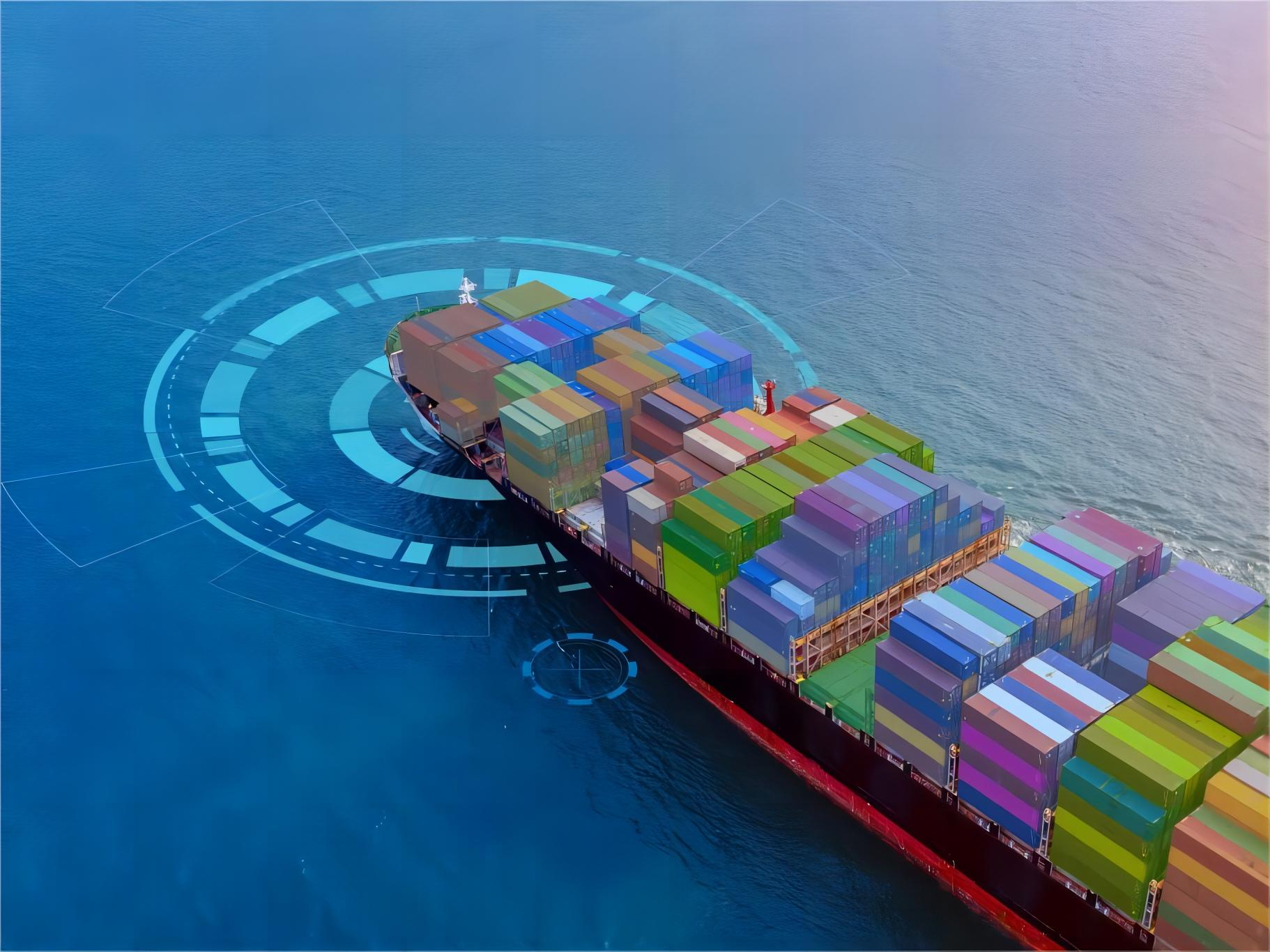
Which Option Should You Choose?
❖Budget priority dictates a heavy reliance on sea freight for the majority of inventory replenishment. This method offers the lowest per-unit cost for large volumes of consumer goods.
Speed priority necessitates the use of air freight to keep stock levels consistent during unexpected sales surges. Indeed, many successful brands use a hybrid approach to manage their inventory levels dynamically.
Cargo type considerations also play a role, as hazardous materials or oversized items may be restricted on certain transport routes. Consequently, consulting with a specialist is advised for non-standard shipments.
Understanding the Role of Customs Brokerage in NZ Imports
❖Navigating the regulatory landscape in New Zealand requires precise documentation and compliance with local biosecurity laws. Professional customs brokerage services ensure that your shipments avoid costly delays at the border.
Import duties and GST are calculated based on the value and classification of the goods being brought into the country. Meanwhile, certain trade agreements may provide exemptions or reduced rates for specific product categories.
Accurate tariff classification is essential for minimizing legal risks and ensuring the correct amount of tax is paid. Furthermore, brokers can assist with obtaining necessary permits for restricted items before they arrive at the port.
| Document Type | Purpose | Required By | Timeline |
|---|---|---|---|
| Commercial Invoice | Value verification | NZ Customs | At time of entry |
| Packing List | Content verification | Port Authority | Before arrival |
| Bill of Lading | Title of goods | Shipping Line | At discharge |
| Import Declaration | Legal clearance | MPI / Customs | 2-3 days prior |
Managing Inventory with Amazon FBA in New Zealand
❖Expanding your reach through Amazon FBA allows you to leverage a world-class distribution network. This service handles storage, customer service, and returns, allowing you to focus on marketing and product development.
Sellers must ensure their products meet specific labeling and packaging requirements before sending them to Amazon warehouses. Additionally, monitoring inventory health scores is vital to avoid excessive long-term storage fees.
Strategic placement of inventory across different regions can further reduce shipping times for your customers. Consequently, many sellers use local fulfillment centers as a buffer for their FBA stock.
Case Studies: Successful New Zealand Fulfillment Strategies
❖Examining real-world examples provides valuable insights into the costs and timelines associated with modern logistics. These cases reflect typical market conditions observed in early 2026.
Case Study 1: Electronics from Shenzhen to Auckland. Cargo: Consumer electronics, 5 CBM, 1200 kg. Shipping Method: Sea Freight LCL. Ocean Freight: $850. Total Landed Cost: $1,450. Total Door-to-Door: 24 days. Key Insight: Consolidating multiple small orders into one LCL shipment saved 15% on total costs.
Case Study 2: Apparel from Ningbo to Christchurch. Cargo: Fashion garments, 40HQ Container. Shipping Method: Sea Freight FCL. Ocean Freight: $1,950. Total Landed Cost: $3,200. Total Door-to-Door: 21 days. Key Insight: Direct routing to Lyttelton Port avoided domestic transshipment delays in Auckland.
The Impact of 2026 Logistics Trends on New Zealand
❖Automation in warehousing is becoming increasingly common as labor costs continue to rise across the region. As a result, many fulfillment centers are investing in robotic picking systems to improve accuracy.
Sustainability initiatives are also shaping the industry, with a focus on reducing carbon footprints through optimized delivery routes. Indeed, many providers now offer eco-friendly packaging options to meet consumer demand.
Digital twins and predictive analytics are helping managers anticipate supply chain disruptions before they occur. Therefore, staying informed about these technological shifts is essential for maintaining a competitive edge.
Optimizing Your New Zealand Fulfillment Strategy
Successful market entry requires a deep understanding of New Zealand fulfillment center services and the associated logistics landscape. By balancing speed, cost, and compliance, businesses can build a resilient supply chain that supports long-term growth.
Remember that market conditions are dynamic and require regular reviews of your shipping partners and methods. Consequently, staying flexible and data-driven will ensure your operations remain efficient throughout 2026 and beyond.

Ready to streamline your logistics?
Streamline your international logistics today with expert New Zealand fulfillment center services. Contact our team for a personalized quote and optimize your 2026 supply chain strategy. Visit our website to learn more about our comprehensive shipping solutions. Send Inquiry: https://topchinacargo.com/
Request Quote