


2026 Guide to Mexico Import Shipping From China Customs Clearance
Shipping goods across the Pacific requires a deep understanding of international logistics and local regulations. Navigating Mexico import shipping from China customs clearance can be a daunting task for many businesses. Fortunately, Top China Cargo provides the expertise needed to streamline your supply chain and ensure timely deliveries. This comprehensive guide explores everything from documentation to carrier selection to help you succeed in the Mexican market.
What is Mexico Import Shipping From China Customs Clearance?
International trade between China and Mexico has grown exponentially over the last few years. Consequently, the complexity of Mexico import shipping from China customs clearance has also increased for global traders. This process involves the formal declaration of goods to the Mexican Tax Administration Service (SAT) to ensure legal entry.
Importers must adhere to strict regulatory frameworks to avoid heavy fines or cargo seizures. Moreover, understanding the specific requirements for different product categories is essential for maintaining a healthy supply chain. You should always consult with experts before initiating a large-scale shipment to North America.
Furthermore, the customs clearance process serves as a gateway for tax collection and safety inspections. Therefore, businesses must prepare all necessary paperwork well in advance of the vessel arrival. This proactive approach minimizes the risk of expensive port storage fees and delivery delays.
Essential Documentation for Mexican Customs
Documentation acts as the backbone of the entire shipping process. Specifically, the Pedimento is the most critical document in Mexico, serving as the official customs entry form. Without a correctly filed Pedimento, your goods will not be permitted to leave the port area.
Additionally, you must provide a commercial invoice that clearly states the value and description of the items. This information allows authorities to calculate the appropriate duties and taxes accurately. Meanwhile, the Bill of Lading serves as the contract between the shipper and the carrier.
Nevertheless, some products require additional certifications, such as the NOM (Normas Oficiales Mexicanas). These standards ensure that imported goods meet Mexican safety and quality requirements. Consequently, verifying your product compliance early is a vital step in the logistics journey.
| Document Name | Purpose | Issuer | Importance |
|---|---|---|---|
| Pedimento | Official Entry Form | Customs Broker | Mandatory |
| Commercial Invoice | Value Declaration | Seller/Exporter | Mandatory |
| Packing List | Cargo Details | Seller/Exporter | Mandatory |
| Bill of Lading | Title of Goods | Shipping Line | Mandatory |
How Does Sea Freight Compare to Other Shipping Options?
Choosing the right transport mode is a strategic decision that impacts both budget and speed. For most large shipments, sea freight remains the most economical choice for businesses. However, it is important to weigh the benefits against the longer transit times associated with ocean travel.
In contrast, air freight offers unmatched speed but comes at a significantly higher cost. For instance, a shipment that takes 30 days by sea might arrive in just 5 days via air. Therefore, businesses must evaluate their inventory needs and profit margins when selecting a method.
Moreover, hybrid solutions like sea-air combinations are becoming more popular in 2026. These options provide a middle ground between cost and speed for time-sensitive yet heavy cargo. Regardless of the method, selecting a reliable partner is the key to successful delivery.
| Method | Cost Range | Transit Time | Best For |
|---|---|---|---|
| Sea Freight | $1,500 – $3,500 | 25-40 Days | Bulk Goods |
| Air Freight | $5.00 – $12.00/kg | 3-7 Days | High Value |
| Express | $8.00 – $15.00/kg | 2-5 Days | Samples |

Air Freight Solutions for Urgent Mexico Import Shipping
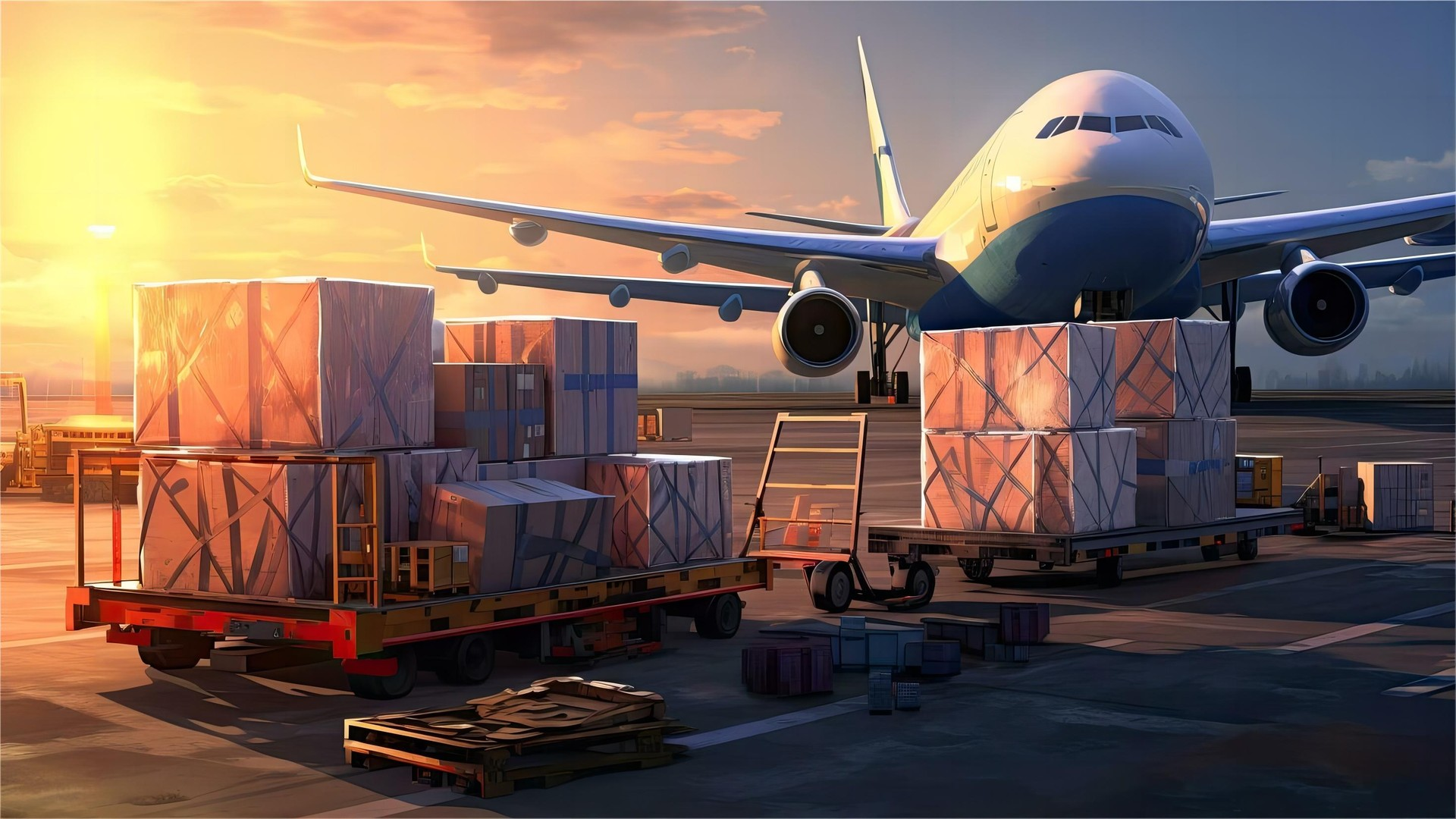
When deadlines are tight, air freight is the superior option for moving goods quickly. Many electronics and fashion retailers utilize this mode to keep up with rapidly changing market trends. Consequently, the speed of air transport can provide a significant competitive advantage.
Furthermore, air transport reduces the risk of damage for fragile or perishable items. Because the cargo spends less time in transit, it is exposed to fewer handling points compared to sea transport. Nevertheless, the environmental impact and high fuel surcharges are factors that companies must consider.
Additionally, major airports in Mexico, such as Mexico City (AICM) and Guadalajara, handle the bulk of Chinese air imports. These hubs are well-equipped with modern facilities to process customs clearance efficiently. As a result, your goods can reach your warehouse shortly after landing.
The Importance of a Professional Customs Broker
Navigating the legalities of Mexican trade requires a licensed professional. Utilizing a customs brokerage service is often mandatory for most commercial imports into Mexico. These experts act as intermediaries between your business and the government authorities.
Moreover, a skilled broker helps you classify your goods under the correct Harmonized System (HS) codes. This classification is vital because it determines the duty rates and regulatory requirements for your products. Consequently, errors in classification can lead to significant delays and financial penalties.
In addition, brokers stay updated on the latest changes in Mexican trade laws and international treaties. For example, they can advise on how to leverage trade agreements to reduce your overall tax burden. Therefore, investing in professional brokerage services is a cost-effective strategy for long-term success.
Door to Door Logistics for Maximum Convenience
For many small and medium-sized enterprises, managing every step of the logistics chain is overwhelming. Opting for door to door services simplifies the entire process by consolidating all steps into one package. This means the provider handles everything from the factory in China to your final destination in Mexico.
Furthermore, this service typically includes the Mexico import shipping from China customs clearance as part of the total cost. This transparency allows businesses to calculate their landed costs more accurately without worrying about hidden fees. Consequently, you can focus on sales and marketing while the logistics experts handle the heavy lifting.
Additionally, door-to-door services provide better tracking and communication throughout the shipment. Having a single point of contact reduces the risk of miscommunication between different carriers and agents. As a result, you gain peace of mind and more time to grow your business operations.
Calculating Shipping Costs and Taxes in 2026
Understanding the financial aspect of importing is crucial for maintaining profitability. In 2026, shipping costs from China to Mexico have stabilized, but fuel prices still fluctuate. Generally, you should budget for the ocean freight rate plus insurance and local handling charges.
Moreover, you must account for the General Import Tax (IGI) and the Value Added Tax (IVA), which is typically 16 percent in Mexico. Some specific products might also attract a Special Tax on Production and Services (IEPS). Therefore, a detailed cost analysis is necessary before placing a large order.
Consequently, working with a freight forwarder who provides all-in quotes can help you avoid unexpected expenses. They can provide a breakdown of all anticipated costs, including port fees and customs duties. Note: Freight rates are subject to change based on fuel costs, carrier capacity, and seasonal demand. Contact us for a current quote tailored to your specific shipment.
Case Studies: Successful Shipments to Mexico
Case Study 1: Industrial Machinery from Shenzhen to Manzanillo. Route: Shenzhen, China to Manzanillo, Mexico. Cargo: CNC Machine parts, 12 CBM, 4500 kg. Container: LCL 12 CBM. Shipping Details: Major carrier, Port of Loading: Shenzhen, Port of Discharge: Manzanillo. Route Type: Direct. Cost Breakdown: Ocean Freight: $1,850. Origin Charges: $450. Destination Charges: $600. Customs and Duties: $2,200. Total Landed Cost: $5,100. Timeline: Booking to Loading: 4 days. Sea Transit: 28 days. Customs Clearance: 3 days. Total Door-to-Door: 35 days. Key Insight: Accurate HS code classification saved the client 5 percent in duties.
Case Study 2: Consumer Electronics from Shanghai to Mexico City. Route: Shanghai, China to Mexico City, Mexico. Cargo: Smart Home Devices, 2 CBM, 350 kg. Method: Air Freight. Shipping Details: Major airline, Port of Loading: Shanghai Pudong, Port of Discharge: Mexico City AICM. Cost Breakdown: Air Freight: $2,800. Origin Charges: $200. Destination Charges: $350. Customs and Duties: $1,100. Total Landed Cost: $4,450. Timeline: Booking to Loading: 2 days. Air Transit: 2 days. Customs Clearance: 2 days. Total Door-to-Door: 6 days. Key Insight: Using express customs processing avoided peak season congestion at the airport.
Which Shipping Option Should You Choose?
Selecting the ideal method depends on your specific business priorities and cargo characteristics. If your primary goal is to minimize costs, sea freight is undoubtedly the best choice for high-volume shipments. However, you must be prepared for a longer delivery schedule and plan your inventory accordingly.
On the other hand, if speed is your absolute priority, air freight is the most effective way to meet tight deadlines. This is particularly true for high-value items where the cost of capital tied up in transit is a concern. Therefore, analyzing your cash flow and customer expectations is a vital part of the decision process.
Specifically, if you are shipping smaller volumes or samples, express services might be the most efficient route. For shipments between 1 and 15 CBM, Less than Container Load (LCL) sea freight often provides the best balance of cost and utility. Ultimately, the right choice depends on a careful evaluation of your unique logistics requirements.
Conclusion
Successfully managing Mexico import shipping from China customs clearance is a cornerstone of a profitable international business. By understanding the required documentation and choosing the right shipping method, you can avoid common pitfalls and delays. Moreover, partnering with experienced professionals ensures that your supply chain remains resilient in a changing global market.
As we move through 2026, staying informed about logistics trends and regulatory changes will be more important than ever. Whether you choose sea freight for its cost-effectiveness or air freight for its speed, the key is thorough preparation. We encourage you to use the insights from this guide to optimize your shipping strategy and achieve long-term growth in the Mexican market.
Ready to streamline your logistics?
Are you ready to streamline your Mexico import shipping from China customs clearance process? Contact Top China Cargo today for a personalized quote and expert guidance on your next shipment. Our team is standing by to ensure your cargo arrives safely and on time. Visit our website to send an inquiry and start your journey toward hassle-free international trade.
Request Quote