

China Australia Customs Broker: 2026 Guide for Efficient Importing
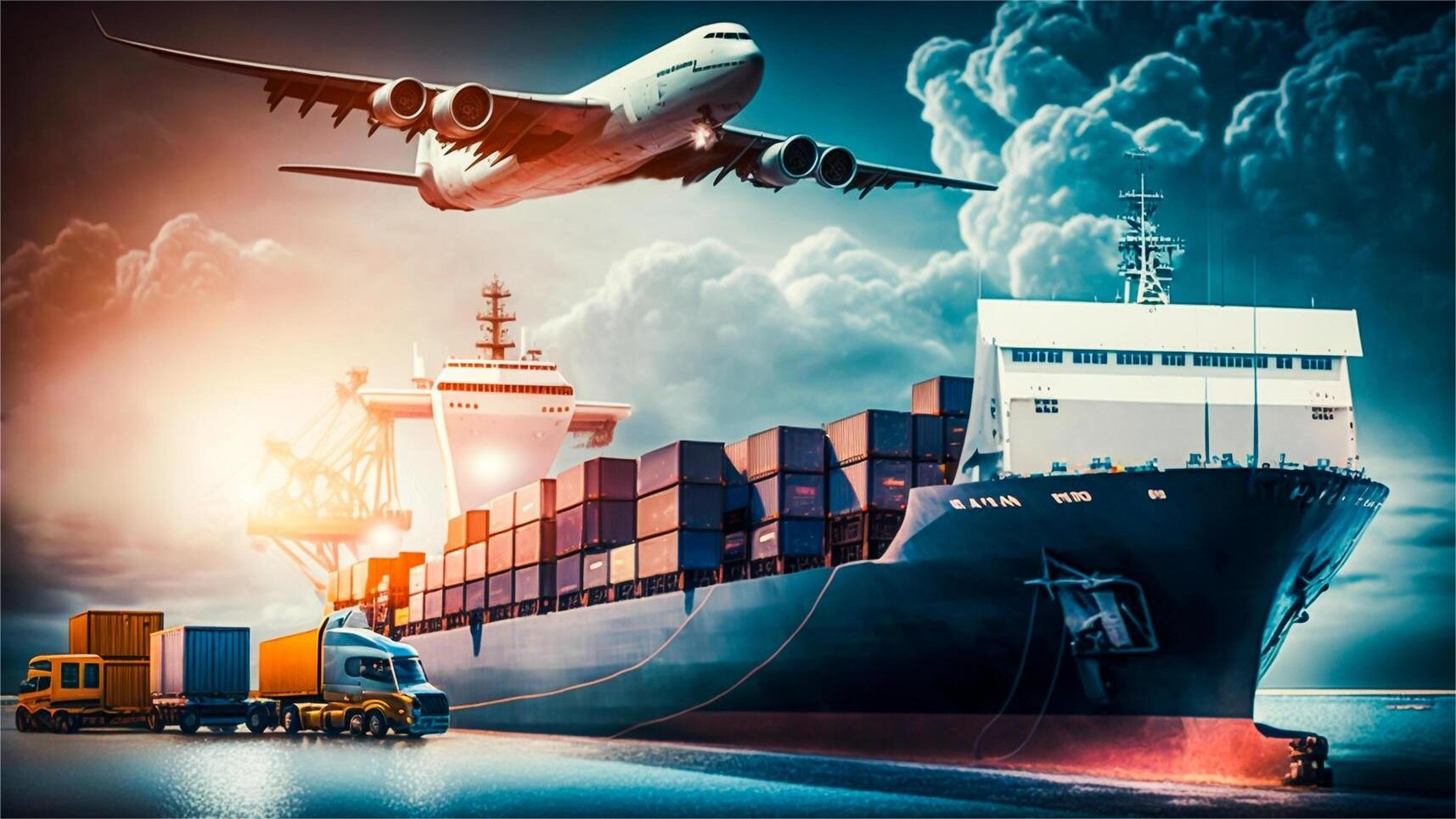
Navigating the complexities of international trade requires a reliable Top China Cargo partner to ensure your goods move efficiently across borders. Specifically, finding an experienced china australia customs broker is essential for businesses looking to minimize delays and maximize profitability in the 2026 market. This guide provides comprehensive insights into the logistics landscape, helping you master the intricacies of the China-to-Australia trade route.
Why You Need a Professional China Australia Customs Broker in 2026
Reliable logistics operations depend heavily on accurate documentation and adherence to evolving trade laws. Consequently, a professional china australia customs broker acts as a vital intermediary between your business and the Australian Border Force. They handle the complex paperwork required to clear goods, ensuring that every shipment complies with the latest 2026 regulations.
Moreover, the Australian import environment has become increasingly digitized, requiring brokers to utilize advanced reporting systems. Therefore, working with an expert allows you to avoid costly fines and storage fees that arise from incorrect data entry. These professionals understand the specific nuances of the customs brokerage process, providing peace of mind for high-volume importers.
Additionally, brokers offer strategic advice on tariff classifications, which can significantly impact your bottom line. Indeed, many businesses overpay on duties simply because they lack the technical knowledge to classify their products correctly. By leveraging their expertise, you can identify legal opportunities for duty concessions and tax exemptions.
Furthermore, the role of a broker extends beyond just paperwork to include biosecurity management. Since Australia maintains some of the strictest quarantine laws in the world, having a knowledgeable partner is crucial. They ensure that your cargo meets all department of agriculture requirements before it even leaves the Chinese port.
How Does Sea Freight Compare to Other Shipping Options?
Choosing the right transportation method is a critical decision that affects both your budget and your delivery schedule. While sea freight remains the most popular choice for bulk commodities, other options like air freight offer distinct advantages for specific needs. Understanding these trade-offs is essential for optimizing your supply chain in 2026.
For example, sea freight is highly cost-effective for large volumes, typically costing a fraction of what air transport requires. However, the transit time is significantly longer, often taking between 12 and 25 days depending on the specific port of call. Consequently, businesses must plan their inventory cycles well in advance to account for these durations.
On the other hand, air freight provides unparalleled speed, making it the preferred choice for high-value or perishable items. Meanwhile, express services offer a middle ground for smaller parcels that require door-to-door convenience. Each method has its own set of customs requirements that your china australia customs broker must manage effectively.
| Shipping Method | Cost Range | Transit Time | Best For |
|---|---|---|---|
| Sea Freight (FCL) | $1,200 – $2,100 per 40HQ | 14 – 22 Days | Bulk goods and large inventory |
| Sea Freight (LCL) | $60 – $110 per CBM | 18 – 25 Days | Small to medium shipments |
| Air Freight | $4.50 – $8.00 per kg | 3 – 7 Days | Urgent or high-value cargo |
| Express Service | $7.00 – $12.00 per kg | 2 – 5 Days | Samples and small documents |
Essential Documentation for Australian Customs Clearance
Accurate record-keeping is the backbone of a successful import strategy when dealing with international cargo. Specifically, your china australia customs broker will require a set of core documents to facilitate the clearance process. Without these, your goods may be held at the port, leading to significant delays and additional expenses.
For instance, the Commercial Invoice must clearly state the value of the goods, the country of origin, and a detailed description of the items. Additionally, the Packing List provides information about the weight, dimensions, and packaging types used for the shipment. Both documents must align perfectly with the information provided on the Bill of Lading.
Furthermore, specialized certificates may be required depending on the nature of your products. For example, timber products often require a fumigation certificate to satisfy Australian biosecurity standards. In contrast, electronics might need compliance declarations to prove they meet local safety regulations.
| Document Name | Purpose | Required By | Typical Source |
|---|---|---|---|
| Commercial Invoice | Determines duty and GST | Customs / ABF | Supplier in China |
| Bill of Lading | Title of goods and contract | Carrier / Customs | Freight Forwarder |
| Packing List | Verification of cargo | Warehouse / Customs | Supplier in China |
| COO (ChAFTA) | Duty-free eligibility | Customs Broker | Chamber of Commerce |
Navigating the China-Australia Free Trade Agreement (ChAFTA)
Utilizing the China-Australia Free Trade Agreement is one of the most effective ways to reduce your total landed cost. Indeed, ChAFTA allows for the duty-free entry of a vast majority of goods originating from China. However, to claim these benefits, you must provide a valid Certificate of Origin that complies with specific formatting rules.
Moreover, your china australia customs broker plays a pivotal role in verifying that your products meet the ‘Rules of Origin’ criteria. This means the goods must be wholly obtained or significantly transformed within China to qualify for preferential treatment. Consequently, failing to prove this can result in the application of the standard 5% duty rate.
Additionally, the agreement is subject to periodic reviews and updates, making it vital to stay informed about current 2026 amendments. Therefore, maintaining a close relationship with your logistics provider ensures you are always taking advantage of the latest trade incentives. This proactive approach can save your business thousands of dollars annually on customs duties.
Calculating Shipping Costs and Duties for 2026
Budgeting for international logistics requires a deep understanding of several cost components beyond just the freight rate. For instance, the total landed cost includes ocean freight, insurance, port charges, and government taxes. Currently, in 2026, freight rates have stabilized, but fuel surcharges can still cause minor fluctuations in monthly pricing.
In addition to freight, you must account for the Goods and Services Tax (GST), which is generally 10% of the value of the taxable importation. This value is calculated by adding the customs value of the goods, the duty, the shipping cost, and the insurance. Consequently, a seemingly small increase in freight rates can lead to a higher GST liability.
Furthermore, your china australia customs broker will charge a service fee for handling the entry and coordinating with authorities. While it might be tempting to look for the cheapest service, an experienced broker can often save you more money through efficient classification. Always ensure you receive a transparent quote that breaks down every fee to avoid hidden surprises upon arrival.
Real-World Case Studies: Successful Logistics Operations
Examining real-world examples helps illustrate the practical challenges and solutions involved in importing from China. These scenarios highlight how a professional china australia customs broker manages different cargo types and shipping methods. By learning from these cases, you can better prepare your own supply chain for success in 2026.
Case Study 1: Electronics Distribution to Sydney. A tech retailer needed to move 5 CBM of high-end tablets from Shenzhen. By choosing air freight, they were able to meet a tight product launch deadline despite a minor delay at the origin airport. The broker successfully navigated the lithium battery regulations, ensuring the cargo was cleared within 24 hours of landing.
Case Study 2: Furniture Import to Melbourne. A local boutique ordered a full container (20GP) of handcrafted wooden furniture from Ningbo. Because the broker ensured all fumigation certificates were in order before departure, the shipment bypassed intensive quarantine inspections. As a result, the client saved over $800 in potential storage and inspection fees.
Case Study 1: Urgent Tech Shipment
Route: Shenzhen, China to Sydney, Australia
Cargo: Tablets and Accessories, 5 CBM, 1,200 kg
Method: Air Freight via major carrier
Total Landed Cost: $9,200 (including duties/taxes)
Transit Time: 5 days door-to-door
Key Insight: Using air freight allowed the client to capitalize on a market trend, while pre-clearance by the broker minimized port dwell time.
Case Study 2: Bulk Furniture Import
Route: Ningbo, China to Melbourne, Australia
Cargo: Wooden Furniture, 1x20GP Container
Method: Sea Freight (FCL)
Total Landed Cost: $4,500 (excluding GST)
Transit Time: 19 days total
Key Insight: Proper biosecurity documentation is the most critical factor for timber imports to avoid expensive quarantine delays in Australia.
Which Shipping Option Should You Choose?
Determining the best logistics strategy depends on your specific business priorities, such as speed, cost, or cargo safety. If your primary goal is cost reduction, sea freight is undoubtedly the most suitable option for large volumes. However, if you are dealing with seasonal inventory or urgent replacements, air freight becomes the logical choice.
Moreover, for shipments that fall between these extremes, door to door services provide a comprehensive solution. This approach simplifies the process by having a single provider manage everything from the factory floor in China to your warehouse in Australia. Consequently, it reduces the administrative burden on your staff and minimizes the risk of communication gaps.
Indeed, many successful importers use a hybrid strategy to balance their needs. For example, they might ship 80% of their stock via sea to keep costs low while using air freight for the remaining 20% to handle unexpected demand. Discussing these options with your china australia customs broker can help you create a resilient and flexible supply chain.
Managing Biosecurity and Quarantine Risks in Australia
Australia is renowned for its strict biosecurity measures designed to protect its unique environment from foreign pests and diseases. Consequently, any shipment containing organic materials, such as wood, plant matter, or soil, faces intense scrutiny. Your china australia customs broker must be well-versed in the Department of Agriculture, Fisheries and Forestry (DAFF) requirements.
Furthermore, non-compliance can lead to mandatory treatment, re-export, or even destruction of the goods at the importer’s expense. Therefore, it is essential to ensure that your suppliers in China understand the cleaning and packaging standards required. For instance, using plastic pallets instead of untreated wood can significantly reduce the risk of quarantine holds.
Additionally, certain items may require an import permit, which must be obtained before the goods arrive in Australia. A proactive broker will review your product list well in advance to identify these requirements. By addressing these issues early, you can ensure a smooth transition through the border without unexpected costs.
Mastering Your Australian Imports in 2026
In conclusion, successfully importing goods from China to Australia requires a combination of strategic planning and technical expertise. By hiring a professional china australia customs broker, you can navigate the complexities of ChAFTA, manage biosecurity risks, and optimize your shipping costs. Remember that the cheapest shipping option is not always the most efficient if it leads to customs delays.
As the global trade environment continues to evolve, staying informed about the latest 2026 regulations will give your business a competitive edge. Focus on building a strong relationship with your logistics partner to ensure long-term success. With the right support, your international trade operations can become a powerful driver of growth for your company.

Need a tailored shipping solution?
Streamline your supply chain today by partnering with an expert china australia customs broker who understands the 2026 trade landscape. Whether you are moving full containers or small parcels, our team provides the precision and reliability your business deserves. Visit shipping from China to Australia to request your custom quote and experience hassle-free logistics.