
China to Brazil Sea Freight Container Shipping Service Guide 2026
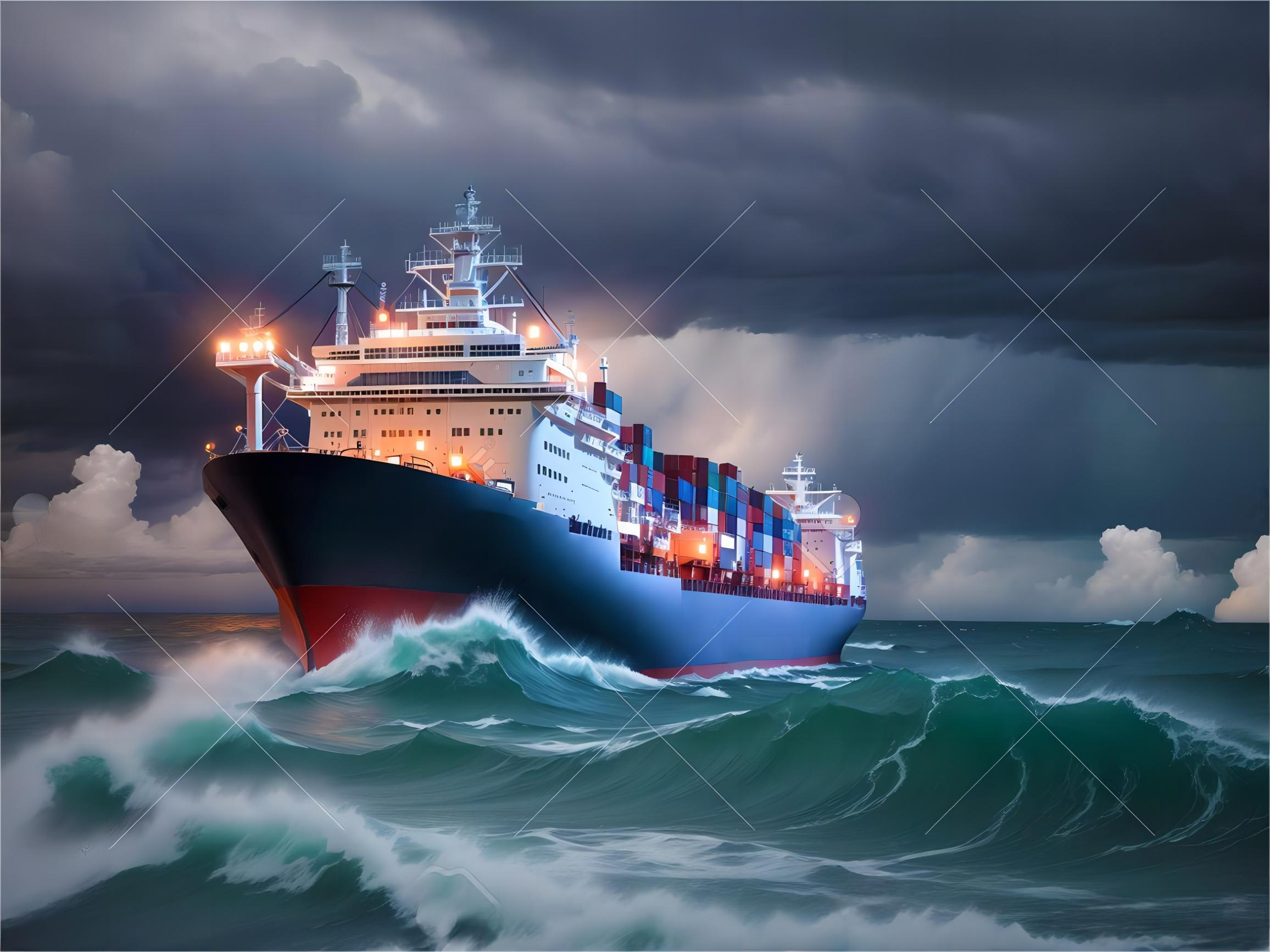
Navigating the complexities of a china to Brazil sea freight container shipping service requires precise planning and deep market knowledge. Businesses often encounter challenges ranging from fluctuating 2026 ocean freight rates to the intricate customs regulations of the Brazilian Revenue Service. However, Top China Cargo provides the expertise necessary to streamline your international supply chain efficiently. Consequently, this guide offers a comprehensive overview of logistics strategies designed to reduce costs and ensure timely delivery across the Atlantic.
How Does China to Brazil Sea Freight Container Shipping Service Compare to Other Options?
Choosing the right transportation method involves balancing speed, budget, and cargo volume. While a sea freight solution remains the most economical choice for bulky goods, other alternatives serve specific business needs. For instance, air freight offers unparalleled speed for high-value electronics but comes at a significantly higher price point. Meanwhile, express service is ideal for small parcels and urgent samples.
Moreover, the vast distance between East Asia and South America makes sea transport the backbone of bilateral trade. Consequently, most industrial machinery and consumer goods move via ocean carriers. Therefore, understanding the trade-offs between these modes is essential for maintaining a competitive edge in the 2026 market.
| Shipping Method | Cost Range | Transit Time | Best For |
|---|---|---|---|
| Sea Freight FCL | $3,800 – $5,500 | 32-40 Days | Bulk & Heavy Goods |
| Sea Freight LCL | $160 – $310/CBM | 42-55 Days | Small Inventories |
| Air Freight | $7.50 – $13.00/kg | 6-10 Days | Urgent Samples |
| Express Service | $12.00 – $18.00/kg | 4-7 Days | Small Parcels |
Understanding FCL and LCL Shipping from China to Brazil
Full Container Load (FCL) shipping provides exclusive use of a 20ft or 40ft container for your goods. This method is generally faster because the container does not require consolidation with other shippers’ cargo. Furthermore, FCL reduces the risk of damage since the cargo is handled less frequently during transit. Specifically, if you are moving more than 15 cubic meters of goods, FCL usually becomes the more cost-effective option.
Less than Container Load (LCL) allows multiple importers to share space within a single container. Consequently, this is an excellent choice for startups or businesses with smaller shipment volumes. Nevertheless, transit times for LCL are often longer due to the time required for consolidation and deconsolidation at the ports. Notably, LCL rates are calculated per cubic meter, making it a flexible solution for varying inventory levels.
Which Factors Influence the Cost of a China to Brazil Sea Freight Container Shipping Service?
Freight rates are never static and depend on several market variables in 2026. For example, fuel surcharges, often referred to as the Bunker Adjustment Factor, fluctuate based on global oil prices. Additionally, peak season surcharges typically apply between August and October as retailers prepare for year-end demand. Therefore, booking your shipment at least 3-4 weeks in advance is highly recommended to secure better rates.
Port congestion and container availability also play a critical role in pricing. Specifically, major Chinese ports like Ningbo and Shanghai may experience delays during the Lunar New Year, leading to temporary price spikes. Furthermore, the choice of destination port in Brazil, such as Santos or Paranagua, will affect the local handling fees. Consequently, working with a professional customs brokerage partner can help you navigate these financial variables.
| Container Type | Typical Rate Range | Capacity (CBM) | Max Weight |
|---|---|---|---|
| 20GP Container | $3,200 – $4,200 | 28-30 CBM | 18,000 kg |
| 40GP Container | $4,500 – $5,800 | 56-58 CBM | 26,000 kg |
| 40HQ Container | $4,800 – $6,200 | 68-70 CBM | 26,000 kg |
Cost-Saving Strategies for 2026
Optimizing your packaging can lead to significant savings by reducing the total volume of your cargo. Moreover, choosing off-peak shipping windows can help you avoid the highest surcharges of the year. Finally, consolidating multiple small orders into a single FCL shipment often results in a lower landed cost per unit.
Transit Times for Brazil-Bound Cargo
The maritime journey from China to Brazil is one of the longest trade routes in the world. Typically, a direct vessel from Shanghai to Santos takes approximately 32 to 38 days. However, shipments involving transshipment in ports like Singapore or Port Klang may take 45 to 55 days. Consequently, importers must factor these timelines into their inventory management systems to avoid stockouts.
Weather conditions and seasonal port congestion in Brazil can further impact these schedules. For instance, the rainy season in southern Brazil occasionally slows down port operations at Itajai and Navegantes. Meanwhile, the high efficiency of Chinese ports ensures that the loading process remains swift. Therefore, always request a real-time tracking number to monitor your cargo’s progress across the ocean.
| Origin Port | Destination Port | Transit (Direct) | Transit (Transship) |
|---|---|---|---|
| Shanghai | Santos | 34 Days | 48 Days |
| Shenzhen | Paranagua | 32 Days | 45 Days |
| Ningbo | Rio de Janeiro | 36 Days | 50 Days |
| Qingdao | Vitoria | 38 Days | 52 Days |
Essential Customs Documentation for Brazil Imports
Brazil is known for having one of the most complex customs environments globally. Specifically, every importer must possess a RADAR license to operate within the Siscomex system. Additionally, the Commercial Invoice must strictly follow Brazilian regulations, including the correct NCM (Mercosul Common Nomenclature) codes. Consequently, any discrepancy in paperwork can lead to heavy fines or cargo seizure by the authorities.
Moreover, a Bill of Lading (BL) is required for every sea freight shipment. This document acts as both a receipt for the goods and a contract of carriage. Furthermore, a Packing List detailing the weight and dimensions of each package is mandatory. Using a door-to-door service can simplify this process by including customs management in the logistics package.
Commonly Required Documents
1. Commercial Invoice (Original and signed).
2. Packing List (Detailed breakdown).
3. Bill of Lading (Original or Telex release).
4. Import Declaration (DI).
5. Certificate of Origin (If applicable for tax benefits).
Realistic Case Studies for 2026 Shipments
Examining real-world scenarios helps importers understand the practicalities of the China-Brazil route. These cases reflect actual market conditions observed in early 2026. Notably, each shipment faced unique challenges that were resolved through professional logistics planning. Therefore, these examples serve as a benchmark for your future shipping requirements.
Case Study 1: Industrial Machinery from Shanghai to Santos ————————————————– Route: Shanghai, China to Santos, Brazil Cargo: CNC Machinery, 28 CBM, 12,000 kg Container: 20GP Shipping Details: – Carrier: COSCO Shipping – Route Type: Direct Cost Breakdown: – Ocean Freight: $3,950 – Origin Charges: $450 – Destination Charges: $850 – Total Landed Cost: $5,250 Timeline: – Booking to Loading: 5 days – Sea Transit: 35 days – Customs Clearance: 6 days – Total Door-to-Door: 46 days Key Insight: Early booking allowed the client to avoid a 15% rate hike during the Q1 peak season.
Case Study 2: Consumer Electronics from Shenzhen to Paranagua ————————————————– Route: Shenzhen, China to Paranagua, Brazil Cargo: Mobile Accessories, 8 CBM, 2,200 kg Container: LCL (Shared Container) Shipping Details: – Carrier: MSC – Route Type: Transshipment via Singapore Cost Breakdown: – Ocean Freight: $1,440 ($180/CBM) – Origin Charges: $200 – Destination Charges: $600 – Total Landed Cost: $2,240 Timeline: – Booking to Loading: 7 days – Sea Transit: 48 days – Customs Clearance: 8 days – Total Door-to-Door: 63 days Key Insight: LCL provided a cost-effective alternative for a shipment that was too small for a full container.
Which Option Should You Choose?
Determining the best shipping strategy depends on your specific business priorities. If your primary goal is cost reduction, sea freight FCL is the undisputed winner for large volumes. On the other hand, if you are testing a new product line with limited stock, LCL offers the flexibility you need. Specifically, consider the value of your goods; high-value items might justify the added cost of air freight to reduce the time capital is tied up in transit.
Furthermore, environmental considerations are becoming increasingly important in 2026. Sea freight remains the most eco-friendly mode of transport per ton-mile compared to air travel. Consequently, businesses looking to improve their sustainability profile should prioritize ocean-based supply chains. Ultimately, the right choice involves a balance of budget, speed, and reliability.
Mastering Your Brazil Logistics Strategy
Successfully managing a china to Brazil sea freight container shipping service requires a combination of early planning, accurate documentation, and the right logistics partner. Throughout 2026, market conditions will continue to evolve, making it essential to stay informed about rate trends and port developments.
By choosing between FCL and LCL based on your volume and utilizing professional customs brokerage, you can significantly mitigate risks. Remember that the long transit times demand a proactive approach to inventory management. Ultimately, a well-executed sea freight strategy will provide the stability and cost-efficiency your business needs to thrive in the Brazilian market.
Ready to streamline your logistics?
Ready to optimize your supply chain with a reliable china to Brazil sea freight container shipping service? Contact Top China Cargo today for a personalized quote and expert guidance on your next shipment. Visit https://topchinacargo.com/ to get started.
Request Quote