

Comprehensive Guide to Export Logistics China to Australia in 2026
Exporting goods from the manufacturing hubs of East Asia to the Australian market involves navigating a complex landscape of international regulations and transport networks. Top China Cargo specializes in streamlining these processes to ensure your supply chain remains resilient and cost-effective. Managing export logistics China to Australia requires a strategic approach to balance speed, safety, and budget requirements in today’s fast-paced global economy.

How Does Sea Freight Compare to Other Shipping Options?
Ocean transport remains the backbone of international trade between these two nations due to its high capacity and relatively low cost. Specifically, sea freight is the most economical choice for transporting bulk commodities, machinery, and large consumer goods. As of early 2026, the maritime industry has seen increased stability in schedules, making it a reliable choice for non-urgent shipments.
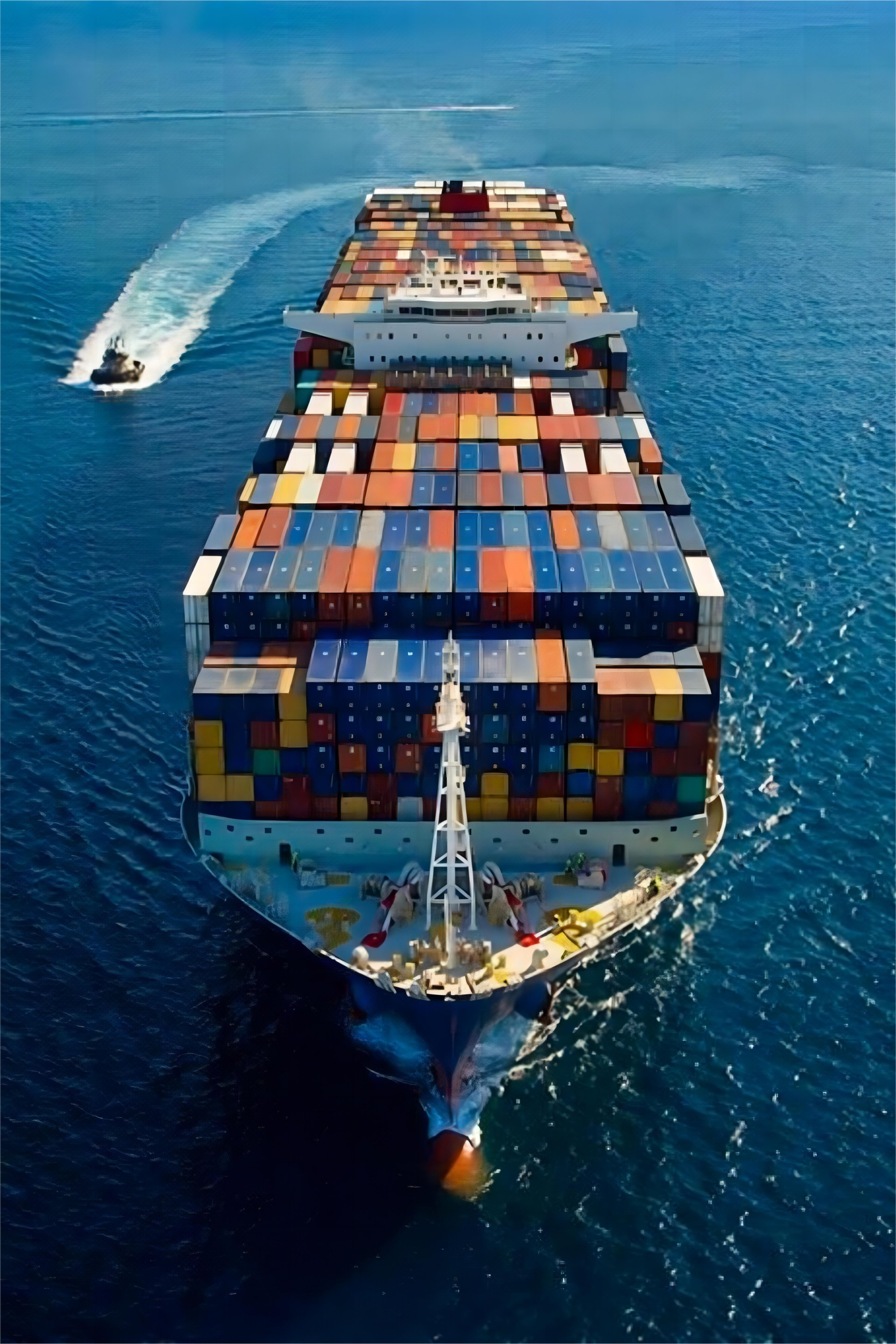
Furthermore, the cost-effectiveness of ocean transport is unmatched when dealing with high-volume cargo. For example, moving a 40HQ container is significantly cheaper per cubic meter than any air-based alternative. Consequently, businesses that can plan their inventory cycles well in advance often prefer this method to maximize their profit margins.
In contrast, air transport offers speed that maritime routes simply cannot match. While ocean transit might take several weeks, air cargo can arrive in just a few days. Therefore, the choice between these methods depends heavily on the nature of the goods and the urgency of the delivery schedule.
| Shipping Method | Cost Range (USD) | Transit Time | Best For |
|---|---|---|---|
| Sea Freight (FCL) | $1,200 – $2,000 | 12-22 Days | Bulk Goods / Large Volume |
| Air Freight | $4.50 – $8.00/kg | 3-7 Days | High Value / Urgent |
| Express Service | $7.00 – $12.00/kg | 2-5 Days | Samples / Small Parcels |
| LCL Shipping | $80 – $150/CBM | 15-25 Days | Small Shipments |
What Are the Primary Costs of Export Logistics China to Australia?
Understanding the pricing structure of international shipping is crucial for accurate financial forecasting. Generally, the total cost is divided into freight charges, origin fees, and destination expenses. Market data suggests that as of Q1 2026, freight rates from China to Australia have stabilized at competitive levels compared to previous years.
Moreover, fuel surcharges and currency fluctuations can impact the final invoice unexpectedly. Additionally, port congestion or seasonal peaks, such as the period leading up to the Lunar New Year, can lead to temporary price hikes. To mitigate these risks, many importers choose to lock in rates through long-term contracts with experienced freight forwarders.
Import duties and taxes in Australia also represent a significant portion of the landed cost. Specifically, the Goods and Services Tax (GST) and various customs duties must be calculated based on the cargo’s valuation. Consequently, having a clear understanding of the Harmonized System (HS) codes is essential for accurate duty estimation.
Why Should You Choose Air Freight for Urgent Cargo?
When time is the most critical factor, air freight provides the fastest connection between Chinese manufacturing centers and Australian consumers. Indeed, this method is ideal for perishable items, high-fashion apparel, and sensitive electronics that require rapid turnover. Furthermore, the reduced transit time minimizes the risk of damage or theft during the journey.
Additionally, air transport offers more frequent departures and a more predictable schedule than ocean vessels. For instance, major airports like Shanghai Pudong and Sydney Kingsford Smith handle daily flights, allowing for flexible logistics planning. Therefore, even though the cost per kilogram is higher, the inventory carrying costs are often lower due to faster sales cycles.
Nevertheless, businesses must weigh the environmental impact and cost of air transport against their sustainability goals. Many companies are now opting for a hybrid approach, using air for product launches and sea for restocking. This balanced strategy helps maintain market presence without exceeding logistics budgets.
How Do Customs Brokerage Services Simplify the Import Process?
Navigating the legal requirements of two different jurisdictions can be a daunting task for any business owner. Utilizing professional customs brokerage services ensures that all documentation is compliant with Australian Border Force regulations. Specifically, brokers handle the preparation of Import Declarations and ensure that all biosecurity requirements are met.
Furthermore, Australia has strict quarantine laws regarding organic materials and timber products. Failure to provide the correct treatment certificates can lead to expensive delays or even the destruction of the cargo. Consequently, an expert broker acts as a vital link between the shipper and the regulatory authorities, preventing costly mistakes.
In addition to compliance, brokers can often identify opportunities for duty drawbacks or concessions under the China-Australia Free Trade Agreement (ChAFTA). By leveraging these agreements, businesses can significantly reduce their overall tax burden. Ultimately, the peace of mind provided by professional brokerage is worth the investment for most regular importers.
What Is the Difference Between FCL and LCL Shipping?
Deciding between Full Container Load (FCL) and Less than Container Load (LCL) is a fundamental part of managing export logistics China to Australia. FCL is generally preferred when you have enough cargo to fill a 20ft or 40ft container, offering better security and faster transit. On the other hand, LCL allows you to share container space with other shippers, which is ideal for smaller volumes.
Moreover, LCL shipping involves additional handling at consolidation and deconsolidation warehouses. This extra step can sometimes lead to slightly longer transit times and a higher risk of minor handling damage. However, for small and medium enterprises, the ability to ship smaller quantities frequently is a major advantage for cash flow management.
Specifically, if your shipment exceeds 15 cubic meters, it is often more cost-effective to book a 20GP container even if it is not completely full. This threshold varies based on current market rates and the specific route from China. Therefore, it is always advisable to request quotes for both options to determine the most economical path.
How Do You Manage Door to Door Logistics Effectively?
For many businesses, a comprehensive door to door service is the most efficient way to handle international trade. This service covers every step of the journey, from the factory floor in China to the final warehouse in Australia. Consequently, the importer only needs to deal with a single point of contact, which simplifies communication and accountability.
Furthermore, integrated logistics solutions often include inland trucking, warehousing, and final-mile delivery. In the context of Amazon FBA, specialized logistics providers can ensure that goods are labeled and packaged according to strict platform requirements. This level of service is particularly beneficial for e-commerce sellers who do not have their own physical infrastructure.
Additionally, tracking technology has advanced significantly by 2026, allowing for real-time visibility of the shipment’s progress. Importers can monitor their cargo as it moves through various stages of the export logistics China to Australia pipeline. Indeed, this transparency helps in planning marketing campaigns and managing customer expectations.
Case Studies: Real-World Export Logistics China to Australia Success Stories
Examining actual shipping scenarios provides valuable insights into the practical challenges and solutions in the industry. Below are two examples based on typical shipments handled in early 2026.
Case Study 1: Electronics Distribution Route: Shenzhen, China to Melbourne, Australia Cargo: High-end consumer electronics, 12 CBM Method: LCL Sea Freight via direct route Carrier: Major carrier Cost Breakdown: – Ocean Freight: $1,150 – Origin Charges: $280 – Destination Charges: $450 – Total Landed Cost: $1,880 Timeline: – Booking to Loading: 3 days – Sea Transit: 16 days – Customs Clearance: 2 days – Total Door-to-Door: 21 days Key Insight: Efficient consolidation in Shenzhen reduced the transit time by 4 days compared to transshipment options.
Case Study 2: Industrial Machinery Route: Ningbo, China to Sydney, Australia Cargo: Manufacturing equipment, 1 x 40HQ Container Method: FCL Sea Freight Carrier: COSCO Cost Breakdown: – Ocean Freight: $1,750 – Origin Charges: $320 – Destination Charges: $550 – Total Landed Cost: $2,620 Timeline: – Booking to Loading: 5 days – Sea Transit: 14 days – Customs Clearance: 3 days – Total Door-to-Door: 22 days Key Insight: Pre-clearing customs documentation before the vessel arrived saved $400 in potential storage fees at the port.
Which Shipping Option Should You Choose?
Selecting the right method for export logistics China to Australia depends on your specific business priorities and cargo characteristics. If your primary goal is to minimize costs and you are shipping more than 20 cubic meters, FCL sea freight is the clear winner. However, if you are a startup testing the market with small batches, LCL or express services offer more flexibility.
Moreover, the nature of the product dictates the handling requirements. For example, fragile or high-value items often justify the higher expense of air freight due to reduced handling and faster delivery. In contrast, heavy industrial goods are almost always moved via ocean due to weight restrictions on aircraft.
Ultimately, a successful logistics strategy often involves a mix of different methods. For instance, you might use sea freight for your core inventory and air freight for emergency restocks during peak seasons. By maintaining a flexible supply chain, you can adapt to market changes and ensure consistent product availability for your Australian customers.
Final Thoughts on Export Logistics China to Australia
Navigating the complexities of export logistics China to Australia requires a blend of local knowledge and global expertise. By understanding the various shipping methods, cost drivers, and regulatory requirements, businesses can build a more efficient and reliable supply chain. Furthermore, partnering with an experienced freight forwarder can help mitigate risks and identify cost-saving opportunities.
As market conditions continue to evolve in 2026, staying informed about industry trends and freight rates will remain essential for competitive success. Whether you are shipping via sea, air, or integrated door-to-door services, the key is to plan ahead and choose the options that best align with your business goals. Take control of your logistics today to ensure a smoother transition for your goods from China to the Australian market.
Need a tailored shipping solution?
Streamline your supply chain today with professional export logistics China to Australia. Contact Top China Cargo for a customized quote and expert guidance on your next shipment. Send Inquiry: topchinacargo.com/contact/