


Import Container From China to New Zealand: 2026 Shipping Guide
Navigating the complexities of international logistics requires a strategic approach to ensure your goods arrive safely and on time. Many businesses looking to import container from China to New Zealand face challenges ranging from fluctuating freight rates to strict biosecurity regulations. By partnering with a reliable freight forwarder like Top China Cargo, you can simplify your supply chain and focus on growing your core business operations. This comprehensive guide provides the essential insights needed to master the shipping process in the current 2026 market landscape.
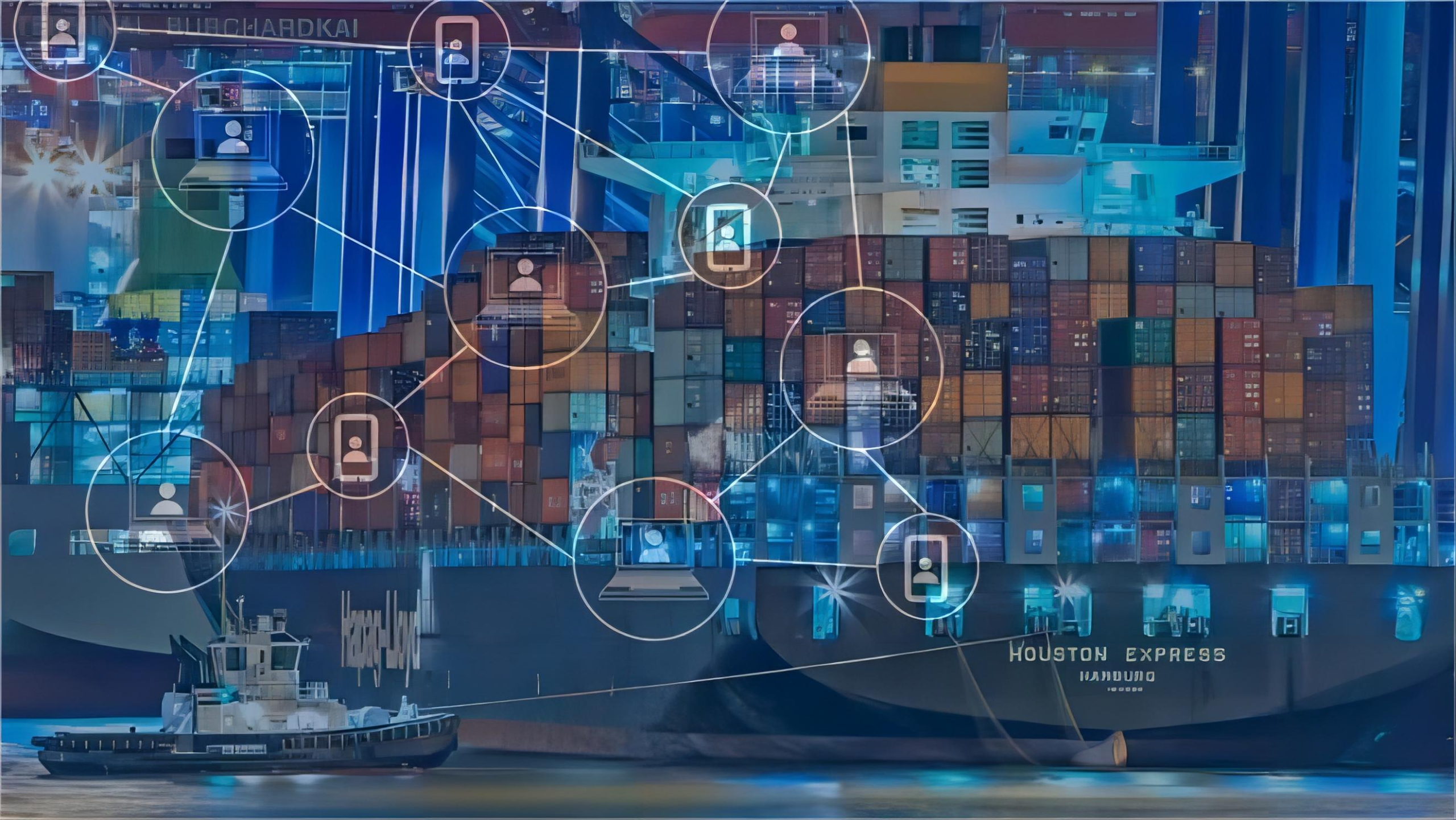
Understanding the Process to Import Container From China to New Zealand
Shipping goods across the Pacific involves several critical steps that demand careful coordination between suppliers and carriers. Initially, you must determine the specific volume of your cargo to choose the most efficient shipping method. Most importers prefer sea freight because it offers the best balance between cost and capacity for large-scale shipments. Furthermore, understanding the Incoterms used in your contract will clarify whether you or the supplier is responsible for insurance and local transport.
Consequently, selecting the right port of loading in China can significantly impact your total transit time. Major hubs like Shanghai, Ningbo, and Shenzhen offer frequent departures to New Zealand ports such as Auckland and Lyttelton. Moreover, you should always verify that your supplier provides accurate packing lists and commercial invoices to prevent delays during departure. Indeed, preparation is the foundation of a successful international trade operation.
Choosing Between FCL and LCL for Your Shipments
Deciding between Full Container Load (FCL) and Less than Container Load (LCL) is a pivotal choice for your budget. FCL provides you with the exclusive use of a 20ft or 40ft container, which is ideal for large volumes or fragile goods. On the other hand, LCL allows you to share space with other shippers, making it a cost-effective solution for smaller consignments. Additionally, FCL shipments generally face fewer handling risks since the container remains sealed from the origin to the destination.
However, LCL requires more time for consolidation and deconsolidation at the ports. This process might add a few days to your total delivery schedule compared to direct FCL routes. Therefore, you must weigh the urgency of your inventory needs against the potential savings of sharing a container. For many growing businesses, LCL serves as an excellent entry point into the New Zealand market.
Shipping Costs and Freight Rates for 2026
Market conditions in early 2026 suggest that freight rates have stabilized following previous global disruptions. Specifically, the cost to import container from China to New Zealand depends heavily on seasonal demand and fuel surcharges. During peak periods like the lead-up to the Christmas season, prices often increase by 15-20% due to limited vessel capacity. Nevertheless, booking your space at least three to four weeks in advance can help you secure more competitive rates.
Below is a breakdown of estimated costs for the current market period. These figures represent port-to-port charges and do not include local delivery or duties.
| Container Type | Estimated Freight Cost | Transit Time | Best For |
|---|---|---|---|
| 20GP Container | $1,150 – $1,650 | 14 – 18 Days | Heavy machinery or dense goods |
| 40HQ Container | $1,950 – $2,850 | 14 – 18 Days | Large volume, lightweight cargo |
| LCL (per CBM) | $60 – $95 | 22 – 28 Days | Small shipments under 15 CBM |
How Does Sea Freight Compare to Other Shipping Options?
While ocean transport is the standard for bulk goods, other methods might be more suitable depending on your specific requirements. For instance, air freight is significantly faster but comes at a much higher price point. This method is typically reserved for high-value electronics or urgent replenishment of out-of-stock items. In contrast, sea freight remains the backbone of the New Zealand import industry due to its massive scale and lower carbon footprint per ton.
Additionally, some importers utilize express courier services for samples or very small parcels. These services provide rapid delivery but are not viable for shipping full containers. Without a doubt, the choice of method should align with your profit margins and customer expectations. To help you decide, consider the following comparison of the primary shipping modes available for the China-NZ route.
| Shipping Method | Cost Range | Transit Time | Limitations |
|---|---|---|---|
| Sea Freight (FCL) | Low ($1,200+) | 14 – 20 Days | Requires large volume |
| Air Freight | High ($5 – $9/kg) | 3 – 7 Days | Weight and size limits |
| Express Service | Very High | 2 – 5 Days | Small parcels only |
| Sea-Air Hybrid | Moderate | 10 – 12 Days | Complex coordination |
Essential Customs Documentation and Compliance
Navigating the legal requirements is often the most daunting part of the journey when you import container from China to New Zealand. You must ensure that all products comply with the Ministry for Primary Industries (MPI) standards to avoid costly quarantine delays. Specifically, wooden packaging must be treated and certified according to ISPM 15 regulations. Furthermore, hiring a professional customs brokerage service can prevent errors in tariff classification that lead to overpayment of duties.
Consequently, you should prepare a complete set of documents, including the Bill of Lading, Commercial Invoice, and Packing List. New Zealand Customs also requires a Client Code for all imports valued over $1,000 NZD. In addition, certain goods may require specific import permits or certificates of origin to qualify for preferential trade agreements. Indeed, staying compliant is the best way to ensure your cargo moves swiftly through the border.
The Benefits of Door to Door Logistics Solutions
Managing multiple logistics providers can be overwhelming for many business owners. Choosing a door to door service simplifies the entire process by providing a single point of contact. This comprehensive solution covers everything from factory pickup in China to final delivery at your warehouse in New Zealand. Moreover, it eliminates the need for you to coordinate with local trucking companies and port authorities separately.
Therefore, you can save significant time and reduce the risk of communication gaps between different parties. While the upfront cost might appear higher, the efficiency gains often result in a lower total landed cost. Many successful importers in Australia and New Zealand rely on these integrated services to maintain a lean supply chain. Ultimately, this approach allows you to focus on sales while the experts handle the heavy lifting.
Case Studies: Realistic Shipping Scenarios
Reviewing real-world examples can provide valuable context for your own shipping strategy. These cases reflect typical shipments handled during the 2025 and 2026 periods, showing the variations in costs and timelines based on cargo type and destination.
Case Study 1: Electronics from Shenzhen to Auckland Route: Shenzhen, China to Auckland, NZ Cargo: Consumer Electronics, 28 CBM, 4,500 kg Container: 40HQ Shipping Details: Direct service via major carrier Cost Breakdown: Ocean Freight $2,400; Origin Charges $350; Destination Charges $450; Total Landed Cost (excluding tax) $3,200 Timeline: 16 days sea transit, 21 days total door-to-door Key Insight: Using a 40HQ for lightweight but bulky electronics maximized the value per cubic meter.
Case Study 2: Home Furniture from Ningbo to Christchurch Route: Ningbo, China to Lyttelton, NZ Cargo: Flat-pack Furniture, 12 CBM, 2,800 kg Container: LCL Shipment Shipping Details: Transshipment via Singapore Cost Breakdown: Ocean Freight $960; Customs & Documentation $400; Local Delivery $300; Total Landed Cost $1,660 Timeline: 24 days sea transit, 32 days total door-to-door Key Insight: LCL was the most economical choice for this mid-sized volume, despite the longer transit time due to transshipment.
Which Option Should You Choose? A Decision Framework
Selecting the optimal strategy depends on your specific business priorities and the nature of your goods. If your primary goal is to minimize costs, sea freight LCL or FCL is almost always the best route for containers. However, if you are launching a new product and need it in stock immediately, air freight might justify the higher expense. Additionally, consider the volume thresholds; once you exceed 15-20 CBM, switching from LCL to a 20GP container usually becomes more cost-effective.
Furthermore, you should evaluate the sensitivity of your cargo to environmental factors. Fragile or high-value items benefit from the reduced handling of FCL shipments. In contrast, durable goods can easily withstand the consolidation process involved in LCL. Without a doubt, consulting with a logistics expert will help you tailor a plan that meets your budget and timeline requirements.
Final Thoughts on Shipping to New Zealand
Successfully managing the logistics to import container from China to New Zealand requires a blend of careful planning, accurate documentation, and the right partnerships. By understanding the differences between FCL and LCL, and staying informed about 2026 market rates, you can make decisions that protect your bottom line. Moreover, leveraging specialized services like customs brokerage and door-to-door delivery will significantly reduce the administrative burden on your team.
As the global trade environment continues to evolve, staying adaptable is key to maintaining a competitive edge. Always remember to factor in seasonal price changes and allow for buffer time in your delivery schedules. With the right approach and a trusted freight forwarding partner, importing from China can be a smooth and highly profitable venture for your New Zealand business.
Need a tailored shipping solution?
Ready to streamline your supply chain? Contact Top China Cargo today to get a personalized quote and expert guidance on how to import container from China to New Zealand efficiently. Visit our website to start your inquiry.