

Door to Door Cargo China New Zealand: Complete 2026 Shipping Guide
Managing international trade requires a precise balance of speed, cost, and reliability to maintain a healthy supply chain. When you choose door to door cargo china new zealand services, you eliminate the stress of coordinating multiple logistics providers across different borders. This comprehensive shipping solution handles everything from the initial factory pickup in China to the final delivery at your doorstep in Auckland, Wellington, or Christchurch. By partnering with Top China Cargo, businesses can focus on growth while experts manage the complexities of modern freight. In the following guide, we will explore the nuances of New Zealand imports, current market rates for 2026, and strategies to optimize your shipping budget.
How Does Door to Door Cargo from China to New Zealand Work?
The process begins with the collection of your goods from the supplier’s warehouse in major Chinese industrial hubs like Guangdong or Zhejiang. Subsequently, the logistics provider manages the inland transportation to the nearest port or airport for export processing. This stage involves rigorous cargo handling and the preparation of all necessary export documentation required by Chinese authorities.
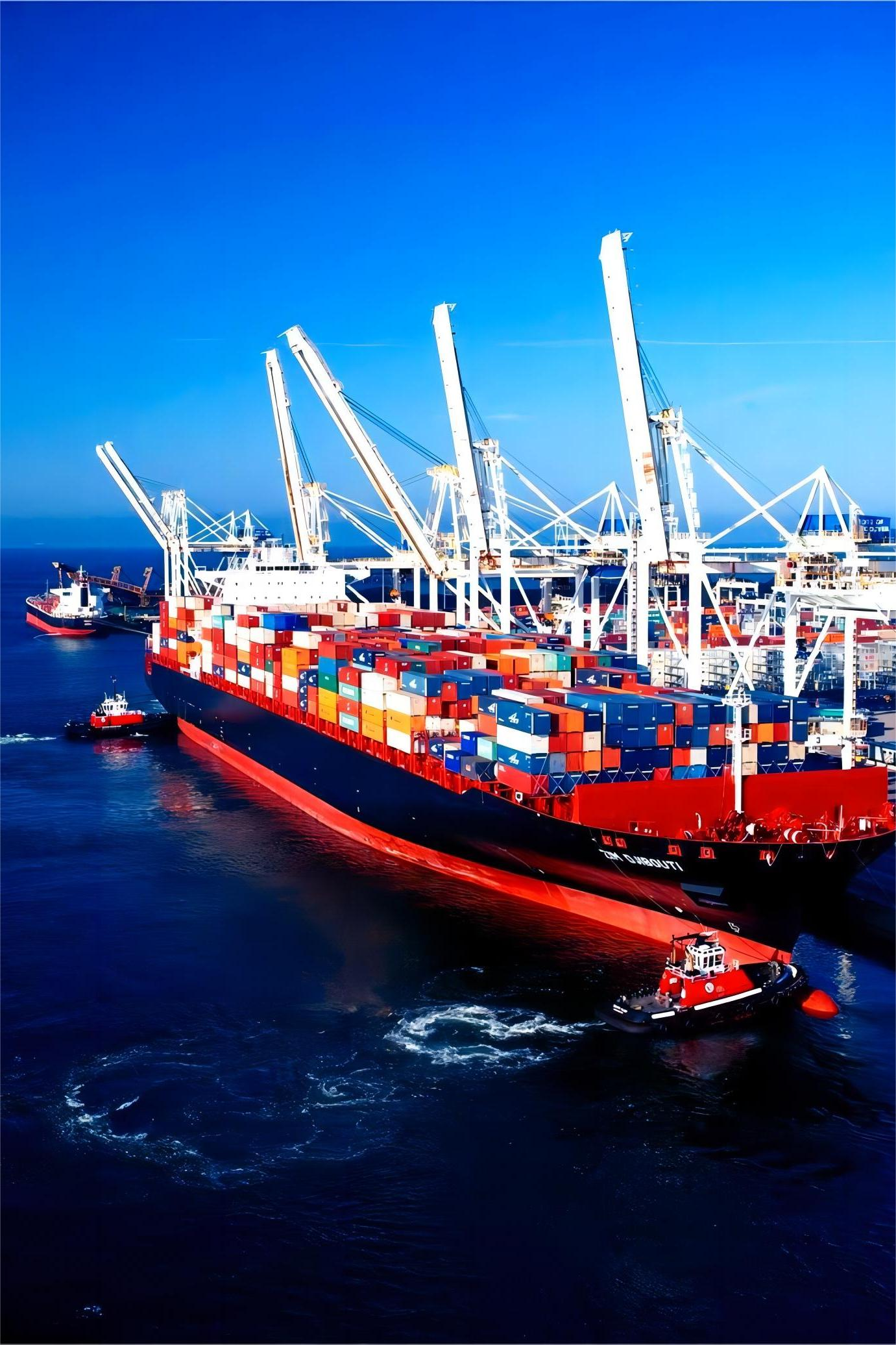
Once the cargo arrives at the departure point, it undergoes customs clearance before being loaded onto a vessel or aircraft. For those prioritizing budget, sea freight offers a cost-effective way to move large volumes across the Pacific. Meanwhile, smaller or more urgent shipments are typically processed through specialized air terminals for faster transit.

After the journey across the ocean, the shipment arrives at a New Zealand port of entry such as Tauranga or Auckland. Local agents then take over to manage the final leg of the journey, ensuring the goods pass through Ministry for Primary Industries inspections. Finally, the cargo is loaded onto a truck for direct delivery to your specified business or residential address.
Why Choose Door to Door Cargo China New Zealand for Your Business?
Efficiency remains the primary reason why modern importers prefer an integrated door to door solution over traditional port-to-port shipping. By utilizing a single point of contact, you significantly reduce the risk of communication breakdowns that often occur between different freight forwarders. Furthermore, this model provides a transparent pricing structure that covers all fees from origin to destination, preventing unexpected costs at the tail end of the shipment.
Security is another major advantage because the cargo remains under the supervision of a unified logistics network throughout its journey. Consequently, the likelihood of loss or damage during transfers between different carriers is minimized. Additionally, professional providers offer advanced tracking systems that allow you to monitor your shipment’s progress in real-time as it moves toward New Zealand.
Indeed, the convenience of having customs duties and local taxes handled by your provider cannot be overstated for new importers. Instead of navigating the complex New Zealand Customs Service regulations yourself, you can rely on experienced brokers to ensure full compliance. This proactive approach helps avoid costly delays and ensures that your inventory reaches the market according to your planned schedule.
Calculating the Cost of Door to Door Cargo China New Zealand in 2026
Current market data for early 2026 suggests that shipping rates have stabilized compared to the volatility seen in previous years. However, several factors still influence the total landed cost, including fuel surcharges, seasonal demand, and the specific nature of your cargo. For instance, shipping during the peak season before the Christmas holidays typically incurs a 15 to 20 percent premium on standard rates.
To provide a clearer picture of the financial requirements, we have compiled a comparison of the primary shipping methods used for this route. While air freight is significantly more expensive, it offers unparalleled speed for high-value electronics or perishable goods. On the other hand, sea freight remains the backbone of trade for bulkier items like furniture, machinery, and automotive parts.
Note: Freight rates are subject to change based on fuel costs, carrier capacity, and seasonal demand. Contact us for a current quote tailored to your specific shipment.
| Method | Cost Range (USD) | Transit Time | Best For |
|---|---|---|---|
| Air Freight | $5.50 – $9.00 per kg | 5 – 8 Days | Urgent/High Value |
| Sea Freight LCL | $120 – $180 per CBM | 22 – 30 Days | Small/Medium Cargo |
| Sea Freight FCL | $1,400 – $2,200 (20GP) | 18 – 25 Days | Full Containers |
| Express Service | $8.00 – $12.00 per kg | 3 – 5 Days | Documents/Samples |
How Does Door to Door Shipping Compare to Other Shipping Options?
Understanding the differences between shipping terms is crucial for optimizing your logistics strategy and managing your bottom line. While door to door service offers the highest level of convenience, some businesses might consider Port-to-Port or Door-to-Port options to save on local delivery costs. Nevertheless, these alternatives often require the importer to have a robust local logistics network to handle the final mile.
For shipments under 15 CBM, Less than Container Load (LCL) at $120-180 per CBM is usually more economical than booking a full container. However, once your volume exceeds 15 CBM, a 20-foot container (FCL) often becomes the more cost-effective choice due to lower per-unit handling fees. In contrast, direct shipping routes to Auckland might cost 10 percent more but save up to 7 days compared to transshipment via Singapore.
Hybrid solutions, such as sea-air combinations, are occasionally used when sea freight is too slow but pure air freight is too expensive. These routes typically involve shipping by sea to a hub like Brisbane and then flying the cargo to New Zealand. While complex to arrange, they can offer a middle ground for specific supply chain needs during port congestion periods.
| Strategy | Cost Level | Complexity | Control |
|---|---|---|---|
| Door to Door | Premium | Very Low | High |
| Port to Port | Standard | High | Medium |
| FOB (Free on Board) | Variable | Medium | High |
| EXW (Ex Works) | Highest | Very High | Full |
Managing Customs and Documentation for New Zealand Imports
Navigating the regulatory landscape is perhaps the most challenging aspect of importing goods into New Zealand from China. Every shipment must be accompanied by a commercial invoice, a packing list, and a Bill of Lading or Air Waybill. Furthermore, New Zealand has strict biosecurity laws managed by the Ministry for Primary Industries, which may require specific declarations for wooden packaging or organic materials.
Utilizing a professional customs brokerage service ensures that your paperwork is filed correctly and on time. This expertise is vital for calculating the correct Goods and Services Tax (GST) and any applicable tariffs under the China-New Zealand Free Trade Agreement. Consequently, accurate documentation prevents your cargo from being held in bonded warehouses, which can accrue significant storage fees.
Moreover, you should verify if your products require specific permits or certifications before they leave the factory in China. Items like electrical appliances, children’s toys, and certain chemicals must meet New Zealand safety standards to be granted entry. Proactively addressing these requirements during the planning phase will streamline the entire door to door cargo china new zealand process.
Which Option Should You Choose?
Choosing the right shipping method depends heavily on your specific business priorities and the nature of your inventory. If your primary goal is budget optimization and you are moving large volumes of non-perishable goods, sea freight is the logical choice. Specifically, FCL shipping provides the best security and lowest per-item cost for businesses moving significant inventory.
If speed is your priority due to urgent market demand or stockouts, air freight is the only viable solution despite the higher price point. For small parcels or samples, utilizing an express service provides the fastest transit times and simplest tracking. We recommend a door to door service for most small to medium enterprises to minimize administrative overhead and logistics risks.
Real Case Studies: Shipping Success from China to New Zealand
Examining real-world examples helps illustrate how different shipping methods perform in the current 2026 market environment. These cases highlight the importance of choosing the right container type and route based on the specific needs of the cargo.
Case Study 1: Electronics Distribution in Auckland Route: Shenzhen, China to Auckland, New Zealand Cargo: Consumer Electronics, 12 CBM, 2,800 kg Container: LCL (Less than Container Load) Shipping Details: – Carrier: Major Ocean Carrier – Port of Loading: Shenzhen – Port of Discharge: Auckland – Route Type: Direct Cost Breakdown: – Ocean Freight: $1,920 – Origin Charges: $350 – Destination Charges: $420 – Customs and Duties: $1,100 – Total Landed Cost: $3,790 Timeline: – Booking to Loading: 3 days – Sea Transit: 18 days – Customs Clearance: 2 days – Total Door-to-Door: 23 days Key Insight: Direct routing from Shenzhen avoided transshipment delays in Singapore, ensuring the product launch stayed on schedule.
Case Study 2: Furniture Retailer in Christchurch Route: Ningbo, China to Lyttelton, New Zealand Cargo: Home Furniture, 65 CBM Container: 40HQ (High Cube) Shipping Details: – Carrier: COSCO – Port of Loading: Ningbo – Port of Discharge: Lyttelton – Route Type: Transshipment via Sydney Cost Breakdown: – Ocean Freight: $3,200 – Origin Charges: $450 – Destination Charges: $550 – Customs and Duties: $2,400 – Total Landed Cost: $6,600 Timeline: – Booking to Loading: 5 days – Sea Transit: 26 days – Customs Clearance: 3 days – Total Door-to-Door: 34 days Key Insight: Using a 40HQ container maximized the volume-to-cost ratio for bulky furniture items, despite the longer transshipment time.
Top Strategies for Reducing Your Logistics Expenses
Consolidating your shipments is one of the most effective ways to lower the overall cost of door to door cargo china new zealand. Instead of sending multiple small packages, wait until you have enough volume to fill an LCL shipment or a full container. Additionally, optimizing your packaging to reduce wasted space can lead to significant savings, especially in air freight where volume-weight is a major pricing factor.
Another effective strategy involves booking your shipments at least two to three weeks in advance to secure better rates and guaranteed space on vessels. Furthermore, maintaining a flexible delivery schedule allows you to take advantage of off-peak discounts offered by carriers during slower periods. Finally, always ensure your supplier provides accurate weights and dimensions to avoid costly re-measurement fees at the port.
Working with a specialized door to door provider allows you to leverage their negotiated rates with major shipping lines. These professionals have the volume to command better pricing than individual importers can achieve on their own. By outsourcing the entire logistics chain, you also save on the hidden costs of administrative time and potential errors in customs filings.
Mastering Your New Zealand Import Strategy
Successfully managing door to door cargo china new zealand requires a combination of strategic planning, regulatory knowledge, and the right logistics partner. Throughout this guide, we have explored how integrated services provide the transparency and efficiency needed to thrive in the competitive New Zealand market. Whether you choose the speed of air freight or the economy of sea freight, understanding the total landed cost is essential for maintaining profitability.
As market conditions in 2026 continue to evolve, staying informed about transit times and customs requirements will remain a key advantage for importers. By implementing the cost-saving strategies and decision frameworks discussed, you can optimize your shipping operations for maximum reliability. Trusting a professional provider to handle your door to door cargo china new zealand needs ensures that your goods arrive safely, allowing you to focus on your core business goals.

Start Your Shipment
Ready to simplify your supply chain with reliable door to door cargo china new zealand services? Contact Top China Cargo today to receive a customized quote and expert guidance for your next shipment. Visit our website to learn more about our integrated logistics solutions and start shipping with confidence. Send Inquiry: https://topchinacargo.com/contact-us/
Request Quote