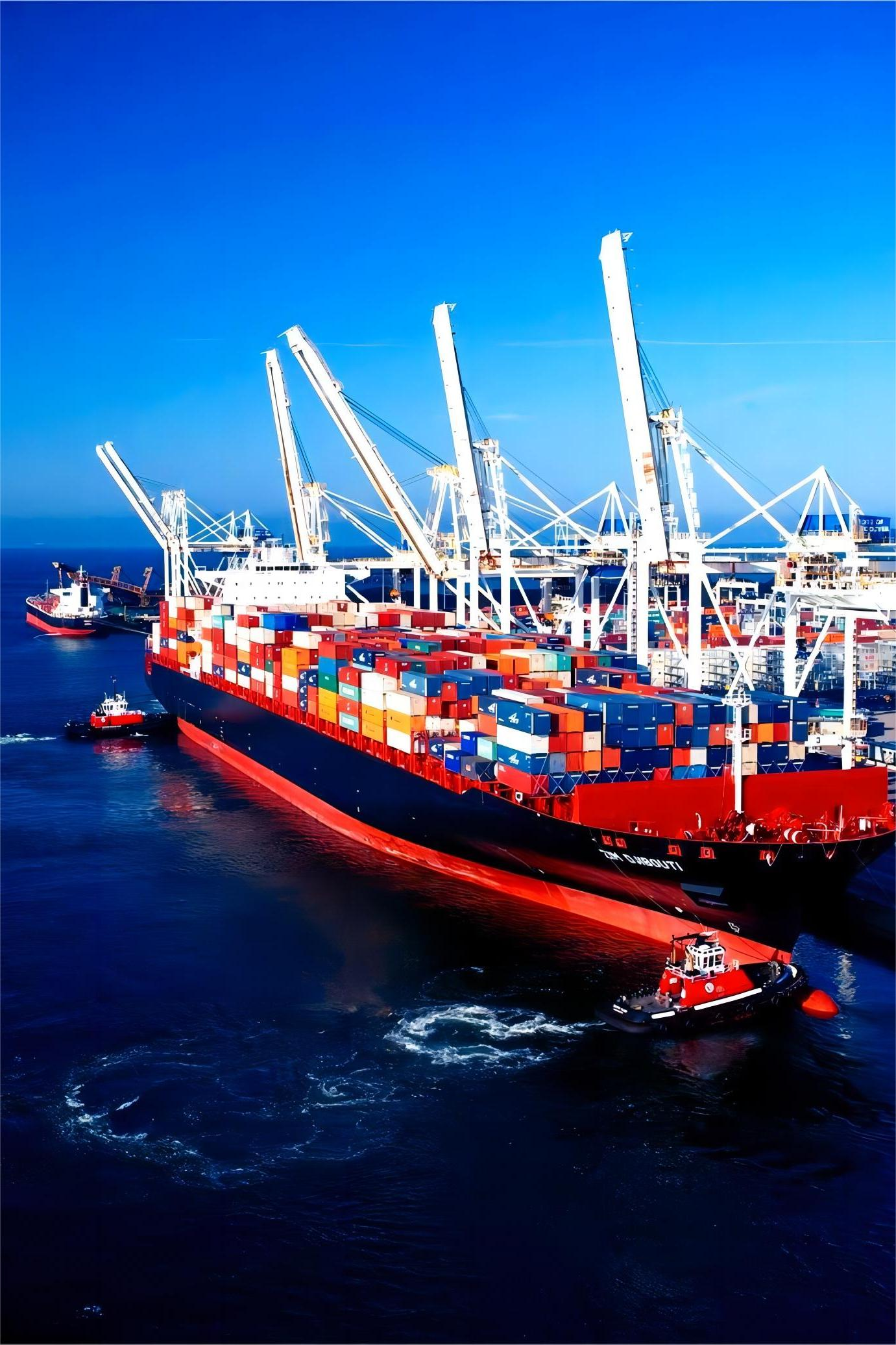


China Australia Logistics Partner: 2026 Shipping Guide
Finding a reliable china australia logistics partner is the most critical step for businesses looking to scale their international operations in 2026. Many importers struggle with rising shipping costs and complex customs regulations that can disrupt the entire supply chain. This comprehensive guide explores how a professional partner streamlines your shipping process, reduces landed costs, and ensures timely delivery to Australian ports.
✦
Why You Need a Reliable China Australia Logistics Partner
Selecting a professional logistics provider ensures that your goods move efficiently across the Pacific without unnecessary delays. Reliability in the shipping industry is paramount because even a minor error in documentation can lead to significant port storage fees. Furthermore, a dedicated partner offers local expertise in both Chinese manufacturing hubs and Australian distribution networks.
Consequently, businesses that work with experienced partners often see a 15 percent reduction in total shipping expenses due to optimized routing. Effective communication between the origin and destination prevents common misunderstandings regarding cargo readiness and vessel schedules. Moreover, your partner acts as a buffer against market volatility by securing space during peak seasons.
Reliability also means having access to real-time tracking and digital tools that provide transparency throughout the journey. Therefore, investing in a high-quality partnership is not just a cost but a strategic advantage for your business growth. Professional partners prioritize your cargo safety and regulatory compliance above all else.
What Services Does a Logistics Partner Provide?
Comprehensive logistics services encompass everything from initial pickup at the factory to final delivery at your warehouse. Most partners specialize in sea freight for bulk shipments because it remains the most cost-effective method for large volumes. Additionally, they manage the consolidation of goods from multiple suppliers into a single container to save on freight costs.
For urgent shipments, a logistics partner will recommend air freight to minimize transit time. This service is particularly useful for high-value electronics or seasonal fashion items that require rapid market entry. Meanwhile, they handle the intricate details of cargo insurance and risk management to protect your investment.
Modern logistics also includes specialized handling for different types of commodities, including hazardous materials or oversized machinery. Specifically, your partner should offer warehousing solutions in both China and Australia to facilitate smoother distribution. Indeed, having a one-stop-shop service model simplifies the entire import-export process for your team.
How to Navigate Customs Clearance and Documentation?
Professional customs brokerage services are essential for navigating the strict regulations of the Australian Border Force. Indeed, incorrect tariff classifications can result in heavy fines or the seizure of your imported goods. For example, your partner will ensure that all commercial invoices and packing lists meet the specific requirements of both nations.
Specifically, they manage the Free Trade Agreement (ChAFTA) documentation to help you qualify for reduced or zero duty rates. As a result, you can significantly lower your landed costs by leveraging these trade benefits correctly. Without a doubt, an expert broker understands the nuances of biosecurity inspections and quarantine protocols in Australia.
Documentation accuracy is the backbone of a successful shipping operation from China to the Australian market. Moreover, your partner will proactively alert you to any changes in import laws that might affect your specific product category. Consequently, you can focus on selling your products while the experts handle the regulatory hurdles.
Comparing Shipping Methods for the China-Australia Route
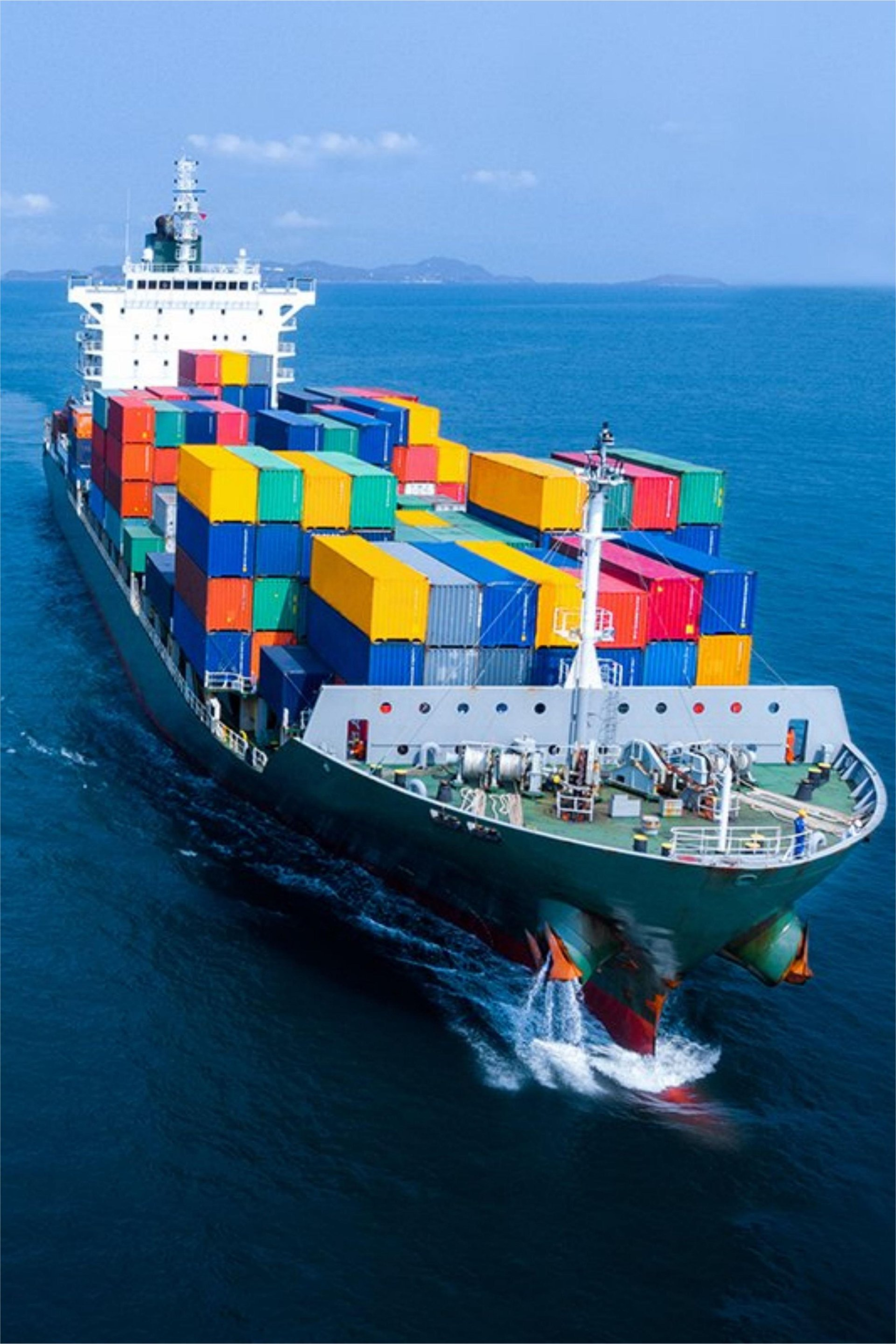
Understanding the differences between shipping methods helps you make informed decisions based on your budget and timeline. Similarly, the choice between Full Container Load (FCL) and Less than Container Load (LCL) depends on your specific cargo volume. In addition, the geographical location of your supplier in China influences the choice of the departure port.
Nevertheless, sea freight remains the dominant choice for most businesses importing from China to major Australian cities. Transitioning between methods requires a clear understanding of the trade-offs involved in speed versus cost. Indeed, early 2026 market data suggests that sea freight rates have stabilized, making it an attractive option for long-term planning.
Choosing the right method often involves a hybrid approach where different shipments use different modes of transport. Therefore, a flexible logistics partner will provide multiple quotes and transit time options for every booking. This flexibility allows you to adapt to changing market demands without disrupting your entire supply chain.
| Method | Cost (USD) | Transit Time | Best Use Cases |
|---|---|---|---|
| Sea Freight FCL | $1,200 – $2,200 | 14-22 Days | Bulk goods and large volumes |
| Sea Freight LCL | $60 – $110/CBM | 18-25 Days | Small shipments under 15CBM |
| Air Freight | $4.50 – $7.50/kg | 3-7 Days | High-value or urgent cargo |
| Express Service | $8.00 – $12.00/kg | 2-5 Days | Samples and small parcels |
How Does Sea Freight Compare to Other Shipping Options?
Comparing sea freight to air or express services reveals significant differences in both cost structures and operational timelines. While sea freight is slower, it offers the lowest cost per unit for almost every type of consumer good. On the other hand, air freight provides a speed advantage that can be crucial during peak shopping seasons like Black Friday.
Indeed, for a standard 20GP container, the cost of sea freight might be $1,500, whereas the equivalent volume by air would exceed $20,000. Consequently, sea freight is the logical choice for items with lower profit margins or those that are not time-sensitive. However, businesses must account for the longer lead times by placing orders earlier in the production cycle.
Evaluating the environmental impact is also becoming a priority for many Australian businesses in 2026. Sea freight generally has a lower carbon footprint per ton-mile compared to air transport, which aligns with modern sustainability goals. Therefore, sea freight serves as both an economical and environmentally responsible choice for large-scale imports.
| Shipping Method | Cost Range | Transit Time | Limitations |
|---|---|---|---|
| Direct Sea | Standard Rates | 12-16 Days | Limited to major port pairs |
| Transshipment | 10% Lower | 20-28 Days | Higher risk of port delays |
| Air Freight | Premium Rates | 3-5 Days | Weight and size restrictions |
| Sea-Air Hybrid | Medium Rates | 10-14 Days | Complex documentation |
Which Option Should You Choose? Decision Framework
Choosing the right shipping option requires a clear framework based on your specific business priorities and cargo characteristics. If your primary goal is budget optimization, sea freight FCL is almost always the recommended solution for volumes over 15 CBM. Conversely, if speed is your absolute priority to meet a strict deadline, air freight is the only viable choice.
Cargo type considerations also play a major role in this decision-making process. For instance, perishable goods or high-tech components often require the speed and climate control offered by air transport. Meanwhile, durable goods like furniture or machinery are better suited for the stable environment of a shipping container.
Volume thresholds are the final piece of the puzzle when deciding between LCL and FCL shipments. Typically, once your cargo exceeds 13-15 CBM, paying for a full 20GP container becomes more economical than paying per cubic meter for LCL. Indeed, understanding these thresholds helps you maximize your shipping budget and reduce waste in your logistics spend.
Real-World Case Studies for China-Australia Logistics
Reviewing actual shipment data provides a realistic expectation of costs and timelines in the current 2026 market environment. Notably, these cases reflect standard operations and the challenges that can arise during the transit process. Furthermore, they demonstrate how a professional partner manages variables to ensure a successful delivery outcome.
Case Study 1: Solar Panel Import. Route: Ningbo to Sydney. Cargo: 68 CBM (Solar Panels). Container: 2 40HQ. Shipping Method: Sea Freight. Ocean Freight: $3,400. Origin/Destination Charges: $950. Customs: ChAFTA applied. Timeline: 18 days sea transit. Key Insight: Early booking secured space during the Q1 2026 peak.
Case Study 2: Fashion Samples. Route: Guangzhou to Melbourne. Cargo: 120 kg (Clothing). Shipping Method: Air Freight. Total Landed Cost: $1,150. Timeline: 4 days door-to-door. Key Insight: Using an express service avoided warehouse delays in Melbourne. These examples show the diversity of solutions required for different business needs.
Case Study 3: E-commerce Restock. Route: Shenzhen to Brisbane. Cargo: 8 CBM (Small Electronics). Shipping Method: Amazon FBA LCL. Total Cost: $920. Timeline: 22 days. Key Insight: Consolidated shipping reduced costs by 25 percent compared to individual courier shipments.
Maximizing Efficiency with Door to Door Solutions
Modern businesses increasingly prefer door to door services to minimize the number of touchpoints in their supply chain. Specifically, this service covers everything from the supplier’s factory in China to your specific delivery address in Australia. Indeed, this approach reduces the administrative burden on your staff and provides a single point of accountability.
Furthermore, door-to-door logistics often includes final-mile delivery via local Australian couriers or trucking companies. Consequently, you do not need to coordinate with multiple vendors to get your goods from the port to your warehouse. Professional partners use integrated software to provide seamless updates across all stages of the journey.
As a result, the risk of cargo damage or loss is significantly reduced because the same logistics network manages the entire process. Therefore, while the upfront cost might seem higher, the overall efficiency gains often lead to better long-term value. Without a doubt, this is the most hands-off and reliable way to manage your international trade.
Market Trends: Shipping from China to Australia in 2026
Navigating the logistics landscape in 2026 requires an understanding of the latest industry trends and technological advancements. Specifically, the integration of AI in route optimization has shortened average transit times by nearly two days for major routes. Additionally, the shift toward green fuels in maritime shipping is beginning to influence freight rate structures.
Moreover, digital customs platforms have streamlined the entry process for shipping from China to Australia, reducing manual paperwork. Indeed, the Australian market continues to show strong demand for Chinese manufactured goods, ensuring frequent vessel departures. Consequently, shippers have more choices than ever when it comes to carriers and service levels.
Future-proofing your supply chain involves staying informed about these changes and adapting your strategy accordingly. To summarize, the 2026 market is characterized by higher transparency, better digital integration, and a focus on sustainability. Partnering with a forward-thinking logistics provider ensures that your business remains competitive in this evolving environment.
Final Thoughts on Choosing Your Logistics Partner
Summarizing the key points, a professional china australia logistics partner is essential for navigating the complexities of international trade in 2026. From choosing the right shipping method to ensuring customs compliance, their expertise adds measurable value to your business. Indeed, the right partnership allows you to scale your operations with confidence and predictability.
This guide has outlined the various shipping modes, costs, and strategic considerations necessary for success. Professional logistics management remains the backbone of any profitable import business operating between China and Australia. Note: Freight rates are subject to change based on fuel costs, carrier capacity, and seasonal demand. Contact us for a current quote tailored to your specific shipment.