

Low Cost Shipping China to Australia: 2026 Freight Guide
Finding low cost shipping China to Australia is a top priority for businesses looking to maintain healthy profit margins in early 2026. At Top China Cargo, we understand that navigating international logistics requires a precise balance between speed and total expenditure. This guide provides comprehensive insights into reducing your expenses while ensuring your goods arrive safely and on schedule at Australian ports.
Why Low Cost Shipping China to Australia Matters in 2026
Economic conditions in 2026 have made supply chain optimization more critical than ever before for Australian importers. Consequently, businesses are constantly searching for ways to minimize their landed costs without compromising on the reliability of their delivery schedules. Understanding the current market dynamics allows you to leverage better rates from carriers who are expanding their capacity on trans-Pacific routes.
Market data suggests that freight rates have stabilized significantly compared to the volatility experienced in previous years. Furthermore, new trade agreements and port efficiencies in both Shanghai and Sydney have contributed to a more predictable pricing environment. Therefore, selecting the right partner for low cost shipping China to Australia is the first step toward achieving long-term commercial success.
Importers must remain vigilant regarding seasonal fluctuations that can suddenly impact the cost of moving goods across the ocean. Specifically, the period leading up to the end-of-year holidays often sees a spike in demand that can drive up spot rates. By planning ahead, you can secure lower contract rates that protect your bottom line from these predictable market shifts.
How Does Sea Freight Compare to Other Shipping Options?
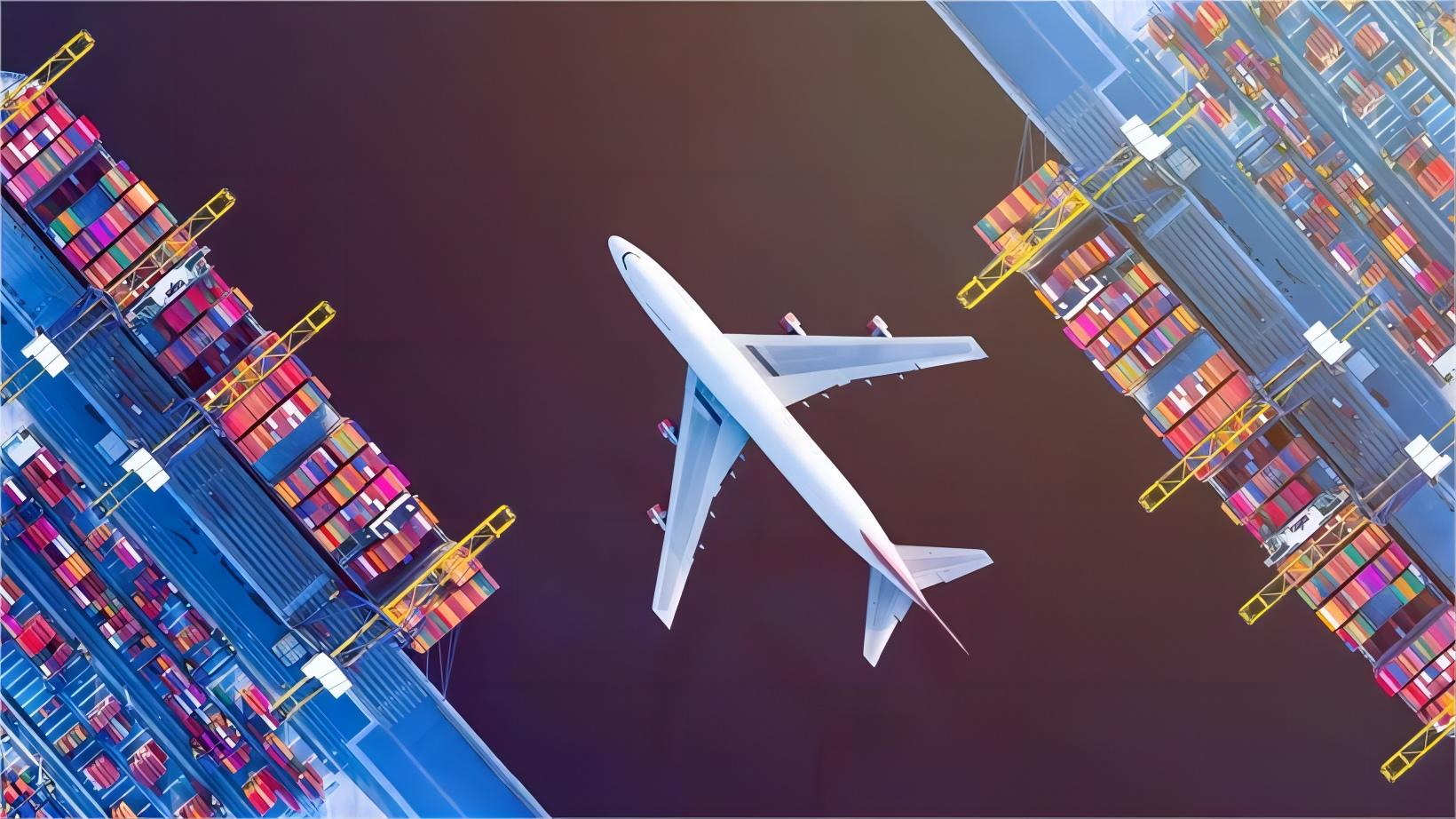
Choosing the most appropriate transport mode is essential for maintaining low cost shipping China to Australia for your specific cargo type. While sea freight remains the most economical choice for high-volume shipments, other methods offer speed advantages that might justify their higher price points in certain scenarios. However, for the vast majority of consumer goods and industrial materials, ocean transport provides the best value for money.
Air freight represents the fastest alternative but comes with a significantly higher price tag per kilogram of weight. Meanwhile, express courier services are ideal for small parcels but become prohibitively expensive for shipments exceeding one hundred kilograms. It is also important to note that rail freight is not a viable option for this route due to the geographical separation by the Pacific Ocean.
| Shipping Method | Cost Range | Transit Time | Best For |
|---|---|---|---|
| Sea Freight (FCL) | $800 – $2,000 | 12-22 Days | Bulk goods and large volumes |
| Sea Freight (LCL) | $50 – $120/CBM | 18-25 Days | Small business shipments |
| Air Freight | $3.50 – $6.50/kg | 3-7 Days | High-value or urgent items |
| Express Service | $8.00 – $15.00/kg | 2-5 Days | Samples and small documents |
Understanding the Benefits of Sea Freight for Australia
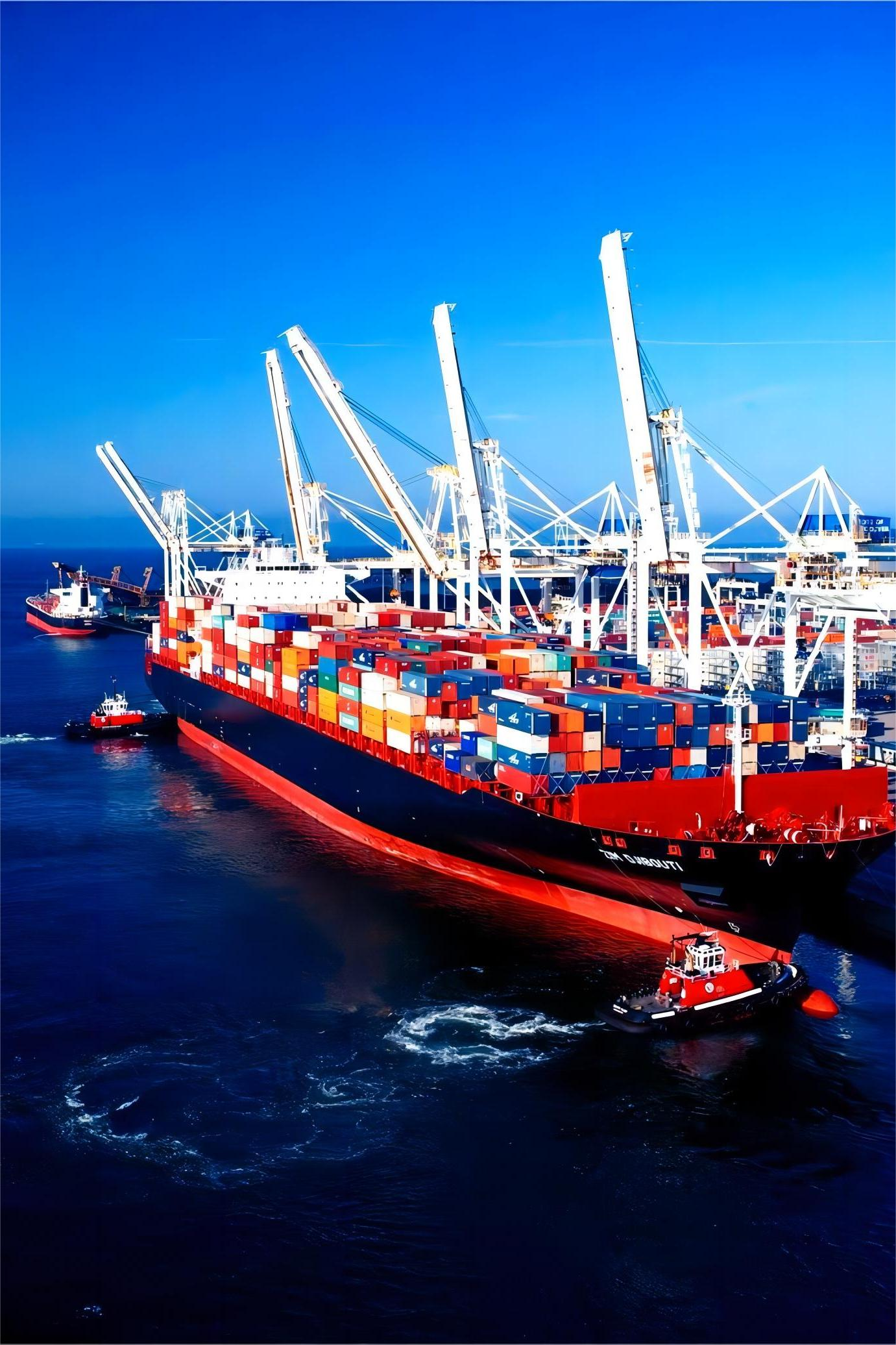
Utilizing sea freight is the primary strategy for any business aiming for low cost shipping China to Australia. This method allows for the transport of massive quantities of goods at a fraction of the cost of air transport. Additionally, modern container ships are more fuel-efficient than ever, which helps keep the environmental surcharge and overall freight rates relatively low.
Full Container Load (FCL) shipping offers the best security and speed for those who can fill an entire twenty-foot or forty-foot container. Conversely, Less than Container Load (LCL) is perfect for smaller enterprises that only need to move a few pallets at a time. Both options are highly developed on the China-Australia route, with frequent sailings from major ports like Ningbo, Shenzhen, and Guangzhou.
Key Factors Influencing Your Shipping Costs
Several variables determine the final price you pay when arranging low cost shipping China to Australia for your products. Primarily, the distance between the port of loading and the port of discharge plays a significant role in the base freight rate. For example, shipping from Shenzhen to Brisbane is generally cheaper than shipping from Qingdao to Fremantle due to the shorter nautical distance.
Fuel surcharges, often referred to as the Bunker Adjustment Factor, fluctuate based on global oil prices and can change monthly. Furthermore, port congestion charges may be applied if there are delays at major Australian hubs like Melbourne or Sydney. Accordingly, staying informed about port conditions is vital for accurate budgeting and cost management.
Currency exchange rates also impact the total cost, as most international freight transactions are conducted in US dollars. Consequently, a weakening Australian dollar can effectively increase your shipping costs even if the base freight rate remains unchanged. Indeed, many sophisticated importers use financial hedging or forward contracts to mitigate this specific risk.
Managing Customs and Documentation for Low Cost Shipping
Efficiently handling your customs brokerage requirements is a hidden way to maintain low cost shipping China to Australia. Errors in documentation can lead to expensive storage fees, known as demurrage and detention, at the destination port. Therefore, ensuring that your commercial invoice, packing list, and bill of lading are perfectly accurate is essential for a smooth transit.
Australia has strict biosecurity laws that require specific declarations for timber, organic materials, and certain manufactured goods. If your cargo requires inspection or treatment, these costs will quickly add up and inflate your total logistics spend. Nevertheless, working with an experienced broker ensures that all permits are in place before the ship even leaves China.
Properly classifying your goods under the Harmonized System (HS) codes is another critical factor in cost control. Using the wrong code might result in you paying higher tariffs than necessary or facing fines from Australian Border Force. To summarize, professional guidance in this area often pays for itself by avoiding unnecessary taxes and penalties.
Strategic Alternatives: When to Use Air Freight
While sea freight is the leader for economy, air freight serves as a strategic alternative for specific business needs. If you are launching a new product or need to replenish stock quickly to avoid a lost sale, the speed of air transport justifies the expense. Moreover, for high-value electronics or luxury items, the reduced risk of damage and lower insurance premiums can offset some of the higher transport costs.
Hybrid solutions, such as sea-air combinations, are sometimes used to balance cost and speed, though they are less common for the direct China-Australia route. Most businesses find that a mix of sea freight for bulk inventory and air freight for urgent restocks provides the most flexible supply chain. Consequently, having access to both modes of transport allows you to adapt to changing market demands in real-time.
Real Case Studies: Low Cost Shipping Success Stories
Case Study 1: Small Electronics Importer. Route: Shenzhen to Sydney. Cargo: 500 units of smart home devices, 4 CBM, 950kg. Method: Sea Freight LCL. Cost Breakdown: Ocean Freight $320, Origin Charges $180, Destination Charges $410, Customs $120. Total Landed Cost: $1,030. Timeline: 19 days total. Key Insight: Consolidating multiple small orders into one LCL shipment saved the client 40 percent compared to using express air courier services.
Case Study 2: Furniture Retailer. Route: Ningbo to Melbourne. Cargo: 40HQ Container of outdoor furniture. Method: Sea Freight FCL. Cost Breakdown: Ocean Freight $1,750, Origin Charges $350, Destination Charges $550, Customs $280. Total Landed Cost: $2,930. Timeline: 21 days total. Key Insight: Booking three weeks in advance during the off-peak season allowed the retailer to secure a rate $400 lower than the Q4 peak average.
Case Study 3: Industrial Parts Distributor. Route: Shanghai to Perth. Cargo: 2 Pallets of specialized valves, 2.5 CBM, 1100kg. Method: Sea Freight LCL. Cost Breakdown: Ocean Freight $280, Origin Charges $150, Destination Charges $380, Customs $140. Total Landed Cost: $950. Timeline: 24 days total. Key Insight: Using a direct service to Fremantle avoided transshipment delays in Singapore, reducing both time and potential handling damage.
Strategies for Reducing Your Logistics Expenses
Optimizing your packaging is one of the most effective ways to achieve low cost shipping China to Australia. Since freight rates for LCL are often calculated based on volume, reducing the size of your boxes can lead to immediate savings. Additionally, using lightweight but durable packing materials can help lower the chargeable weight for air freight shipments.
Consolidating shipments from multiple suppliers into a single container is another powerful tactic for cost reduction. Instead of paying for several small LCL shipments, you can have your freight forwarder combine them into one FCL shipment at a central warehouse. Consequently, you benefit from the lower per-unit cost of a full container while simplifying your customs clearance process.
Negotiating with multiple carriers and freight forwarders ensures that you are always receiving a competitive market rate. However, price should not be the only factor; reliability and transit time are equally important for maintaining a healthy business. Without a doubt, building a long-term relationship with a trusted logistics partner often leads to better service and more flexible pricing during peak periods.
Which Option Should You Choose?
Deciding on the best shipping method requires a clear understanding of your business priorities and cargo characteristics. If your primary goal is the absolute lowest cost and your timeline is flexible, sea freight is the undisputed winner. For shipments over 15 cubic meters, a 20-foot FCL container usually offers the best value, whereas smaller volumes are better suited for LCL.
Speed priority dictates the use of air freight or express services, especially for perishable goods or high-demand fashion items. If your cargo is extremely heavy but low in value, such as construction materials, ocean freight is essentially the only viable option. To summarize, you should analyze your profit margins and customer expectations before committing to a specific logistics strategy.
Door to Door Services: Convenience vs Cost
Many importers prefer door to door shipping because it simplifies the entire logistics chain into a single transaction. While the headline price for this service might appear higher, it often saves money by eliminating the need for multiple third-party agents. Furthermore, it reduces the administrative burden on your staff, allowing them to focus on sales and marketing rather than tracking containers.
Standard door to door services include pickup from the factory in China, export clearance, ocean freight, Australian customs entry, and final delivery to your warehouse. Provided that you choose a transparent provider, there should be no hidden fees at the end of the journey. In essence, this comprehensive approach provides peace of mind and predictable budgeting for your low cost shipping China to Australia needs.
Achieving Sustainable Low Cost Shipping China to Australia
Securing low cost shipping China to Australia in 2026 is entirely possible with the right mix of planning, carrier selection, and documentation accuracy. By prioritizing sea freight for bulk shipments and optimizing your packaging, you can significantly reduce your overheads. Meanwhile, staying informed about market trends and seasonal shifts will help you avoid unnecessary price spikes.
Ultimately, the most successful importers are those who view logistics as a strategic part of their business rather than just a cost center. We encourage you to apply the strategies discussed in this guide to enhance your competitive advantage in the Australian market. Remember that consistency and reliability are just as important as the initial freight rate when building a sustainable international trade operation.
Ready to streamline your logistics?
Streamline your supply chain and secure low cost shipping China to Australia by partnering with our expert logistics team today. Contact us now to receive a customized quote that fits your budget and delivery requirements. Send Inquiry: https://topchinacargo.com/
Request Quote