

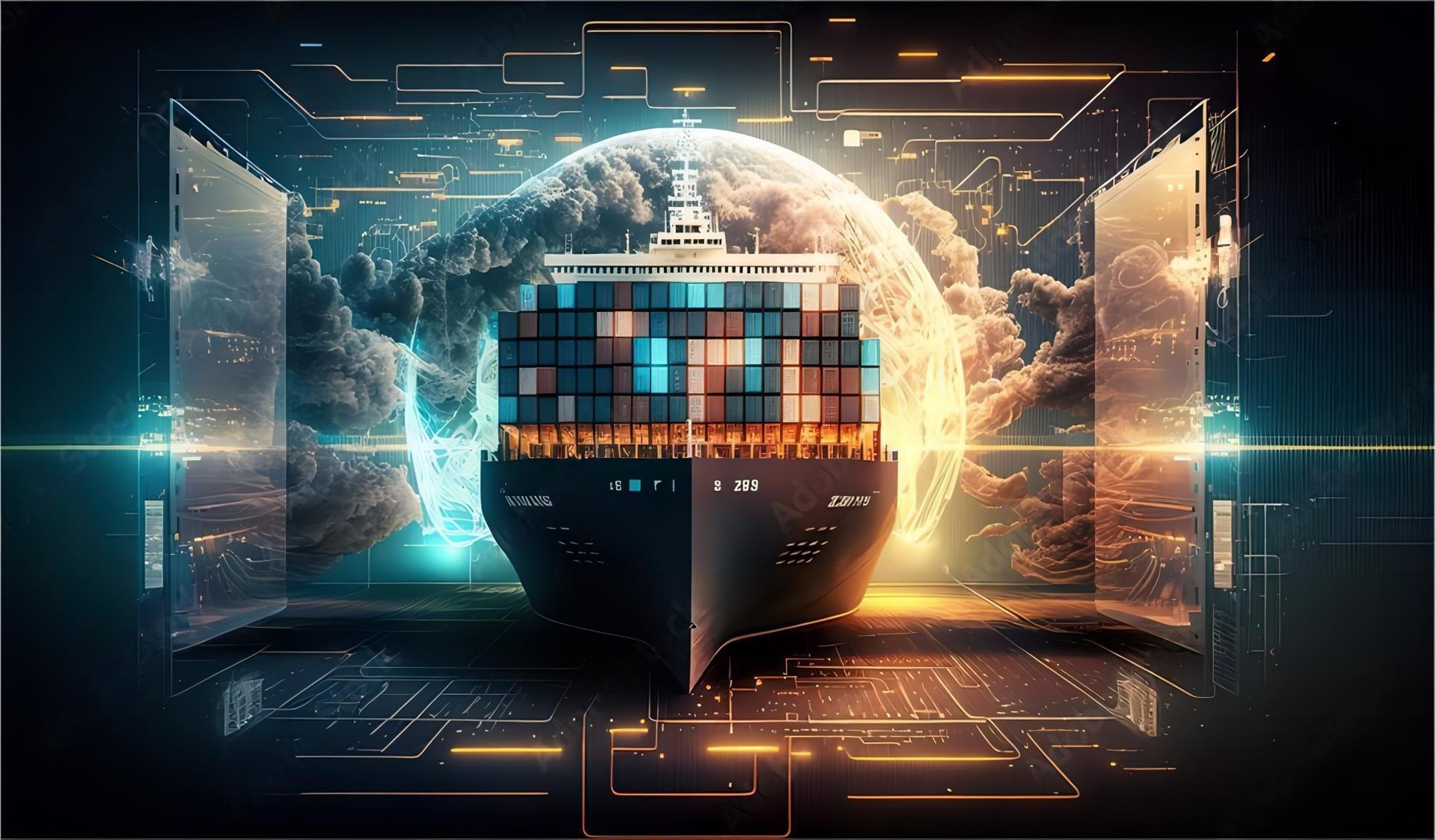
Door to Door Shipping China to Melbourne: 2026 Ultimate Guide
Navigating the complexities of door to door shipping china to melbourne requires a strategic approach to ensure your cargo arrives safely and on schedule. Many Australian businesses face challenges with fluctuating freight rates, complex customs regulations, and local delivery coordination. By choosing a comprehensive logistics solution, you can streamline your entire supply chain from the factory floor in China directly to your warehouse in Victoria. Visit Top China Cargo today to explore tailored logistics solutions that simplify your international trade operations. This guide provides essential insights into the latest shipping trends, cost-saving strategies, and regulatory requirements for 2026.

What is Door to Door Shipping China to Melbourne?
Understanding the full scope of door to door logistics is essential for any importer looking to minimize administrative burdens. This service covers every step of the journey, including pickup from the Chinese supplier, export documentation, international transit, and final delivery in Melbourne. Specifically, it eliminates the need for the importer to manage multiple intermediaries, as a single freight forwarder handles the entire process.
Professional logistics providers manage all the heavy lifting, from initial cargo handling at the origin to navigating the Port of Melbourne. This model is particularly beneficial for small to medium enterprises that lack dedicated logistics departments. Consequently, businesses can focus on sales and growth while the shipping experts manage the complexities of international transport and local haulage.
Consider using sea freight for your door-to-door needs if you are moving large volumes of goods. This method remains the most cost-effective solution for bulky items like furniture or machinery. Moreover, the integration of local trucking services ensures that your goods reach their final destination in Melbourne without any additional coordination on your part.
How Long is the Transit Time China to Melbourne in 2026?
Transit times for door to door shipping china to melbourne vary significantly based on the chosen mode of transport and the specific ports involved. For ocean freight, a direct vessel from Shanghai or Shenzhen to Melbourne typically takes between 14 and 18 days on the water. However, you must also account for an additional 7 to 10 days for origin pickup, export processing, and final delivery in Australia.
Air freight offers a much faster alternative for time-sensitive shipments, with total door-to-door times often ranging from 5 to 8 days. While the flight itself is only about 10 to 12 hours, the ground operations at both ends consume the majority of the schedule. Therefore, businesses must weigh the urgency of their inventory needs against the higher costs associated with rapid air transport.
Selecting air freight is ideal for high-value electronics or seasonal fashion items that require immediate market entry. Additionally, 2026 market data suggests that port efficiency in Melbourne has improved, reducing the average customs clearance time to approximately 24-48 hours. This efficiency helps maintain a predictable delivery schedule for all types of imported goods.
| Shipping Method | Port to Port Time | Total Door to Door | Reliability |
|---|---|---|---|
| Express Air | 1-2 Days | 3-5 Days | Very High |
| Standard Air | 3-5 Days | 7-10 Days | High |
| Direct Sea | 14-18 Days | 22-28 Days | Moderate |
| Transshipment Sea | 22-30 Days | 35-45 Days | Lower |
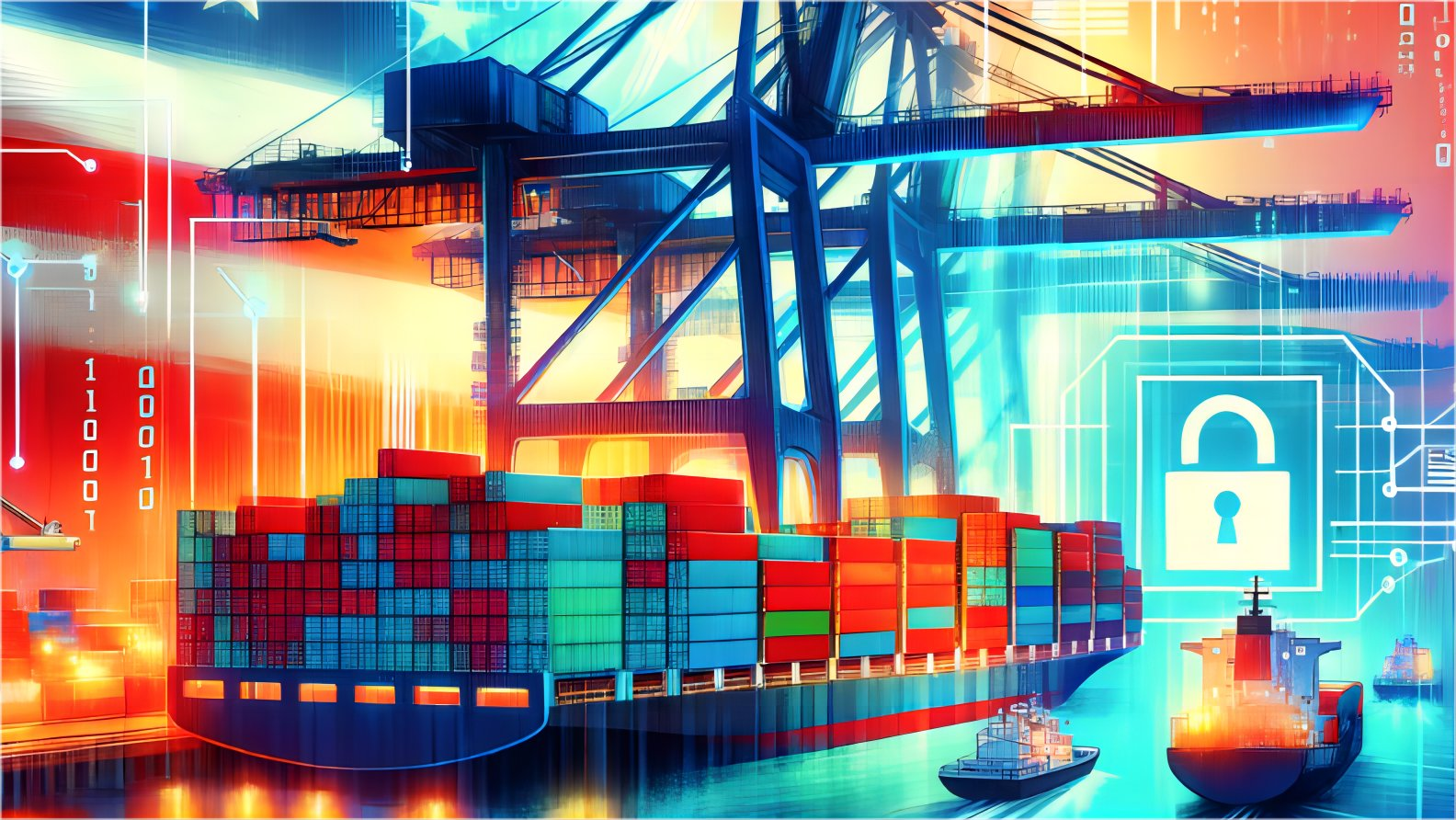
What are the Shipping Costs from China to Melbourne?
Calculating the total landed cost of your goods is a critical step in maintaining profitability for your import business. Freight rates from China to Melbourne are influenced by several factors, including fuel surcharges, seasonal demand, and container availability. As of early 2026, sea freight rates have stabilized, but peak season surcharges during the pre-Christmas period can still increase costs by 20%.
LCL shipping rates melbourne are usually quoted per cubic meter (CBM), making it an affordable choice for smaller shipments. For instance, a typical LCL shipment might cost between $150 and $300 per CBM for the ocean leg, excluding local delivery and customs fees. Conversely, FCL shipping offers a lower per-unit cost if you can fill a 20ft or 40ft container entirely with your products.
Professional customs brokerage services are vital for avoiding unexpected expenses related to duties and taxes. In Australia, most imports are subject to a 10% Goods and Services Tax (GST) and varying customs duties based on the product classification. Furthermore, failing to provide accurate documentation can lead to costly storage fees at the wharf, known as demurrage.
How Does Door to Door Shipping Compare to Other Shipping Options?
Comparing door-to-door service with traditional port-to-port shipping reveals significant differences in both cost and convenience. While port-to-port shipping may appear cheaper on an initial quote, it leaves the importer responsible for arranging local transport and customs clearance. Consequently, the hidden costs of managing multiple vendors and potential delays often outweigh the initial savings.
Businesses often find that a consolidated service provides better visibility throughout the supply chain. In contrast, managing separate contracts for sea freight, trucking, and customs can lead to communication gaps and finger-pointing when issues arise. Therefore, the door-to-door model provides a ‘one-stop-shop’ experience that simplifies logistics trends for modern importers.
Choosing door to door services ensures that your freight forwarder takes full accountability for the shipment’s safety and timing. Specifically, this method is superior for those who value time over the absolute lowest possible freight rate. It provides a seamless transition between international and domestic logistics phases.
| Shipping Method | Cost Range | Transit Time | Best For | Limitations |
|---|---|---|---|---|
| Door to Door Sea | $1,800 – $3,500 | 25-35 Days | Full Containers | Slower speed |
| Door to Door Air | $8 – $15 per KG | 5-9 Days | Urgent/High Value | Very expensive |
| Port to Port Sea | $800 – $1,800 | 15-20 Days | Experienced Importers | High admin effort |
| Express Courier | $12 – $20 per KG | 3-5 Days | Samples/Small Parcels | Size restrictions |
Which Option Should You Choose? Decision Framework
Determining the best shipping strategy depends on your budget, cargo volume, and required delivery speed. If your primary goal is cost reduction and you have a flexible timeline, sea freight LCL or FCL is the logical choice. Alternatively, if you are dealing with a stockout or a product launch, air freight is the only viable way to meet tight deadlines.
Large shipments exceeding 15 cubic meters are almost always more economical when shipped via a 20ft container. For smaller volumes, LCL consolidation allows you to share container space with other importers, paying only for the volume you use. Similarly, businesses should consider the nature of their goods; fragile or perishable items may require the specialized handling provided by air cargo services.
Implementing a hybrid strategy can also be effective for managing inventory levels. For example, you might ship 20% of your order via air to get stock on shelves immediately, while the remaining 80% travels via sea to minimize total shipping costs. This balanced approach allows you to maintain customer satisfaction without sacrificing your entire profit margin to freight expenses.
Realistic Case Studies for China to Melbourne Routes
Examining real-world scenarios helps importers understand the actual costs and timelines involved in door to door shipping china to melbourne. These cases reflect market conditions in 2025 and early 2026, providing a benchmark for your own logistics planning. Note that rates fluctuate based on carrier capacity and seasonal demand.
Case Study 1: Electronics from Shenzhen to Melbourne Route: Shenzhen, China to Melbourne, Australia Cargo: Consumer Electronics, 4.5 CBM, 920 kg Container: LCL (Less than Container Load) Shipping Details: – Carrier/Service: OOCL via Direct Service – Port of Loading: Shenzhen – Port of Discharge: Melbourne – Route Type: Direct Cost Breakdown: – Ocean Freight: $1,150 – Origin Charges: $280 – Destination Charges: $450 – Customs & Duties: $1,200 (estimated) – Total Landed Cost: $3,080 Timeline: – Booking to Loading: 3 days – Sea Transit: 16 days – Customs Clearance: 2 days – Total Door-to-Door: 26 days Key Insight: Using a direct service from Shenzhen saved 5 days compared to transshipment via Singapore.
Case Study 2: Home Furniture from Ningbo to Melbourne Route: Ningbo, China to Melbourne, Australia Cargo: Flat-pack Furniture, 28 CBM, 4,500 kg Container: 20GP (General Purpose Container) Shipping Details: – Carrier/Service: COSCO – Port of Loading: Ningbo – Port of Discharge: Melbourne – Route Type: Direct Cost Breakdown: – Ocean Freight: $1,850 – Origin Charges: $350 – Destination Charges: $600 – Customs & Duties: $2,400 (estimated) – Total Landed Cost: $5,200 Timeline: – Booking to Loading: 5 days – Sea Transit: 18 days – Customs Clearance: 3 days – Total Door-to-Door: 32 days Key Insight: FCL was significantly cheaper per CBM than LCL for this volume, and the door-to-door coordination prevented any wharf storage fees.

Why Choose Top China Cargo for Melbourne Imports?
Melbourne serves as a primary gateway for Australian trade, and having a reliable partner on the ground is essential. Shipping from China to Australia involves navigating specific biosecurity requirements, such as wood packaging inspections and asbestos declarations. Our team ensures that all cargo meets Australian Border Force standards before it even leaves the Chinese port.
Strategic logistics planning involves more than just moving boxes from point A to point B. It requires a deep understanding of local delivery schedules and warehouse requirements in the Melbourne metropolitan area. By leveraging our local network, we can offer competitive rates for the final leg of the journey, ensuring your goods reach their destination without delay.
Looking forward to 2026, we continue to invest in digital tracking tools that provide real-time visibility for your shipments. This transparency allows you to plan your inventory and marketing campaigns with confidence, knowing exactly where your goods are at any given moment. Our commitment to excellence makes us the preferred choice for door to door shipping china to melbourne.
Final Thoughts on Melbourne Logistics
Success in international trade depends heavily on the reliability of your logistics partner and your understanding of the shipping process. Door to door shipping china to melbourne offers the most comprehensive and stress-free solution for businesses of all sizes, providing a clear path from the manufacturer to the end consumer. By considering the factors outlined in this guide, you can make informed decisions that optimize both speed and cost.
Strategic importers will continue to favor door-to-door models as global supply chains become more complex in 2026. Whether you choose the speed of air freight or the economy of sea freight, the key is to ensure all documentation and customs requirements are handled with precision. With the right approach, your Melbourne-based business can thrive in the competitive landscape of international commerce.
Ready to streamline your logistics?
Ready to streamline your supply chain and reduce your logistics overhead? Contact Top China Cargo today for a personalized quote on door to door shipping china to melbourne and experience the difference that professional freight management can make for your business. Visit our website to get started with an inquiry and receive a detailed cost breakdown tailored to your specific cargo requirements.
Request Quote