


Customs Clearance Sydney Imports: The Ultimate 2026 Logistics Guide
Navigating the complexities of international trade requires a partner like Top China Cargo to ensure your goods move seamlessly across borders. Consequently, managing customs clearance sydney imports efficiently has become the cornerstone of successful supply chain operations for Australian businesses in 2026. This comprehensive guide explores the essential steps, regulatory requirements, and strategic choices that define modern import logistics in New South Wales.

What Defines Customs Clearance Sydney Imports in 2026?
Modern logistics in Australia has evolved rapidly, with the Australian Border Force (ABF) implementing more advanced digital verification systems this year. Indeed, the process for customs clearance sydney imports now relies heavily on pre-arrival data and automated risk assessment protocols to speed up cargo release.
Importers must understand that every shipment entering Port Botany or Sydney Airport undergoes rigorous scrutiny for security and biosecurity compliance. Furthermore, the integration of artificial intelligence in 2026 has allowed for faster processing of low-risk goods, provided that all documentation is perfectly aligned with international standards.
Success in this environment requires a proactive approach to data management and a thorough understanding of current tariff classifications. Therefore, businesses that invest time in optimizing their digital reporting often see a significant reduction in transit delays and unexpected storage fees at the wharf.
Why is a Professional Customs Broker Essential for Australian Trade?
Engaging a licensed customs brokerage service is no longer just a luxury but a strategic necessity for high-volume importers. These professionals act as the vital link between your business and the complex regulatory framework of the ABF and the Department of Agriculture, Fisheries and Forestry (DAFF).
Moreover, a professional broker ensures that you are applying the correct valuation methods and taking full advantage of available free trade agreements. This expertise can result in substantial cost savings, as misclassification often leads to overpayment of duties or, worse, heavy financial penalties and audits.
Reliable brokers also manage the complexities of GST deferral and duty drawback schemes, which can significantly improve your company’s cash flow. Consequently, they provide a layer of security that protects your business from the volatility of changing trade laws and administrative errors.
How Does Sea Freight Compare to Other Shipping Options?
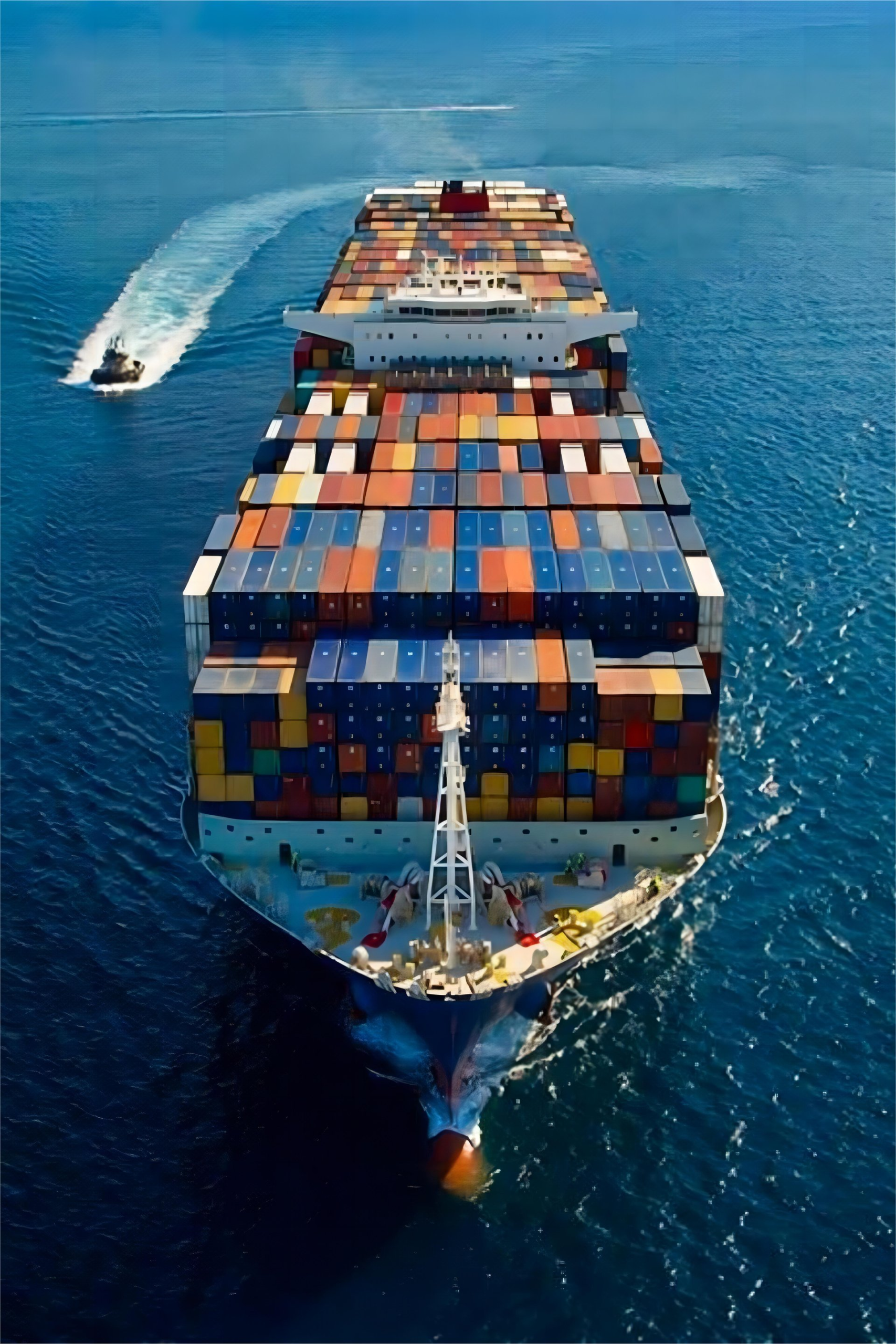
When planning your logistics strategy, choosing between sea freight and alternative methods depends largely on your budget and timeline. While ocean transport remains the most cost-effective solution for bulk commodities, it requires longer lead times and more complex port-side handling.
Alternatively, air freight offers unparalleled speed for high-value or perishable items that need to reach the Sydney market within days. However, the cost per kilogram is significantly higher, making it less viable for large-scale industrial equipment or heavy consumer goods.
Market data from Q1 2026 suggests that sea freight rates have stabilized, though seasonal peaks still influence the total landed cost of your products. To summarize the options, consider the following comparison table which outlines the typical performance metrics for Sydney-bound cargo.
| Shipping Method | Cost Range | Transit Time | Best For |
|---|---|---|---|
| Sea Freight FCL | $1,200 – $2,100 | 14 – 22 Days | Full Containers |
| Sea Freight LCL | $60 – $110/CBM | 18 – 26 Days | Small Shipments |
| Air Freight | $4.50 – $8.50/kg | 3 – 7 Days | Urgent Goods |
| Express Courier | $7.00 – $13.00/kg | 2 – 4 Days | E-commerce |
Which Option Should You Choose for Sydney Logistics?
Deciding on the right shipping method requires a careful balance of your specific business priorities and the nature of your cargo. If your primary goal is to minimize expenditure, sea freight is undoubtedly the superior choice for shipments exceeding 2 cubic meters.
On the other hand, if you are launching a new product line or responding to an urgent stock shortage, the speed of air transport justifies the premium price. Many businesses in 2026 are also adopting a hybrid strategy, using sea freight for the majority of their inventory while keeping a small portion of stock in the air to maintain supply continuity.
Volume thresholds play a critical role here; for instance, once a shipment exceeds 15 cubic meters, a 20-foot Full Container Load (FCL) often becomes cheaper than Less than Container Load (LCL) options. Always calculate your total landed cost, including port charges and trucking, before making a final commitment to a specific route.
Essential Documents for Sydney Import Customs Clearance
Preparation is the most effective way to prevent delays during the customs clearance sydney imports process. You must ensure that every piece of documentation is accurate, legible, and submitted well before the vessel arrives at Port Botany.
Specifically, the Australian Border Force requires a comprehensive commercial invoice that clearly states the terms of trade, the currency used, and a detailed description of the goods. Additionally, a packing list and a Bill of Lading are mandatory for all sea-bound shipments to verify the physical characteristics and ownership of the cargo.
Failure to provide these documents in a timely manner can result in the goods being held in a bonded warehouse, leading to significant storage costs. Refer to the checklist below to ensure your documentation package is complete for your next Sydney shipment.
| Document Type | Required By | Key Information | Timing |
|---|---|---|---|
| Commercial Invoice | ABF / Customs | Value, Currency, HS Code | Pre-shipment |
| Packing List | Port / DAFF | Weight, Dimensions | Pre-shipment |
| Bill of Lading | Carrier / ABF | Shipping Route, Title | At Loading |
| COO Certificate | ABF | Origin of Goods | Pre-arrival |
Can You Accelerate the Customs Clearance Process?
Achieving faster release times is possible through the Australian Trusted Trader (ATT) program, which offers simplified customs procedures for compliant businesses. Participants in this program often benefit from priority processing and reduced administrative burdens when managing their imports.
Another effective strategy is to utilize door to door services that integrate every step of the logistics chain into a single managed process. This reduces the number of handovers between different service providers, which is where many communication breakdowns and delays typically occur.
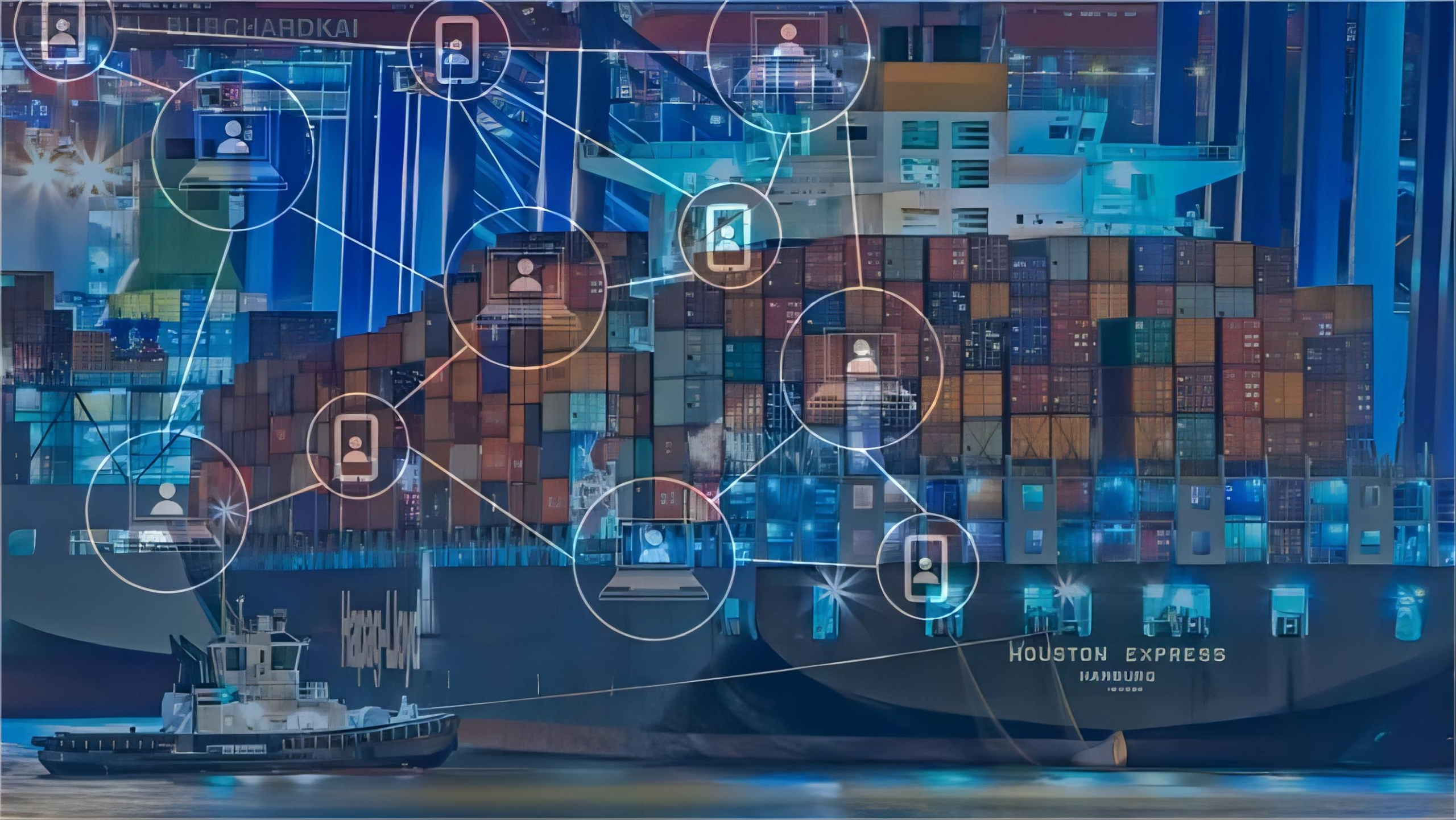
Furthermore, ensuring that your supplier provides high-quality digital data allows for pre-clearance, where the ABF reviews and approves your shipment while it is still in transit. Consequently, your goods can be moved directly from the wharf to your warehouse almost immediately upon arrival.
Case Studies: Real-World Import Success in Sydney
Examining real-world examples provides valuable insight into the costs and timelines associated with shipping to Australia in the current market. These cases reflect typical scenarios handled by professional logistics providers in early 2026.
Case Study 1: Tech Components from Shenzhen to Sydney. Route: Shenzhen to Port Botany. Cargo: Electronic sensors, 68 CBM. Container: 40HQ. Shipping Details: Direct carrier service. Cost Breakdown: Ocean Freight $1,950, Origin Charges $450, Destination Charges $600, Duties $4,800. Timeline: 19 days total door-to-door. Key Insight: Pre-clearance saved 3 days of port storage during a peak congestion period.
Case Study 2: Boutique Furniture from Ningbo to Sydney. Route: Ningbo to Sydney via Singapore. Cargo: Handcrafted tables, 12 CBM. Method: LCL. Cost Breakdown: Freight $980, Origin $250, Destination $400, Duties $1,500. Timeline: 26 days total. Key Insight: Accurate wood treatment certification prevented a costly DAFF inspection delay.
Note: Freight rates are subject to change based on fuel costs, carrier capacity, and seasonal demand. Contact us for a current quote tailored to your specific shipment.
Mastering Your Sydney Import Strategy
To summarize, successful customs clearance sydney imports depend on a combination of meticulous documentation, strategic shipping choices, and professional expertise. By understanding the nuances of the 2026 regulatory landscape, you can avoid common pitfalls and ensure a smooth flow of goods into the country.
Indeed, the right logistics partner will help you navigate the complexities of Port Botany and Sydney Airport with confidence. Whether you are moving full containers or small parcels, prioritizing compliance and efficiency will always yield the best long-term results for your business.
Need a tailored shipping solution?
Streamlining your customs clearance sydney imports is essential for maintaining a competitive edge in the Australian market. Contact our expert team today to receive a personalized logistics strategy and a transparent quote that ensures your cargo arrives on time and within budget.