

China to Italy Shipping Rates Sea Air Freight: 2026 Guide
Navigating the complexities of international logistics requires up-to-date information on market trends and pricing. Businesses looking for competitive China to Italy shipping rates sea air freight options must consider various factors, from fuel surcharges to seasonal demand. This comprehensive guide provides the essential data you need to optimize your supply chain and reduce landed costs in 2026.
What are the Current China to Italy Shipping Rates Sea Air Freight for 2026?
Freight markets in 2026 have shown remarkable stability compared to previous years. Consequently, importers can plan their budgets with greater confidence while looking for the most efficient routes.
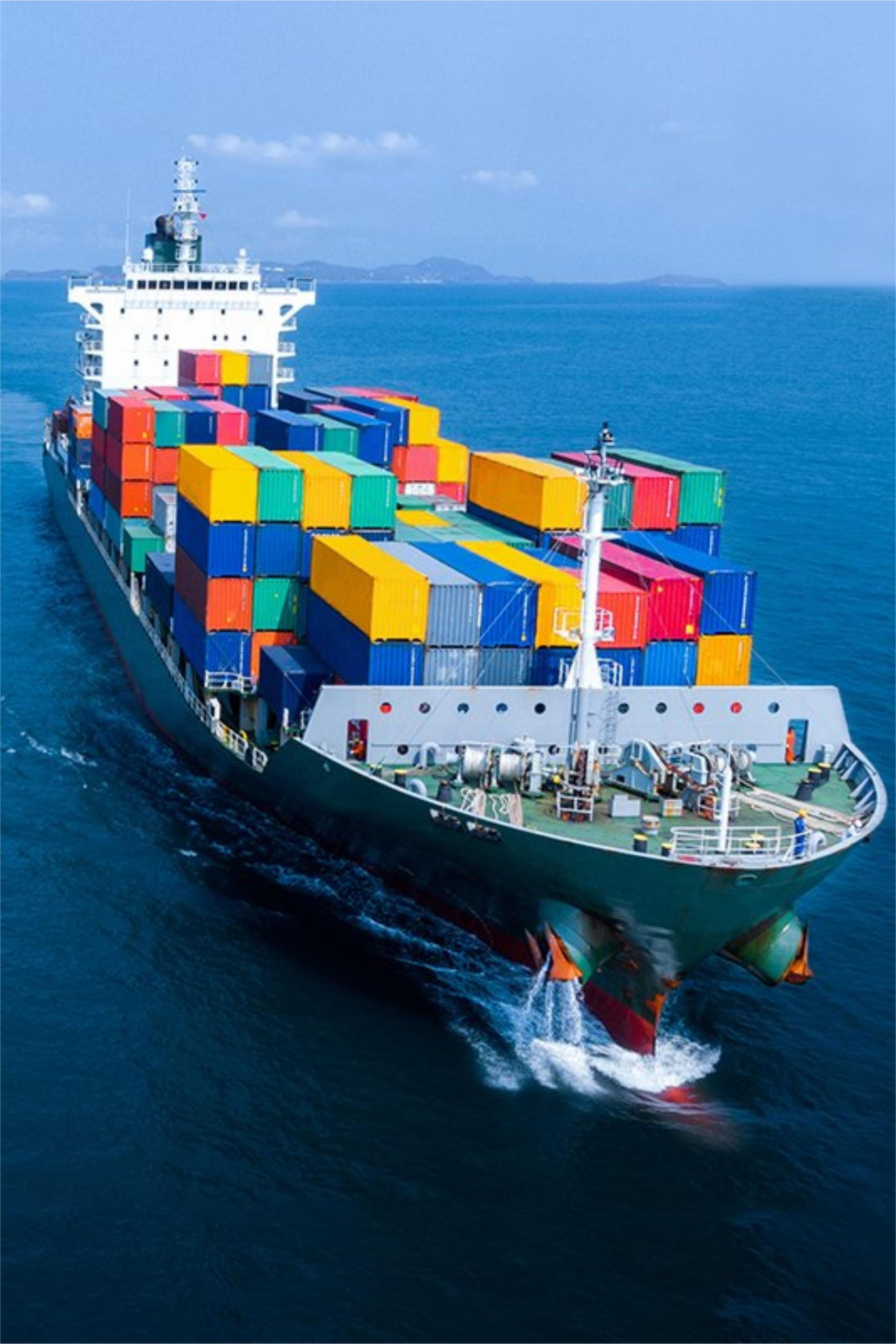
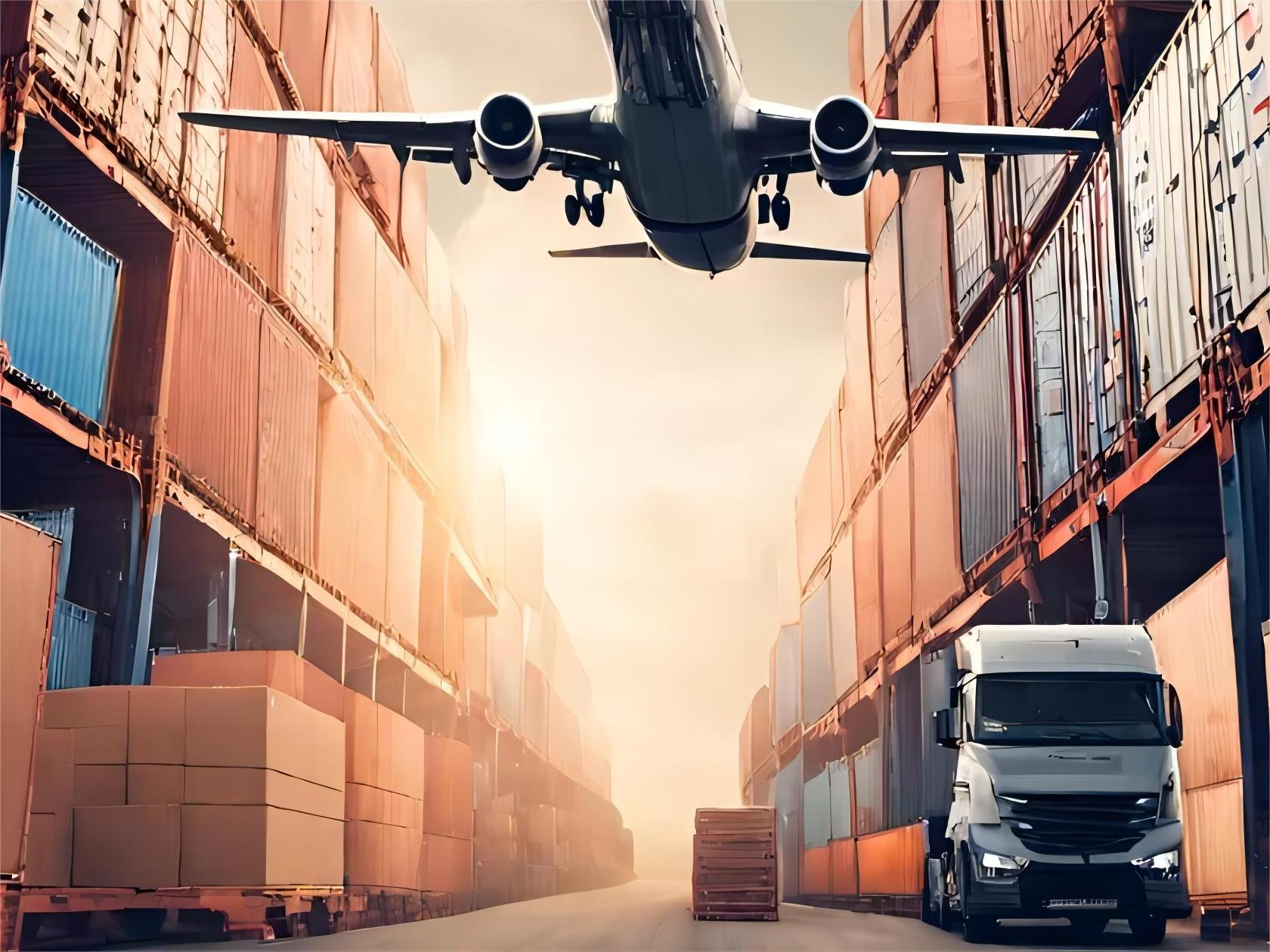
Sea freight remains the backbone of trade between these two nations, offering the lowest cost per unit for high-volume shipments. Meanwhile, air freight continues to serve as the premium choice for time-sensitive cargo and high-value electronics.
Market data suggests that ocean freight rates for a 40HQ container currently range between 3,200 and 4,500 USD. On the other hand, air freight prices often fluctuate between 4.50 and 7.50 USD per kilogram depending on the season.
Understanding these price points is crucial for maintaining a healthy profit margin. Therefore, businesses should monitor weekly rate updates to capitalize on market dips.
How Does Sea Freight Compare to Other Shipping Options?
Choosing the right transport mode involves balancing speed against expenditure. While sea freight offers unparalleled capacity, it requires significantly longer lead times than air or express alternatives.
Rail freight has also emerged as a viable middle-ground solution for trans-Eurasian trade. Nevertheless, the maritime route via the Suez Canal remains the most popular choice for Italian importers due to its connectivity to major ports like Genoa and Trieste.
For shipments under 15 CBM, LCL at 60-90 USD per CBM may be more economical than a full container. However, for larger volumes, FCL provides better security and faster handling at the destination port.
Direct routes to Mediterranean ports typically cost 10-15 percent more but save 5-7 days compared to transshipment via major hubs. Accordingly, the choice depends on whether your priority is budget or delivery speed.
| Shipping Method | Cost Range | Transit Time | Best For |
|---|---|---|---|
| Sea Freight (FCL) | 3,000 – 4,500 USD | 30 – 40 Days | Large Bulk Goods |
| Air Freight | 4.50 – 7.50 USD/kg | 5 – 8 Days | Urgent/High Value |
| Express Courier | 8.00 – 12.00 USD/kg | 3 – 5 Days | Samples/Small Parcels |
| Rail Freight | 1,800 – 2,500 USD | 18 – 25 Days | Mid-sized Shipments |
Which Option Should You Choose for Your Italy Shipment?
Decision making in logistics requires a clear framework based on your specific business needs. First, evaluate the total weight and volume of your cargo to determine the most cost-effective tier.
If your budget is the primary concern and you have a flexible timeline, sea freight is the obvious winner. Conversely, if you are restocking a popular item with low inventory, air freight is necessary to avoid stockouts.
Cargo type also plays a significant role in this decision. For instance, hazardous materials or oversized machinery often have limited options and may require specialized sea transport handling.
Volume thresholds are equally important to consider. Generally, once a shipment exceeds 100 kilograms, traditional air freight becomes more affordable than express service providers.
Understanding Factors That Influence Shipping Costs
Several variables contribute to the final price you see on a freight quote. Fuel surcharges, often referred to as BAF in sea freight, can change monthly based on global oil prices.
Port congestion and seasonal peaks also drive rates higher during specific times of the year. For example, the months leading up to the year-end holidays typically see a 20 percent increase in demand.
Customs regulations and local Italian taxes like VAT must also be factored into your landed cost. Utilizing a professional customs brokerage service can help prevent expensive delays and fines.
Indeed, proper documentation is the most effective way to ensure a smooth flow through Italian ports. Without a doubt, missing paperwork is the leading cause of unexpected storage fees at the terminal.
Alternative Strategies and Cost-Saving Tips
Smart importers use several strategies to lower their China to Italy shipping rates sea air freight expenses. One effective method is consolidating multiple small orders into a single LCL shipment.
Another approach involves using hybrid solutions such as sea-air combinations. This strategy uses sea freight for the long haul to a hub like Dubai, followed by air freight into Italy, saving both time and money.
Negotiating long-term contracts with freight forwarders can also provide price stability. Furthermore, optimizing your packaging to reduce dead space will directly lower your chargeable weight.
Consider shipping to less congested ports if your final destination allows. In addition, booking your space at least two weeks in advance can help you secure lower early-bird rates.
Real-World Case Studies for China to Italy Routes
Reviewing actual shipping scenarios helps illustrate the practical application of these rates and methods. These examples reflect market conditions observed in early 2026.
Case Study 1: Electronics from Shenzhen to Milan. Cargo: 500kg of tablets. Method: Air Freight. Total Cost: 3,250 USD. Transit Time: 6 days. Key Insight: Speed was critical to meet a product launch deadline.
Case Study 2: Furniture from Ningbo to Genoa. Cargo: 1x40HQ Container. Method: Sea Freight FCL. Total Cost: 4,100 USD. Transit Time: 34 days. Key Insight: FCL provided the lowest per-unit cost for bulky items.
Case Study 3: Apparel from Shanghai to Venice. Cargo: 5 CBM. Method: Sea Freight LCL. Total Cost: 850 USD. Transit Time: 38 days. Key Insight: LCL allowed the small business to maintain inventory without high overhead.

Managing Door to Door Logistics for Italian Imports
End-to-end solutions are becoming increasingly popular for businesses that prefer to focus on sales rather than logistics. A door to door service handles everything from the factory floor in China to your warehouse in Italy.
This service typically includes pickup, export clearance, international freight, and final mile delivery. Consequently, it removes the burden of coordinating with multiple local carriers and agents.
While the upfront cost might seem higher, the reduction in administrative errors often leads to overall savings. Moreover, having a single point of contact simplifies tracking and communication during the transit period.
Italy has a complex inland transport network, making professional local delivery essential. Therefore, ensure your provider has a strong partner network within the European Union for the final leg.
Final Thoughts on Shipping from China to Italy
Selecting the right partner and method for your China to Italy shipping rates sea air freight needs is a strategic business decision. By understanding the 2026 market trends and comparing all available options, you can significantly improve your logistics efficiency.
Whether you prioritize the speed of air freight or the cost-effectiveness of sea freight, staying informed is key. Remember to factor in all costs, including customs and local delivery, to calculate your true landed price.
As the global trade environment continues to evolve, being adaptable and proactive will ensure your business remains competitive in the Italian market.
Ready to streamline your logistics?
Ready to optimize your supply chain with competitive China to Italy shipping rates sea air freight? Contact our expert team today to receive a personalized quote tailored to your specific cargo needs. Send Inquiry
Request Quote