


DDP Shipping China to Melbourne: Ultimate 2026 Logistics Guide
Managing international trade requires a reliable partner to navigate the complexities of global logistics and local regulations. Top China Cargo provides streamlined solutions for businesses looking to simplify their supply chain through DDP shipping China to Melbourne. This comprehensive method ensures that all duties, taxes, and transport costs are handled upfront, allowing you to focus on your core business operations without worrying about hidden fees at the Port of Melbourne.
What is DDP Shipping China to Melbourne?
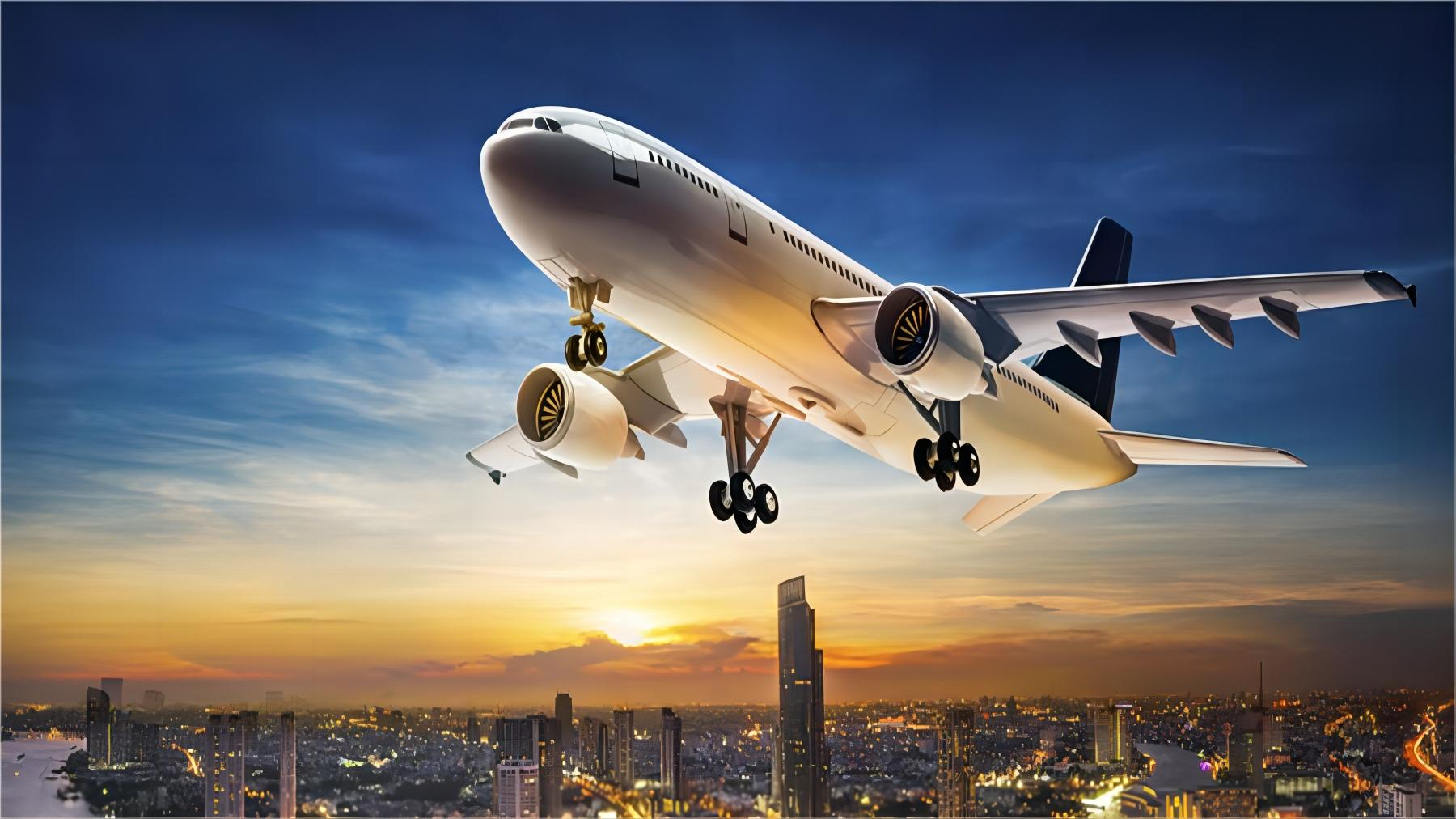
Delivered Duty Paid (DDP) is a specialized shipping agreement where the seller assumes all responsibility, risks, and costs associated with transporting goods. Consequently, the buyer in Melbourne only needs to receive the cargo at their designated warehouse or storefront. This arrangement is particularly beneficial for e-commerce sellers and small businesses that lack extensive experience with Australian Border Force regulations.

Moreover, choosing DDP shipping China to Melbourne means the freight forwarder manages the entire journey from the factory floor to the final destination. This includes local trucking in China, export clearance, international freight, and the final mile delivery in Victoria. Indeed, it is the most hands-off approach available for modern importers in 2026.
Furthermore, the transparency of this method allows for better financial planning and budget management. Because all costs are included in the initial quote, you avoid the common pitfalls of unexpected port congestion surcharges or fluctuating terminal handling charges. Therefore, many Australian companies are shifting toward this model to stabilize their landed cost calculations.
How Does DDP Compare to Other Shipping Options?
When evaluating your logistics strategy, it is essential to compare DDP against traditional Incoterms like CIF or FOB. While CIF might appear cheaper initially, it often results in significant destination charges that the buyer must settle before cargo release. In contrast, DDP offers a fixed price that covers every step of the journey.
Additionally, DDP eliminates the need for the buyer to hire their own customs broker or manage complex tax filings. Although the service fee for DDP might be slightly higher, the time saved and the reduction in administrative burden often outweigh the extra expense. For many, the peace of mind knowing that sea freight logistics are fully managed is invaluable.
Market data suggests that DDP is becoming the industry standard for small to medium-sized enterprises (SMEs) in Australia. Meanwhile, larger corporations might still prefer FOB to maintain tighter control over their chosen carriers. However, for most businesses, the simplicity of a door-to-door solution remains the most efficient choice.
| DDP Sea Freight | $800 – $1,800 | 18-25 Days | Bulk goods and heavy machinery | Longer transit times |
| DDP Air Freight | $5 – $9 per kg | 5-8 Days | Electronics and high-value items | Expensive for large volumes |
| DDP Express | $9 – $14 per kg | 3-5 Days | Urgent samples and small parcels | Highest cost per unit |
| FOB (Free on Board) | Variable | 18-30 Days | Large firms with local brokers | Buyer handles all AU costs |
Air Freight vs Sea Freight: Choosing the Right Speed
Deciding between different transport modes depends heavily on your inventory turnover and profit margins. For instance, air freight is the superior choice for time-sensitive products or seasonal fashion trends. As of early 2026, air cargo rates have remained competitive due to increased belly capacity in commercial flights to Melbourne Airport.
On the other hand, sea freight remains the backbone of the Australia-China trade route for heavy or voluminous cargo. For shipments exceeding 2 cubic meters, ocean transport offers a significantly lower cost per unit. Consequently, most furniture, automotive parts, and construction materials arrive via the Port of Melbourne.
It is also important to note that rail freight is not a viable option for this specific route. Since Australia is an island nation, all cargo must travel via sea or air. Therefore, your strategy should focus on optimizing these two primary channels based on current fuel surcharges and carrier availability.
Navigating Australian Customs and GST
Importing goods into Melbourne requires strict adherence to the Australian Customs Act. Specifically, most imports are subject to a 10 percent Goods and Services Tax (GST) and potential customs duties ranging from 0 to 5 percent. When you utilize a professional customs brokerage service, these calculations are handled automatically.
Furthermore, Australia has strict biosecurity laws managed by the Department of Agriculture, Fisheries and Forestry. Certain items, such as timber or organic materials, may require specific treatments or certifications before they can enter the country. Consequently, DDP providers ensure all paperwork is compliant to avoid costly quarantine delays.
Additionally, the China-Australia Free Trade Agreement (ChAFTA) can provide significant duty savings for eligible products. A knowledgeable freight forwarder will verify the Certificate of Origin to ensure you benefit from these preferential rates. As a result, your total landed cost could be lower than initially anticipated.
Which Option Should You Choose? Decision Framework
Choosing the right method for DDP shipping China to Melbourne requires a clear understanding of your priorities. If your primary goal is budget optimization, sea freight LCL (Less than Container Load) is usually the best approach. However, if you are launching a new product and need to hit a specific marketing date, air freight is the only reliable way to meet tight deadlines.
For cargo weighing less than 100kg, express services are often the most cost-effective because they bypass many of the fixed port fees associated with ocean freight. Meanwhile, for shipments over 15 cubic meters, booking a Full Container Load (FCL) provides the best security and lowest rate per CBM. Indeed, the volume of your shipment is often the deciding factor.
Consider the nature of your goods as well. High-value electronics are safer in the air, whereas durable consumer goods are perfectly suited for the longer sea voyage. By matching your shipping method to your product lifecycle, you can significantly enhance your supply chain efficiency.
Real-World Case Studies for Melbourne Imports
Case Study 1: High-End Electronics from Shenzhen to Melbourne. A local retailer needed 450kg of smart home devices delivered urgently for a store opening. By choosing air freight DDP, the total cost was $4,200 with a door-to-door transit time of just 6 days. Consequently, the client avoided all customs paperwork and received the goods directly at their CBD location.
Case Study 2: Furniture Wholesale from Ningbo to Melbourne. A furniture distributor imported a 20GP container of office chairs. The sea freight DDP solution cost $1,950, including all Australian port charges and GST. The shipment took 22 days from booking to delivery in Dandenong, providing a predictable cost structure for their retail pricing.
These examples highlight how different businesses utilize door to door services to meet their specific needs. Whether you are dealing with small parcels or full containers, the DDP model provides a scalable solution for the Australian market. Visit our Australia service page for more details on specific routes.
Cost-Saving Strategies for 2026
To minimize your expenses for DDP shipping China to Melbourne, consider consolidating multiple small orders into one larger shipment. This strategy reduces the impact of fixed documentation fees and minimum weight requirements. Moreover, booking your shipments at least two weeks in advance can help you secure lower rates before peak season price hikes.
Additionally, pay close attention to the packaging of your goods. Reducing the dimensions of your boxes can lower the volumetric weight, which is a major pricing factor for air freight. Furthermore, using eco-friendly and lightweight materials can help you avoid additional waste disposal fees at the destination.
Finally, always request a detailed quote that breaks down the ocean freight, fuel surcharges, and delivery fees. By comparing quotes from different periods, you can identify the most cost-effective windows for restocking your inventory. Note: Freight rates are subject to change based on fuel costs, carrier capacity, and seasonal demand. Contact us for a current quote tailored to your specific shipment.
Mastering Your Melbourne Logistics
In summary, DDP shipping China to Melbourne offers an unparalleled level of convenience and cost predictability for Australian importers. By shifting the burden of customs clearance and international transport to experienced professionals, you can eliminate the risks of hidden fees and shipping delays.
Whether you choose the speed of air freight or the economy of sea freight, the DDP model ensures your goods arrive safely at your door. As we move through 2026, staying informed about market trends and logistics strategies will remain vital for your business success in the competitive Australian market.
Get Your Shipping Quote Today
Streamline your supply chain today with professional DDP shipping China to Melbourne. Our team at Top China Cargo handles the complexity so you can focus on growth. Contact us now for a personalized quote and expert logistics advice. Send Inquiry: Visit topchinacargo.com/contact/
Request Quote