

2026 Guide: 20gp Container Rate China to New Zealand Options
Navigating the complexities of international trade in 2026 requires a deep understanding of the 20gp container rate china to new zealand to ensure your business remains competitive. Many importers face challenges with fluctuating fuel surcharges and port congestion that can unexpectedly inflate the landed cost of their goods. This comprehensive guide provides the market intelligence needed to optimize your supply chain and secure the most favorable shipping terms for your specific cargo requirements.
Understanding the 20gp Container Rate China to New Zealand in 2026
Current market conditions in early 2026 indicate that freight rates have stabilized following the logistical shifts seen in previous years. Ocean carriers are now deploying more fuel-efficient vessels on the Oceania routes, which helps mitigate some of the rising environmental compliance costs. Consequently, the base ocean freight for a 20ft container remains a vital metric for budget planning among Kiwi importers.
Moreover, the overall cost is not merely the port-to-port rate but includes various surcharges like the Bunker Adjustment Factor and Terminal Handling Charges. Importers should also account for the Peak Season Surcharge which typically applies from August through October as retailers prepare for the summer holidays. Therefore, securing a fixed-rate contract or working with an experienced partner can provide much-needed price stability in this evolving market.
Freight forwarders often suggest that the 20GP container is the most versatile option for heavy or dense cargo such as machinery, minerals, or construction materials. Furthermore, the 20ft GP container dimensions allow for approximately 28 to 30 cubic meters of space, making it ideal for shipments that do not require the massive volume of a 40ft High Cube. Indeed, understanding these physical constraints is just as important as monitoring the actual freight rates.
How Does FCL Compare to Other Shipping Options?
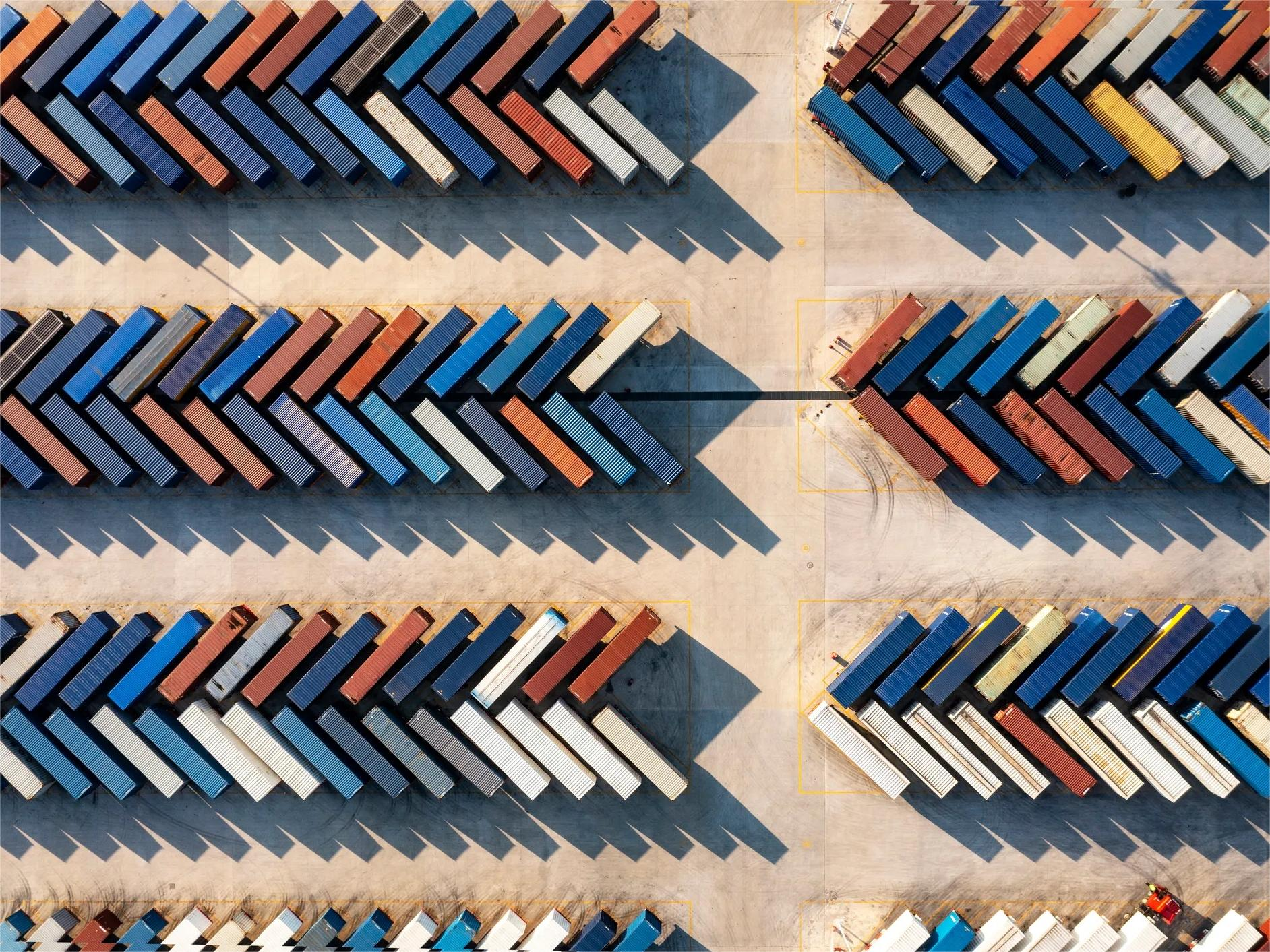
Evaluating different transport modes is essential for finding the balance between speed and expenditure when shipping to New Zealand. While sea freight remains the backbone of trade between these two nations, alternative methods offer unique advantages depending on the urgency of the shipment. For instance, smaller shipments might benefit from Less than Container Load (LCL) services rather than paying for a full 20ft container.
In contrast, air freight serves as a critical solution for high-value or time-sensitive products that cannot wait for the standard sea transit times. Additionally, hybrid solutions like sea-air movements via Southeast Asian hubs are gaining popularity for those seeking a middle ground in both cost and speed. The following table provides an objective analysis of the primary shipping methods available for the China to New Zealand route in 2026.
| Shipping Method | Cost Range (USD) | Transit Time | Best For |
|---|---|---|---|
| FCL (20GP) | $900 – $1,400 | 14 – 22 Days | Bulk goods and heavy machinery |
| LCL (per CBM) | $60 – $110 | 18 – 25 Days | Small shipments under 15 CBM |
| Air Freight (kg) | $4.50 – $8.00 | 3 – 7 Days | Urgent or high-value electronics |
| Express | $7.50 – $12.00 | 2 – 5 Days | Samples and small parcels |
Key Factors Influencing Your 20ft Shipping Costs
Market data suggests that several variables beyond the base freight rate determine the final invoice for a 20GP container. Specifically, the choice of departure port in China can influence the rate by $50 to $150 depending on carrier availability and local port fees. For example, shipping from a major hub like Shanghai or Ningbo often provides more competitive rates compared to smaller regional ports.
Additionally, the destination port in New Zealand plays a significant role in the overall pricing structure. Auckland typically offers the lowest rates due to its high volume and frequent vessel calls, whereas ports like Nelson or Lyttelton may incur transshipment costs. Consequently, businesses must calculate the total door-to-door cost rather than just the ocean freight to get an accurate picture of their logistics spend.
Fuel prices also remain a volatile component of the 20gp container rate china to new zealand as we move through 2026. Carriers frequently adjust the Low Sulfur Surcharge to comply with international maritime regulations, which directly impacts the monthly rate fluctuations. Furthermore, seasonal demand during the Chinese New Year period can cause rates to spike by 20% or more as capacity becomes extremely limited.
Transit Times and Port Rotations for New Zealand Cargo
Shipping schedules from China to New Zealand are relatively consistent, but weather patterns and port congestion can occasionally cause delays. Typically, a direct service from Shenzhen to Auckland takes approximately 12 to 15 days, while routes involving transshipment in Singapore or Port Klang may take up to 25 days. Meanwhile, importers should also consider the time required for customs clearance and local delivery within New Zealand.
Interestingly, the logistics landscape in Australia often mirrors the trends seen in New Zealand, as many vessels operate on a rotation that covers both countries. This regional connectivity ensures that there is a steady flow of empty containers and vessel space for the trans-Pacific trade lanes. The table below outlines the typical transit times from major Chinese ports to New Zealand’s primary maritime gateways.
| Origin Port | Auckland Transit | Tauranga Transit | Lyttelton Transit |
|---|---|---|---|
| Shanghai | 16 – 19 Days | 18 – 21 Days | 22 – 25 Days |
| Shenzhen | 12 – 15 Days | 14 – 17 Days | 18 – 22 Days |
| Ningbo | 15 – 18 Days | 17 – 20 Days | 21 – 24 Days |
| Qingdao | 19 – 22 Days | 21 – 24 Days | 25 – 28 Days |
Real Case Studies of China to New Zealand Shipments
Analyzing real-world scenarios helps importers understand the practical application of the 20gp container rate china to new zealand in today’s market. These examples illustrate the various costs associated with different cargo types and the timelines involved in a successful delivery. By reviewing these cases, businesses can better prepare for the financial and logistical requirements of their own international shipments.
Case Study 1: Industrial Equipment to Auckland ——————————————————— Route: Shenzhen, China to Auckland, NZ Cargo: CNC Machinery, 26 CBM, 12,500 kg Container: 20GP Shipping Details: – Carrier: Major Carrier (Direct Service) – Port of Loading: Yantian – Port of Discharge: Auckland – Route Type: Direct Cost Breakdown: – Ocean Freight: $1,150 – Origin Charges: $320 – Destination Charges: $450 – Customs & Duties: $1,200 (estimated) – Total Landed Cost: $3,120 Timeline: – Booking to Loading: 4 days – Sea Transit: 14 days – Customs Clearance: 2 days – Total Door-to-Door: 20 days Key Insight: Using a direct service from Yantian minimized handling risks for sensitive machinery while maintaining a competitive rate. ———————————————————
Case Study 2: Retail Furniture to Christchurch ——————————————————— Route: Ningbo, China to Lyttelton, NZ Cargo: Flat-pack Furniture, 29 CBM, 8,000 kg Container: 20GP Shipping Details: – Carrier: Regional Specialist – Port of Loading: Ningbo – Port of Discharge: Lyttelton – Route Type: Transshipment via Tauranga Cost Breakdown: – Ocean Freight: $1,280 – Origin Charges: $280 – Destination Charges: $520 – Customs & Duties: $850 (estimated) – Total Landed Cost: $2,930 Timeline: – Booking to Loading: 6 days – Sea Transit: 22 days – Customs Clearance: 3 days – Total Door-to-Door: 31 days Key Insight: Transshipment was necessary to reach the South Island but added approximately 8 days to the total timeline compared to North Island ports. ———————————————————
Alternative Strategies for Cost-Effective Logistics
Implementing smart logistics strategies can significantly reduce the impact of the 20gp container rate china to new zealand on your bottom line. For example, consolidating multiple smaller orders into a single 20ft container can be much cheaper than paying for several LCL shipments. Furthermore, choosing a door to door service often simplifies the process and provides better visibility over the total costs.
Another effective approach involves optimizing the packaging of your goods to maximize the utilization of the 20GP container’s internal volume. Since you pay for the entire container regardless of how full it is, every extra cubic meter of used space lowers your cost per unit. Additionally, importers should consider ‘Off-Peak’ shipping, as rates are generally lower in the first quarter of the year after the holiday rush has subsided.
Negotiating long-term volume commitments with freight forwarders can also lead to discounted rates and prioritized space during busy periods. Moreover, utilizing bonded warehouses in China allows for better inventory management and the ability to delay shipping until market rates are more favorable. Accordingly, a flexible supply chain that can adapt to price fluctuations is a major competitive advantage in 2026.

Understanding New Zealand Customs and Import Duties
Navigating the regulatory environment is just as crucial as securing a low 20gp container rate china to new zealand for a smooth import process. All goods entering New Zealand are subject to inspection by the Ministry for Primary Industries (MPI) to protect the country’s unique ecosystem. Consequently, ensuring that your wooden packaging is heat-treated and correctly certified is essential to avoid costly delays or fumigation fees at the port.
In addition, working with a professional customs brokerage service ensures that your Goods and Services Tax (GST) and import duties are calculated accurately. Most goods from China benefit from the NZ-China Free Trade Agreement, which can reduce or eliminate customs duties if the proper Certificates of Origin are provided. Therefore, documentation accuracy is the most significant factor in preventing unexpected storage charges at the terminal.
Importers must also be aware of the ‘Entry Advisory’ and ‘Import Entry’ fees charged by New Zealand Customs for processing shipments. These administrative costs are usually separate from the freight rate and should be factored into your total logistics budget. Furthermore, having a registered New Zealand Business Number (NZBN) can streamline the electronic filing of your import declarations and speed up the release of your cargo.
Which Shipping Option Should You Choose?
Deciding on the best logistics path depends on your specific priorities regarding budget, speed, and cargo volume. If your primary goal is cost minimization and you have at least 20 CBM of goods, the 20GP container remains the most economical choice. On the other hand, if you are shipping small quantities of high-margin items, an express service might be more appropriate despite the higher cost per kilogram.
For shipments that fall between these categories, a decision framework can help guide your choice based on volume thresholds. Generally, once a shipment exceeds 15 CBM, the total cost of an FCL 20GP container becomes comparable to LCL, with the added benefit of reduced handling and faster transit. In contrast, for urgent restocking of inventory, air freight is the only viable option to prevent out-of-stock situations that could damage your brand reputation.
Ultimately, the ideal strategy often involves a mix of different shipping methods tailored to your product lifecycle. Using sea freight for bulk inventory while maintaining a small air freight pipeline for urgent orders allows for a balanced and resilient supply chain. Consequently, staying informed about the latest market trends and maintaining a strong relationship with your logistics provider will ensure you always get the best 20gp container rate china to new zealand.
Mastering Your China to New Zealand Logistics
Successfully managing the 20gp container rate china to new zealand requires a proactive approach to market trends and a clear understanding of the various cost drivers involved. By choosing the right shipping method, optimizing container utilization, and ensuring meticulous documentation, businesses can significantly reduce their overhead and improve delivery reliability.
As we progress through 2026, the partnership between Chinese manufacturers and New Zealand importers continues to grow, supported by robust maritime infrastructure and efficient logistics services. Whether you are a small business owner or a large-scale distributor, staying informed and flexible will be the keys to your international trading success in the years to come.
Start Your Shipment
Ready to optimize your supply chain and secure the most competitive 20gp container rate china to new zealand for your next shipment? Contact our expert team today to receive a customized quote tailored to your specific logistics needs and start saving on your international freight costs. Send Inquiry to get started with a professional shipping partner.
Request Quote