


China to Italy Sea Freight FCL LCL Shipping Cost 2026 Guide
Navigating the complexities of international trade requires a deep understanding of logistics expenses, especially when calculating the China to Italy sea freight FCL LCL shipping cost for your business. As of 2026, market fluctuations and supply chain shifts continue to influence how companies budget for their Mediterranean imports. By partnering with a reliable freight forwarder like Top China Cargo, you can streamline your operations while minimizing unnecessary expenses. This comprehensive guide provides the latest data on freight rates, transit schedules, and strategic shipping methods to help you optimize your Italian supply chain.
Understanding the China to Italy Sea Freight FCL LCL Shipping Cost Factors
Several variables determine the final price you pay when moving goods from Chinese manufacturing hubs to Italian destinations. Market demand usually peaks during the third quarter, leading to a significant rise in ocean freight rates as retailers prepare for the holiday season. Furthermore, fuel surcharges, known as the Bunker Adjustment Factor, fluctuate based on global oil prices and environmental regulations.
Port congestion and labor availability at major hubs like Shanghai or Genoa can also introduce unexpected surcharges into your logistics budget. Consequently, shippers must account for local charges, including Terminal Handling Charges and documentation fees, which often vary between different carriers. Indeed, staying informed about these variables is essential for maintaining a competitive edge in the European market.
Moreover, the choice between different shipping routes can impact the total China to Italy sea freight FCL LCL shipping cost significantly. Direct routes to the Port of Trieste or Venice might offer faster transit but come with a premium price tag compared to transshipment options. Additionally, the increasing focus on sustainability in shipping from China to Europe has introduced carbon-related levies that were less prominent in previous years.

FCL vs LCL: Which is Better for Your Italian Imports?
Choosing between Full Container Load and Less than Container Load depends largely on your shipment volume and budget constraints. For businesses transporting large quantities of goods, sea freight in the form of FCL provides a dedicated space that reduces the risk of damage. On the other hand, LCL allows smaller enterprises to share container space, paying only for the volume they occupy.
Typically, FCL becomes more cost-effective once your cargo volume exceeds 15 cubic meters, as the flat rate for a 20-foot container offers a lower per-unit cost. However, LCL remains the preferred strategy for startups or businesses testing new products in the Italian market. Furthermore, LCL shipments often involve more complex handling at the Container Freight Station, which might add a few days to the total transit time.
Nevertheless, both methods have their place in a balanced logistics strategy, depending on the urgency and nature of the cargo. Shippers should carefully evaluate their inventory needs before deciding which container type best serves their bottom line. Most importantly, calculating the break-even point between these two options is a vital step in managing your China to Italy sea freight FCL LCL shipping cost.
| Feature | FCL (Full Container) | LCL (Shared Container) | Best For |
|---|---|---|---|
| Cost Structure | Flat rate per container | Price per CBM/Weight | FCL for bulk |
| Transit Time | Faster (Direct) | Slower (Consolidation) | FCL for speed |
| Security | Higher (Sealed) | Moderate (Mixed cargo) | FCL for fragile |
| Volume | Over 15 CBM | Under 15 CBM | LCL for small |
How Does Sea Freight Compare to Other Shipping Options?
While sea freight remains the backbone of international trade, other modes of transport offer different advantages in terms of speed and reliability. Air freight is the fastest option for urgent deliveries but can cost significantly more than ocean transport. For instance, shipping a single pallet via air might cost more than an entire 20GP container sent by sea.
Rail freight has emerged as a middle-ground alternative, offering faster transit times than the ocean while remaining cheaper than air transport. This method is particularly useful for high-value industrial equipment or seasonal fashion items that need to reach Milan or Rome quickly. Additionally, hybrid solutions like sea-air combinations can provide a balance between cost and delivery speed for specific logistics scenarios.
Ultimately, the best choice depends on your specific business requirements and the nature of your cargo. If your priority is minimizing the China to Italy sea freight FCL LCL shipping cost, ocean transport is almost always the superior choice. However, businesses must weigh these savings against the longer lead times associated with maritime routes.
| Shipping Method | Cost Range | Transit Time | Best For |
|---|---|---|---|
| Sea Freight | $1,800 – $4,200 | 30 – 45 Days | Heavy/Bulk |
| Rail Freight | $2,800 – $4,500 | 18 – 25 Days | Mid-value |
| Air Freight | $5.50 – $9.50/kg | 5 – 8 Days | Urgent/Luxury |
| Express | $8.00 – $15.00/kg | 3 – 5 Days | Samples |
Major Shipping Routes and Transit Times to Italy
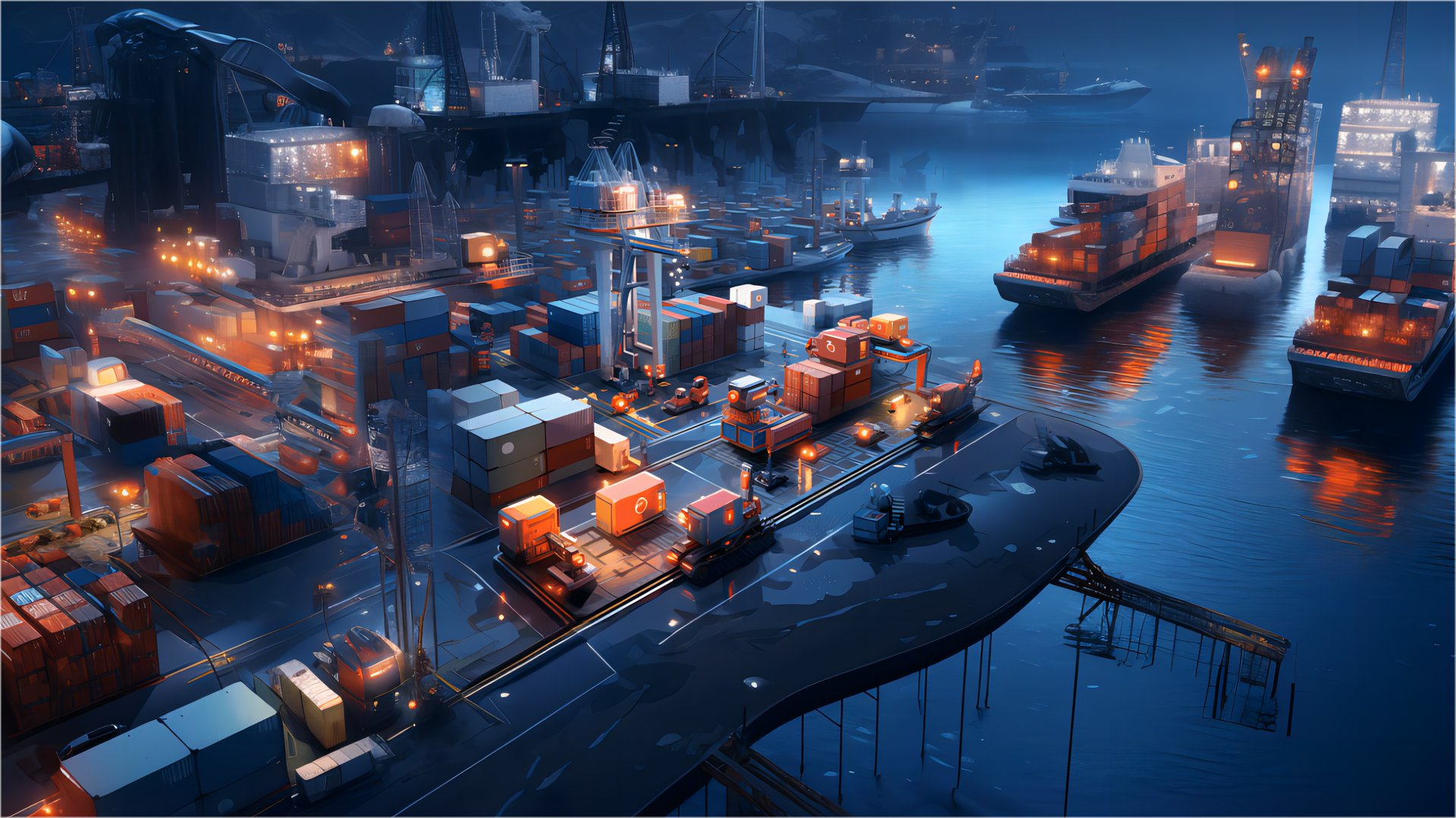
Goods departing from China usually leave from major ports such as Shanghai, Ningbo, Shenzhen, or Qingdao. These hubs offer frequent departures and competitive rates due to the high volume of traffic moving toward Europe. Most vessels travel through the Suez Canal, entering the Mediterranean Sea to reach Italian ports like Genoa, La Spezia, or Trieste.
Transit times vary based on the specific port of loading and the destination port in Italy. For example, a direct service from Shenzhen to Genoa typically takes around 30 to 35 days under normal conditions. In contrast, shipments to the Adriatic coast via Trieste might take slightly longer if transshipment occurs in hubs like Piraeus or Port Said.
Weather conditions and seasonal fluctuations can also affect these schedules, especially during the winter months. Consequently, shippers should always include a buffer of 5 to 7 days when planning their inventory arrivals. Indeed, understanding these regional dynamics is essential for accurate supply chain forecasting and managing customer expectations.
Detailed Cost Breakdown for 2026 Shipping
To accurately estimate your China to Italy sea freight FCL LCL shipping cost, you must look beyond the base ocean freight rate. Port charges in China, including export customs clearance and terminal handling, usually range from $300 to $500 per container. Additionally, carriers apply various surcharges such as the Low Sulfur Surcharge to comply with international maritime laws.
Upon arrival in Italy, you will encounter destination charges including unloading fees, warehouse storage, and local delivery costs. For those shipping for e-commerce, utilizing Amazon FBA services might involve specific labeling and palletization requirements that add to the total expense. Furthermore, value-added taxes and import duties are calculated based on the CIF value of your goods.
Without a doubt, working with a transparent freight forwarder helps you avoid hidden costs that can derail your budget. It is always recommended to request a comprehensive quote that includes all door-to-door expenses to ensure full financial visibility. Note: Freight rates are subject to change based on fuel costs, carrier capacity, and seasonal demand. Contact us for a current quote tailored to your specific shipment.
| Origin Port | Destination Port | 20GP Rate | 40HQ Rate |
|---|---|---|---|
| Shanghai | Genoa | $2,200 | $3,600 |
| Ningbo | Trieste | $2,150 | $3,550 |
| Shenzhen | Naples | $2,000 | $3,400 |
| Qingdao | Venice | $2,300 | $3,750 |
Real Case Studies: Shipping to Italy in 2026
Case Study 1: Large Scale Furniture Import. Route: Ningbo, China to Genoa, Italy. Cargo: Home furniture, 58 CBM, 15,000 kg. Container: 40HQ. Shipping Details: Carrier: MSC. Port of Loading: Ningbo. Port of Discharge: Genoa. Route Type: Direct. Cost Breakdown: Ocean Freight: $3,600, Origin Charges: $450, Destination Charges: $650, Customs and Duties: $1,200, Total Landed Cost: $5,900. Timeline: Booking to Loading: 4 days, Sea Transit: 33 days, Customs Clearance: 2 days, Total Door-to-Door: 39 days. Key Insight: Booking three weeks in advance secured a lower rate during the Q3 peak season.
Case Study 2: Electronics Components for Milan. Route: Shenzhen, China to Milan, Italy. Cargo: Circuit boards, 5 CBM, 1,200 kg. Container: LCL. Shipping Details: Carrier: Major carrier. Port of Loading: Shenzhen. Port of Discharge: La Spezia. Route Type: Transshipment via Singapore. Cost Breakdown: Ocean Freight: $750, Origin Charges: $200, Destination Charges: $350, Customs and Duties: $800, Total Landed Cost: $2,100. Timeline: Booking to Loading: 3 days, Sea Transit: 38 days, Customs Clearance: 3 days, Total Door-to-Door: 44 days. Key Insight: Using LCL allowed the client to maintain low inventory levels without paying for empty container space.

Customs Brokerage and Compliance for Italy
Importing goods into Italy requires strict adherence to European Union customs regulations and local Italian laws. You must provide a valid EORI number and ensure that all commercial invoices accurately reflect the value and description of the goods. Additionally, hiring a professional customs brokerage service can prevent costly delays and penalties during the inspection process.
Specific products, such as textiles or electronics, may require additional certifications like CE marking or certificates of origin to clear customs. Moreover, the Italian Customs Agency is known for its detailed inspections of high-value or restricted items. Consequently, ensuring that your HS codes are correctly classified is vital for determining the accurate duty rates for your shipment.
Therefore, businesses should prepare their documentation well in advance of the vessel’s arrival at the Italian port. In contrast to other regions, the EU has unified many customs procedures, but local administrative nuances in Italy still exist. Ultimately, compliance is not just about following rules but about ensuring the smooth flow of your supply chain.
Cost-Saving Strategies for Sea Freight
Reducing your China to Italy sea freight FCL LCL shipping cost is possible through strategic planning and cargo optimization. One of the most effective methods is to consolidate multiple small orders into a single FCL shipment to benefit from lower container rates. Additionally, choosing door to door services can simplify the process and often result in better bundled pricing from your forwarder.
For example, shipping during the off-peak months of March through May can save you up to 20% on ocean freight costs. Furthermore, optimizing your packaging to maximize the use of space within a container reduces the cost per unit of your goods. Specifically, using pallets that fit standard container dimensions prevents wasted space and protects your cargo during transit.
Another approach involves negotiating long-term contracts with freight forwarders if you have consistent shipping volumes throughout the year. This provides price stability and ensures space availability during high-demand periods. Ultimately, a proactive approach to logistics management is the best way to keep your international shipping expenses under control.

Which Option Should You Choose?
To summarize, your decision should align with your business goals, cargo volume, and budget. If you are prioritizing budget and have large volumes, FCL sea freight is the clear winner. Conversely, for speed-sensitive items, you might consider rail or air freight despite the higher costs. Specifically, businesses should use a decision framework based on the following criteria:
Budget priority: Recommend Sea Freight LCL for small volumes or FCL for bulk. Speed priority: Recommend Air Freight or Express services for immediate needs. Cargo type: Recommend FCL for fragile or high-security items. Volume thresholds: Switch from LCL to FCL once you exceed 15 CBM to optimize costs.
By evaluating these factors, you can make an informed choice that supports your operational efficiency. Regardless of the method chosen, maintaining a strong relationship with your logistics partner is key to navigating the ever-changing landscape of international trade. Always stay updated on the latest market trends to ensure your shipping strategy remains effective.
Final Thoughts on Shipping to Italy
Managing the China to Italy sea freight FCL LCL shipping cost effectively requires a combination of market knowledge and strategic partnerships. By understanding the differences between shipping modes and staying informed about 2026 market trends, you can significantly reduce your overhead. Whether you choose FCL for its security or LCL for its flexibility, the goal remains the same: a reliable and cost-effective supply chain.
As global trade continues to evolve, businesses that adapt their logistics strategies will thrive in the competitive Italian market. Remember to factor in all costs, from ocean freight to customs duties, to get a true picture of your landed expenses. With the right planning and support, importing from China to Italy can be a smooth and profitable endeavor for your company.
Need a tailored shipping solution?
Ready to optimize your logistics? Contact Top China Cargo today for a personalized quote on your China to Italy sea freight FCL LCL shipping cost. Our experts are standing by to help you save time and money on your next shipment. Visit our website to learn more and get started now.