


Top Logistics Company China to Australia: 5 Best 2026 Shipping Options | Reliable Logistics Company China to Australia
“Navigating the complex trade lanes between Shenzhen and Sydney requires a partner that understands the unique demands of the Southern Hemisphere. Finding a reliable logistics company China to Australia is the first step toward securing a resilient supply chain that withstands global market shifts. This guide provides comprehensive insights into 2026 shipping trends, cost-saving strategies, and efficient transit methods for your business cargo.”

Why You Need a Professional Logistics Company China to Australia
❖Shipping across the Pacific involves more than just moving boxes from point A to point B. Consequently, a professional logistics company China to Australia manages the intricate details of international trade, including documentation, carrier negotiations, and local regulations. Furthermore, they provide the necessary infrastructure to handle diverse cargo types ranging from heavy machinery to delicate electronics.
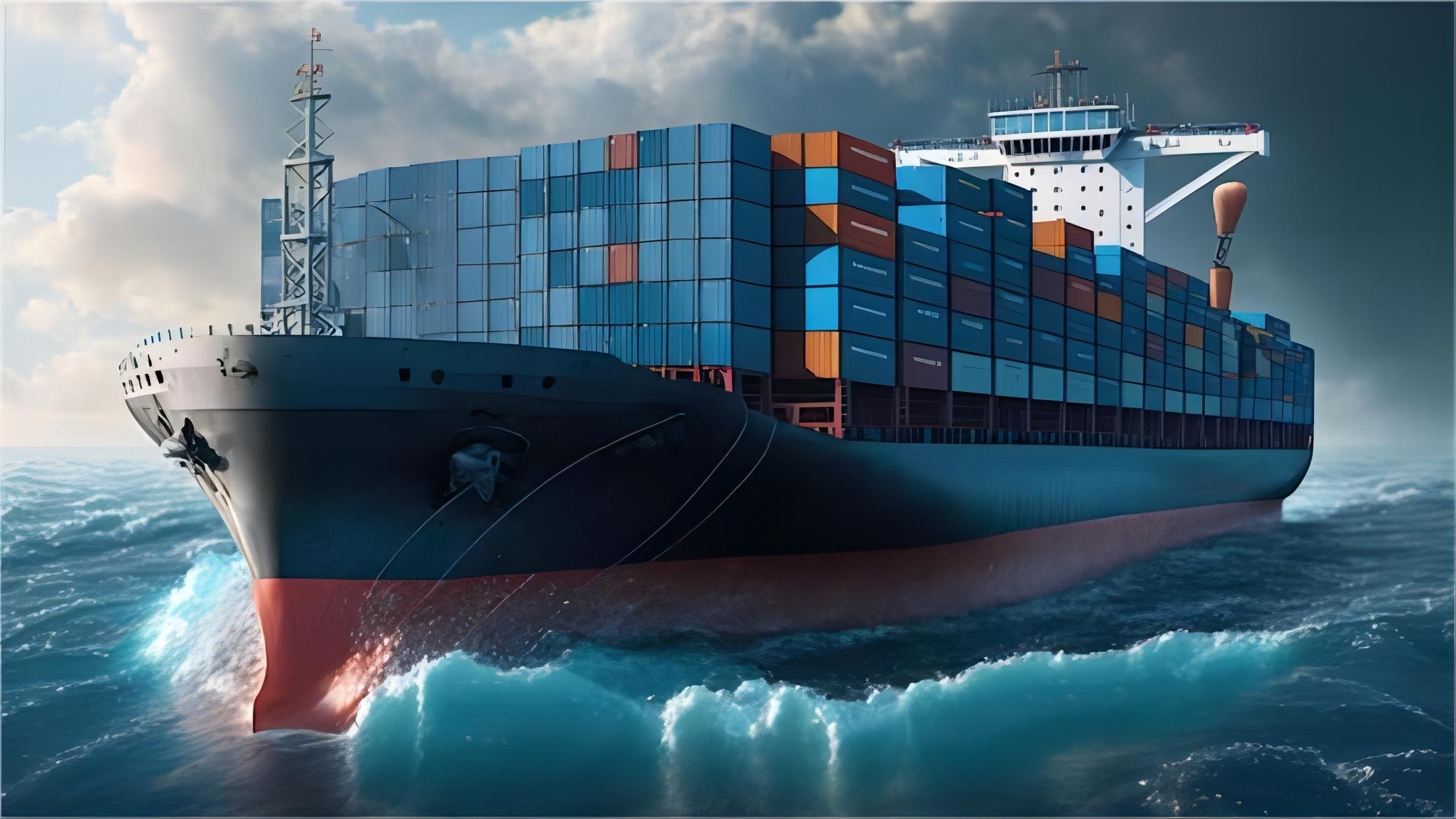
Choosing the right partner ensures that your goods arrive on time and within budget. Moreover, experienced freight forwarders leverage their relationships with major carriers like COSCO and Maersk to secure better rates. In addition, they offer real-time tracking and risk management services that protect your investment throughout the 7,000-kilometer journey.
The Importance of Local Expertise
Local knowledge of both Chinese export laws and Australian import requirements is indispensable for smooth operations. Therefore, working with a team that has boots on the ground in major hubs like Shanghai and Melbourne reduces the risk of costly delays. Additionally, they can provide advice on sea freight options that align with your specific delivery schedule.
How Does Sea Freight Compare to Other Shipping Options?
❖Ocean transport remains the backbone of trade between these two nations due to its high capacity and low cost. However, it is essential to compare this method with alternatives like air freight and express services to determine the best fit for your needs. Specifically, sea freight is ideal for bulky items, while air freight serves urgent or high-value shipments.
Market data from early 2026 suggests that sea freight rates have remained relatively stable compared to the volatility seen in previous years. Nevertheless, transit times can vary based on the departure port and the choice of direct or transshipment routes. To illustrate the differences, consider the following comparison of available shipping methods.
| Shipping Method | Cost Range (USD) | Transit Time | Best For |
|---|---|---|---|
| Sea Freight (FCL) | $1,200 – $2,200 | 12-22 Days | Large bulk orders |
| Sea Freight (LCL) | $80 – $150/CBM | 18-28 Days | Small business stock |
| Air Freight | $4.50 – $8.00/kg | 3-7 Days | Urgent electronics |
| Express Service | $7.00 – $12.00/kg | 2-5 Days | Samples and docs |
Understanding 2026 Shipping Costs and Transit Times
❖Calculating the total landed cost requires a deep dive into various factors including fuel surcharges and port fees. Currently, in 2026, freight rates are influenced by environmental regulations and fluctuating energy prices. As a result, businesses must stay informed about seasonal peaks, such as the period leading up to the Lunar New Year, when prices typically spike by 20 percent.
Transit times are equally critical for inventory management and customer satisfaction. While direct routes from Shenzhen to Brisbane might take only 12 days, routes originating from Northern China like Tianjin may require up to 22 days. Accordingly, planning your production cycle around these timelines is vital for maintaining a steady supply chain.
Exploring Air Freight Solutions
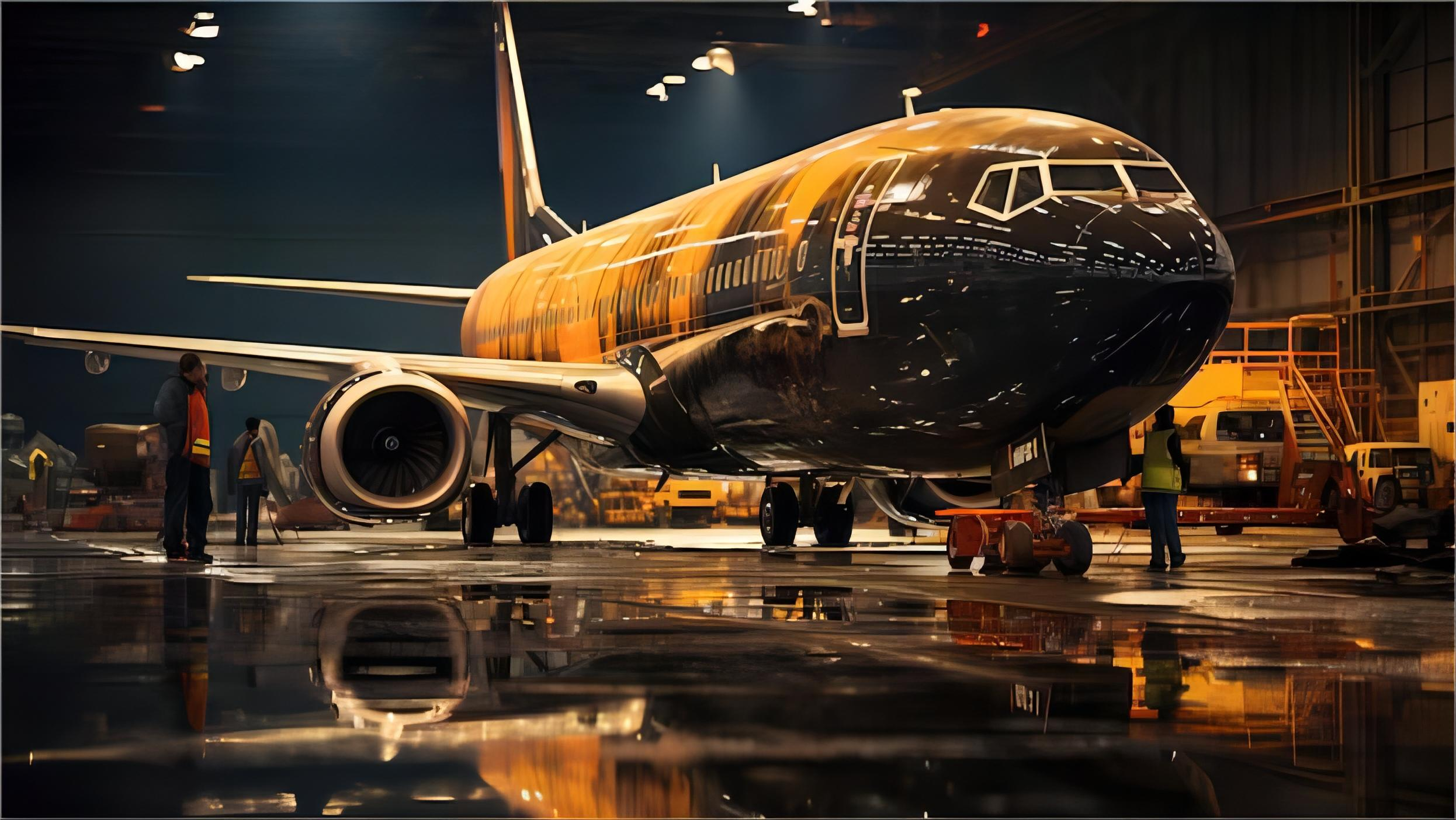
When speed is the primary concern, air freight provides the fastest connection between Chinese manufacturing hubs and Australian markets. Indeed, this method reduces lead times significantly, allowing companies to respond quickly to market trends. Furthermore, air transport offers enhanced security and lower insurance premiums for high-value merchandise.
Navigating Customs Brokerage and Import Regulations
❖Australia has strict biosecurity and customs regulations that can catch unprepared importers off guard. Consequently, utilizing a professional customs brokerage service is essential for ensuring compliance with the Australian Border Force. They handle the complex paperwork, including the Bill of Lading, Commercial Invoice, and Packing List, to prevent cargo seizures.
Proper classification of goods under the Harmonized System (HS) codes determines the amount of duty and GST you must pay. Additionally, certain products may require specific permits or treatments, such as fumigation for timber products. Therefore, your logistics partner should conduct a thorough pre-shipment review to identify potential regulatory hurdles before the cargo leaves China.
| Document Name | Purpose | Required For | Issuer |
|---|---|---|---|
| Bill of Lading | Title of goods | All shipments | Carrier |
| Commercial Invoice | Value declaration | Customs valuation | Exporter |
| Packing List | Cargo details | Inspection | Exporter |
| Certificate of Origin | Duty concessions | ChAFTA claims | Chamber of Commerce |
Door to Door Services: The Ultimate Convenience
❖Many businesses prefer a hands-off approach where the logistics provider manages the entire journey. By choosing door to door services, you eliminate the need to coordinate between multiple agents and trucking companies. In contrast to port-to-port shipping, this comprehensive solution covers everything from factory pickup in China to final delivery at your Australian warehouse.
This model provides a single point of contact, which simplifies communication and problem-solving. Meanwhile, it often results in more predictable pricing as most fees are bundled into a single quote. Consequently, small and medium enterprises find this particularly beneficial for managing their overhead costs without hiring a dedicated logistics department.
Realistic Case Studies of China to Australia Shipments
❖Examining real-world scenarios helps importers understand the practical application of different shipping strategies. These cases reflect actual market conditions as of early 2026 and highlight the importance of choosing the right logistics company China to Australia for specific cargo types. Below are three distinct examples of successful shipments.
Case Study 1: Electronics Distribution. Route: Shenzhen to Sydney. Cargo: 40HQ Container of consumer electronics. Shipping Method: Sea Freight (FCL). Ocean Freight: $1,950. Origin Charges: $350. Destination Charges: $480. Customs and Duties: $4,200. Total Landed Cost: $6,980. Sea Transit: 14 days. Total Door-to-Door: 21 days. Key Insight: Direct sailing from Yantian saved 5 days compared to transshipment.
Case Study 2: Boutique Fashion. Route: Guangzhou to Melbourne. Cargo: 5 CBM of high-end apparel. Shipping Method: Sea Freight (LCL). Ocean Freight: $450. Origin Charges: $150. Destination Charges: $280. Customs and Duties: $1,100. Total Landed Cost: $1,980. Sea Transit: 22 days. Total Door-to-Door: 30 days. Key Insight: Consolidating LCL cargo reduced costs by 40 percent compared to air freight.
Case Study 3: Industrial Machinery. Route: Ningbo to Brisbane. Cargo: 20GP Container of spare parts. Shipping Method: Sea Freight (FCL). Ocean Freight: $1,100. Origin Charges: $300. Destination Charges: $450. Customs and Duties: $2,800. Total Landed Cost: $4,650. Sea Transit: 18 days. Total Door-to-Door: 26 days. Key Insight: Utilizing ChAFTA documentation reduced import duties to zero percent.
Decision Framework: Which Option Should You Choose?
❖Selecting the optimal shipping method requires balancing budget, speed, and cargo volume. If your priority is budget, sea freight is the clear winner for shipments over 2 CBM. However, if you are moving perishable goods or urgent replacements, the higher cost of air freight is a necessary investment to prevent business downtime.
Volume thresholds often dictate the switch from LCL to FCL shipping. Generally, once your shipment exceeds 15 CBM, booking a full 20GP container becomes more economical than paying per cubic meter for shared space. Furthermore, consider the nature of your cargo; fragile items often benefit from the reduced handling associated with FCL or air freight options.
Optimizing Your Australian Strategy
To maximize efficiency, businesses should look at shipping from China to Australia through a holistic lens. This involves evaluating hybrid solutions, such as sea-air combinations, for mid-range urgency. Additionally, implementing a robust inventory management system allows for longer lead times, enabling more frequent use of cost-effective sea routes.
Market Intelligence and 2026 Logistics Trends
❖As of the second quarter of 2026, the logistics landscape is characterized by increased digitalization and a focus on sustainability. Many carriers are now implementing carbon surcharges, which adds a new layer to cost calculations. Consequently, a forward-thinking logistics company China to Australia will offer green shipping options and digital transparency tools for their clients.
Technological advancements have also improved port efficiency in both Shanghai and Sydney. Automated terminals and blockchain-based documentation are reducing the time cargo spends in port by an average of 15 percent. Therefore, staying updated on these trends helps you select a partner that utilizes modern tools to streamline your supply chain and reduce hidden costs.
Cost-Saving Strategies for Australian Importers
❖Reducing your freight spend requires a proactive approach to procurement and shipping. For instance, negotiating annual contracts with your logistics provider can lock in lower rates during peak seasons. Moreover, optimizing your packaging to reduce wasted space within a container can lead to significant savings over multiple shipments.
Another effective strategy involves consolidating orders from multiple Chinese suppliers into a single FCL shipment. This reduces the per-unit shipping cost and simplifies the customs clearance process in Australia. Additionally, choosing off-peak departure dates can help you avoid the congestion surcharges that often apply during the busy months of September and October.
The Role of Technology in Modern Freight Forwarding
❖Digital platforms have revolutionized how businesses interact with their logistics company China to Australia. Today, importers can access instant quotes, book shipments, and track cargo in real-time through intuitive dashboards. Furthermore, AI-driven analytics help predict potential delays, allowing for more agile decision-making when disruptions occur.
Electronic Data Interchange (EDI) systems ensure that customs documentation is processed accurately and swiftly. This technology minimizes human error, which is a leading cause of customs delays and fines. Consequently, partnering with a tech-savvy freight forwarder provides a competitive edge in the fast-paced Australian retail and industrial markets.
Mastering Your Logistics from China to Australia
Successfully managing international trade requires a combination of strategic planning and expert execution. By selecting a dedicated logistics company China to Australia, you gain access to the resources and knowledge needed to navigate the complexities of global shipping. Whether you choose sea freight for its cost-effectiveness or air freight for its speed, the right partner ensures your business remains competitive in 2026.
To summarize, focus on clear communication, thorough documentation, and proactive risk management. As market conditions evolve, staying informed about transit times and regulatory changes will help you maintain a resilient supply chain. Start optimizing your freight strategy today to achieve long-term growth and operational excellence in the Australian market.
Ready to streamline your logistics?
Streamline your supply chain today by partnering with a premier logistics company China to Australia. Our team provides tailored solutions to reduce your shipping costs and ensure timely delivery. Contact us now for a personalized freight quote and experience the difference of professional cargo management. Send Inquiry: https://topchinacargo.com/contact-us/
Request Quote