

Customs Clearance Australia Imports from China: 2026 Guide
Navigating customs clearance australia imports from china requires precision and up-to-date knowledge of 2026 regulations. Importers often face challenges with documentation and duty calculations that lead to costly delays. This guide provides a comprehensive roadmap to streamline your logistics and ensure compliance in the current market.

Why Customs Clearance Australia Imports from China is Critical
Professional handling of your cargo at the border ensures that your business avoids unnecessary fines and storage fees. Furthermore, the Australian Border Force maintains strict standards for all incoming shipments to protect the local economy and environment.
Understanding these regulations is the first step toward a successful supply chain operation between these two major trading partners. Consequently, many businesses choose to partner with experts who specialize in the intricacies of the Australian market.
Moreover, the implementation of the China-Australia Free Trade Agreement (ChAFTA) has significantly altered the landscape for duties and taxes. Therefore, staying informed about the latest tariff codes and concession schemes is vital for maintaining a competitive edge in 2026.
Essential Documents for Customs Clearance Australia Imports from China
Documentation serves as the backbone of the entire import process and must be accurate to prevent cargo holds. In addition, using a professional customs brokerage service can help verify that every form meets the latest 2026 standards.
Specifically, the Commercial Invoice and Packing List must match the physical cargo exactly to avoid discrepancies during inspection. However, even small errors in weight or value reporting can lead to significant delays at the Port of Melbourne or Sydney.
Meanwhile, the Certificate of Origin remains the most important document for claiming preferential tariff rates under ChAFTA. Indeed, without this specific document, importers may be forced to pay the full general duty rate, which increases the total landed cost.
| Document Name | Primary Purpose | Issuer | Criticality |
|---|---|---|---|
| Commercial Invoice | Details value and cargo | Supplier | Mandatory |
| Packing List | Specifies contents/weight | Supplier | Mandatory |
| Bill of Lading | Title of goods/contract | Carrier | Mandatory |
| COO (ChAFTA) | Duty reduction/exemption | CCPIT | Optional/Advised |
How Does Sea Freight Compare to Other Shipping Options?
Choosing the right transport mode is a strategic decision that balances cost against the urgency of your inventory needs. While sea freight is the most common method for bulk imports, it is not the only solution available in 2026.
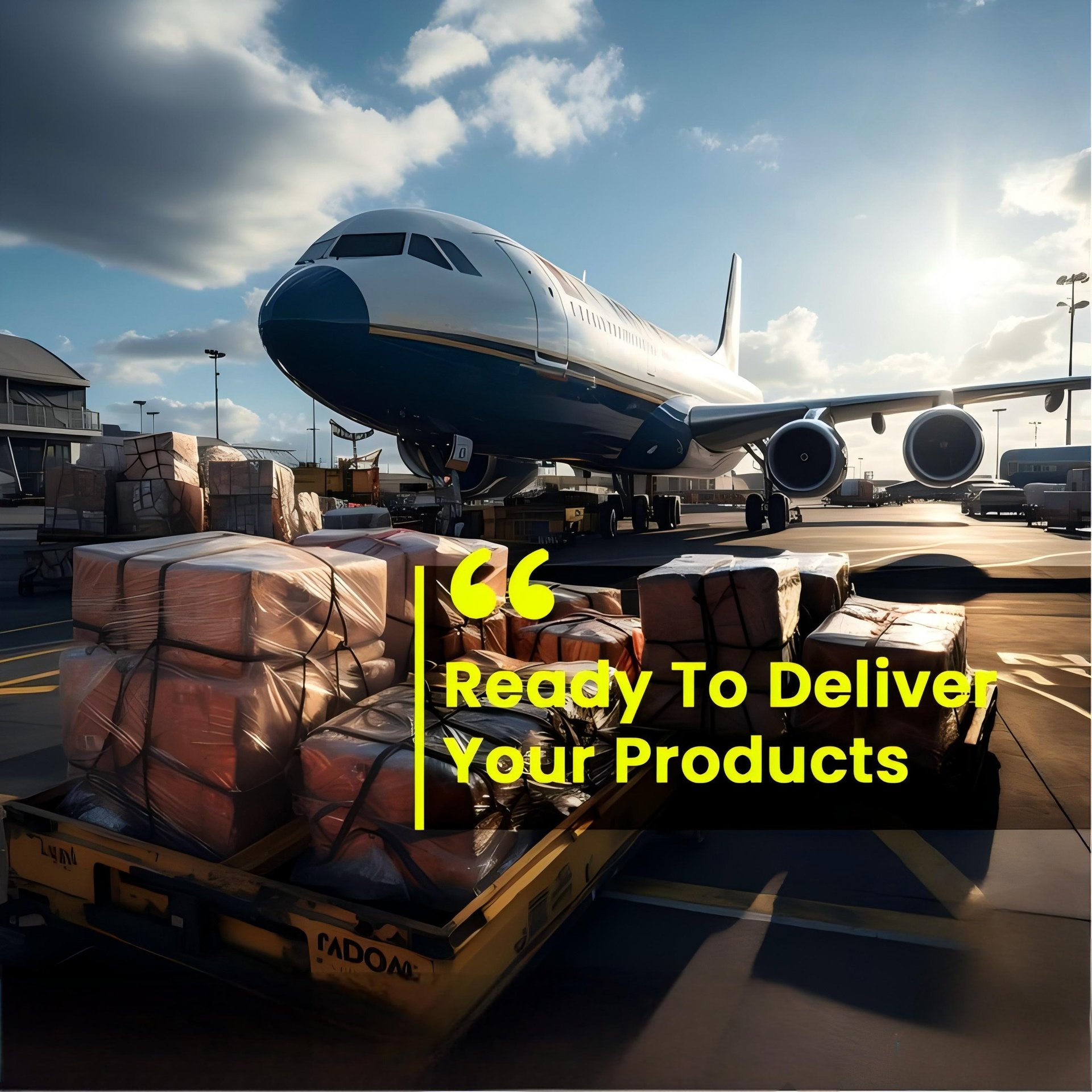
For instance, air freight offers unparalleled speed for high-value or perishable items that cannot withstand long transit times. On the other hand, the cost per kilogram for air transport is significantly higher than ocean shipping, which impacts your profit margins.
Additionally, many importers are now looking at hybrid solutions to optimize their logistics spend while maintaining reasonable delivery schedules. To summarize, the best choice depends on your specific cargo volume, budget constraints, and the required delivery date.
| Shipping Method | Cost Range (2026) | Transit Time | Best Application |
|---|---|---|---|
| Sea Freight (FCL) | $1,400 – $2,200 | 12-18 Days | Large volumes |
| Sea Freight (LCL) | $60 – $110/CBM | 15-22 Days | Small shipments |
| Air Freight | $4.50 – $8.50/kg | 3-7 Days | Urgent/High-value |
| Express Service | $9.00 – $14.00/kg | 2-5 Days | Samples/Documents |

Calculating Taxes and Duties for Australian Imports
Importers must account for both Customs Duty and Goods and Services Tax (GST) when planning their procurement budget. As a result, the total landed cost of goods from China is often 10-15 percent higher than the initial purchase price.
Notably, most goods imported from China qualify for zero duty under ChAFTA, provided the correct documentation is submitted. Nevertheless, the 10 percent GST is still applicable to the Value of the Taxable Importation (VoTI) in almost all scenarios.
Accordingly, calculating these costs accurately requires a deep understanding of the Harmonized System (HS) codes. For example, misclassifying a product can lead to overpayment of taxes or legal penalties from the Australian Border Force.
Alternative Strategies for Customs Clearance Australia Imports from China
Reliable logistics planning involves evaluating different strategies to find the most efficient path for your specific cargo. For small businesses, using an air freight service might be more viable for maintaining low inventory levels.
Conversely, larger enterprises often benefit from Full Container Load (FCL) shipping to achieve the lowest possible cost per unit. Without a doubt, the choice between FCL and Less than Container Load (LCL) is one of the most critical decisions for sea-bound cargo.
Furthermore, considering a shipping from china to australia direct route versus transshipment through Singapore can save several days of transit time. Although transshipment is sometimes cheaper, the risk of delays at secondary ports is significantly higher in the 2026 market.
Decision Framework: Which Option Should You Choose?
Budget priority dictates that sea freight remains the primary choice for most non-urgent commercial goods. If your priority is speed, then door to door air express is the most effective way to move products quickly.
Cargo type considerations also play a major role, as hazardous materials or oversized machinery require specialized handling and specific port facilities. Indeed, some ports in Australia are better equipped for certain types of cargo than others.
Finally, volume thresholds often determine when it is more economical to switch from LCL to a full 20GP container. Generally, once your shipment exceeds 15 cubic meters, FCL becomes the more cost-effective and secure option for your business.
Real Case Studies of Australian Imports
Case Study 1: Electronics from Shenzhen to Melbourne. Cargo: Consumer electronics, 12 CBM, 2,500 kg. Method: Sea Freight LCL. Ocean Freight: $950. Origin Charges: $320. Destination Charges: $450. Customs and Duties: $0 (ChAFTA). Total Landed Cost: $1,720. Sea Transit: 16 days. Total Door-to-Door: 24 days. Key Insight: Proper ChAFTA documentation saved the importer 5 percent in duties.
Case Study 2: Furniture from Foshan to Sydney. Cargo: Home furniture, 1 x 40HQ Container. Method: Sea Freight FCL. Ocean Freight: $1,850. Origin Charges: $400. Destination Charges: $600. Customs and Duties: $0 (ChAFTA). Total Landed Cost: $2,850. Sea Transit: 14 days. Total Door-to-Door: 21 days. Key Insight: Direct sailing from Nansha to Sydney reduced transit time by 5 days compared to transshipment.
Note: Freight rates are subject to change based on fuel costs, carrier capacity, and seasonal demand. Contact us for a current quote tailored to your specific shipment.
Final Thoughts on Australian Import Logistics
Successfully managing customs clearance australia imports from china is a multi-faceted process that requires attention to detail and proactive planning. By understanding the documentation requirements and choosing the right shipping method, you can significantly reduce your operational risks.
Ultimately, the goal is to create a seamless flow of goods that supports your business growth in the competitive Australian market. Whether you choose sea, air, or express services, working with a reliable partner ensures that your cargo reaches its destination on time and within budget.
Start Your Shipment
Streamline your supply chain today by partnering with the experts at Top China Cargo. Our team ensures that your customs clearance australia imports from china are handled with precision and speed. Contact us now to receive a customized quote and expert guidance for your next shipment. Visit our website to learn more about our comprehensive logistics solutions.
Request Quote