

China to France LCL Consolidation Freight Service Guide 2026
“Navigating the complexities of international trade requires a reliable China to France LCL consolidation freight service to maintain a competitive edge. Many businesses struggle with the high costs of shipping small volumes, yet consolidated solutions offer a strategic way to share container space and reduce overhead. At Top China Cargo, we streamline your logistics by grouping your goods with others, ensuring you only pay for the volume you actually use. This professional approach addresses the pain points of expensive air freight and underutilized full containers, providing a balanced solution for modern importers.”
What is China to France LCL Consolidation Freight Service?
❖Understanding the mechanics of Less than Container Load (LCL) is essential for any business importing smaller quantities of goods from Asian manufacturing hubs. Specifically, this method involves merging multiple shipments from different suppliers into a single shipping container at a container freight station.
Freight forwarders manage this entire process, ensuring that every cubic meter of space is utilized efficiently to keep individual costs low. Consequently, even small enterprises can access the same global shipping lanes as major corporations without needing to fill a 40-foot container.
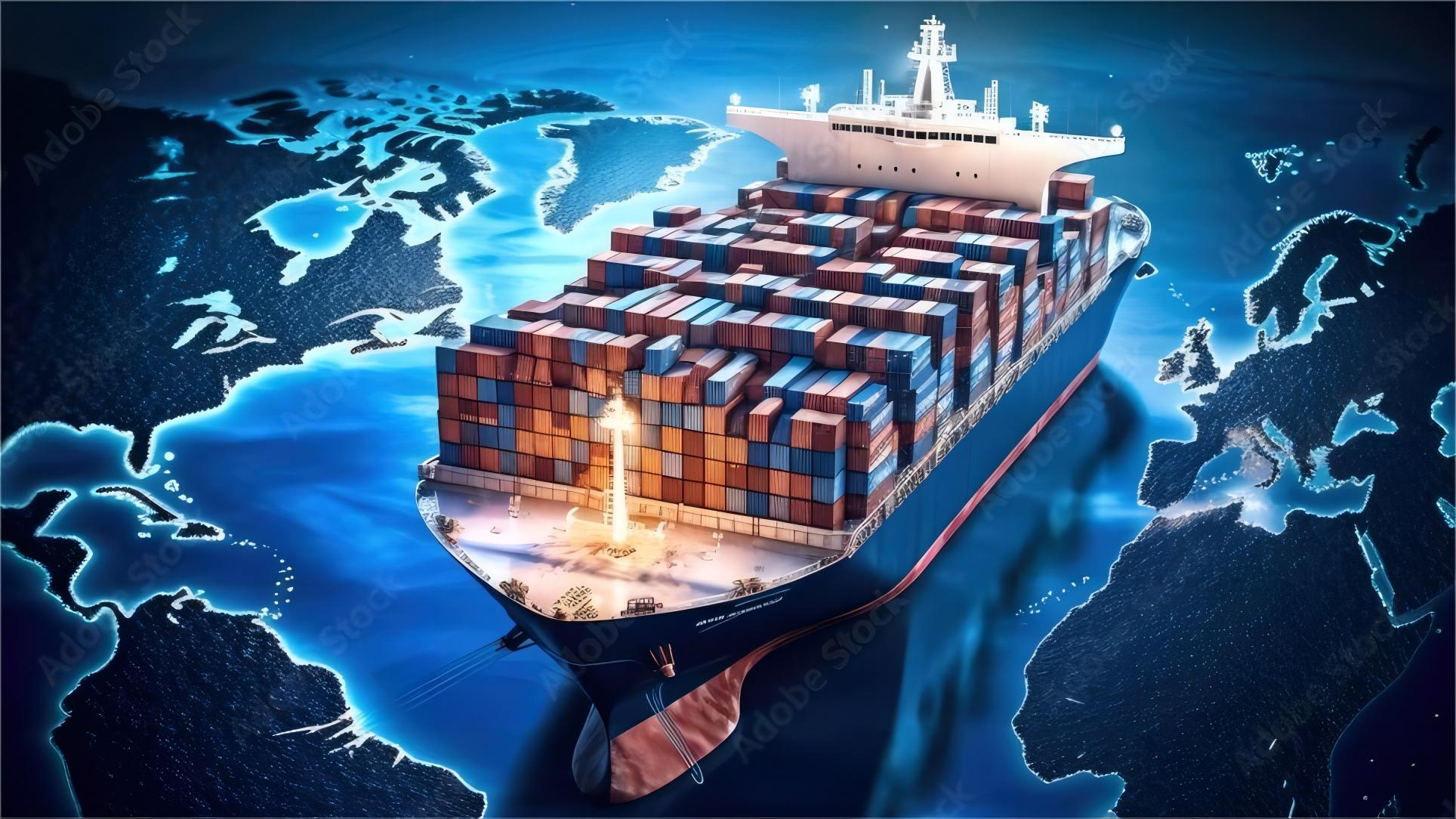
Meanwhile, the consolidation process in 2026 has become more technologically advanced, allowing for real-time tracking of individual pallets within a shared box. This ensures that your specific cargo remains secure and identifiable throughout its journey to French ports like Le Havre or Marseille.
Why Choose LCL Over FCL for France Shipments?
❖Businesses often face the dilemma of choosing between LCL and Full Container Load (FCL) when planning their inventory cycles. While FCL offers a dedicated space, it often results in paying for ‘dead air’ if your shipment does not occupy the entire container volume.
Choosing sea freight in an LCL format allows you to maintain a leaner inventory by shipping more frequently in smaller batches. Therefore, you can avoid the high warehousing costs associated with storing massive bulk orders that arrive all at once.
Furthermore, LCL shipping provides the flexibility to scale your operations based on seasonal demand without committing to large capital expenditures for shipping space. This adaptability is particularly crucial in the volatile market environment of 2026.
How Does China to France LCL Consolidation Freight Service Compare to Other Shipping Options?
❖Analyzing the various logistics channels is vital for determining the most cost-effective route for your specific cargo type. While sea-based LCL is the most common choice, alternatives like air and rail offer different trade-offs between speed and expense.
However, for most consumer goods and industrial components, the China to France LCL consolidation freight service remains the gold standard for balancing budget and reliability. In contrast, air freight might be ten times more expensive, making it viable only for high-value or extremely urgent items.
Additionally, hybrid solutions such as sea-air or rail-sea combinations have emerged as popular middle-ground strategies in 2026. These methods attempt to bypass port congestion while keeping costs significantly lower than pure air transport.
| Shipping Method | Cost Range | Transit Time | Best For |
|---|---|---|---|
| LCL Sea Freight | $60 – $130 per CBM | 35 – 45 Days | Small/Medium volumes |
| Air Freight | $5.00 – $9.50 per kg | 4 – 8 Days | Urgent/High value |
| Rail Freight LCL | $140 – $220 per CBM | 18 – 26 Days | Time-sensitive cargo |
| FCL Sea Freight | $3,200 – $4,800 per 40HQ | 32 – 40 Days | Large bulk shipments |
Transit Times and Major Routes for French Imports
❖Shipping routes from China to France typically originate from major coastal hubs like Shanghai, Ningbo, Shenzhen, and Qingdao. Depending on the specific port of loading, the journey through the Suez Canal generally takes between five and seven weeks for LCL shipments.
Moreover, the use of rail freight as an alternative has stabilized in 2026, offering a faster overland route to European rail terminals. Once the train reaches hubs like Duisburg or Lyon, the goods are deconsolidated and delivered via truck to their final destination.
Consequently, importers must factor in the ‘deconsolidation time’ at the destination port, which can add 3 to 5 days to the total transit period. Planning for these minor delays ensures that your supply chain remains resilient and your customers stay informed about delivery dates.
Essential Customs Documents for Importing to France
❖Navigating the French customs landscape requires meticulous attention to detail and a complete set of accurate documentation. Indeed, missing or incorrect paperwork is the leading cause of delivery delays and unexpected storage fees at the port of discharge.
Securing a professional customs brokerage service ensures that your LCL shipment complies with all EU regulations and French-specific tax requirements. For instance, you will need a commercial invoice, a packing list, and a Bill of Lading to begin the clearance process.
Additionally, certain products may require specialized certificates, such as CE marking for electronics or phytosanitary certificates for organic materials. Maintaining a digital archive of these documents allows for faster processing through the French customs portal.
| Document Name | Purpose | Required By | Format |
|---|---|---|---|
| Commercial Invoice | Value declaration | Customs/Tax | Digital/Paper |
| Packing List | Content verification | Port Authorities | Digital |
| Bill of Lading | Title of goods | Carrier/Bank | Original/Telex |
| EORI Number | EU Trader ID | French Customs | Registration |
Understanding LCL Shipping Costs and Fees in 2026
❖Pricing for a China to France LCL consolidation freight service is primarily calculated based on volume, measured in cubic meters (CBM). Nevertheless, it is important to remember that carriers use a ‘weight or measure’ rule, meaning heavy cargo might be billed based on weight equivalents.
Market rates in early 2026 have shown moderate fluctuations due to varying fuel surcharges and seasonal demand spikes during the summer months. Specifically, you should expect to see higher rates during the peak season from August to October as retailers prepare for the winter holidays.
Note: Freight rates are subject to change based on fuel costs, carrier capacity, and seasonal demand. Contact us for a current quote tailored to your specific shipment.
Real Case Studies: China to France Success Stories
❖Examining real-world examples provides a clearer picture of how LCL consolidation works in practice for various industries. These scenarios highlight the cost savings and transit efficiencies achieved through professional logistics management in the current market.
Case Study 1: Electronics to Paris. Route: Shenzhen to Le Havre. Cargo: 3.5 CBM of smart home devices. Shipping Detail: Major carrier via Suez Canal. Total Landed Cost: $1,450 including local charges. Transit Time: 41 days. Key Insight: Consolidating multiple small orders from three Shenzhen suppliers saved the client 40% compared to individual express shipments.
Case Study 2: Textiles to Marseille. Route: Ningbo to Fos-sur-Mer. Cargo: 7 CBM of organic cotton apparel. Shipping Detail: Direct sea service. Total Landed Cost: $1,980. Transit Time: 37 days. Key Insight: Using LCL allowed the brand to launch their spring collection on time without the risk of overstocking a full container.
Case Study 3: Industrial Parts to Lyon. Route: Shanghai to Lyon. Cargo: 2 CBM of precision valves. Shipping Detail: Rail freight consolidation. Total Landed Cost: $890. Transit Time: 24 days. Key Insight: Rail LCL provided the perfect balance of speed and cost for a critical manufacturing deadline.
Which Option Should You Choose for Your Business?
❖Selecting the right shipping strategy depends on your specific priorities regarding budget, speed, and the nature of your cargo. If your primary goal is cost reduction and your lead times are flexible, the standard sea-based China to France LCL consolidation freight service is unbeatable.
On the other hand, if you are dealing with perishable goods or urgent replacement parts, air freight remains the only viable choice despite the premium price. For those seeking a middle ground, rail freight offers a significant time saving over sea transport for a manageable increase in cost.
Utilizing a door to door service can further simplify the process by handling the final mile delivery from the French warehouse to your doorstep. This comprehensive approach minimizes the risk of damage during multiple handling stages and provides a single point of contact for your entire shipment.
Mastering Your China to France Logistics
To summarize, leveraging a China to France LCL consolidation freight service is a powerful strategy for businesses looking to optimize their international supply chains in 2026. By sharing container space, importers can significantly reduce their shipping costs while maintaining the flexibility to ship smaller, more frequent batches of inventory.
Furthermore, understanding the nuances of transit times, customs documentation, and alternative shipping methods like rail or air is crucial for making informed decisions. Professional logistics partners provide the expertise needed to navigate these complexities, ensuring that your goods move efficiently from Chinese factories to French markets.
Ultimately, the right choice depends on your specific business needs, but the cost-effectiveness and reliability of LCL consolidation make it a foundational tool for modern global trade. Start planning your next shipment with confidence and watch your business grow through smarter shipping solutions.

Ready to streamline your logistics?
Take control of your logistics today by requesting a personalized quote for your next China to France LCL consolidation freight service. Our experts are ready to help you optimize your shipping costs and ensure your cargo arrives safely and on schedule. Visit our website to learn more about our comprehensive freight solutions and start saving on your international trade operations.
Request Quote