

Export Logistics China to Germany Shipping Solution: 2026 Guide
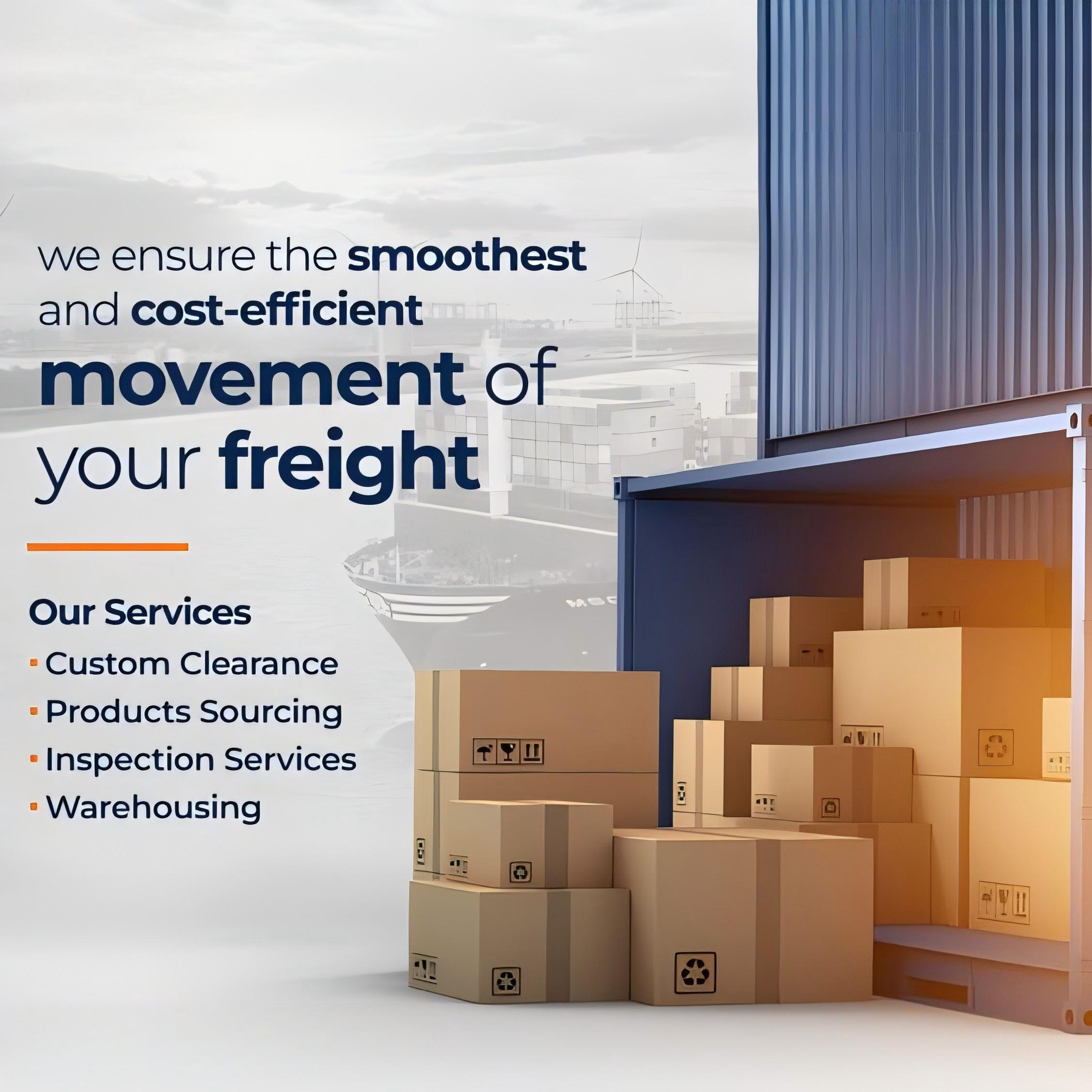
Export logistics china to Germany shipping solution serves as the vital artery for global trade between these two manufacturing powerhouses. Navigating the complexities of international trade requires a partner that understands the nuances of modern supply chains. By choosing Top China Cargo, businesses can streamline their operations and ensure timely delivery across the European continent. This comprehensive guide outlines the most efficient strategies for moving goods in the current 2026 market landscape.
Understanding the Export Logistics China to Germany Shipping Solution
Global trade dynamics in 2026 demand more than just simple transport; they require a holistic approach to supply chain management. Germany remains the primary economic engine of Europe, making it a critical destination for Chinese manufactured goods ranging from electronics to heavy machinery. Consequently, selecting the right shipping method involves balancing budget constraints with urgent delivery schedules.
Moreover, the logistical landscape has shifted toward more integrated digital tracking and sustainable transport options. Businesses must now consider not only the price but also the environmental impact and reliability of their chosen routes. Therefore, understanding the diverse options available is the first step toward optimizing your international trade operations.
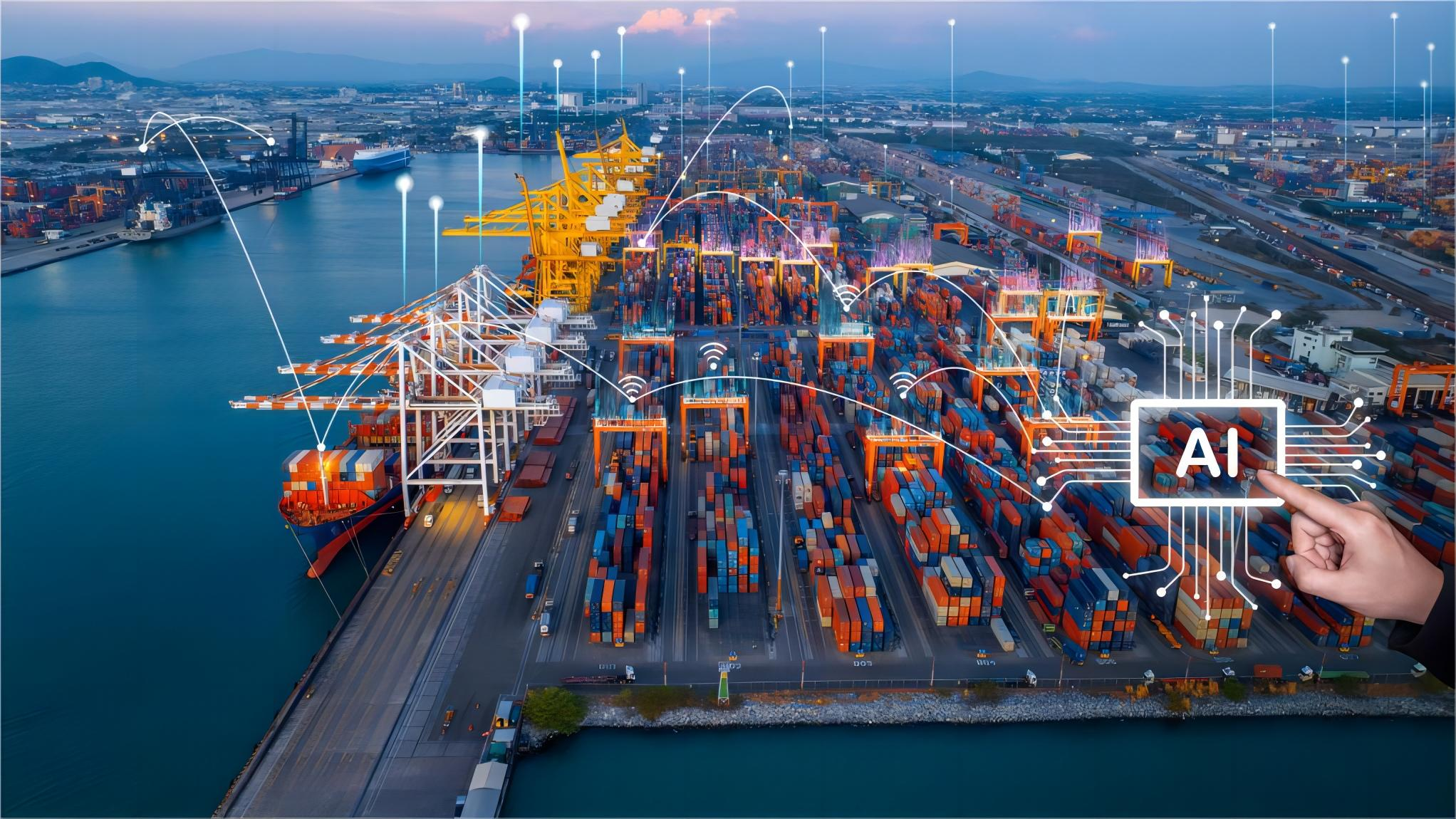
Additionally, the rise of e-commerce has accelerated the need for faster fulfillment and more transparent shipping processes. This evolution has led to the development of sophisticated multimodal solutions that combine the strengths of different transport modes. Specifically, the integration of smart logistics technology allows for real-time monitoring of cargo as it moves from Shenzhen to Hamburg.
Sea Freight Strategies for High-Volume Shipments
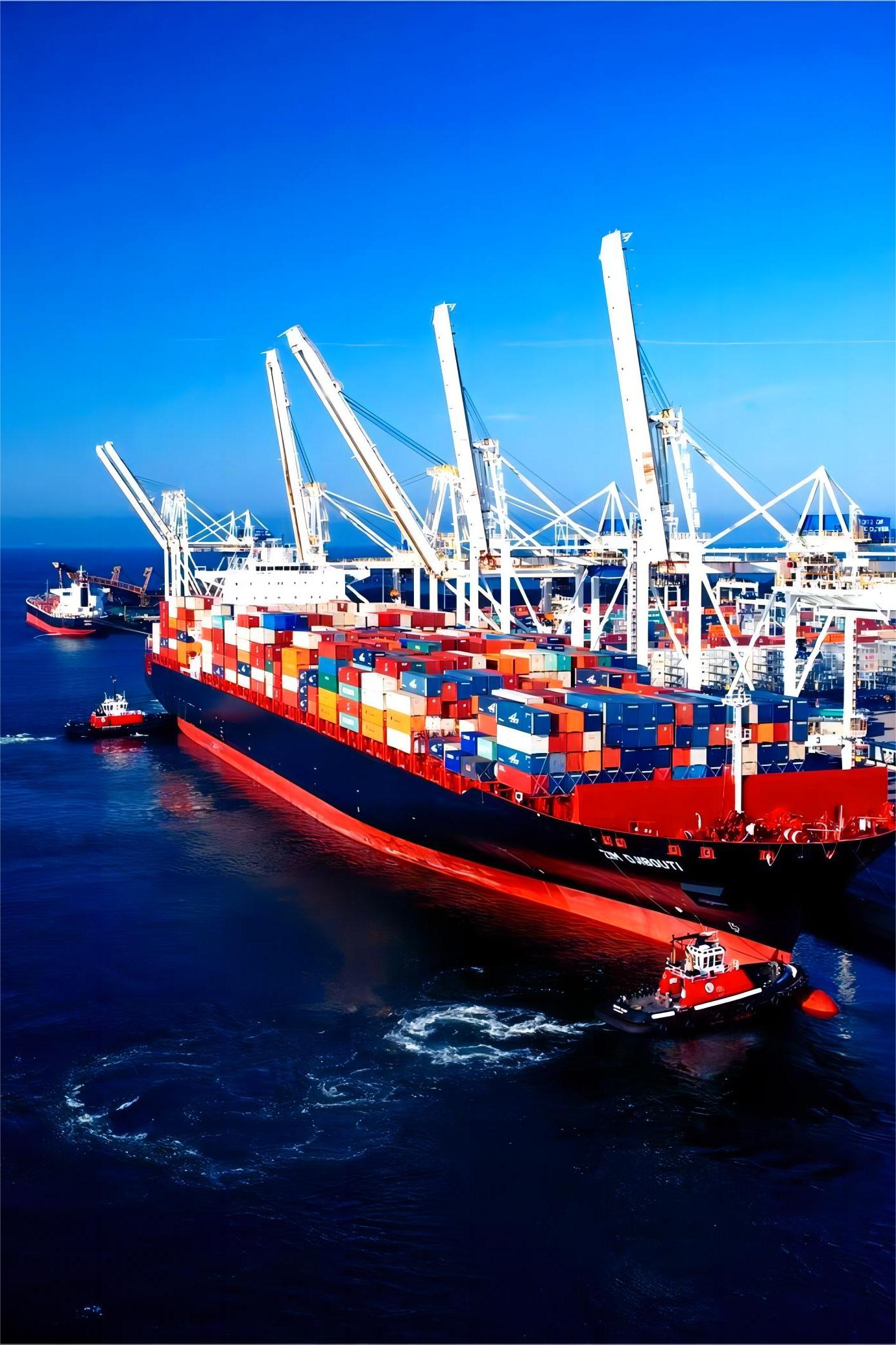
Ocean transport remains the most cost-effective sea freight option for businesses moving large quantities of goods. As of early 2026, sea freight rates have stabilized, providing a predictable foundation for long-term supply chain planning. Most shipments originate from major Chinese hubs like Shanghai, Ningbo, or Shenzhen, heading toward German ports such as Hamburg or Bremerhaven.
Furthermore, shippers must choose between Full Container Load (FCL) and Less than Container Load (LCL) based on their specific cargo volume. FCL is ideal for those who can fill a 20ft or 40ft container, offering better security and faster handling at the port. Conversely, LCL allows smaller businesses to share container space, significantly reducing costs for shipments that do not justify a full container.
Notably, transit times for sea freight typically range from 30 to 45 days depending on the specific route and carrier. While this is the slowest method, the low cost per unit makes it the preferred choice for non-urgent commodities. Many companies utilize this time to manage their inventory levels effectively, ensuring a steady flow of products into the German market.
Rail Freight: The Middle Path for Modern Supply Chains
The expansion of the Silk Road Economic Belt has made rail freight a highly attractive alternative to traditional sea and air transport. This method offers a perfect balance between speed and cost, typically delivering goods in about 15 to 22 days. As we move through 2026, the rail network has become more robust, with frequent departures from cities like Xi’an and Chengdu directly to Duisburg or Hamburg.
Consequently, rail transport is particularly suitable for high-value industrial equipment and seasonal consumer goods that cannot wait for sea transit. It provides a significant reduction in lead time compared to ocean freight while remaining much cheaper than air transport. Additionally, rail freight is often cited as a more eco-friendly option, appealing to companies with strict sustainability goals.
However, shippers should remain aware of potential geopolitical factors that can influence rail route availability. Despite these challenges, the efficiency of trans-Eurasian rail corridors continues to improve, with simplified border crossings and enhanced container tracking. This reliability makes rail a cornerstone of any modern export logistics china to Germany shipping solution.
Air Freight Solutions for Urgent Cargo
When time is the most critical factor, air freight provides the fastest possible connection between China and Germany. High-value electronics, pharmaceutical products, and urgent spare parts are the primary candidates for this premium service. Typically, air cargo can reach major German airports like Frankfurt or Munich within 3 to 7 days, including handling and customs.
Moreover, the safety and security of air transport are unparalleled, minimizing the risk of damage or theft during transit. Although the costs are higher, the reduction in inventory holding costs and the ability to respond quickly to market demand often justify the investment. In 2026, air freight capacity has expanded, offering more flexible scheduling for global businesses.
Furthermore, choosing air freight allows for more frequent, smaller shipments, which can improve cash flow for many enterprises. By reducing the capital tied up in large ocean-bound shipments, companies can remain more agile in a competitive market. Air freight remains the gold standard for reliability in the export logistics china to Germany shipping solution.
How Does Sea Freight Compare to Other Shipping Options?
Objective analysis of shipping methods is essential for making informed logistics decisions. While sea freight is the budget leader, rail and air options offer distinct advantages in terms of speed and cargo safety. A hybrid approach, such as sea-air or rail-sea, can sometimes provide a optimized balance for specific business needs.
Furthermore, the choice often depends on the total landed cost rather than just the freight rate. Factors such as insurance, warehouse fees, and the cost of capital must be factored into the final decision. The table below provides a clear comparison of the primary methods available for the China-to-Germany route in 2026.
| Shipping Method | Cost Range (Approx) | Transit Time | Best For | Limitations |
|---|---|---|---|---|
| Sea Freight (FCL) | $3,000 – $4,500 | 30-45 Days | Bulk & Heavy Goods | Slowest transit |
| Rail Freight | $5,000 – $7,500 | 15-22 Days | Industrial Parts | Route sensitivity |
| Air Freight | $5 – $9 per kg | 3-7 Days | High-value goods | Highest cost |
| Express | $8 – $12 per kg | 2-5 Days | Samples/Small parcels | Weight limits |
Navigating German Customs and Documentation Requirements
Successful delivery in Germany depends heavily on efficient customs brokerage and accurate documentation. German customs authorities are known for their precision, requiring all paperwork to be perfectly in order to avoid delays or fines. Essential documents include the Commercial Invoice, Packing List, Bill of Lading, and a valid EORI number for the importer.
Additionally, understanding the specific Harmonized System (HS) codes for your products is crucial for determining the correct duty and tax rates. In 2026, many customs processes have been digitized, allowing for faster pre-clearance of goods before they even arrive at the port. This digital integration helps prevent bottlenecks at major entry points like Hamburg or Frankfurt.
Moreover, businesses should be aware of Value Added Tax (VAT) regulations in the European Union. Properly managing the Import VAT and ensuring compliance with German tax laws is a vital part of the export logistics china to Germany shipping solution. Professional customs agents can provide invaluable assistance in navigating these complex regulatory environments.
Which Option Should You Choose? Decision Framework
Selecting the right shipping method requires a strategic evaluation of your business priorities. If your primary goal is cost reduction and your cargo is not time-sensitive, sea freight is the obvious choice. However, if you are launching a new product or dealing with a stockout, the speed of air freight may be worth the additional expense.
Furthermore, for many mid-sized shipments, a door to door service via rail provides the best overall value. This option simplifies the logistics chain by handling everything from the factory floor in China to the warehouse in Germany. The following criteria can help you decide which path to take for your 2026 shipments.
Specifically, consider the volume thresholds: shipments under 100kg are usually best for express, while those between 100kg and 500kg might suit air freight. For anything larger than 15 CBM, sea freight FCL usually becomes more economical than LCL. Always request a current quote to account for the latest market fluctuations.
Real-World Case Studies for 2026
Examining real-world scenarios provides practical insight into the export logistics china to Germany shipping solution. These examples reflect the current market conditions and costs observed in early 2026. They illustrate how different businesses choose their transport modes based on cargo type and urgency.
Case Study 1: Solar Panel Distribution. Route: Ningbo to Hamburg. Cargo: 40HQ Container of Solar Modules. Method: Sea Freight FCL. Total Landed Cost: $4,200. Transit Time: 38 days. Key Insight: Planning 2 months in advance allowed the client to secure lower off-peak rates.
Case Study 2: Automotive Components. Route: Xi’an to Duisburg. Cargo: 5 CBM of precision engine parts. Method: Rail Freight LCL. Total Landed Cost: $1,850. Transit Time: 19 days. Key Insight: Rail provided the necessary speed to meet assembly line deadlines at 30% of the cost of air freight.
Case Study 3: Consumer Electronics Launch. Route: Shenzhen to Frankfurt. Cargo: 800kg of high-end tablets. Method: Air Freight. Total Landed Cost: $6,800. Transit Time: 5 days. Key Insight: Using air freight ensured the product was in stores for the synchronized global launch date.
Final Thoughts on Shipping from China to Germany
Mastering the export logistics china to Germany shipping solution is essential for any business looking to thrive in the 2026 global market. By understanding the trade-offs between sea, rail, and air freight, you can build a more resilient and cost-effective supply chain. Each method offers unique benefits tailored to different cargo types and delivery requirements.
In conclusion, the key to success lies in careful planning, accurate documentation, and choosing the right logistics partner. Whether you prioritize the low cost of ocean transport or the rapid speed of air freight, staying informed about market trends is vital. We encourage you to evaluate your shipping needs and select the solution that best supports your business growth.
Start Your Shipment
Streamline your international trade today with a customized export logistics china to Germany shipping solution. Contact our expert team at Top China Cargo to receive a competitive quote and optimize your 2026 supply chain performance. Visit our website to learn more about our comprehensive freight services. Visit https://topchinacargo.com/
Request Quote