

Container Shipping China to Germany LCL FCL Service: 2026 Logistics Guide
Successfully managing container shipping China to Germany LCL FCL service requires a deep understanding of modern logistics frameworks and market fluctuations. As we move through 2026, businesses must adapt to shifting global trade routes and evolving port regulations to maintain a competitive edge. Top China Cargo provides the expertise needed to navigate these complexities while ensuring your goods arrive safely and on schedule across the German market.
✦
Understanding the Basics of Container Shipping China to Germany LCL FCL Service
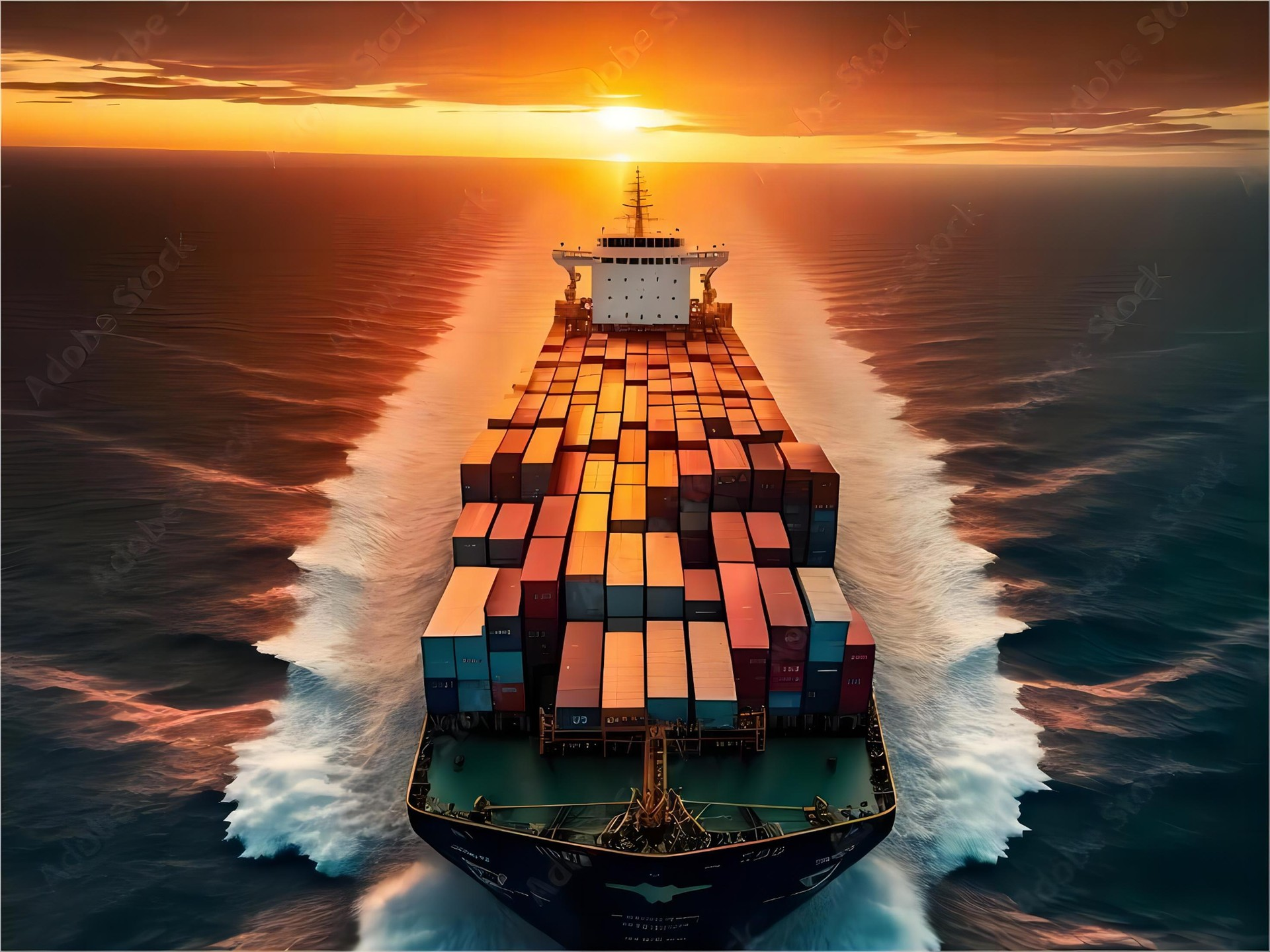
Choosing between different shipment modes is the first step in optimizing your supply chain for the European market. Full Container Load (FCL) involves renting an entire container for your exclusive use, which is ideal for large volume shipments. In contrast, Less than Container Load (LCL) allows multiple shippers to share space within a single container, making it a cost-effective choice for smaller loads.
Moreover, the decision significantly impacts your overall sea freight strategy and total landed cost. Specifically, FCL often provides faster transit times because it avoids the consolidation and deconsolidation processes required for shared containers. However, LCL offers unparalleled flexibility for businesses that do not have enough inventory to fill a 20-foot or 40-foot unit.
Furthermore, modern tracking technology in 2026 allows for precise monitoring of both LCL and FCL shipments throughout their journey. Consequently, importers can better manage their inventory levels and prepare for arrival at major German hubs like Hamburg or Bremerhaven. Understanding these fundamental differences ensures that you select the most appropriate service for your specific cargo requirements.
How Does Container Shipping China to Germany LCL FCL Service Compare to Other Shipping Options?
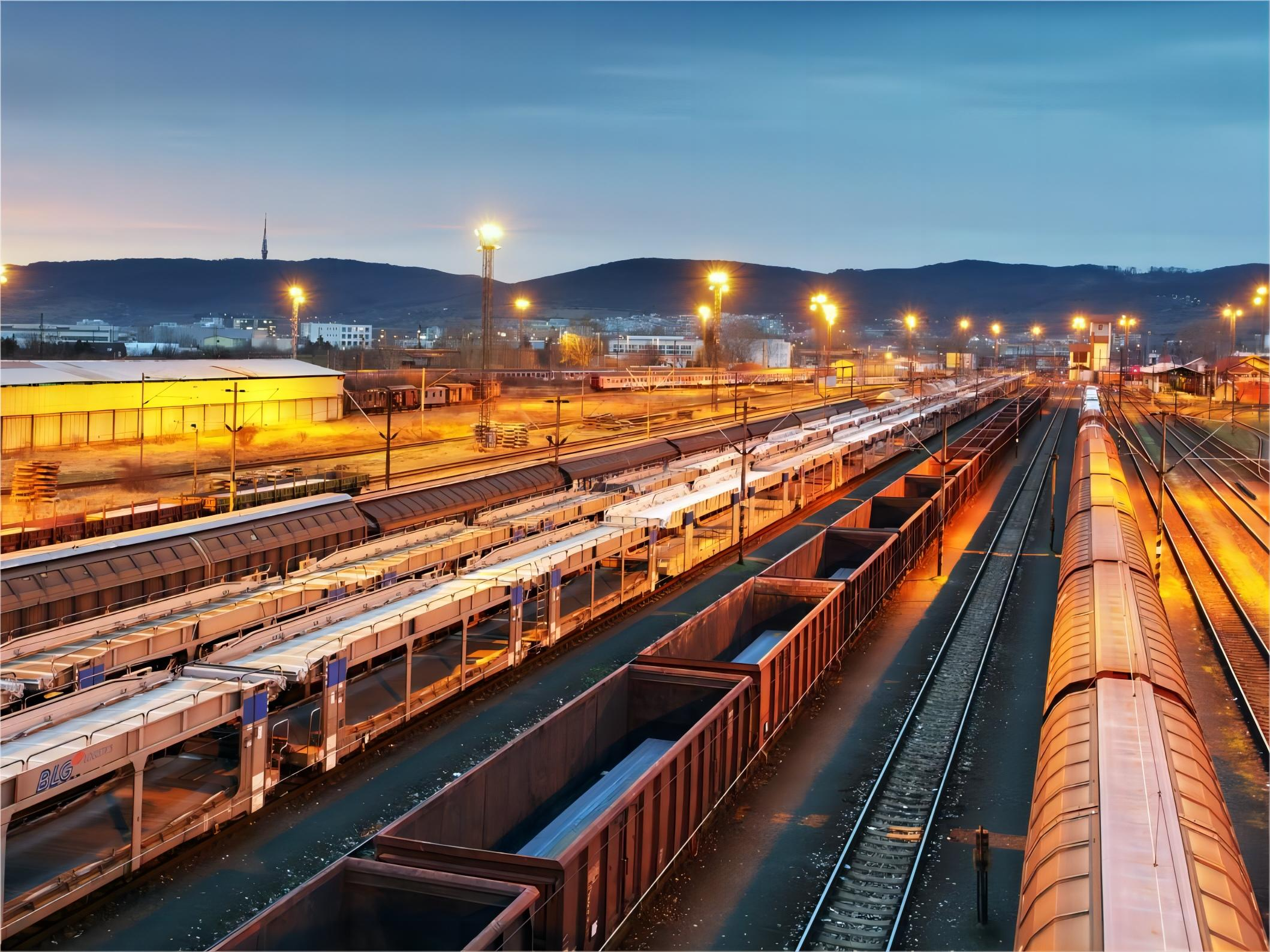
Evaluating alternative transport methods is essential for businesses looking to balance speed and budget. While sea freight remains the most popular choice for bulk goods, other modes offer distinct advantages depending on the urgency of the shipment. For instance, rail freight has become a highly reliable middle-ground option for transcontinental trade.
Additionally, air freight continues to serve as the fastest method for high-value or time-sensitive electronics and automotive components. Nevertheless, the high cost of air transport often makes it prohibitive for large-scale inventory replenishment. Meanwhile, sea-air hybrid solutions are gaining traction as a way to reduce costs while maintaining reasonable delivery windows.
Therefore, comparing these methods side-by-side helps logistics managers make informed decisions based on current market conditions. In 2026, freight rates have stabilized, but capacity fluctuations still occur during peak seasons. Without a doubt, selecting the right mode requires a careful analysis of transit times, costs, and the nature of the cargo being moved.
| Shipping Method | Cost Range (2026) | Transit Time | Best For |
|---|---|---|---|
| Sea Freight (FCL) | $3,200 – $4,800 | 30-40 Days | Bulk goods and large inventory |
| Sea Freight (LCL) | $80 – $160/CBM | 35-45 Days | Small shipments and startups |
| Rail Freight | $4,500 – $6,200 | 18-24 Days | Mid-value goods needing speed |
| Air Freight | $5.50 – $9.50/kg | 5-9 Days | Urgent or perishable items |

What Are the Current Sea Freight Rates for 2026?
Determining the exact cost of container shipping China to Germany LCL FCL service involves several variables including fuel surcharges and seasonal demand. Generally, FCL rates are quoted per container, while LCL rates are calculated based on the volume in cubic meters (CBM). Indeed, the 2026 market shows a trend toward more transparent pricing models compared to previous years.
Consequently, shippers should be aware of various hidden fees such as terminal handling charges and documentation fees. For example, inland haulage costs in both China and Germany can add significantly to the total ocean freight price. Additionally, peak season surcharges typically apply from August through October as retailers prepare for the holiday season.
Accordingly, it is vital to request a comprehensive quote that includes all potential expenses to avoid unexpected bills. Most professional freight forwarders now provide digital platforms where you can view real-time rate fluctuations. By monitoring these trends, you can time your bookings to take advantage of lower market rates during off-peak periods.
| Container Type | Average Rate 2026 | Capacity (CBM) | Max Weight |
|---|---|---|---|
| 20GP Container | $3,200 – $3,800 | 33 CBM | 28,000 kg |
| 40GP Container | $4,200 – $4,900 | 67 CBM | 26,000 kg |
| 40HQ Container | $4,500 – $5,300 | 76 CBM | 26,000 kg |
| LCL (Per CBM) | $85 – $145 | Variable | 1,000 kg/CBM |
How Long Does Transit Take to Major German Ports?
Transit times for container shipping China to Germany LCL FCL service vary based on the specific port of loading and discharge. Typically, shipments departing from Shenzhen or Guangzhou arrive in Hamburg slightly faster than those from Northern China ports like Qingdao. Furthermore, direct shipping routes are faster but often carry a premium price compared to transshipment options.
In addition, port congestion can occasionally impact the delivery schedule, although German ports are known for their high efficiency. For instance, the Port of Hamburg serves as a primary gateway, offering extensive rail connections to inland cities like Berlin and Munich. Meanwhile, Bremerhaven is a preferred choice for automotive logistics and heavy machinery.
Therefore, planning for a buffer period in your supply chain is always a wise strategy to account for potential weather delays or customs hold-ups. Most carriers provide a 30 to 40-day window for standard ocean transit on this route. By utilizing professional customs brokerage services, you can further minimize delays once the vessel reaches German waters.
| Origin City | Destination Port | Transit Time (FCL) | Transit Time (LCL) |
|---|---|---|---|
| Shanghai | Hamburg | 32-35 Days | 38-42 Days |
| Shenzhen | Bremerhaven | 28-31 Days | 34-38 Days |
| Ningbo | Wilhelmshaven | 33-36 Days | 39-44 Days |
| Qingdao | Hamburg | 36-40 Days | 42-46 Days |
Essential Documentation for Importing to Germany
Navigating the administrative requirements is a critical component of successful container shipping China to Germany LCL FCL service. Specifically, German customs authorities require precise documentation to verify the value and origin of imported goods. Without a doubt, missing or incorrect paperwork can lead to expensive storage fees and significant delivery delays.
Moreover, every importer must possess a valid EORI number to clear goods through the European Union’s customs systems. In addition to the commercial invoice and packing list, a Bill of Lading is required to prove ownership of the cargo. Furthermore, certain products may require specific certificates of conformity or health certificates depending on their classification.
Consequently, working with an experienced partner who understands the door to door process is highly beneficial. They can ensure that all HS codes are correctly applied and that VAT and import duties are calculated accurately. Indeed, staying compliant with German regulations is the best way to ensure a smooth transition from the port to your warehouse.
Real-World Case Studies for China-Germany Routes
Examining actual shipping scenarios provides valuable insights into the practical challenges and costs involved in international trade. These examples reflect the current market conditions of 2026 and highlight how different businesses choose their shipping methods. Below are two distinct cases involving FCL and LCL shipments.
Case Study 1: Electronics Distribution. Route: Shenzhen to Hamburg. Cargo: Consumer electronics, 68 CBM, 12,000 kg. Container: 40HQ FCL. Shipping Details: Direct carrier service via major line. Cost Breakdown: Ocean freight $4,650, Origin charges $350, Destination charges $450, Customs clearance $200. Total Landed Cost: $5,650. Timeline: 31 days door-to-port. Key Insight: FCL was chosen to ensure maximum security for high-value goods.
Case Study 2: Home Furniture Retailer. Route: Ningbo to Munich. Cargo: Designer chairs, 8 CBM, 1,400 kg. Container: LCL. Shipping Details: Consolidation service with inland haulage. Cost Breakdown: Ocean freight $960 ($120/CBM), Origin charges $200, Destination charges $380, Inland trucking $550. Total Landed Cost: $2,090. Timeline: 44 days door-to-door. Key Insight: LCL allowed the retailer to maintain stock levels without the expense of a full container.
Note: Freight rates are subject to change based on fuel costs, carrier capacity, and seasonal demand. Contact us for a current quote tailored to your specific shipment.
Strategies for Reducing Your Shipping Costs
Implementing cost-saving measures can significantly improve your profit margins when importing from China. One effective strategy is to consolidate multiple small orders into a single LCL shipment to benefit from volume discounts. Additionally, optimizing your packaging to reduce unused space within the container can lower your CBM-based costs.
Furthermore, booking your shipments at least 3-4 weeks in advance allows you to secure better rates and guaranteed space on the vessel. In contrast, last-minute bookings often incur premium pricing and risk being rolled over to a later departure. Moreover, choosing off-peak shipping windows, such as the period immediately following Chinese New Year, can lead to substantial savings.
Therefore, it is essential to maintain a flexible delivery schedule whenever possible to take advantage of these market fluctuations. Specifically, avoiding the pre-holiday rush in September and October can save you up to 20% on freight costs. Consequently, a well-planned logistics strategy is your most powerful tool for managing expenses in the 2026 shipping environment.
Which Option Should You Choose for Your Business?
Deciding on the best container shipping China to Germany LCL FCL service depends on your specific business priorities and cargo volume. If your shipment exceeds 15 CBM, FCL is generally more economical and offers better protection for your goods. On the other hand, LCL is the superior choice for smaller businesses or those testing new products in the German market.
Additionally, consider the urgency of your delivery when making your choice. While sea freight is cost-effective, businesses requiring faster turnaround times might consider shipping to Europe via rail or air. Ultimately, the right decision balances the cost of transport against the need for inventory speed and reliability.
Specifically, if budget is your primary concern, standard sea freight FCL remains the industry benchmark for value. However, if you have a smaller volume and need to manage cash flow, LCL provides the necessary flexibility. Without a doubt, consulting with a professional freight forwarder will help you identify the most efficient path for your supply chain.
Final Thoughts on Shipping from China to Germany
Navigating the world of container shipping China to Germany LCL FCL service in 2026 requires a proactive approach and a reliable logistics partner. By understanding the differences between FCL and LCL, monitoring market rates, and ensuring proper documentation, you can streamline your import operations. Furthermore, leveraging various transport modes like rail and sea-air hybrids provides the flexibility needed to thrive in a dynamic global market.
Ultimately, the success of your international trade depends on making informed decisions based on accurate data and expert advice. Whether you are shipping bulk industrial equipment or small consumer goods, choosing the right service level is paramount. Consequently, prioritizing efficiency and compliance will ensure that your business remains competitive and your customers stay satisfied with timely deliveries.