
China to Germany Sea Freight FCL Container Shipping: 2026 Guide
Navigating the complexities of international trade requires a robust logistics strategy, especially when moving large volumes of goods across continents. If you are looking for reliable solutions, Top China Cargo provides expert guidance for businesses of all sizes. This comprehensive guide explores everything you need to know about China to Germany sea freight FCL container shipping to help you optimize your supply chain in 2026.
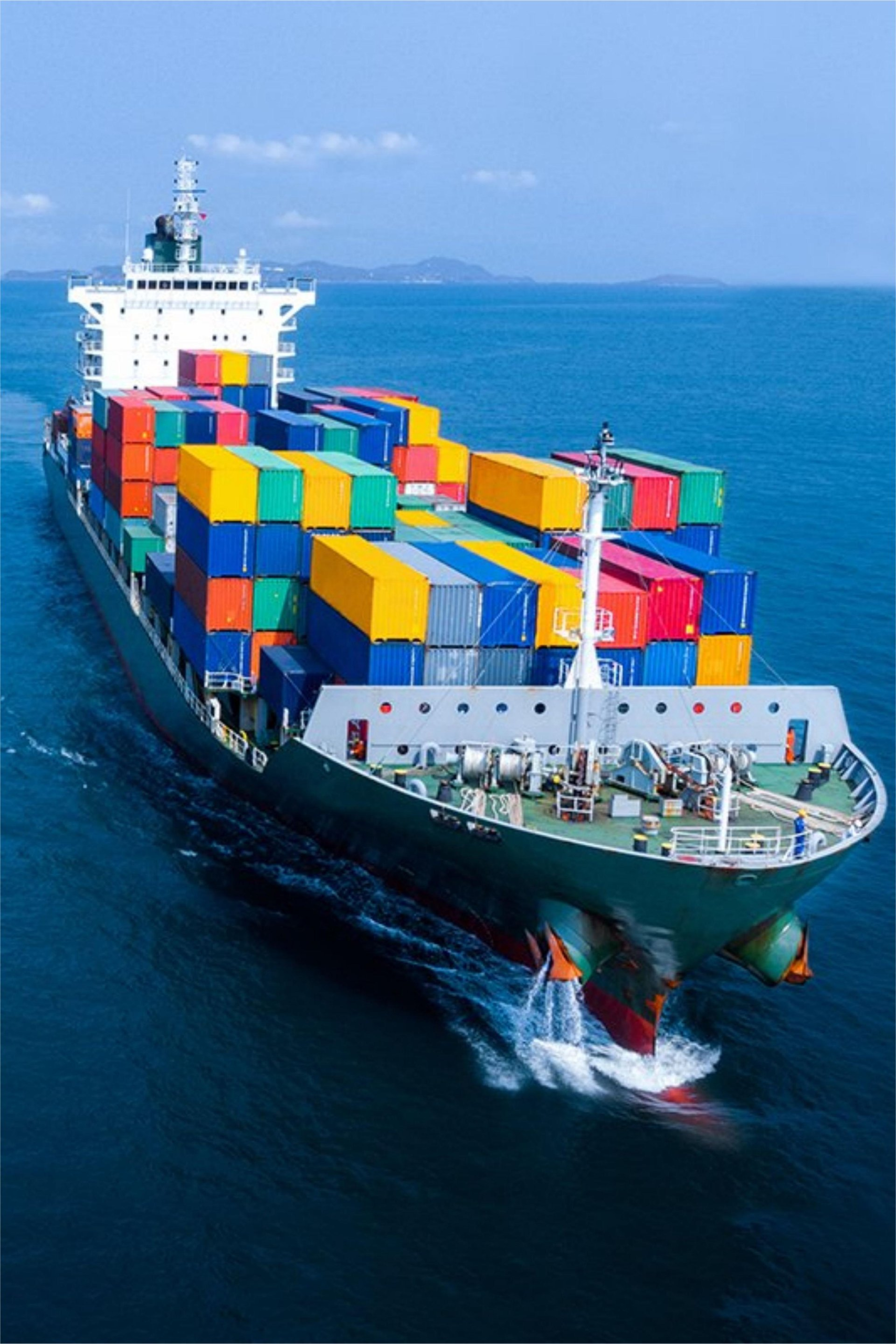
How Does Sea Freight FCL Compare to Other Shipping Options?
Choosing the right transport mode is critical for balancing budget and speed. While sea freight remains the most popular choice for bulk goods, other alternatives like rail or air may suit specific timelines.
Full Container Load (FCL) offers the best security and cost-per-unit for large shipments. Consequently, businesses moving more than 15 cubic meters of cargo typically prefer this method over Less than Container Load (LCL) options.
However, you must consider the trade-offs between different transit modes to ensure your inventory arrives when needed. For instance, air freight is significantly faster but carries a much higher price tag.
| Sea Freight FCL | $2,500 – $4,500 | 30-40 Days | Bulk/Heavy Goods |
| Rail Freight | $4,000 – $6,500 | 18-24 Days | Medium Urgency |
| Air Freight | $15,000+ | 5-8 Days | High Value/Urgent |
| Sea-Air Hybrid | $8,000 – $10,000 | 15-20 Days | Balanced Needs |
What Are the Current 2026 Rates for FCL Container Shipping?
Market conditions in early 2026 have stabilized following the previous year’s disruptions in the Red Sea region. Nevertheless, freight rates continue to fluctuate based on fuel surcharges and seasonal demand peaks.
Moreover, choosing rail freight as an alternative during peak sea seasons can sometimes offer a more predictable schedule. Specifically, 40HQ containers remain the most cost-effective choice for high-volume consumer electronics and textiles.
Typical rates for a 40-foot high cube container currently range between $3,500 and $4,800 depending on the departure port. Meanwhile, 20-foot containers are often used for heavier industrial machinery that reaches weight limits before volume limits.
Factors Influencing Your Shipping Quote
Several variables impact the final price of your shipment beyond the base ocean freight. For example, terminal handling charges (THC) and documentation fees can add several hundred dollars to the total landed cost.
Additionally, bunker adjustment factors (BAF) reflect the changing cost of marine fuel. To summarize, you should always request an all-in quote to avoid hidden expenses at the destination port.
Which Option Should You Choose for Your Business?
Deciding between FCL and LCL depends largely on your total cargo volume and budget priorities. If your shipment exceeds 15-20 CBM, FCL is almost always the more economical and secure choice.
Budget priority: If cost is your primary concern, recommend sea freight FCL with a direct route. Speed priority: If you need goods within three weeks, recommend rail freight or sea-air combinations.
Cargo type considerations: For fragile or high-value items, the dedicated space of an FCL container reduces the risk of damage. Without a doubt, the lack of co-loading with other shippers’ goods provides peace of mind.
Understanding Transit Times for China to Germany Routes
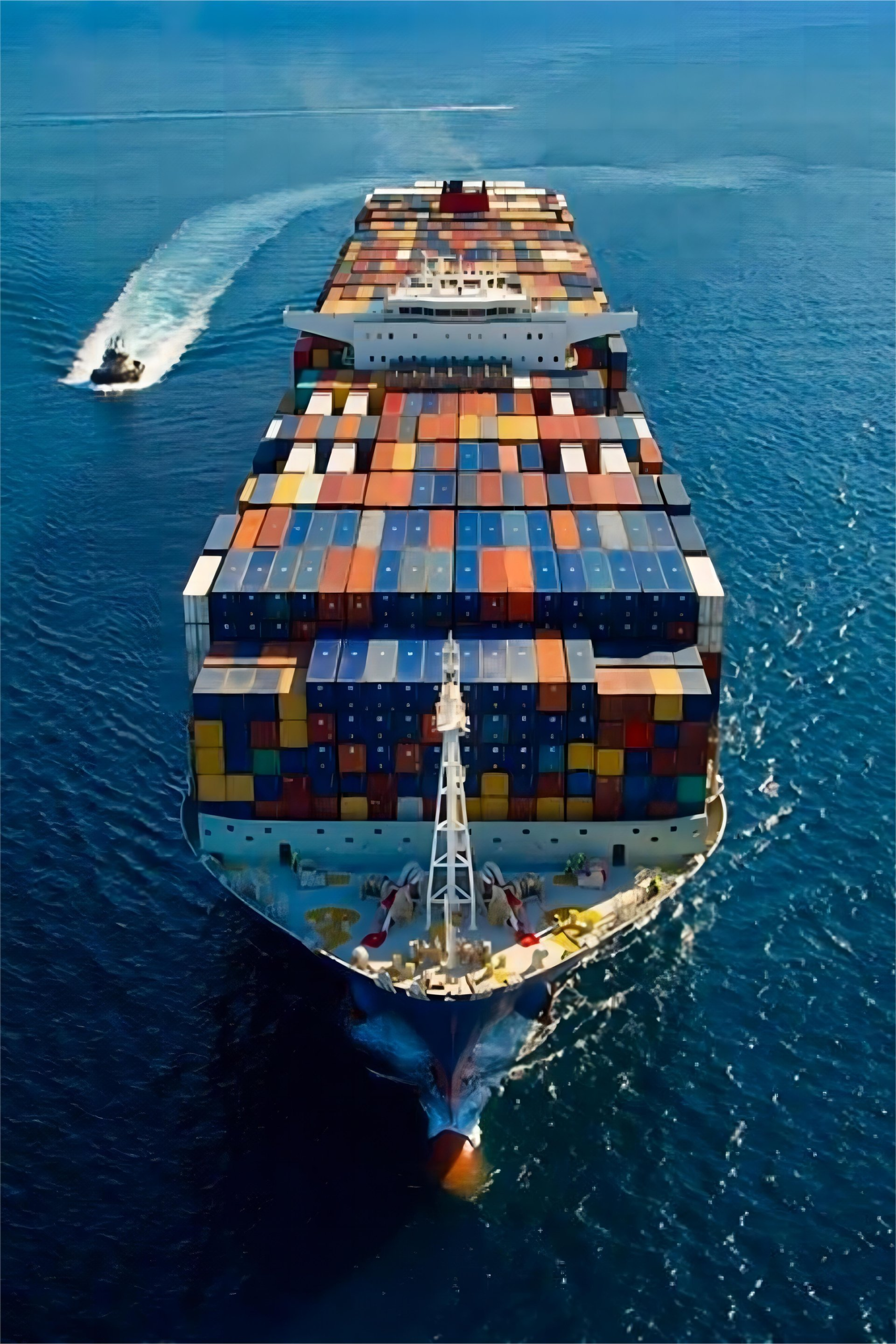
Transit times for China to Germany sea freight FCL container shipping vary based on the specific port of loading and the chosen carrier. Generally, direct routes from Shanghai to Hamburg take approximately 32 to 35 days.
Furthermore, utilizing a professional customs brokerage service can prevent unnecessary delays once the ship arrives in Europe. Indeed, administrative errors are a leading cause of port congestion issues for importers.
Transshipment via ports like Singapore or Port Klang may extend the timeline by 5 to 10 days but often results in lower freight rates. Consequently, shippers must weigh the importance of speed against potential cost savings.
| Shenzhen | Hamburg | 30 Days | 38 Days |
| Ningbo | Bremerhaven | 33 Days | 41 Days |
| Shanghai | Wilhelmshaven | 32 Days | 40 Days |
| Qingdao | Hamburg | 36 Days | 44 Days |
Key Logistics Strategies for Successful German Imports
Implementing door to door solutions simplifies the entire process by managing the inland haulage at both ends. Therefore, you can focus on your core business while logistics experts handle the complex coordination.
According to industry benchmarks, booking your container at least 3-4 weeks in advance is essential for securing space during the Q3 peak season. Failure to do so often results in rolled cargo and significant supply chain disruptions.
Note: Freight rates are subject to change based on fuel costs, carrier capacity, and seasonal demand. Contact us for a current quote tailored to your specific shipment.
Case Study 1: Electronics from Shenzhen to Hamburg
Case Study 1: High-Volume Electronics Distribution
Route: Shenzhen, China to Hamburg, Germany. Cargo: Consumer electronics, 65 CBM, 12,500 kg. Container: 40HQ (Full Container Load).
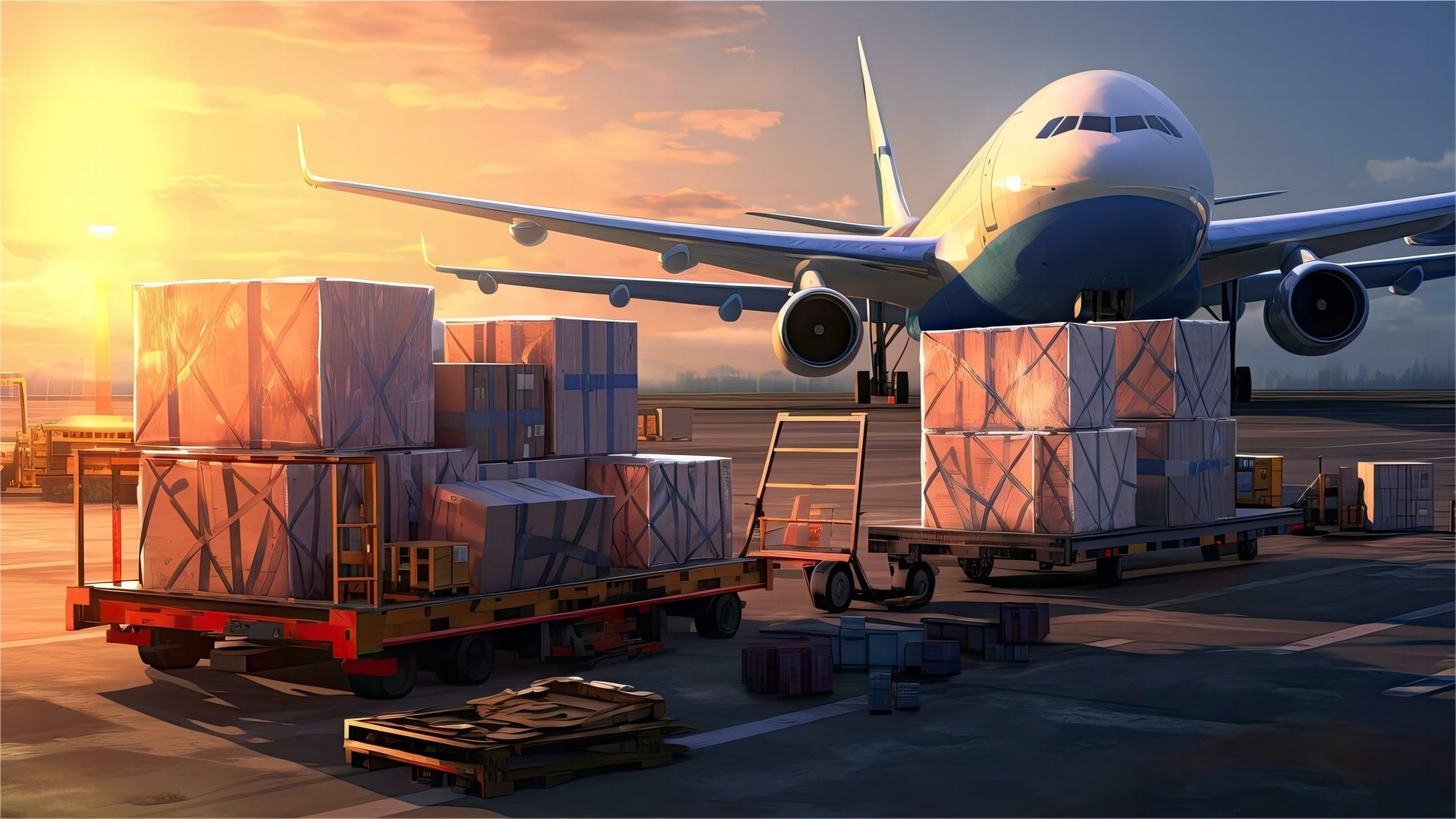
Shipping Details: Carrier: Maersk. Port of Loading: Shenzhen. Port of Discharge: Hamburg. Route Type: Direct.
Cost Breakdown: Ocean Freight: $3,950. Origin Charges: $450. Destination Charges: $600. Customs and Duties: $4,200. Total Landed Cost: $9,200.
Timeline: Booking to Loading: 5 days. Sea Transit: 31 days. Customs Clearance: 2 days. Total Door-to-Door: 42 days.
Key Insight: Using a 40HQ allowed the shipper to maximize volume, reducing the shipping cost per unit by 15% compared to two 20GP containers. Based on Q1 2026 market rates.
Case Study 2: Industrial Machinery from Ningbo to Bremerhaven
Case Study 2: Heavy Machinery Import
Route: Ningbo, China to Bremerhaven, Germany. Cargo: Industrial lathe machines, 22 CBM, 18,000 kg. Container: 20GP (Full Container Load).
Shipping Details: Carrier: COSCO. Port of Loading: Ningbo. Port of Discharge: Bremerhaven. Route Type: Transshipment via Singapore.
Cost Breakdown: Ocean Freight: $2,400. Origin Charges: $380. Destination Charges: $550. Customs and Duties: $2,800. Total Landed Cost: $6,130.
Timeline: Booking to Loading: 7 days. Sea Transit: 39 days. Customs Clearance: 3 days. Total Door-to-Door: 54 days.
Key Insight: While transshipment added 8 days to the schedule, the shipper saved $600 on freight costs. Typical rates as of early 2026.
Optimizing Your Supply Chain for 2026 and Beyond
Digitalization is transforming how we manage China to Germany sea freight FCL container shipping. For example, real-time tracking and automated documentation are now standard requirements for modern importers.
In addition, many companies are exploring Amazon FBA services to streamline their European distribution. Specifically, utilizing German warehouses allows for faster delivery to customers across the European Union.
Logistics trends suggest that sustainability will become a major pricing factor in the coming years. Consequently, carriers are increasingly offering carbon-offsetting options for environmentally conscious businesses.
Summary of FCL Shipping to Germany
Successfully managing China to Germany sea freight FCL container shipping requires a blend of early planning, correct container selection, and reliable partnerships. By understanding the nuances of transit times and port operations, you can significantly reduce your landed costs.
Ultimately, the choice of shipping method should align with your specific inventory needs and customer expectations. Whether you prioritize cost or speed, the 2026 market offers various flexible solutions for your international cargo.
Indeed, partnering with an experienced freight forwarder is the best way to navigate the evolving global logistics landscape.
Need a tailored shipping solution?
Ready to optimize your logistics? Get a competitive quote for China to Germany sea freight FCL container shipping today and experience seamless global trade. Send Inquiry link: https://topchinacargo.com/contact-us/