

China to Canada LCL Consolidation Sea Freight Service 2026 Guide
China to Canada LCL consolidation sea freight service offers an essential lifeline for businesses that do not require a full shipping container. Navigating the complexities of international trade requires a partner like Top China Cargo to ensure your goods move efficiently across the Pacific. Consequently, this comprehensive guide explores how you can leverage consolidated shipping to reduce costs while maintaining a reliable delivery schedule in 2026.
What is China to Canada LCL Consolidation Sea Freight Service?
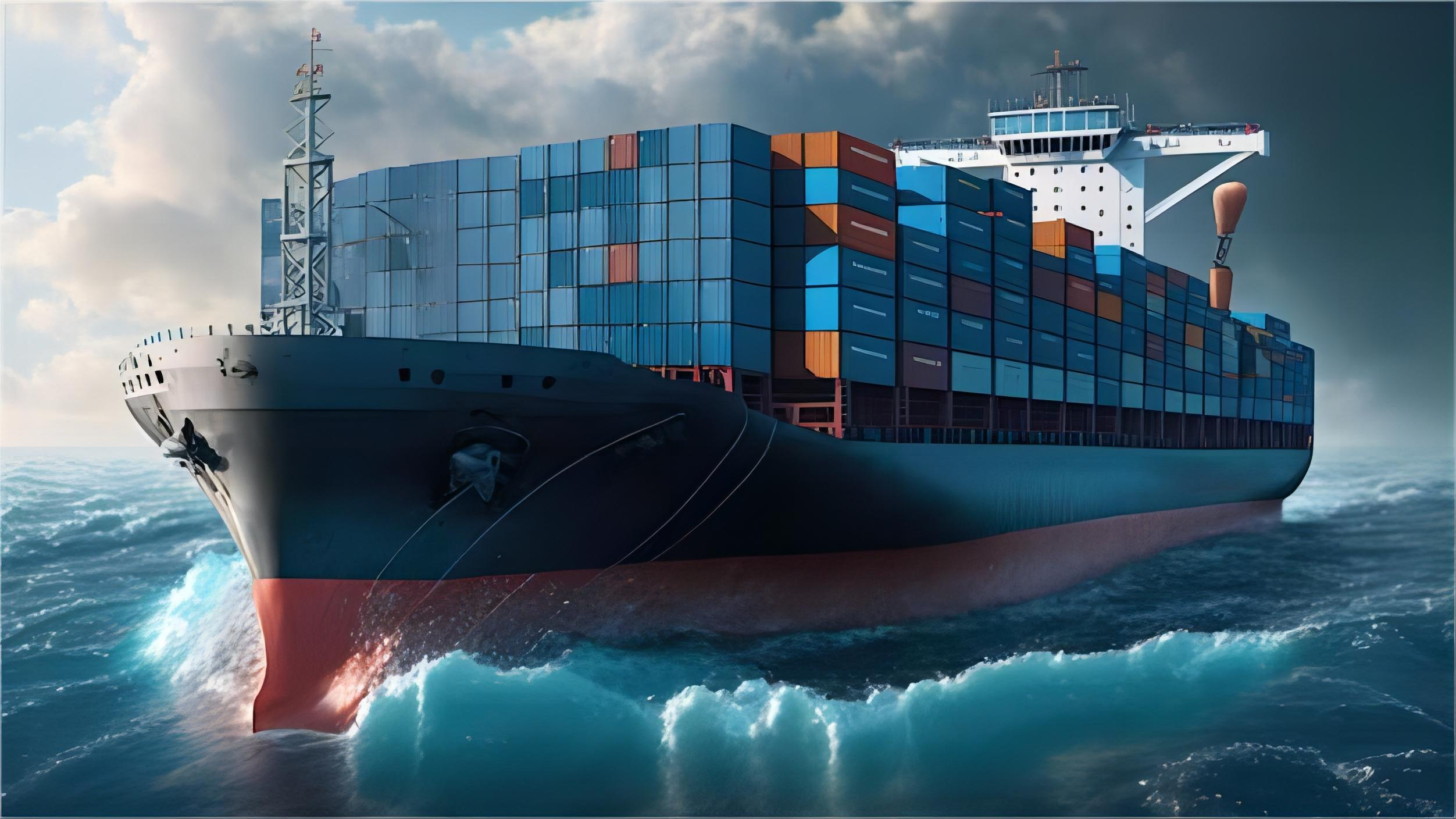
Less than Container Load or LCL consolidation represents a logistics strategy where multiple shippers share space within a single ocean container. This method allows small and medium enterprises to access the low costs of sea freight without needing to fill a 20-foot or 40-foot box. Specifically, your cargo is grouped with other shipments at a container freight station in China before departing for major Canadian ports.
Logistics providers manage the entire process of stuffing and stripping the containers, which simplifies the experience for the individual importer. Moreover, the 2026 market shows a significant increase in the frequency of these consolidated sailings from hubs like Shanghai, Shenzhen, and Ningbo. Choosing this service ensures that you only pay for the volume you actually use, measured in cubic meters.
Reliable freight forwarders coordinate the timing to ensure that consolidation does not lead to excessive delays at the port of origin. Indeed, modern tracking technology now allows importers to monitor their specific pallet as it moves through the global supply chain. Consequently, businesses can maintain leaner inventories by shipping smaller batches more frequently rather than waiting for enough volume to justify a full container.
Benefits of Choosing LCL for Your Canadian Shipments
Cost efficiency remains the primary driver for selecting a China to Canada LCL consolidation sea freight service over other transport modes. Furthermore, this method provides incredible flexibility for businesses testing new products or managing seasonal demand fluctuations without heavy capital investment. You can effectively scale your shipping volume up or down based on your current sales performance in the North American market.
Another significant advantage involves the availability of door to door delivery options that integrate seamlessly with LCL services. This means your goods are collected from the factory in China and delivered directly to your warehouse in Toronto, Vancouver, or Montreal. Meanwhile, the logistics provider handles the intermediate steps of trucking and port handling.
Environmental sustainability also plays a role as consolidated shipping maximizes container utilization and reduces the carbon footprint per unit of cargo. Additionally, many Canadian retailers prefer LCL because it allows them to spread their risk across multiple shipments rather than putting all their stock in one container. Therefore, the risk of a single port delay impacting your entire inventory is greatly diminished.
How China to Canada LCL Consolidation Sea Freight Service Compares to Other Shipping Options
Understanding the differences between shipping methods is crucial for optimizing your logistics budget and meeting customer expectations. While air freight offers unmatched speed, the cost per kilogram is often ten times higher than maritime alternatives. On the other hand, full container loads provide the lowest cost per unit but require significant upfront inventory purchasing.
Hybrid solutions like sea-air movements have gained popularity in early 2026 for urgent shipments that cannot afford full air freight prices. However, for the majority of consumer goods and industrial components, LCL remains the most balanced choice for value and reliability. The following table provides a clear comparison of the primary shipping methods available for the China to Canada route.
| LCL Sea Freight | $80 – $150 per CBM | 20 – 35 Days | Shipments 1-15 CBM |
| FCL Sea Freight | $2,500 – $4,500 per 40HQ | 18 – 30 Days | Large bulk volumes |
| Air Freight | $5.50 – $9.00 per KG | 5 – 8 Days | Urgent or high-value |
| Express Service | $8.00 – $15.00 per KG | 3 – 5 Days | Samples and documents |
Alternative Strategies for Shipping to Canada
Importers often face the dilemma of choosing between speed and cost when planning their supply chain movements. For instance, if your cargo volume exceeds 15 cubic meters, it might be more economical to book a 20-foot FCL container even if it is not completely full. This strategy eliminates the consolidation and deconsolidation time, potentially saving four to six days of total transit time.
Another alternative involves using a customs brokerage service that specializes in transshipment via US ports for Western Canada destinations. While this adds a border crossing, it can sometimes bypass congestion at the Port of Vancouver during peak seasons. Nevertheless, direct LCL sailings to Prince Rupert or Vancouver remain the standard for most Canadian businesses.
Consider also the sea-to-rail strategy where cargo arrives at a West Coast port and moves via the Canadian National or Canadian Pacific railway to inland hubs. This approach is highly effective for reaching the Greater Toronto Area and Montreal efficiently. Consequently, you can enjoy the lower rates of ocean freight while benefiting from the speed of the transcontinental rail network.
Major Ports and Transit Times for Canadian LCL Cargo
Shipping from China to North America involves several key corridors that determine your total transit time. Most LCL shipments originate from major coastal cities like Shanghai, Ningbo, and Shenzhen due to their high volume of consolidated containers. These ports offer multiple weekly sailings, which reduces the waiting time at the warehouse before the container is stuffed.
Vancouver serves as the primary gateway for sea cargo entering Canada, typically offering a transit time of 16 to 20 days from Shanghai. Conversely, shipments destined for the East Coast via the Panama Canal, such as those going to Halifax, can take 30 to 38 days. Importers must account for an additional 3 to 7 days for the deconsolidation process once the container arrives at the Canadian warehouse.
During the peak season of 2026, we expect some fluctuations in these timelines due to increased demand and potential port labor negotiations. Therefore, booking your China to Canada LCL consolidation sea freight service at least three weeks in advance is highly recommended. This proactive approach ensures you secure space on the fastest available vessels and avoid the premium rates associated with last-minute bookings.
Cost Analysis and Market Trends for 2026
Freight rates in 2026 have stabilized following the volatility of previous years, yet they remain sensitive to fuel surcharges and global economic shifts. For LCL shipments, the pricing is usually quoted per CBM (cubic meter) or per 1,000 kilograms, whichever is greater. You must also factor in origin charges, documentation fees, and destination handling costs which can significantly impact the final landed cost.
Market data suggests that LCL rates from China to Western Canada currently range between $80 and $120 per CBM for base ocean freight. In addition, many businesses are now utilizing Amazon FBA specialized LCL services that include labeling and palletization to meet strict warehouse requirements. These value-added services provide a turnkey solution for e-commerce sellers looking to expand their reach in the Canadian market.
Note: Freight rates are subject to change based on fuel costs, carrier capacity, and seasonal demand. Contact us for a current quote tailored to your specific shipment. To summarize, while base rates are important, the total cost of ownership includes customs duties, taxes, and local delivery fees that must be calculated carefully.
| Shanghai | Vancouver | $85 – $110 | 18 – 22 |
| Shenzhen | Toronto (via Rail) | $130 – $160 | 28 – 32 |
| Ningbo | Montreal | $140 – $175 | 32 – 36 |
| Qingdao | Calgary | $120 – $150 | 25 – 30 |
Realistic Case Studies of LCL Shipments to Canada
Case Study 1: Electronics Distribution to Vancouver. Route: Shenzhen, China to Vancouver, Canada. Cargo: Consumer electronics, 5 CBM, 1,200 kg. Method: LCL Consolidation. Ocean Freight: $550. Origin Charges: $180. Destination Charges: $240. Customs and Duties: $1,100. Total Landed Cost: $2,070. Timeline: 24 days door-to-door. Key Insight: Utilizing a direct sailing from Shenzhen reduced handling risks for sensitive electronics.
Case Study 2: Home Decor for Toronto Retailer. Route: Ningbo, China to Toronto, Canada (via Vancouver Rail). Cargo: Wooden furniture and textiles, 12 CBM, 3,500 kg. Method: China to Canada LCL consolidation sea freight service. Ocean Freight: $1,680. Origin Charges: $320. Destination Charges: $550. Customs and Duties: $2,400. Total Landed Cost: $4,950. Timeline: 34 days. Key Insight: Based on early 2026 market rates, LCL was 40 percent cheaper than a 20GP container for this specific volume.
Case Study 3: Industrial Parts for Montreal Factory. Route: Shanghai, China to Montreal, Canada (via Panama Canal). Cargo: Steel components, 3 CBM, 2,800 kg. Method: LCL Sea Freight. Ocean Freight: $420. Origin Charges: $150. Destination Charges: $310. Customs and Duties: $600. Total Landed Cost: $1,480. Timeline: 42 days. Key Insight: The weight-based pricing applied here due to the high density of the steel parts, illustrating the importance of the W/M (Weight or Measure) rule.
Decision Framework: Which Option Should You Choose?
Choosing the right shipping method requires a clear understanding of your business priorities and the nature of your cargo. If your primary goal is budget optimization and your shipment is under 15 CBM, the China to Canada LCL consolidation sea freight service is almost always the best choice. However, if you are moving high-value goods with a short shelf life, air freight might justify the higher expense.
Speed priority dictates that you should look for carriers offering direct sailings and expedited deconsolidation services at the destination. For cargo type considerations, fragile or hazmat items may require specialized LCL handling or even FCL to minimize the risk of damage from other shippers’ goods. Volume thresholds are also critical; once you hit the 15-18 CBM mark, start comparing LCL quotes against 20-foot container rates.
Reliability often outweighs price for manufacturers who operate on a just-in-time production schedule. In these cases, selecting a freight forwarder with a proven track record in the China-Canada corridor is more important than finding the absolute lowest rate. Consequently, a balanced approach that considers transit time, safety, and cost will yield the best results for your long-term supply chain health.
Mastering Your Logistics from China to Canada
To summarize, the China to Canada LCL consolidation sea freight service remains a cornerstone of modern international trade for businesses of all sizes. By understanding the nuances of consolidation, transit times, and cost structures, you can make informed decisions that enhance your competitive edge. Furthermore, leveraging the expertise of a professional freight forwarder ensures that your cargo moves safely and efficiently through every step of the journey.
As we move through 2026, staying updated on market trends and port conditions will be essential for maintaining a resilient supply chain. Whether you are shipping small electronics to Vancouver or large furniture orders to Toronto, LCL offers the flexibility and economy needed to succeed. Start planning your next shipment today to take advantage of the current 2026 rates and reliable sailing schedules.
Need a tailored shipping solution?
Streamline your international logistics today by requesting a personalized quote for our China to Canada LCL consolidation sea freight service. Our experts are ready to help you navigate the 2026 shipping landscape and find the most cost-effective solutions for your business. Visit Top China Cargo to start your shipment now.