

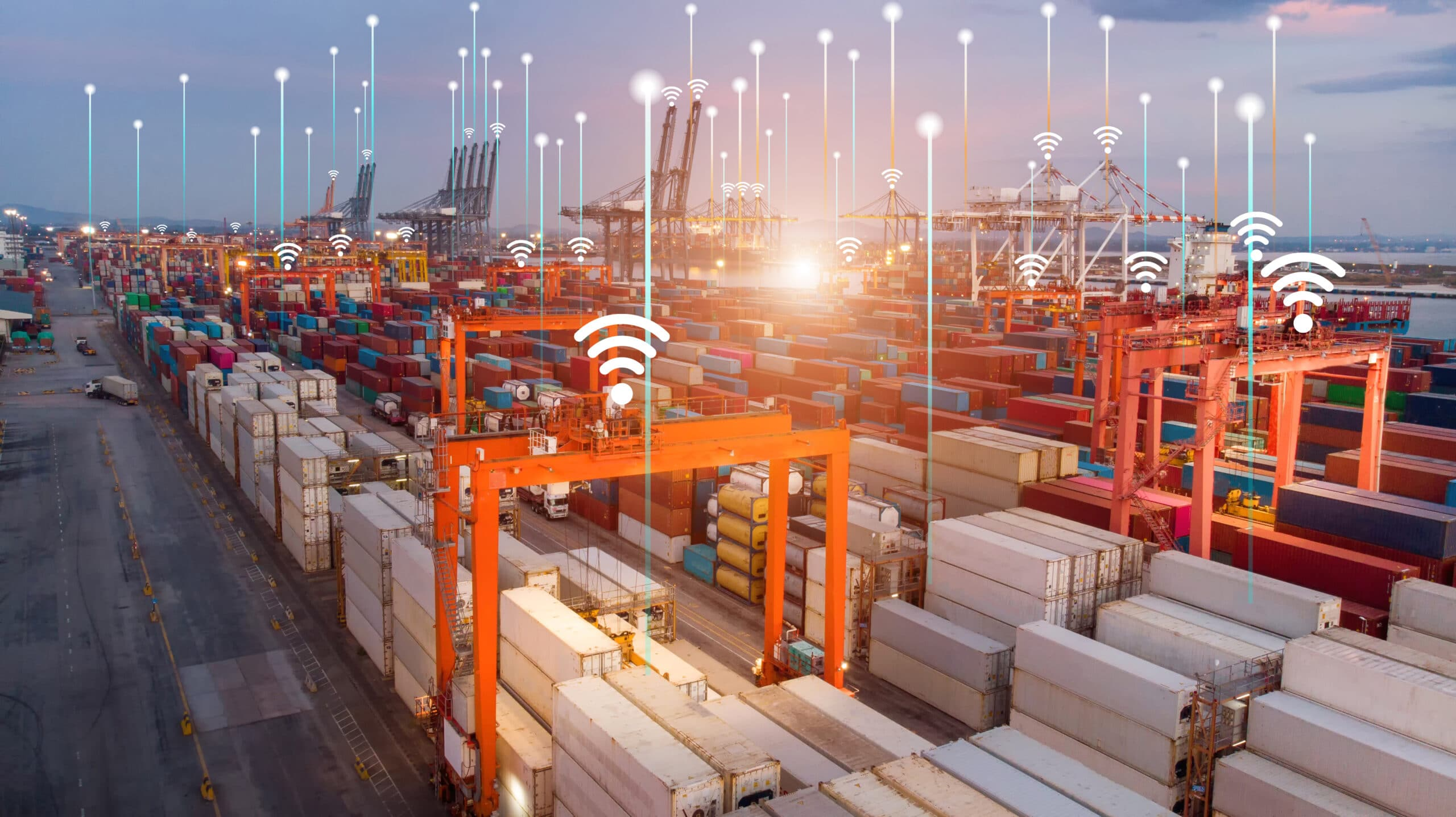
2026 Guide to China to Canada Sea Freight Container Shipping Service
Navigating the complexities of international trade requires a reliable partner like Top China Cargo to manage your logistics. Businesses frequently struggle with fluctuating costs and port delays when utilizing a china to Canada sea freight container shipping service for their inventory. Consequently, this comprehensive guide provides the necessary insights to streamline your supply chain and reduce overhead in the 2026 market.
How Does China to Canada Sea Freight Container Shipping Service Compare to Other Shipping Options?
Choosing the right transportation method depends heavily on your specific budget and timeline requirements for the 2026 fiscal year. While sea freight remains the most cost-effective solution for high-volume goods, other modes offer distinct advantages for urgent shipments. Specifically, ocean transport provides the capacity needed for oversized items that air planes simply cannot accommodate.
Moreover, the environmental impact of maritime shipping is significantly lower per ton-mile compared to air transport. In contrast, air freight offers unmatched speed for perishable items or high-value electronics that need to reach Toronto or Vancouver within days. Therefore, evaluating the trade-offs between cost and speed is essential for maintaining a competitive edge.
| Shipping Method | Cost Range | Transit Time | Best For |
|---|---|---|---|
| Sea Freight (FCL) | $2,800 – $4,500 | 18-35 Days | Bulk Goods |
| Air Freight | $5.50 – $9.00/kg | 3-7 Days | Urgent Cargo |
| Sea-Air Hybrid | $3.00 – $4.50/kg | 12-18 Days | Mid-range Budget |
| LCL Shipping | $80 – $150/CBM | 25-40 Days | Small Batches |
Understanding FCL and LCL in China to Canada Sea Freight Container Shipping Service
Full Container Load (FCL) involves renting an entire 20ft or 40ft container for your exclusive use during the transit. This method typically results in faster handling because the container does not need to be opened for consolidation at the port of origin. Additionally, FCL provides a higher level of security for fragile or sensitive equipment.
Less than Container Load (LCL) allows multiple shippers to share space within a single container, making it ideal for smaller volumes. However, LCL shipments often face longer transit times due to the necessary deconsolidation process at Canadian warehouses. Businesses should calculate their total CBM to determine if upgrading to a 20GP container is more economical than paying per cubic meter.
Analyzing Costs for China to Canada Sea Freight Container Shipping Service
Freight rates in early 2026 have shown moderate stability following the logistical shifts observed throughout 2025. Nevertheless, seasonal demand during the late summer peak can still drive prices up by 15% to 25% as retailers prepare for the holiday season. Understanding the components of your quote, such as bunker adjustment factors and terminal handling charges, is vital for accurate budgeting.
Fuel surcharges continue to fluctuate based on global energy market trends and environmental regulations. Furthermore, port congestion in Vancouver or Prince Rupert can lead to unexpected demurrage and detention fees. To mitigate these risks, shippers should negotiate extended free time at the destination port whenever possible.
| Route | 20GP Rate | 40HQ Rate | Transit (Days) |
|---|---|---|---|
| Shanghai to Vancouver | $2,100 – $2,600 | $3,200 – $3,900 | 14-18 |
| Shenzhen to Toronto | $3,400 – $4,100 | $4,800 – $5,600 | 28-35 |
| Ningbo to Montreal | $3,600 – $4,300 | $5,100 – $5,900 | 32-38 |
| Qingdao to Halifax | $3,800 – $4,500 | $5,400 – $6,200 | 35-42 |
Navigating Customs and Documentation for Canadian Imports
Proper documentation is the cornerstone of a successful import process when dealing with the Canada Border Services Agency (CBSA). Utilizing a professional customs brokerage ensures that all tariff classifications are accurate and duties are minimized. Indeed, even a small error on a commercial invoice can lead to significant delays and expensive inspections.
Importers must provide a Canada Customs Invoice (CCI) or a detailed commercial invoice for every shipment entering the country. Additionally, a Manifest or Cargo Control Document is required to track the movement of goods from the port to the final destination. Consequently, maintaining organized digital records of all packing lists and bills of lading is highly recommended for auditing purposes.
Key Ports and Transit Times Across the Pacific
Vancouver serves as the primary gateway for Asian goods entering the Canadian market due to its geographic proximity to China. Most major carriers offer direct weekly services from Shanghai, Ningbo, and Shenzhen to this bustling West Coast hub. Meanwhile, shipments destined for Eastern Canada often travel via rail from Prince Rupert to reach industrial centers like Montreal and Toronto.
Transit times vary significantly depending on whether the vessel stops at intermediate ports in Japan or South Korea. For instance, a direct service might reach British Columbia in just over two weeks, whereas transshipment routes could take nearly a month. Shippers should monitor port performance metrics to avoid bottlenecks during high-volume periods.
Strategic Solutions for Amazon FBA and E-commerce
E-commerce sellers often require specialized logistics to meet the strict delivery windows set by fulfillment centers. Our dedicated Amazon FBA service simplifies this process by handling everything from labeling to final mile delivery. Furthermore, consolidated shipping options allow smaller sellers to access competitive ocean freight rates without needing full containers.
Palletization and labeling must strictly adhere to Amazon’s requirements to avoid rejection at the warehouse dock. Moreover, choosing a logistics provider with experience in the Canadian market ensures that your inventory is distributed efficiently across the regional network. As a result, sellers can maintain higher stock levels and improve their overall seller rating on the platform.

Alternative Strategies for China to Canada Logistics
Expanding your horizons to North America wide logistics can reveal alternative routing strategies that save both time and money. For example, some importers find that shipping to the Port of Seattle and trucking goods across the border is faster during Vancouver strikes. Additionally, sea-air hybrid solutions provide a middle ground for shipments that are too heavy for pure air freight but too urgent for the slow ocean route.
Implementing a multi-port strategy helps diversify risk against localized port disruptions or labor disputes. Specifically, splitting cargo between West Coast and East Coast ports ensures that at least a portion of your inventory remains mobile during a crisis. Industry average data suggests that this redundancy can reduce supply chain downtime by up to 30% during peak season.
Real-World Case Studies: China to Canada Logistics
Case Study 1: Electronics Distribution to Vancouver. Route: Shenzhen to Vancouver. Cargo: High-end consumer electronics, 68 CBM, 12,500 kg. Container: 40HQ. Shipping Details: Direct carrier service via COSCO. Port of Loading: Shenzhen. Port of Discharge: Vancouver. Cost Breakdown: Ocean Freight $3,550, Origin Charges $450, Destination Charges $600, Customs $1,200. Total Landed Cost: $5,800. Timeline: 22 days door-to-door. Key Insight: Pre-clearing customs 5 days before arrival prevented storage fees.
Case Study 2: Furniture Retailer in Toronto. Route: Ningbo to Toronto via Prince Rupert. Cargo: Flat-pack home furniture, 28 CBM, 8,000 kg. Container: 20GP. Shipping Details: Intermodal rail service via Maersk. Port of Loading: Ningbo. Port of Discharge: Prince Rupert (Rail to Toronto). Cost Breakdown: Ocean/Rail Freight $4,200, Documentation $250, Destination Handling $550, Duties $900. Total Landed Cost: $5,900. Timeline: 34 days. Key Insight: Utilizing the Prince Rupert rail link saved 4 days compared to the Panama Canal route.
Decision Framework: Which Option Should You Choose?
Selecting the optimal china to Canada sea freight container shipping service requires a clear understanding of your business priorities. If your primary goal is cost minimization, FCL shipping during the off-peak months of February and March offers the lowest possible rates. Conversely, if you are launching a new product and need stock quickly, a sea-air combination might be the most effective compromise.
Volume thresholds play a critical role in the decision-making process for logistics managers. Specifically, once your shipment exceeds 15 CBM, the cost of an FCL 20ft container often becomes cheaper than LCL pricing. For total peace of mind, many businesses opt for door to door solutions that manage every step from the factory floor to the Canadian warehouse.
Summary of China to Canada Shipping Success
Mastering the china to Canada sea freight container shipping service involves balancing transit times, port selections, and customs compliance. By staying informed about 2026 market trends and utilizing strategic routing, businesses can significantly reduce their landed costs. Furthermore, partnering with an experienced freight forwarder ensures that your cargo navigates the Pacific safely and efficiently.
Ultimately, the key to success lies in proactive planning and clear communication with your logistics providers. Whether you are shipping FCL or LCL, understanding the nuances of the Canadian import market will help you avoid common pitfalls. Start your journey today by requesting a detailed quote tailored to your specific cargo needs.
Get Your Shipping Quote Today
Ready to optimize your supply chain with a reliable china to Canada sea freight container shipping service? Contact Top China Cargo today for a customized 2026 freight quote and expert logistics advice. Visit our website to start your inquiry now.
Request Quote