


Sea Freight China to UK Container Consolidation Cost: 2026 Guide
Navigating the complexities of international trade requires a deep understanding of sea freight China to UK container consolidation cost factors. At Top China Cargo, we help businesses streamline their supply chains while minimizing ocean freight expenses. This guide explores current 2026 market trends to ensure your logistics strategy remains both efficient and cost-effective. Consequently, importers can make informed decisions that balance speed and budget requirements.

What Factors Influence Sea Freight China to UK Container Consolidation Cost?
Determining the exact sea freight China to UK container consolidation cost involves several variables that fluctuate based on market demand. Primarily, the volume of your cargo measured in cubic meters (CBM) dictates the base rate for Less than Container Load (LCL) shipments. Furthermore, fuel surcharges and currency adjustment factors play a significant role in monthly price adjustments.
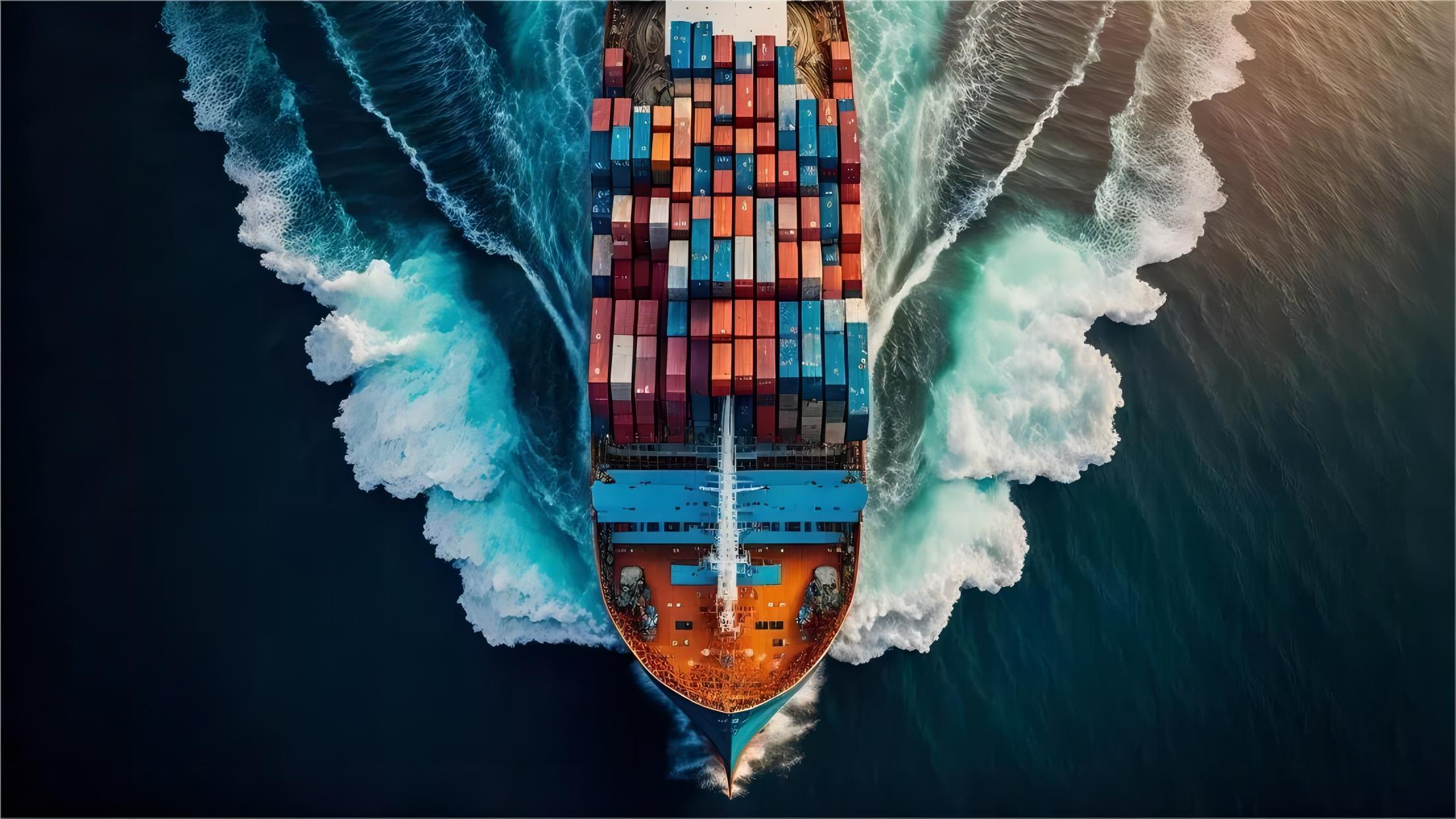
Market conditions in early 2026 suggest that carrier capacity remains stable, although seasonal peaks still impact pricing significantly. For instance, the weeks leading up to Chinese New Year often see a sharp rise in consolidation fees due to high demand. Additionally, port congestion at major UK hubs like Felixstowe or Southampton can lead to secondary costs such as demurrage or detention.
Choosing a reliable sea freight provider allows you to mitigate these risks by securing space in advance. Specifically, consolidation services combine multiple small shipments into a single container, which effectively distributes the fixed costs of ocean transit among various importers. This approach is ideal for small to medium-sized enterprises looking to maintain lean inventory levels.
Logistics providers also consider the nature of the goods when calculating the final invoice. Specifically, hazardous materials or oversized items often incur additional handling surcharges that increase the total landed cost. Consequently, businesses must provide accurate dimensions and weight to avoid unexpected adjustments during the loading process.
How Does Sea Freight Compare to Other Shipping Options?
When evaluating the sea freight China to UK container consolidation cost, it is essential to compare it against alternative transport modes. While ocean transit is generally the most economical choice for large volumes, other methods offer distinct advantages in terms of speed and reliability. For example, air freight remains the preferred option for high-value electronics or urgent inventory replenishment.
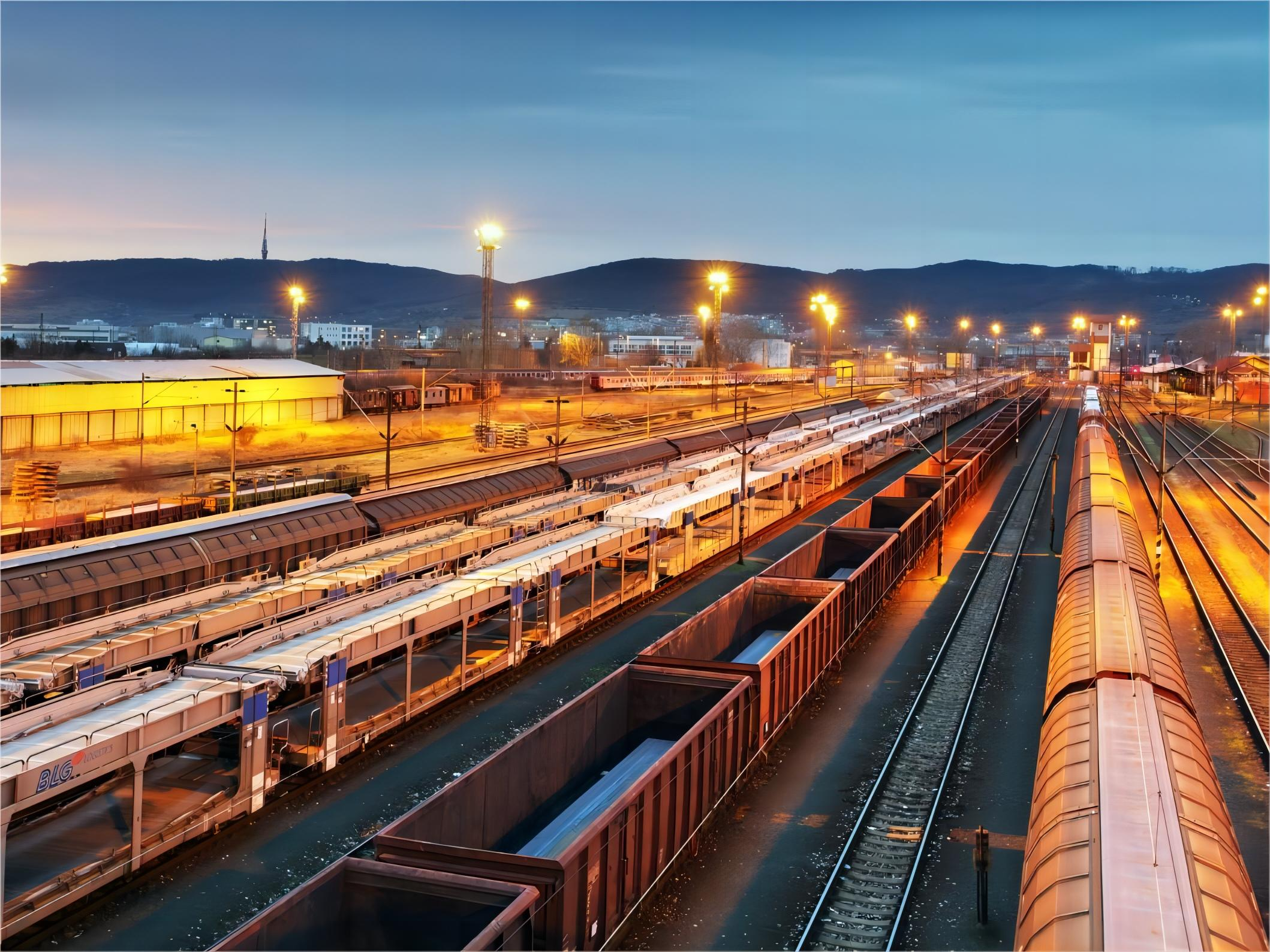
Rail transport has also become a viable middle ground for shipments moving between China and Europe. Specifically, rail freight offers faster transit times than sea while remaining significantly cheaper than air. However, for the majority of consumer goods, the cost savings of sea consolidation outweigh the time benefits of rail.
Choosing the right method depends on your specific supply chain requirements and profit margins. Without a doubt, sea freight provides the lowest carbon footprint per ton-mile, making it an attractive option for environmentally conscious brands. To summarize, the following table illustrates the key differences between these logistics strategies for the China-UK route.
| Shipping Method | Cost Range (2026) | Transit Time | Best For |
|---|---|---|---|
| Sea LCL | $65 – $95 per CBM | 35 – 42 Days | Small business inventory |
| Sea FCL (20GP) | $2,200 – $3,100 | 30 – 35 Days | Bulk commodities |
| Rail Freight | $130 – $190 per CBM | 18 – 22 Days | Mid-range urgency |
| Air Freight | $4.50 – $7.50 per kg | 5 – 8 Days | High-value goods |
LCL vs FCL: Navigating the Consolidation Decision
Understanding the threshold between LCL and Full Container Load (FCL) is vital for optimizing your sea freight China to UK container consolidation cost. Generally, if your shipment exceeds 15 cubic meters, it may be more economical to book a 20-foot container for your exclusive use. On the other hand, smaller shipments benefit from the shared space model of consolidation.
Consolidation involves more complex handling at both the origin and destination ports. Specifically, goods must be de-consolidated at a Container Freight Station (CFS) upon arrival in the UK. While this adds a few days to the total transit time, it prevents the high cost of paying for unused container space. Moreover, Amazon FBA sellers often prefer LCL because it allows for frequent, smaller shipments to maintain stock levels.
Inventory management strategies often dictate this choice more than the freight rate itself. For instance, businesses utilizing Just-In-Time manufacturing might opt for LCL to avoid the storage costs associated with large FCL arrivals. Conversely, high-volume retailers usually prefer FCL to minimize the risk of damage during the additional handling steps required for consolidated cargo.
Which Option Should You Choose for Your UK Imports?
Selecting the optimal shipping strategy requires a clear assessment of your budget, timeline, and cargo volume. If your primary goal is to minimize the sea freight China to UK container consolidation cost, then LCL is the logical choice for volumes under 12 CBM. However, if you are shipping fragile items that require minimal handling, FCL provides a safer environment.
Speed priority often shifts the recommendation toward hybrid solutions or rail options. For example, if a production delay occurs in China, switching from sea to rail can save two weeks of transit time for a moderate price increase. Furthermore, businesses should consider the total landed cost, including UK customs duties and local delivery fees, rather than just the ocean freight rate.
Cargo type also plays a critical role in this decision framework. Specifically, heavy machinery might be better suited for FCL due to weight distribution requirements within the container. Meanwhile, lightweight consumer products like apparel are perfect candidates for consolidation. Ultimately, your freight forwarder can provide a tailored quote that balances these competing priorities.
Hidden Fees and Customs in the Consolidation Process
Budgeting for sea freight China to UK container consolidation cost must include more than just the port-to-port rate. Importers often overlook destination charges such as terminal handling fees, documentation costs, and warehouse storage. Additionally, professional customs brokerage services are essential for navigating UK Global Tariff regulations.
Customs duties and Value Added Tax (VAT) are calculated based on the value of the goods plus the shipping cost. Consequently, any increase in freight rates indirectly increases your tax liability. To ensure compliance, you must provide accurate HS Codes and commercial invoices for every item in the consolidated container. Failure to do so can result in costly inspections or shipment seizures at the UK border.
Another potential cost involves marine insurance, which is highly recommended for consolidated shipments. Since your cargo shares space with other goods, the risk of minor shifting or moisture damage is slightly higher than in a dedicated container. Therefore, investing in comprehensive insurance coverage protects your capital investment against unforeseen maritime perils during the long journey from China.
Realistic Case Studies for China to UK Sea Freight
Case Study 1: Small Electronics Batch. Route: Shenzhen to Felixstowe. Cargo: 4 CBM of consumer electronics. Method: Sea LCL Consolidation. Ocean Freight: $340. Origin/Destination Fees: $420. Customs/Duties: $1,150. Total Landed Cost: $1,910. Transit Time: 38 days. Key Insight: Consolidation allowed the client to test the UK market without committing to a full container of stock.
Case Study 2: Home Furniture. Route: Ningbo to Southampton. Cargo: 12 CBM of flat-pack furniture. Method: Sea LCL Consolidation. Ocean Freight: $980. Origin/Destination Fees: $550. Customs/Duties: $2,400. Total Landed Cost: $3,930. Transit Time: 41 days. Key Insight: Based on Q1 2026 market rates, this shipment was 40 percent cheaper than booking a 20GP container for the same volume.
Case Study 3: Seasonal Apparel. Route: Shanghai to London Gateway. Cargo: 8 CBM of clothing. Method: Sea LCL. Ocean Freight: $720. Origin/Destination Fees: $480. Customs/Duties: $1,850. Total Landed Cost: $3,050. Transit Time: 36 days. Key Insight: Using a direct route to London Gateway saved 3 days compared to transshipment via Rotterdam, although the base rate was 10 percent higher.
Alternative Strategies for Cost Reduction
Reducing your sea freight China to UK container consolidation cost can be achieved through strategic planning and warehouse optimization. For instance, consolidating goods from multiple Chinese suppliers into one LCL shipment at a single warehouse in Ningbo or Shenzhen can significantly lower documentation fees. Moreover, choosing off-peak shipping windows during the spring months often results in lower carrier surcharges.
Another effective strategy involves optimizing your packaging to maximize CBM efficiency. Specifically, reducing excess air in boxes or using stackable pallets can decrease the billable volume of your shipment. Additionally, negotiating long-term contracts with a freight forwarder can provide price stability in a volatile market. Indeed, consistency in shipping volume often leads to better tier pricing for frequent importers.
Hybrid solutions like sea-air services via Dubai or Singapore can also be considered when sea freight is too slow but air freight is too expensive. While this is less common for UK routes than for US routes, it remains a viable backup plan during times of extreme port congestion. To summarize, a multi-modal approach ensures that your supply chain remains resilient regardless of global logistics disruptions.
Final Thoughts on Sea Freight China to UK Container Consolidation Cost
To summarize, managing the sea freight China to UK container consolidation cost requires a balance of volume optimization, carrier selection, and careful timing. By understanding the nuances of LCL shipping, businesses can significantly reduce their overhead while ensuring a steady flow of goods from Chinese manufacturers to the British market.
As we move through 2026, staying informed about market trends and hidden fees will remain the best defense against rising logistics expenses. Whether you are a first-time importer or an established retailer, professional consolidation services offer the flexibility needed to thrive in today’s global economy. Ultimately, the right logistics partner will help you navigate these waters with confidence and financial efficiency.

Start Your Shipment
Optimizing your sea freight China to UK container consolidation cost is essential for maintaining a competitive edge in 2026. Contact Top China Cargo today to receive a personalized quote and expert guidance on your next shipment. Send Inquiry
Request Quote