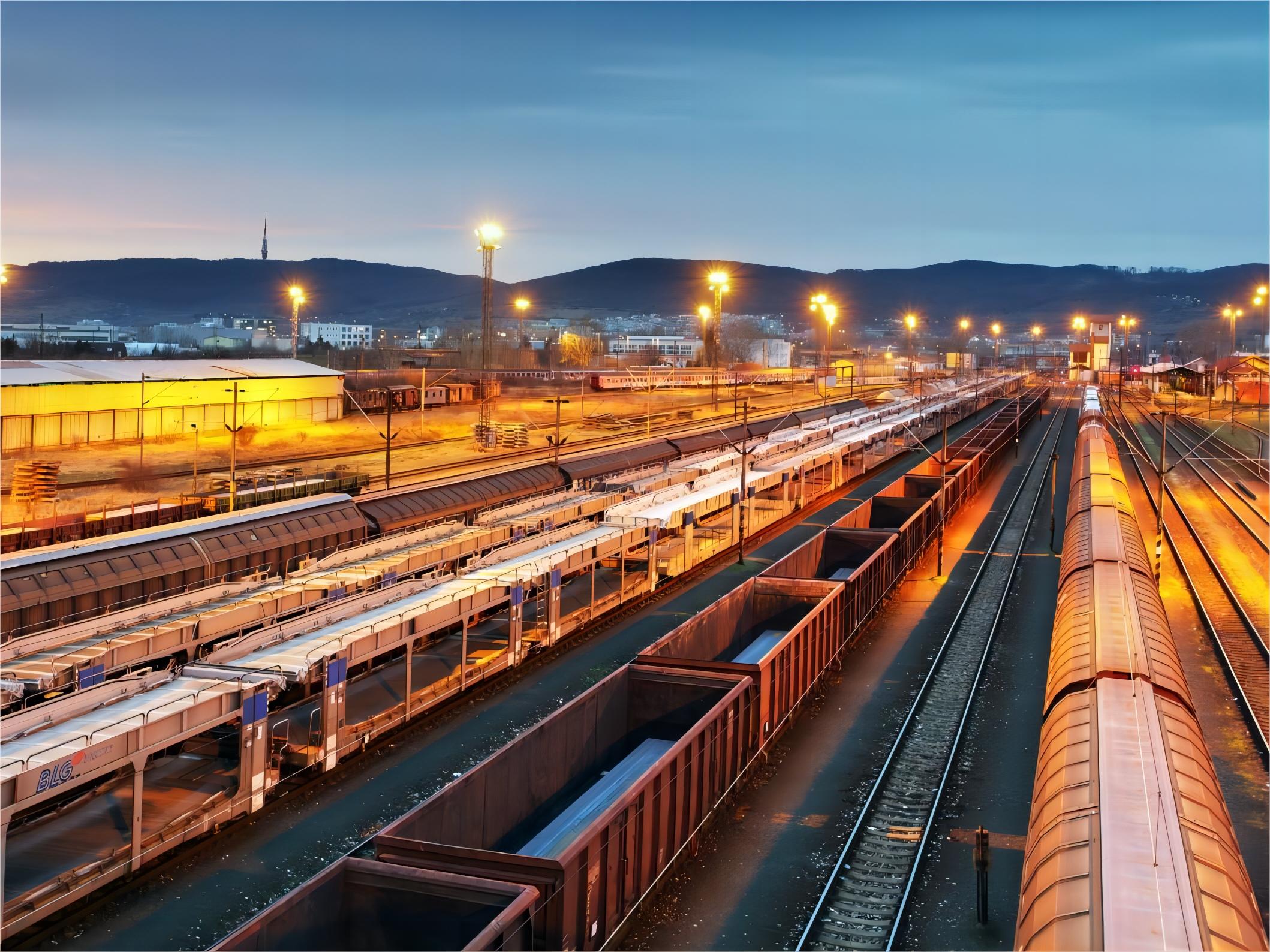

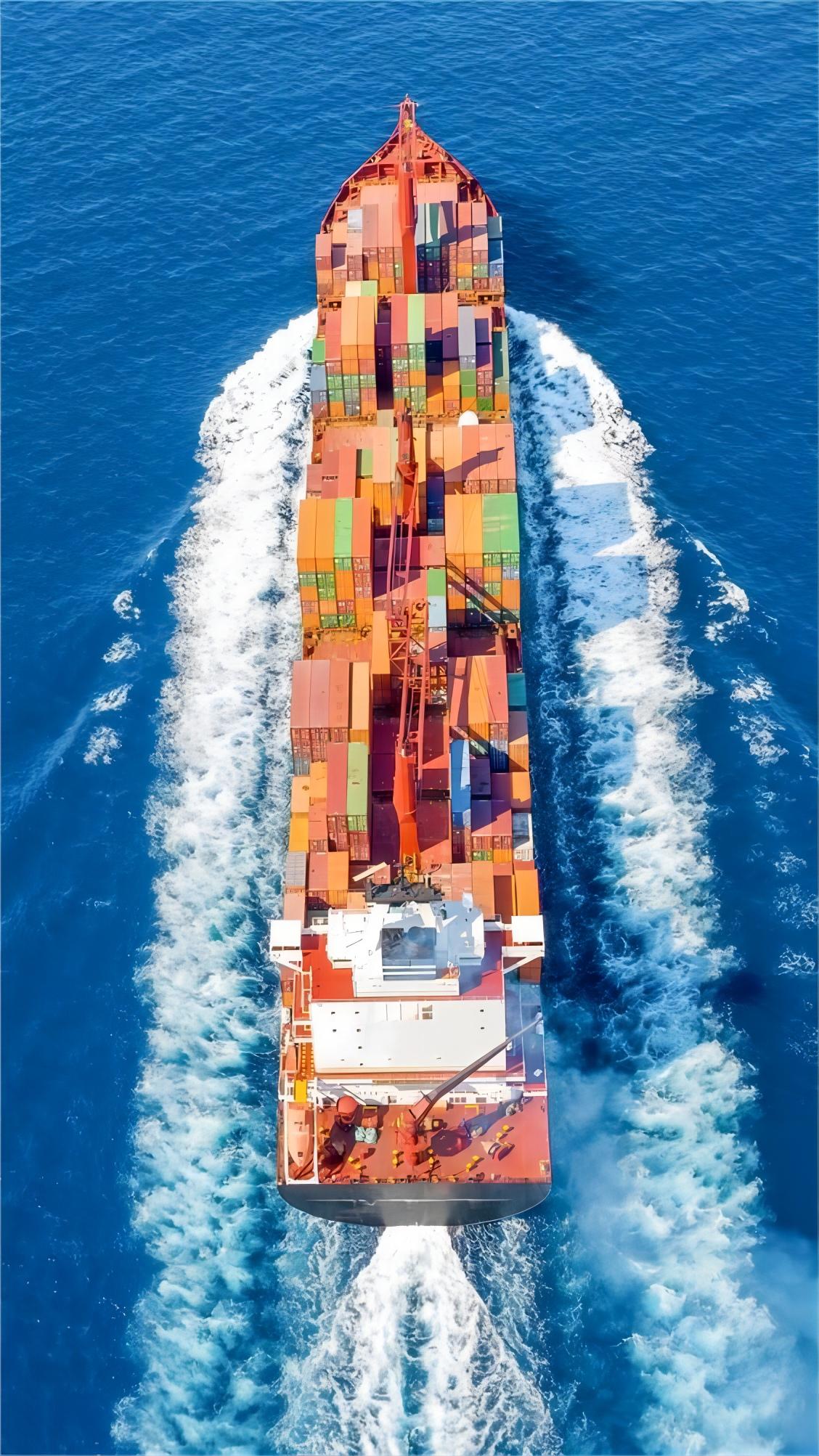
China to USA Sea Freight FCL Full Container Service: 2026 Guide
Navigating the complexities of international trade requires a reliable partner for your China to USA sea freight FCL full container service needs. Many businesses struggle with rising logistics costs and unpredictable transit times in the current 2026 market. However, Top China Cargo provides streamlined solutions that ensure your goods arrive safely and on schedule.
What Is China to USA Sea Freight FCL Full Container Service?
Full Container Load (FCL) refers to a shipping mode where one importer occupies an entire container for their goods. Specifically, this method is the gold standard for businesses moving large volumes of inventory across the Pacific Ocean. Consequently, you gain exclusive use of the space, which reduces the risk of damage from other shippers cargo.
Moreover, FCL shipping is often faster than Less than Container Load (LCL) because there is no need for consolidation or deconsolidation. Therefore, your shipment moves directly from the factory in China to the port and then to your final destination in the USA. This efficiency is vital for maintaining a healthy supply chain in 2026.
Choosing sea freight for your FCL needs allows for better planning and inventory management. Indeed, many importers prefer this method for its security and cost-effectiveness when shipping more than 15 cubic meters of goods.
How Do FCL Container Sizes and Costs Compare in 2026?
Understanding the dimensions and capacities of standard containers is essential for optimizing your shipping budget. For example, a 20GP container is ideal for heavy machinery, while a 40HQ is better for voluminous, lightweight goods. As of early 2026, market rates have stabilized but remain sensitive to fuel price fluctuations.
Additionally, selecting the right container size prevents wasted space and unnecessary expenses. You should calculate your total cargo volume before booking to ensure you maximize the utility of the FCL service.
| Container Type | Capacity (CBM) | Max Weight (KG) | Avg Cost 2026 |
|---|---|---|---|
| 20GP Standard | 28-30 CBM | 25,000 kg | $1,600 – $2,400 |
| 40GP Standard | 56-58 CBM | 26,000 kg | $2,600 – $3,600 |
| 40HQ High Cube | 68-70 CBM | 26,000 kg | $2,900 – $4,000 |
| 45HQ Extra Large | 86 CBM | 27,000 kg | $3,500 – $4,800 |
What Are the Primary Shipping Routes to the USA?
Transpacific shipping routes generally split into two main categories: West Coast and East Coast. Specifically, the route to the West Coast is shorter and typically cheaper due to the proximity to major Chinese ports like Shanghai and Ningbo. On the other hand, shipping to the East Coast often involves the Panama Canal or the Suez Canal, which adds time and cost.
Furthermore, port congestion in places like Los Angeles or Long Beach can occasionally impact your delivery schedule. However, utilizing North America focused logistics hubs can help bypass these bottlenecks. Most carriers offer weekly departures to ensure consistent flow for your business.
West Coast Transit Times
Shipping to the West Coast usually takes between 14 to 22 days depending on the specific port of loading. For instance, a direct vessel from Shenzhen to Los Angeles is the fastest sea route available. Consequently, many e-commerce sellers prioritize this route for quick inventory turnover.
East Coast and Gulf Transit Times
Reaching New York, Savannah, or Houston typically requires 30 to 40 days of transit time. Meanwhile, these routes are essential for businesses located in the Midwest or Eastern United States. Although the transit is longer, it often saves on inland trucking costs from the West Coast.
How Does FCL Compare to Other Shipping Options?
While China to USA sea freight FCL full container service is popular, it is not the only way to move goods. You must weigh the pros and cons of air freight and rail-sea hybrid models. For example, air freight is significantly faster but can cost up to five times more than ocean freight for the same volume.
Alternatively, LCL shipping is suitable for smaller batches but involves higher handling risks. To summarize, FCL remains the most balanced choice for high-volume importers who prioritize safety and cost.
| Method | Cost Range | Transit Time | Best For |
|---|---|---|---|
| FCL Sea Freight | Low to Mid | 15-40 Days | Bulk Shipments |
| LCL Sea Freight | Medium | 20-45 Days | Small Volumes |
| Air Freight | High | 3-7 Days | Urgent Goods |
| Express Service | Very High | 2-5 Days | Samples/Docs |
What Documentation Is Required for US Customs?
Navigating the customs brokerage process is a critical step in your international journey. Without a doubt, missing or incorrect paperwork can lead to expensive delays and fines at the US border. Therefore, you must ensure all documents are accurately prepared before the ship leaves China.
In addition, the ISF (Importer Security Filing) must be filed at least 24 hours before the cargo is loaded onto the vessel. Failure to comply with this 10+2 rule often results in a $5,000 penalty. Consequently, working with an experienced freight forwarder is highly recommended.
| Document Name | Purpose | Required By | Criticality |
|---|---|---|---|
| Bill of Lading | Title of Goods | Carrier/Customs | High |
| Commercial Invoice | Value Declaration | US Customs | High |
| Packing List | Cargo Details | Warehouse/Customs | Medium |
| ISF 10+2 Filing | Security Check | CBP | Mandatory |
Case Studies: Real-World FCL Shipping Scenarios
Examining real-world examples helps illustrate the practical application of China to USA sea freight FCL full container service. These scenarios reflect typical market conditions and costs observed in early 2026.
Case Study 1: Electronics from Shenzhen to Los Angeles. Route: Shenzhen to LA. Cargo: Consumer electronics, 65 CBM. Container: 40HQ. Carrier: COSCO. Ocean Freight: $3,200. Timeline: 18 days sea transit. Total door-to-door: 25 days. Key Insight: Direct routing saved 5 days compared to transshipment.
Case Study 2: Furniture from Ningbo to New York. Route: Ningbo to NY via Panama Canal. Cargo: Home furniture, 28 CBM. Container: 20GP. Carrier: Maersk. Ocean Freight: $2,800. Timeline: 35 days sea transit. Total door-to-door: 45 days. Key Insight: Booking 3 weeks in advance secured a lower rate during peak season.
Case Study 3: Amazon Inventory from Shanghai to Chicago. Route: Shanghai to LA then Rail to Chicago. Cargo: Kitchenware, 55 CBM. Container: 40GP. Method: Amazon FBA prep included. Total Landed Cost: $4,500. Timeline: 30 days. Key Insight: Multimodal transport was cheaper than direct sea freight to the East Coast.
Which Option Should You Choose? A Decision Framework
Deciding between different shipping strategies depends on your specific business priorities. If your primary goal is budget conservation, choosing a transshipment route might save you 10% on freight costs. However, if speed is the priority, you should always opt for a direct service to the West Coast.
Moreover, consider the nature of your cargo. For fragile items, a door to door FCL service is best because it minimizes the number of times the goods are handled. In contrast, durable goods in high volume can benefit from port-to-port strategies combined with local trucking.
Budget Priority Strategies
To save money, avoid shipping during the peak season from August to October. Additionally, compare rates from different carriers as prices can vary by several hundred dollars. Indeed, flexibility with your delivery dates can lead to significant cost reductions.
Speed Priority Strategies
When time is of the essence, look for carriers that offer guaranteed space and premium transit times. Furthermore, ensure your customs documentation is pre-cleared to avoid waiting at the terminal. Using a dedicated drayage service at the destination port also speeds up the final delivery.
Summary of FCL Shipping Benefits
In conclusion, mastering the China to USA sea freight FCL full container service is essential for any serious importer in 2026. By choosing FCL, you benefit from enhanced security, faster transit times compared to LCL, and better overall value for large volumes. We have explored the costs, routes, and documentation required to succeed in this competitive landscape.
Therefore, you should carefully evaluate your container needs and choose a partner that understands the nuances of transpacific logistics. Whether you are shipping to the West Coast or the East Coast, the right strategy will protect your margins and satisfy your customers. Remember to stay updated on market trends and plan your shipments well in advance to ensure the best possible outcomes.
Get Your Shipping Quote Today
Ready to optimize your supply chain with a professional China to USA sea freight FCL full container service? Contact our logistics experts today to receive a customized quote and secure your 2026 shipping schedule. Visit us at Top China Cargo to get started. Send Inquiry: info@topchinacargo.com
Request Quote