
Cargo Shipping China to Netherlands International Logistics 2026 Guide
Successfully managing cargo shipping China to Netherlands international logistics requires a deep understanding of global trade routes and local regulations. Many businesses struggle with fluctuating freight rates and complex customs procedures that can delay essential deliveries. By partnering with Top China Cargo, you can access streamlined shipping solutions that minimize risk and maximize efficiency for your 2026 imports.
✦
What are the primary modes of cargo shipping China to Netherlands international logistics?
Choosing the right transportation mode is the first critical step in your logistics strategy. Sea freight remains the backbone of international trade, offering the lowest cost for high-volume shipments.
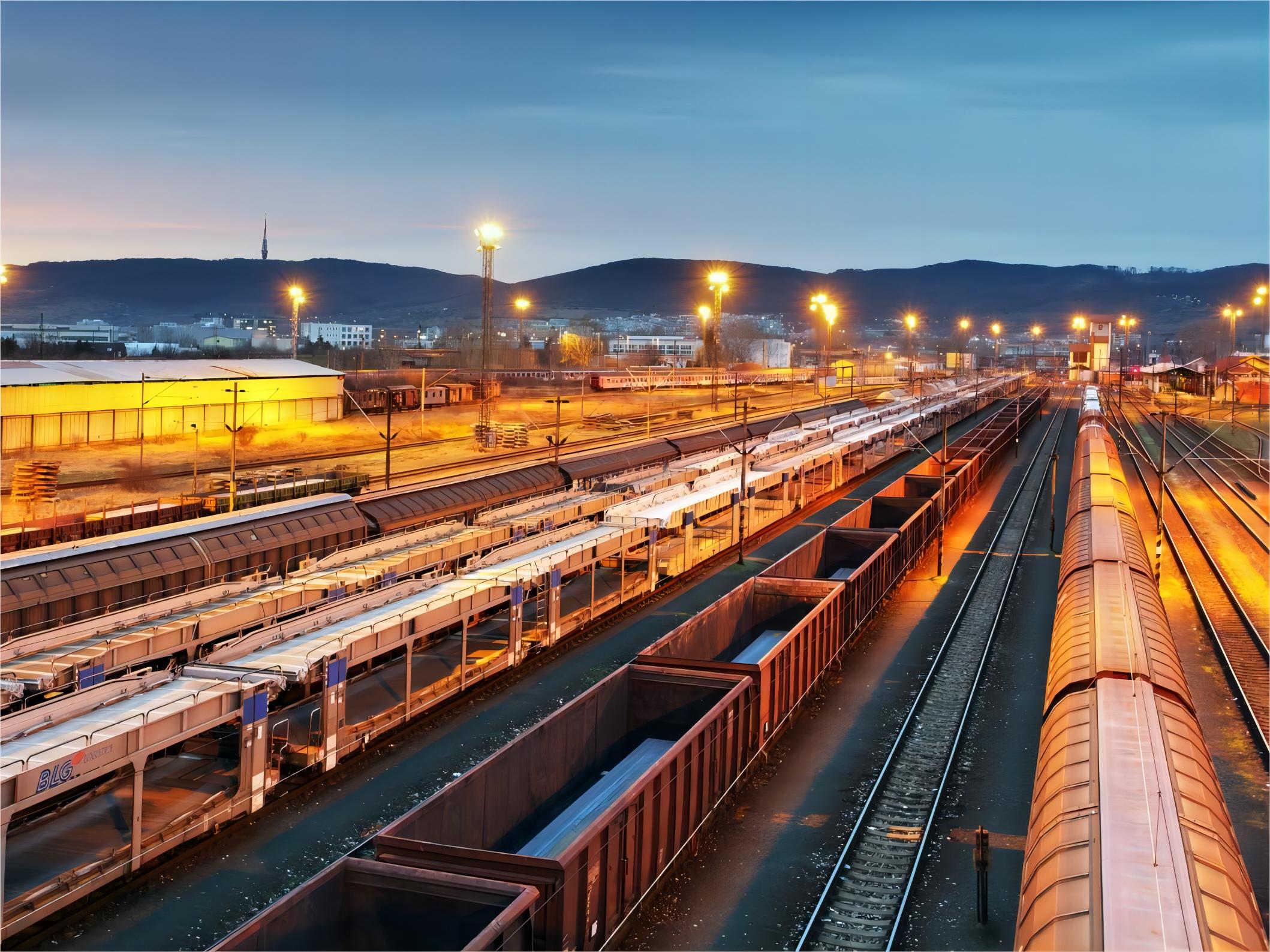
Alternatively, rail freight has gained significant popularity in 2026 as a faster alternative to ocean transport. It provides a reliable middle ground for companies that need quicker turnaround than sea but cannot afford air rates.
Air freight remains the premier choice for urgent or high-value goods. While it carries a higher price tag, the speed and security provided are unmatched for sensitive cargo.
How do shipping costs compare between sea, air, and rail in 2026?
Freight rates in 2026 have stabilized following the disruptions of previous years. However, fuel surcharges and seasonal demand still play a major role in final pricing.
For large-scale operations, sea freight offers the most competitive LCL shipping costs and FCL container shipping rates. Most businesses find that sea transport is the only viable way to maintain healthy margins on bulky items.
Rail freight rates generally sit at 50 percent of air freight costs while being significantly faster than sea. This makes it a preferred choice for e-commerce logistics China to Holland.
| Method | Cost Range (USD) | Transit Time | Best For |
|---|---|---|---|
| Sea (FCL 40HQ) | $3,200 – $4,500 | 30-40 Days | Bulk Goods |
| Rail (FCL 40HQ) | $5,500 – $7,200 | 16-22 Days | Mid-value |
| Air (per kg) | $4.50 – $7.00 | 3-7 Days | Urgent |
| Express (per kg) | $8.00 – $12.00 | 2-4 Days | Samples |
How does sea freight compare to other shipping options?
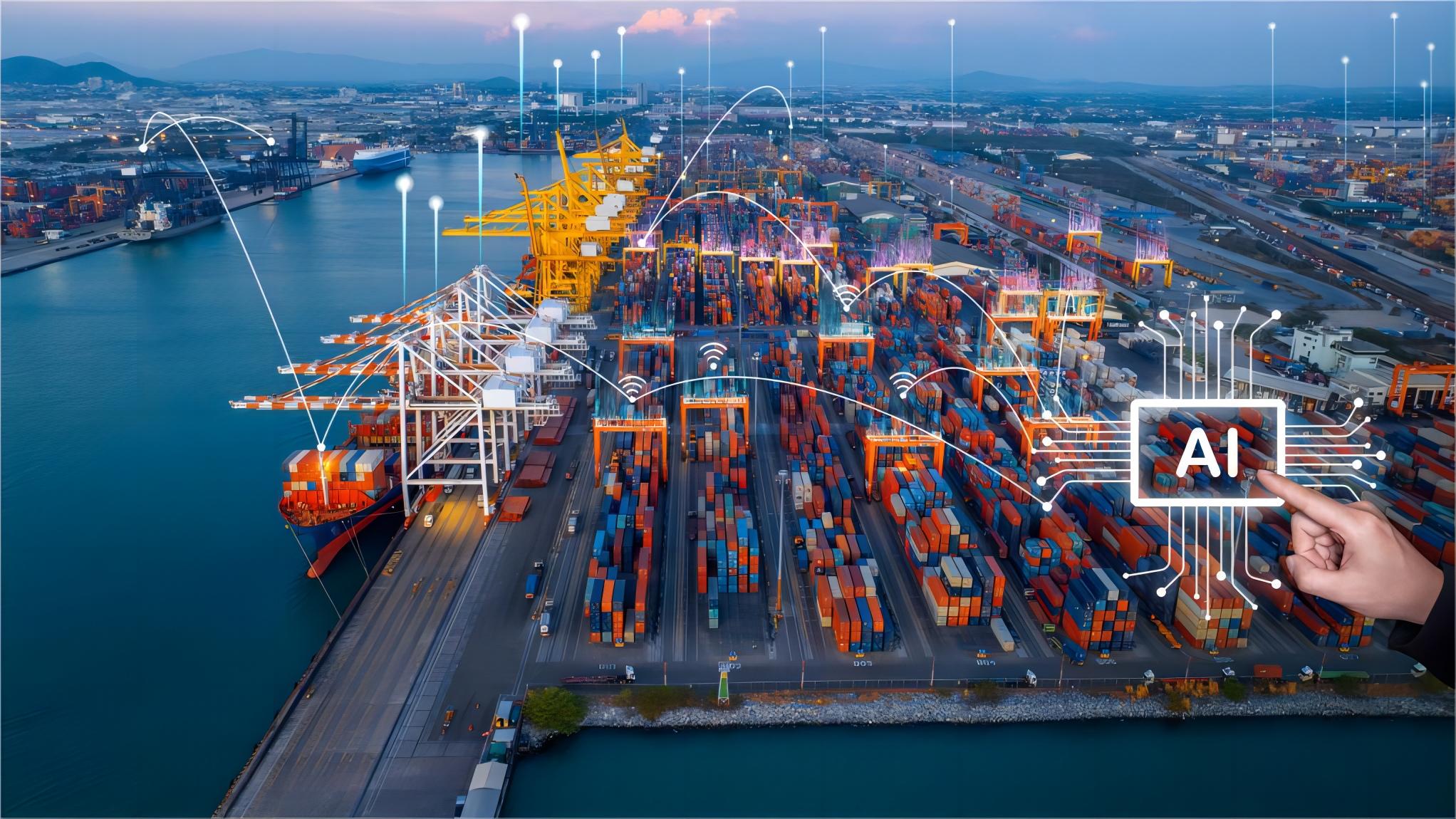
Ocean transport is often compared against rail and air for its capacity and cost-efficiency. While sea freight is the slowest, it allows for the transport of hazardous materials and oversized cargo that other methods cannot handle.
Furthermore, sea freight rates 2026 are less volatile than air freight transit time variables. Consequently, planning your inventory around a 35-day sea window is the most sustainable long-term strategy.
Direct routes to Rotterdam cost roughly 10 percent more than transshipment routes but save nearly a week in transit time. Businesses must decide if the speed is worth the additional port fees.
| Shipping Method | Cost Level | Transit Time | Volume Capacity | Reliability |
|---|---|---|---|---|
| Sea Freight | Very Low | 30-45 Days | Highest | Medium |
| Rail Freight | Moderate | 15-22 Days | High | High |
| Air Freight | Very High | 3-7 Days | Low | Very High |
Why is customs brokerage essential for Netherlands imports?
The Netherlands serves as the gateway to Europe, but its customs procedures are rigorous. Utilizing professional customs brokerage ensures that your documentation complies with the latest 2026 EU regulations.
Incorrectly filed paperwork can result in expensive storage fees at the Port of Rotterdam or Schiphol Airport. Therefore, expert brokers handle everything from HS code classification to VAT deferment applications.
Import duties Netherlands can vary significantly based on the product type and origin. Having a broker who understands DDP shipping Netherlands requirements can save your business thousands in unforeseen penalties.
What is the transit time for different logistics routes?
Transit times are influenced by the port of loading in China and the specific service level selected. For example, shipments from Shenzhen typically arrive faster than those from inland cities.
When choosing air freight, you can expect door-to-door delivery within a week. In contrast, sea freight requires careful scheduling to account for potential port congestion.
Rail freight China to Europe offers a consistent schedule that bypasses the maritime risks associated with the Red Sea or Cape of Good Hope routes. This stability is vital for maintaining a lean supply chain.
Which option should you choose for your business?
Selecting the right method depends on your budget, cargo type, and delivery deadlines. If your priority is budget, sea freight is the undisputed winner for large volumes.
If speed is your main concern, air freight is the only way to meet tight deadlines. However, many modern businesses are opting for a hybrid approach to balance costs.
For shipments under 15 CBM, LCL shipping is often more economical than a full container. Conversely, once you exceed 15 CBM, FCL becomes the more cost-effective choice for international shipping.
Can door-to-door services simplify your supply chain?
Managing multiple vendors can lead to communication breakdowns and logistical errors. Opting for door to door shipping consolidates all steps into a single point of contact.
This service includes pickup from the China factory, international transport, customs clearance, and final mile delivery in the Netherlands. Consequently, you can focus on sales while the logistics experts handle the heavy lifting.
Moreover, door-to-door shipping China to Netherlands services often provide better tracking transparency. This allows you to provide accurate delivery updates to your Dutch customers.
Real Case Studies for China to Netherlands Logistics
Reviewing real-world examples helps in understanding the practical application of these shipping methods. Below are two cases from early 2026 that highlight different strategies.
Case Study 1: Industrial Machinery via Sea Freight
Route: Shanghai, China to Rotterdam, Netherlands. Cargo: CNC Machinery, 28 CBM, 12,000 kg. Container: 40GP. Carrier: COSCO. Port of Loading: Shanghai. Port of Discharge: Rotterdam. Route Type: Direct.
Cost Breakdown: Ocean Freight: $3,450. Origin Charges: $450. Destination Charges: $600. Customs and Duties: $1,200. Total Landed Cost: $5,700. Timeline: Booking to Loading: 4 days. Sea Transit: 33 days. Customs: 2 days. Total Door-to-Door: 42 days.
Key Insight: Using a direct sea route for heavy machinery ensured the lowest possible cost per kilogram while maintaining a predictable schedule.
Case Study 2: Consumer Electronics via Rail Freight
Route: Chengdu, China to Tilburg, Netherlands. Cargo: Smart Home Devices, 12 CBM, 3,500 kg. Container: LCL. Carrier: China Railway Express. Port of Loading: Chengdu Rail Terminal. Port of Discharge: Tilburg Terminal. Route Type: Direct Rail.
Cost Breakdown: Rail Freight: $2,800. Origin Charges: $300. Destination Charges: $400. Customs and Duties: $950. Total Landed Cost: $4,450. Timeline: Booking to Loading: 3 days. Rail Transit: 18 days. Customs: 1 day. Total Door-to-Door: 25 days.
Key Insight: Rail freight provided the speed necessary for a product launch without the extreme expense of air transport. Prices reflect Q1 2026 market averages.
How can you reduce costs in cargo shipping China to Netherlands international logistics?
Consolidating shipments is one of the most effective ways to lower your expenses. By combining smaller orders into a single LCL shipment, you share the container costs with other importers.
Furthermore, optimizing your packaging can significantly reduce the volumetric weight for air freight. Smaller, denser packages result in lower shipping fees and better space utilization.
Planning ahead is also crucial for avoiding peak season surcharges. Rates typically increase by 15-25 percent during the August to October period, so booking early is essential.
Final Thoughts on International Logistics to the Netherlands
Navigating cargo shipping China to Netherlands international logistics requires a strategic approach to mode selection and customs compliance. Whether you choose sea, air, or rail, understanding the trade-offs in cost and speed is vital for business success in 2026.
By leveraging the expertise of a professional freight forwarder, you can overcome the complexities of international trade. Start planning your next shipment today to ensure your goods reach the Dutch market efficiently and affordably.